Electronic Music Mixing: From Beginner to DJ
A course by Chuck PeredaDJ and Radio Host
A course by Chuck Pereda, DJ and Radio Host

Learn the basics to mix physical and digital formats to create your first DJ set
Turn up the volume to eleven and get your DJ skills up to scratch alongside Chuck Pereda—DJ and radio host with over 20 years of experience in mixing at clubs, parties, radio sets, and more. If you’re obsessed with music and you want to transform your passion into your profession, you’ve come to the right place.
In this course, you’ll learn the basics of mixing electronic music and all you need to mix your own demo set and present it successfully.
What will you learn in this online course?
18 lessons & 24 downloads
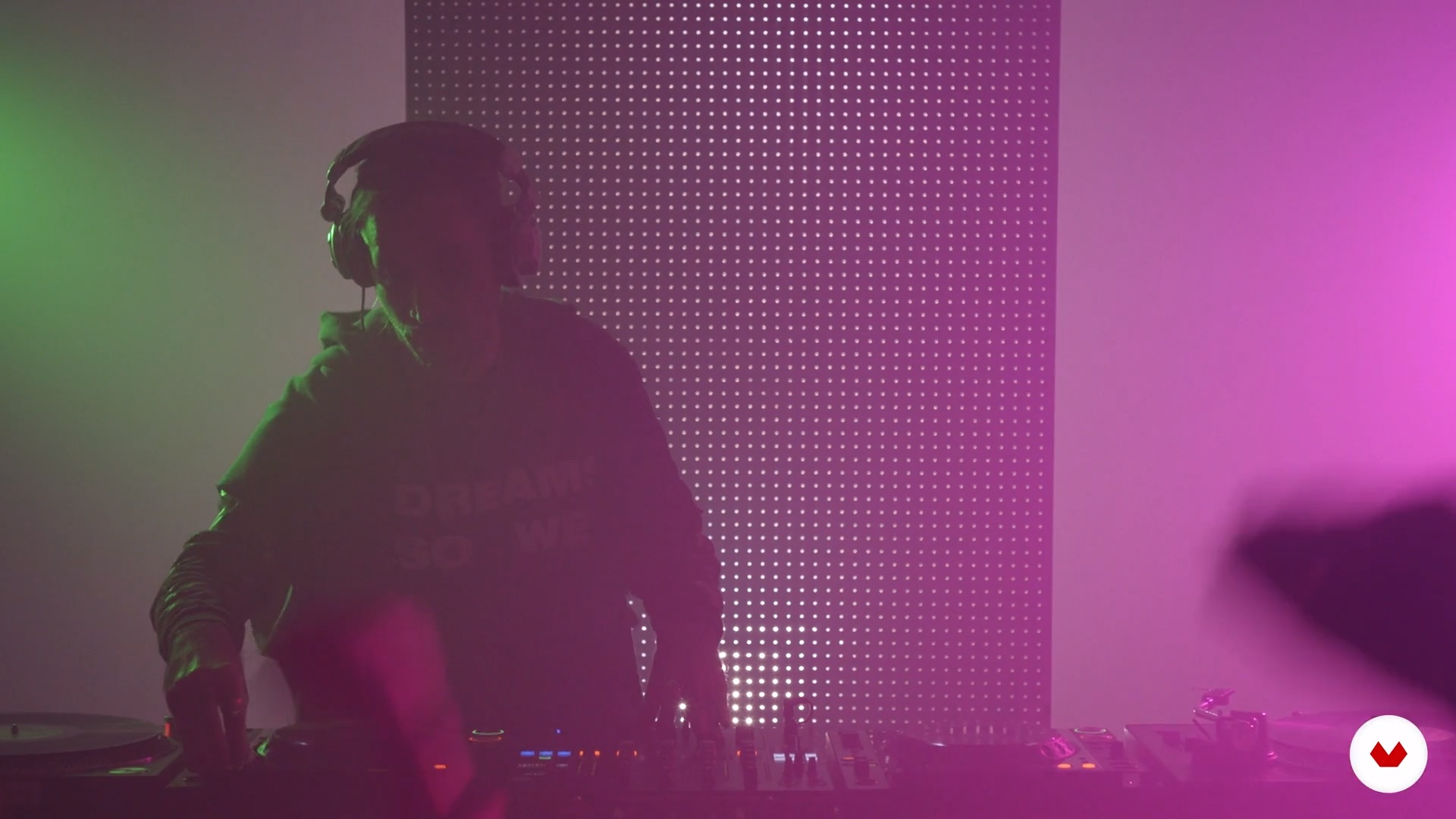
What is being a DJ
11 minutes, 6 seconds
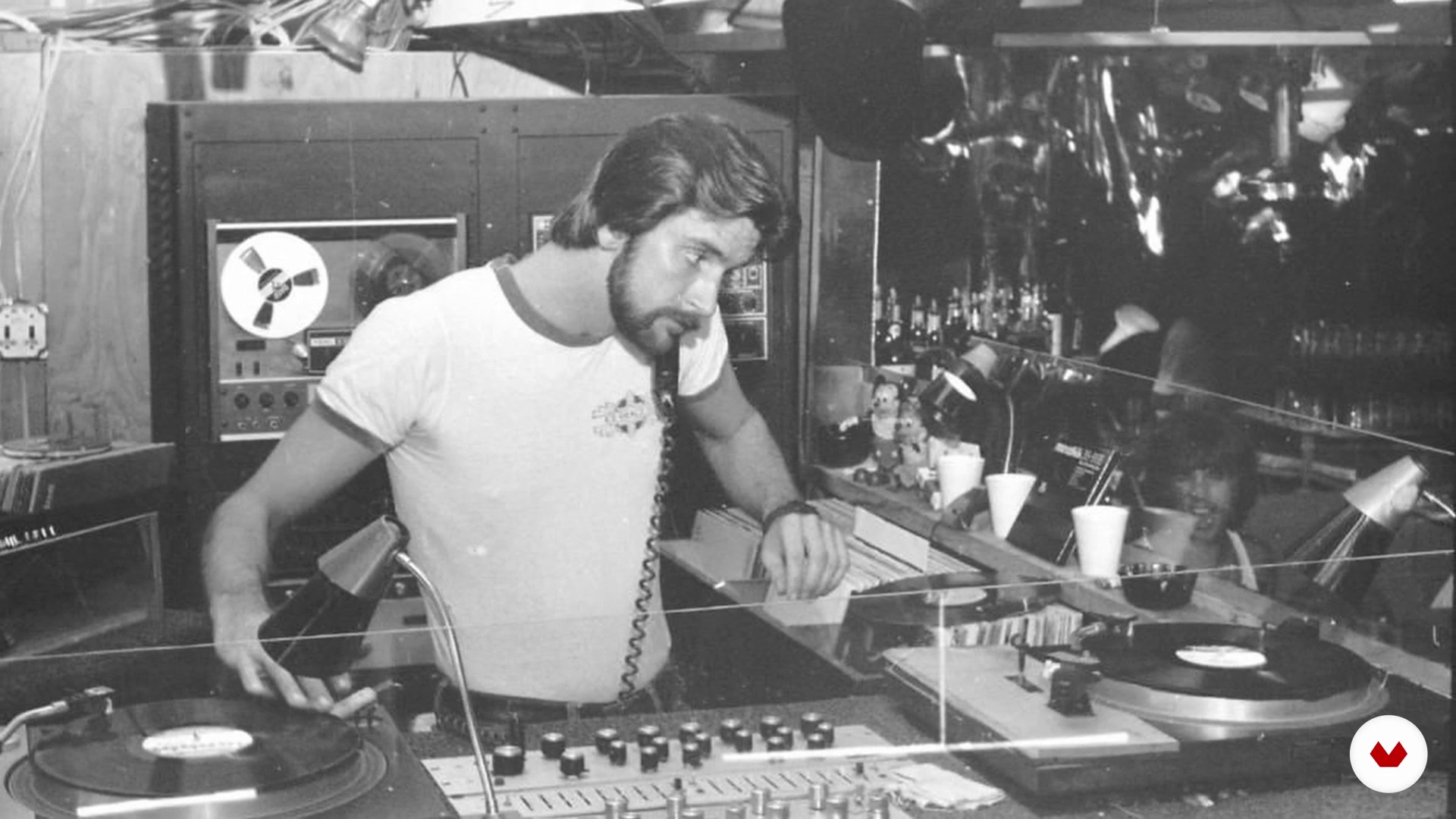
Electronic music and its 4 main genres
20 minutes, 50 seconds
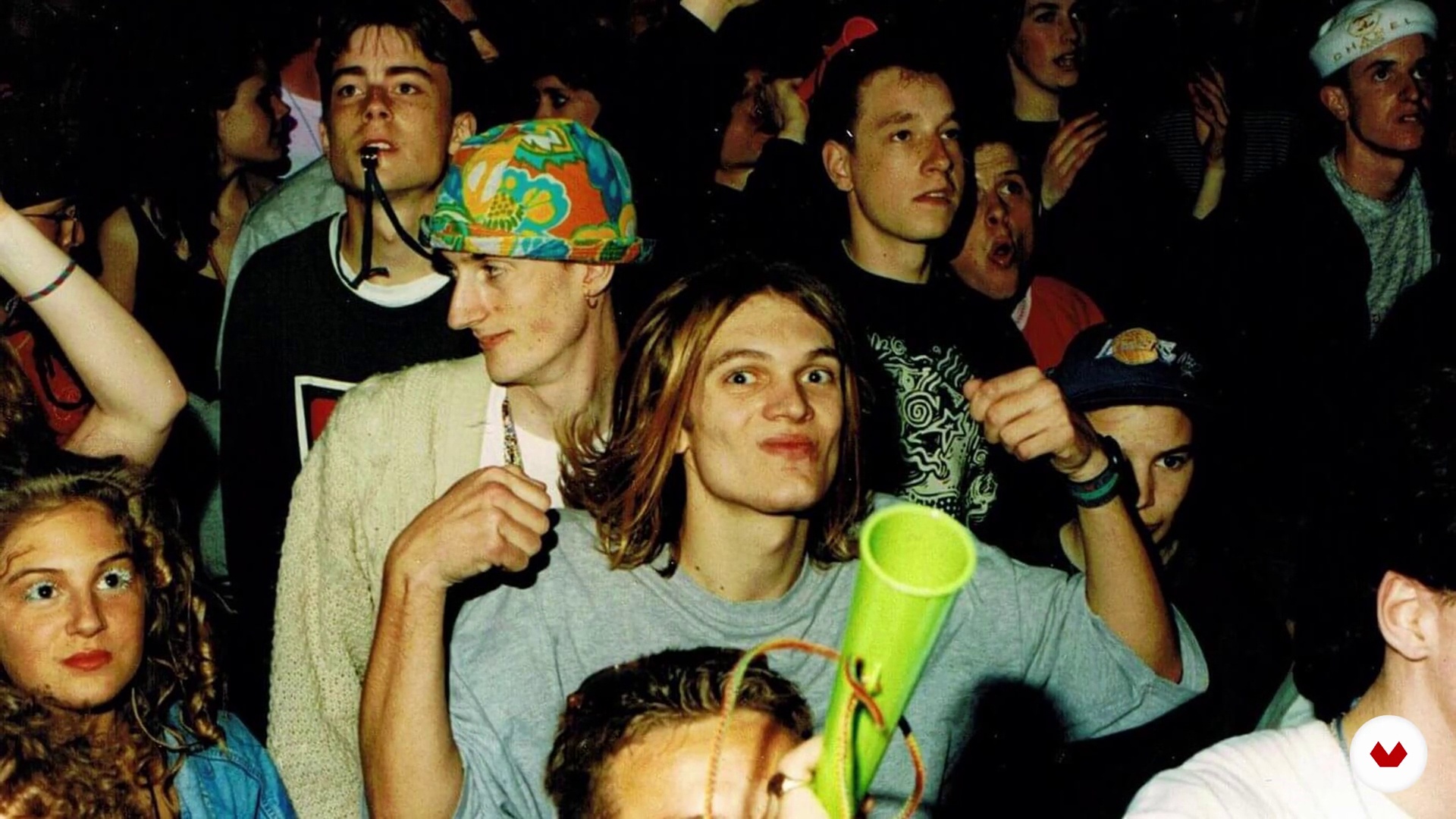
Electronic music and its 4 main genres P2
8 minutes, 17 seconds
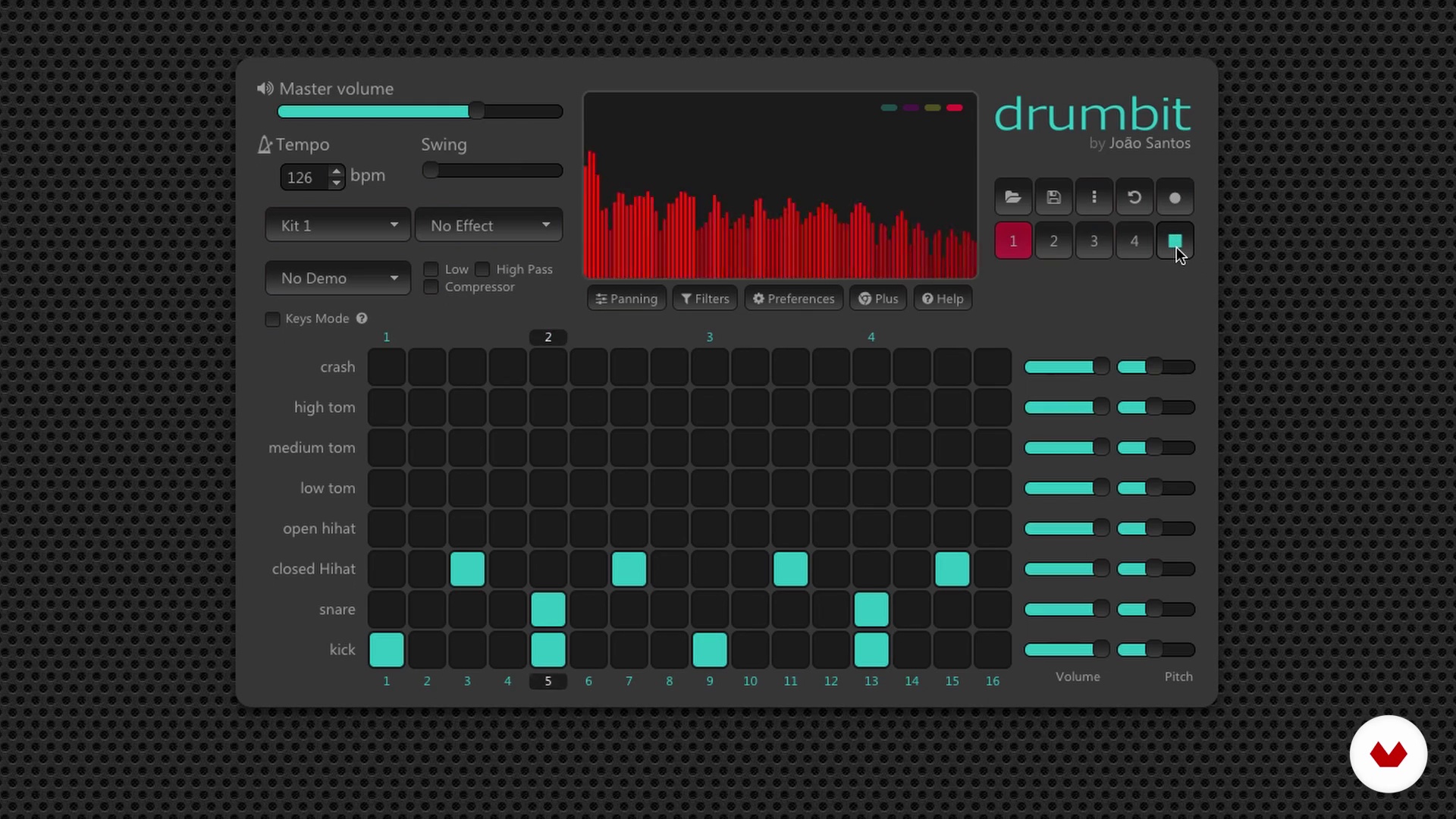
Basic concepts
19 minutes, 29 seconds
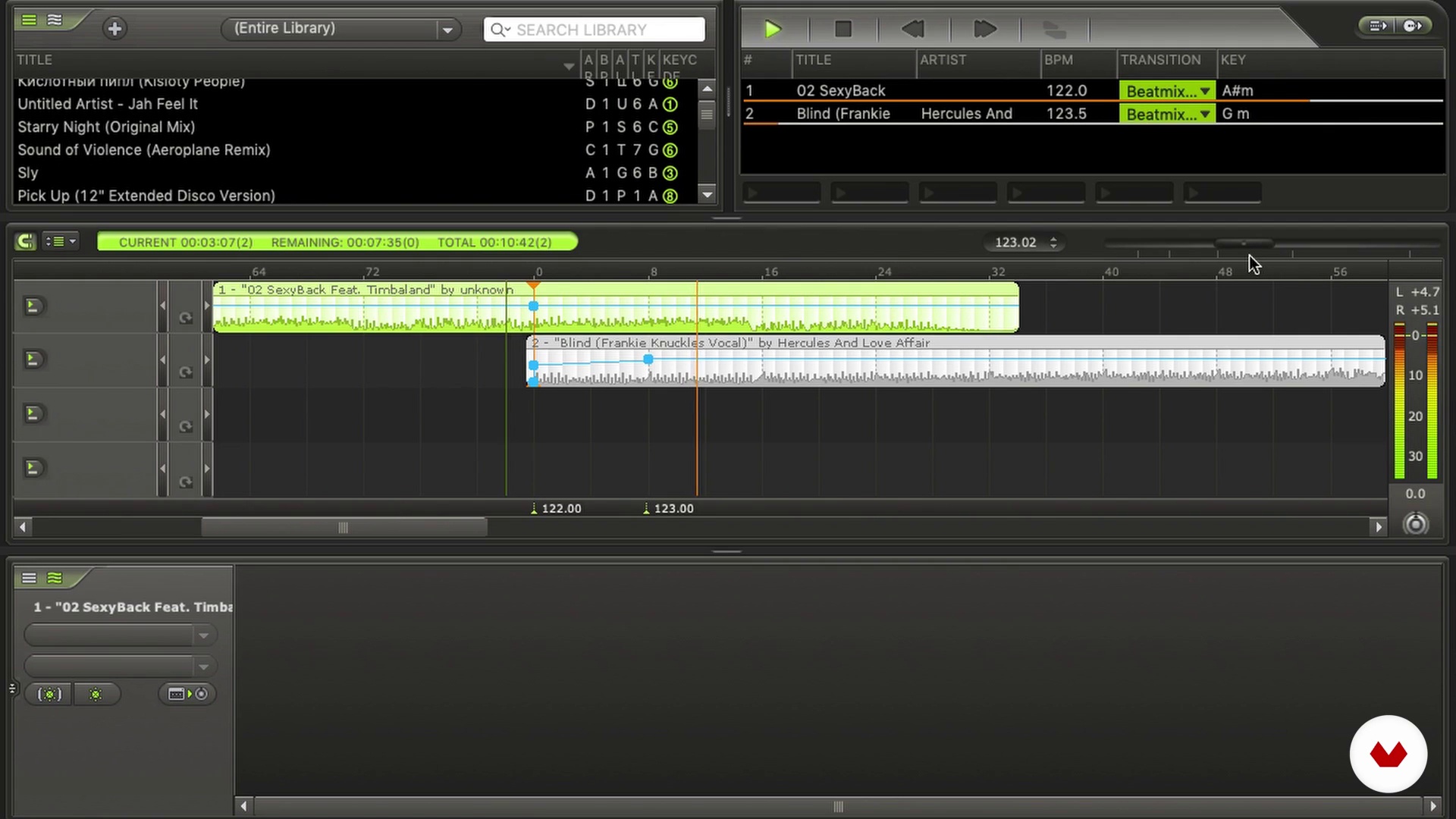
What is mixing?
20 minutes, 18 seconds
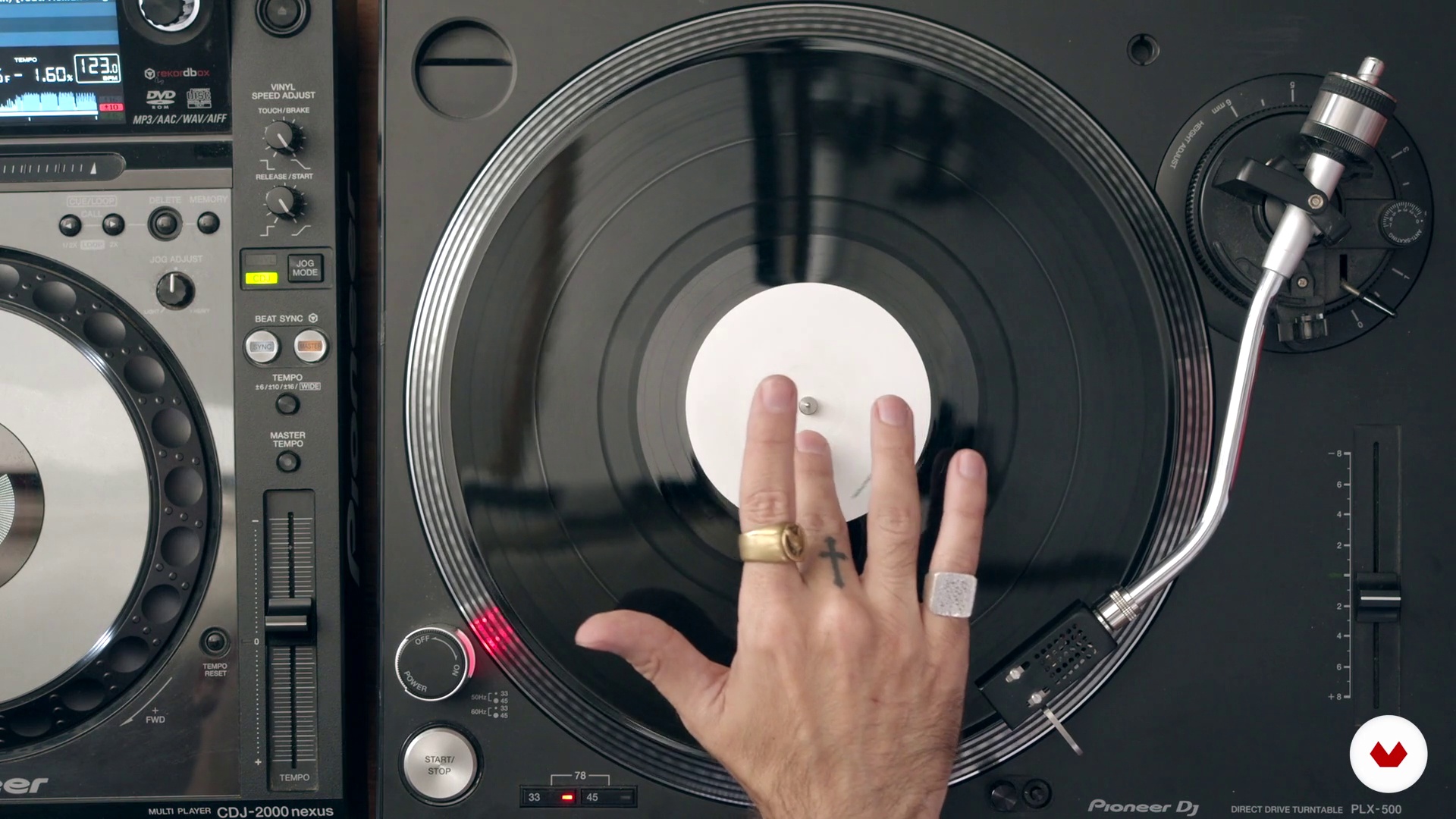
Mixing with vinyls
16 minutes, 6 seconds
What's included in this course?
Start the course by getting to know Chuck, about his professional DJing and radio host experience, and some of his musical influences. Discover what—in his opinion—makes a great DJ.
Get to know more about electronic music, from its origins and first experiments. See some fundamental concepts in music structure and genres. See some websites and places that can help bring more variety to your music library,before getting into the mixing process and all that it involves.
Learn how to mix using a wide range of formats, both physical and digital: vinyl, CDs, and USB (using software and a controller). Chuck shows you the equipment he uses, as well as all the details to take into account for all the methods he shares with you.
See some important music platforms to keep up to date and create a profile on SoundCloud to get involved in the DJ community, and see some essential details about being successful in your genre or style.
Finish the course by learning some practical aspects that are not necessarily about mixing: contracts, collective bargaining, and advice to read your audience and ensure they enjoy your set.
What is this course's project?
Create a one hour DJ set that could become your first demo to start promoting your DJ work.
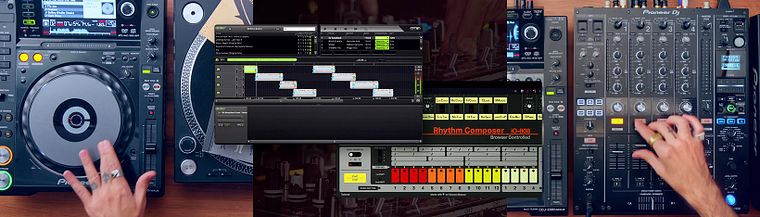
Projects by course students

Who is this online course for?
This course is for all music fans, especially those with a passion for electronic music. Future producers and amateur DJs who want to improve their technique will also enjoy this course.
Requirements and materials
No previous experience is necessary to take this course.
As for materials, you’ll need a computer with Serato or Traktor installed and a controller, or access to a mixer with turntables or CDJ. You also need a USB key, and a CD recorder is optional.
Reviews
- 6 months ago
Un curso muy interesante. Chuck tiene una forma de explicar que hace las lecciones muy adictivas y con ganas de avanzar. Muy recomendable.
- 9 months ago
Bello
- 10 months ago
Thanks for this course, is very complete and informative. Im becoming a better DJ thanks to this course!
- 11 months ago
Very glad with the course
- 1 year ago
For now is a very good course. I'am happy whit the purchase.

Above all else, Chuck is passionate about music, which shines through his DJ sets, where he mixes opposing genres with harmony and always with a touch of fun.
Content
- U1
Introduction
- Presentation (Who am I)
- Influences
- What is being a DJ
- U2
Basic theory
- Electronic music and its 4 main genres
- Electronic music and its 4 main genres P2
- Basic concepts
- Where do I get all my music?
- What is mixing?
- U3
Mixing
- Basic equipment / set up
- Mixing with vinyls
- Mixing with P2 vinyls
- Mixing with CDs and USBs
- Mixing with P2 CDs and USBs
- Mixing with controller
- How to put together a set and record it
- U4
Additional content
- How to promote yourself?
- Contracts and logistics of a presentation
- Tips for a successful presentation
- FP
Final project
- Electronic music mixing: from beginner to DJ
What to expect from a Domestika course
Learn at your own pace
Enjoy learning from home without a set schedule and with an easy-to-follow method. You set your own pace.
Learn from the best professionals
Learn valuable methods and techniques explained by top experts in the creative sector.
Meet expert teachers
Each expert teaches what they do best, with clear guidelines, true passion, and professional insight in every lesson.
Certificates
PLUSIf you're a Plus member, get a custom certificate signed by your teacher for every course. Share it on your portfolio, social media, or wherever you like.
Get front-row seats
Videos of the highest quality, so you don't miss a single detail. With unlimited access, you can watch them as many times as you need to perfect your technique.
Share knowledge and ideas
Ask questions, request feedback, or offer solutions. Share your learning experience with other students in the community who are as passionate about creativity as you are.
Connect with a global creative community
The community is home to millions of people from around the world who are curious and passionate about exploring and expressing their creativity.
Watch professionally produced courses
Domestika curates its teacher roster and produces every course in-house to ensure a high-quality online learning experience.
FAQs
You’ll learn mixing techniques for vinyl and digital setups, music selection, beatmatching, freestyle, scratching, DJ history, analysis of electronic genres, how to craft cohesive sets, plus promotion strategies and professional DJ management.
The course is intermediate level, perfect for those with basic mixing or DJ skills who want to dive deeper into advanced techniques and electronic music history.
It’s recommended to have a turntable, mixer, DJ controller, or mixing software, along with access to music in physical or digital formats. However, having all the gear isn’t required to grasp the theoretical concepts.
The course covers beatmatching, beat juggling, freestyle, scratching, harmonic mixing, transitions between styles, blends, mashups, and loop usage, including both vinyl and digital controllers.
You’ll learn how to build and organize your music library, identify BPM and key, and pick tracks based on structure, crowd energy, and genre compatibility.
Yes, the course explores the origins of DJing, the evolution of electronic genres like house, techno, and breakbeat, the influence of disco culture, and key community roles.
The course helps you recognize electronic subgenres through examples, rhythmic and harmonic analysis, and resources for discovering new music in stores and online platforms.