Food Styling for Beginners: Visually Enhance Flavors
A course by Marcela LovegroveFood Stylist
A course by Marcela Lovegrove, Food Stylist

Discover the tools and techniques needed for food styling and learn to capture mouth-watering images like a professional
In a world that's bursting with images, culinary photos have taken center stage on social networks and digital media. With that in mind, according to Marcela Lovegrove, a food stylist for over 40 years, it is essential to know how to handle food and its environment to make a dish truly stand out.
In this course, learn the basics of food styling and how to make aesthetically mouth-watering compositions. Your teacher equips you with all the skills you need to showcase food on camera and visually enhance its qualities and flavors.
What will you learn in this online course?
17 lessons & 23 downloads
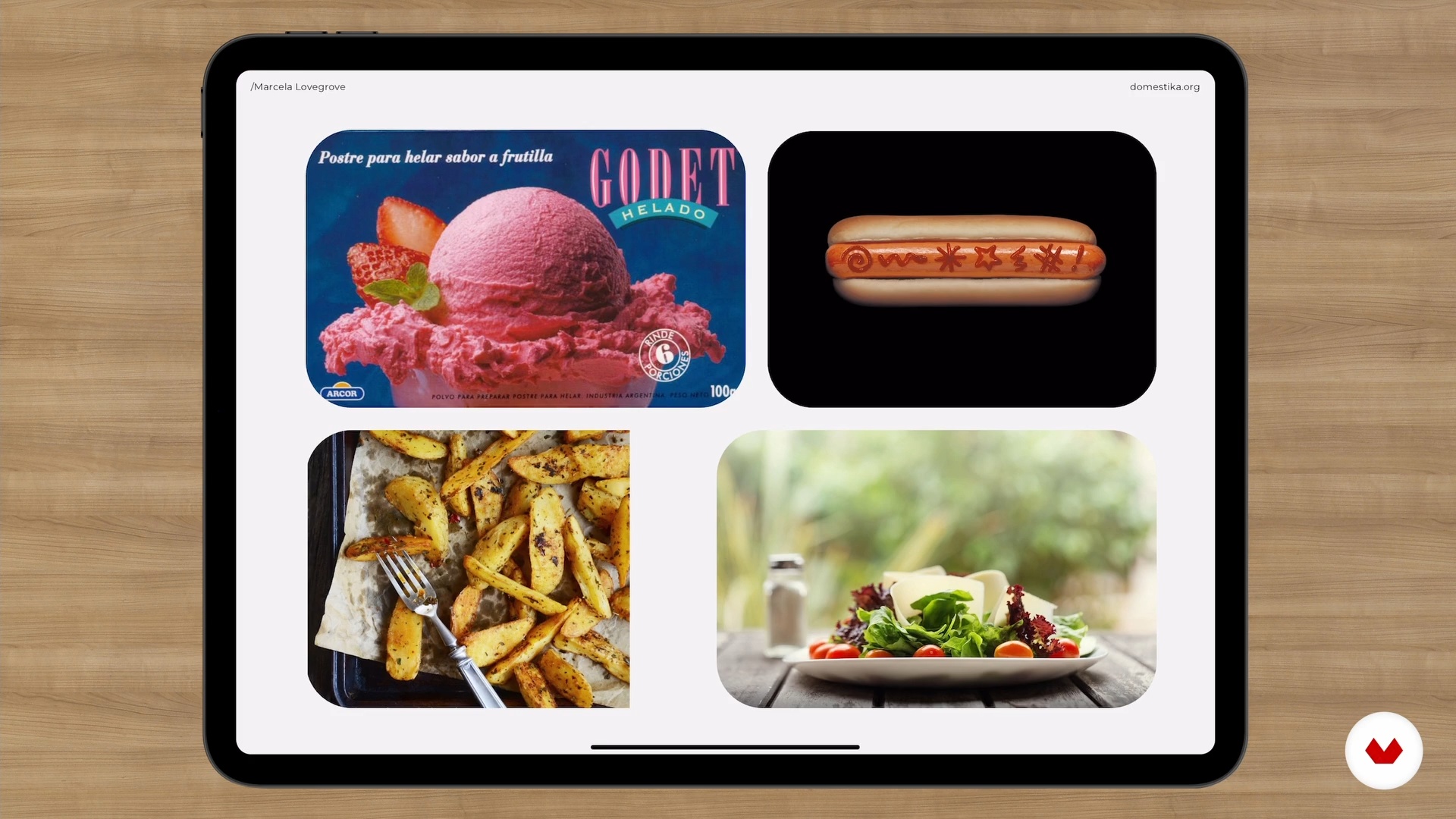
What is Food Styling?
19 minutes, 15 seconds
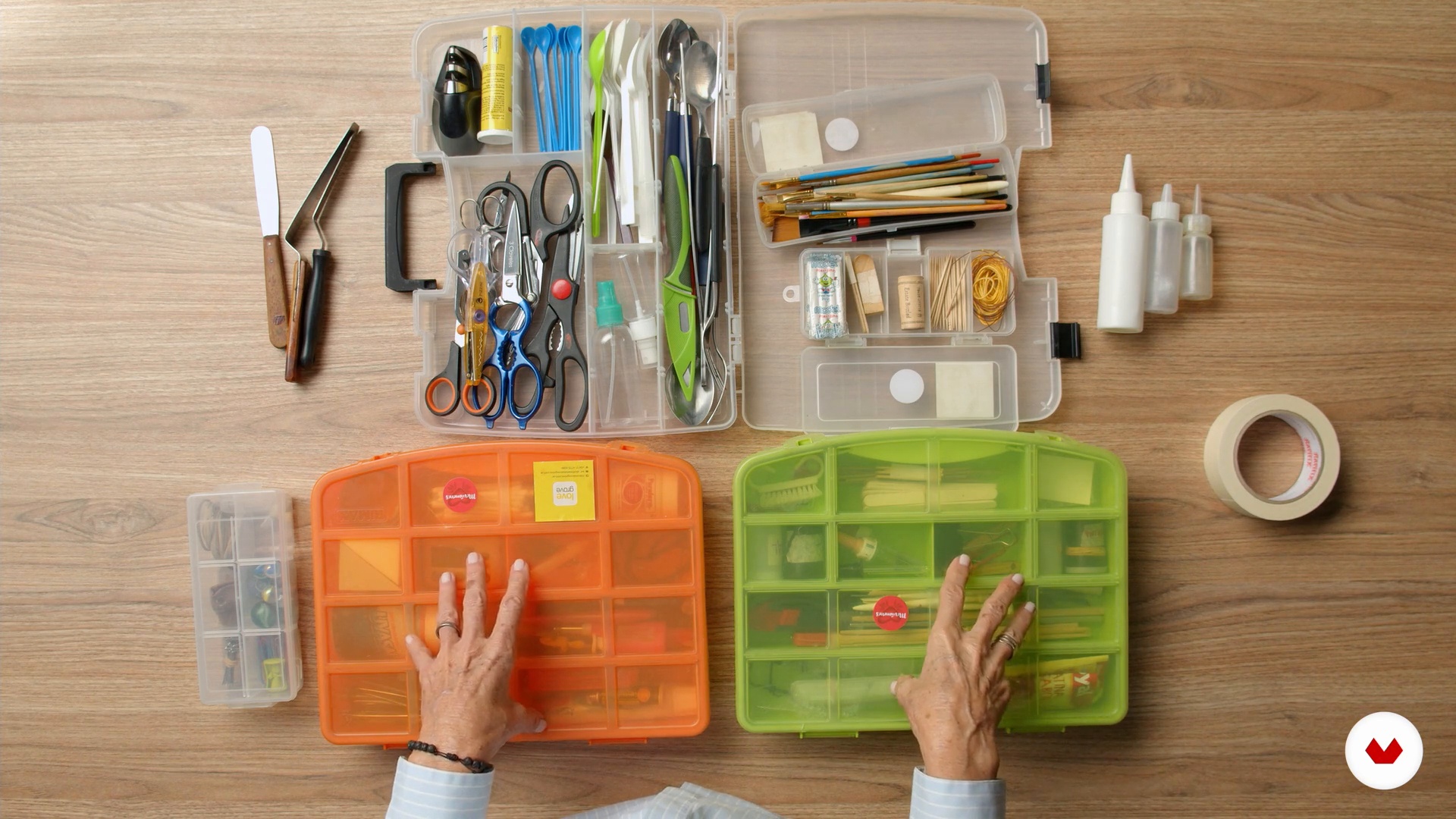
Basic work kit
12 minutes, 18 seconds
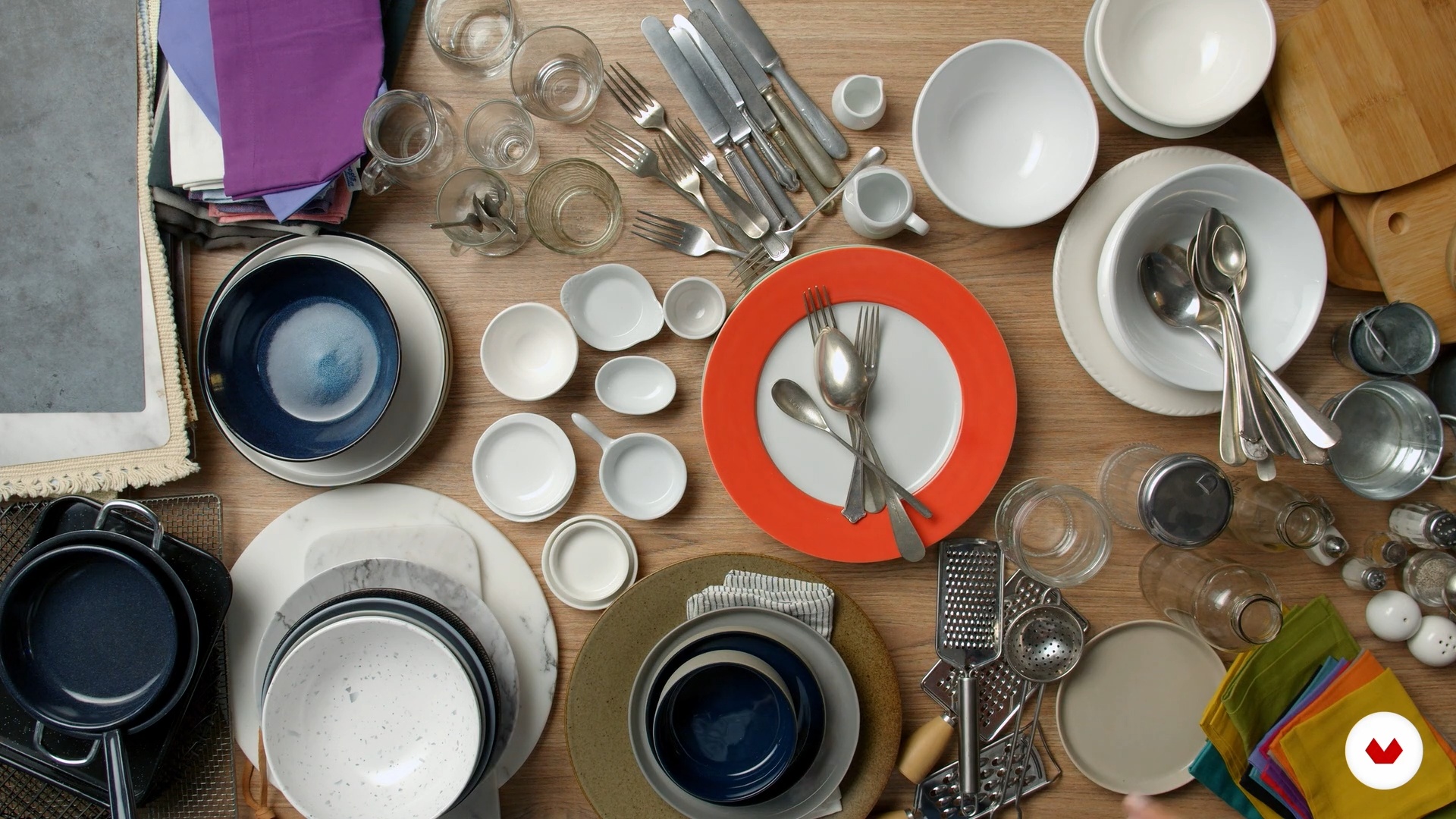
Project needs
11 minutes, 29 seconds
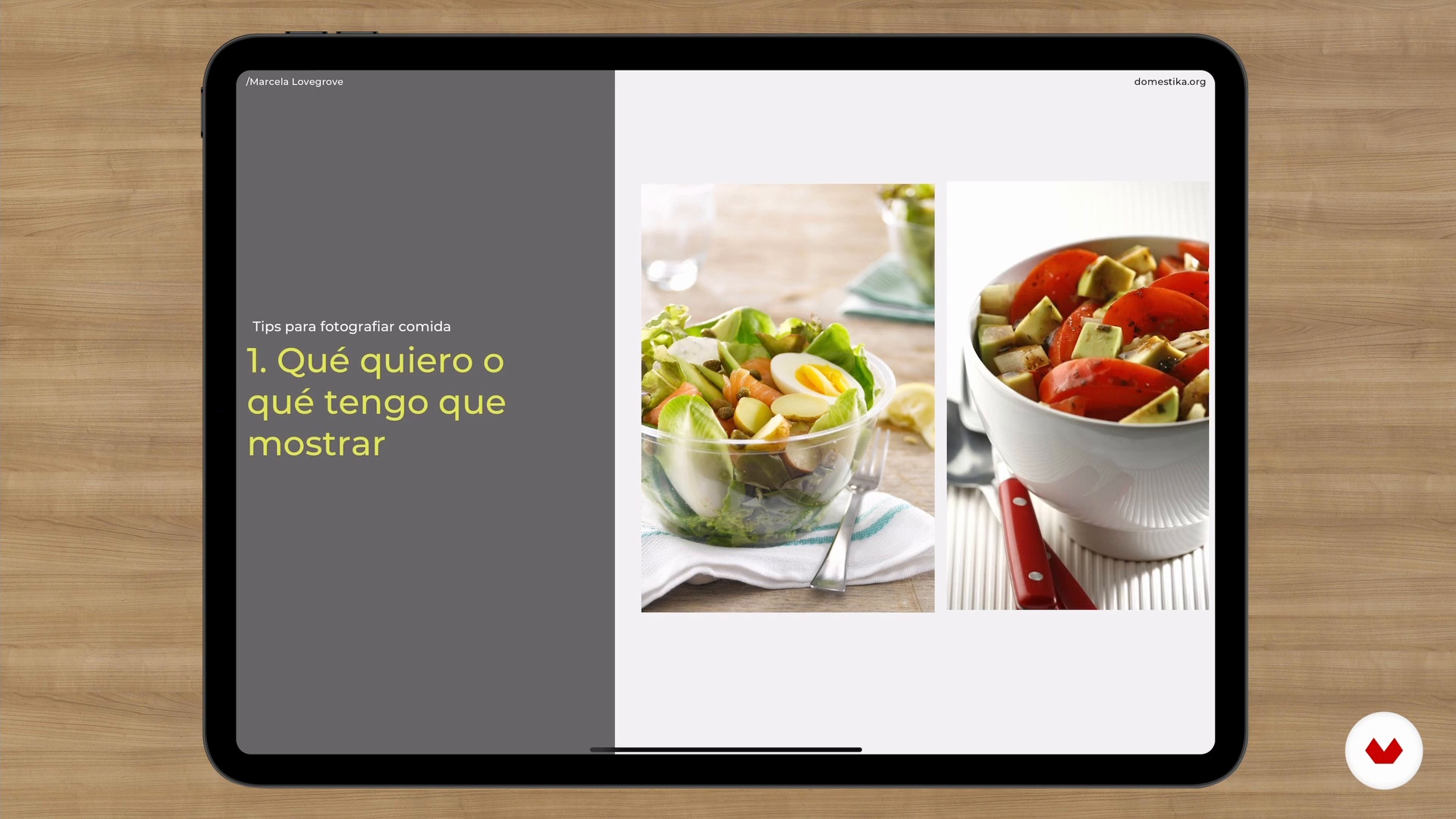
Tips for photographing food
18 minutes, 3 seconds
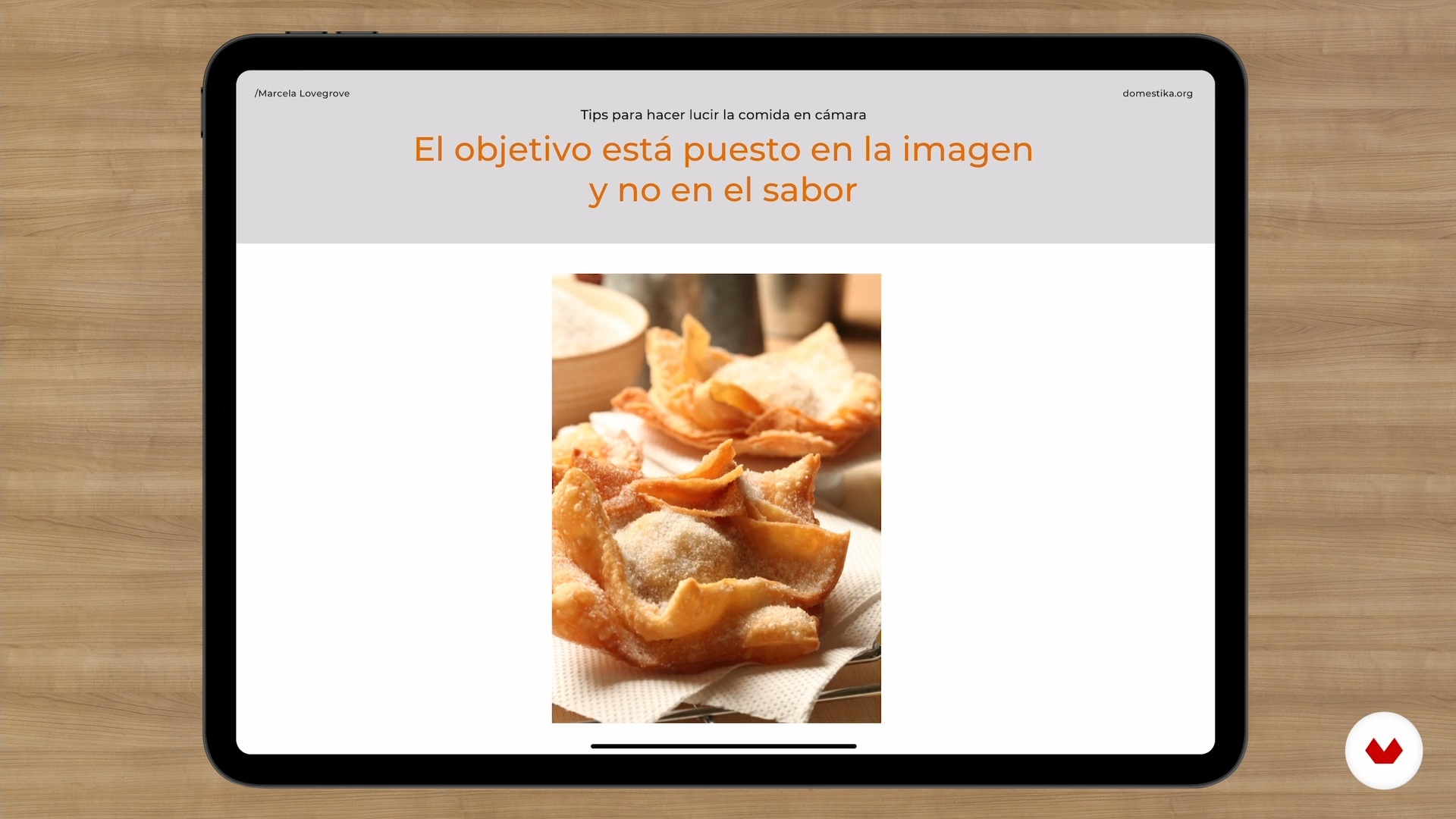
Show off food on camera
10 minutes, 54 seconds
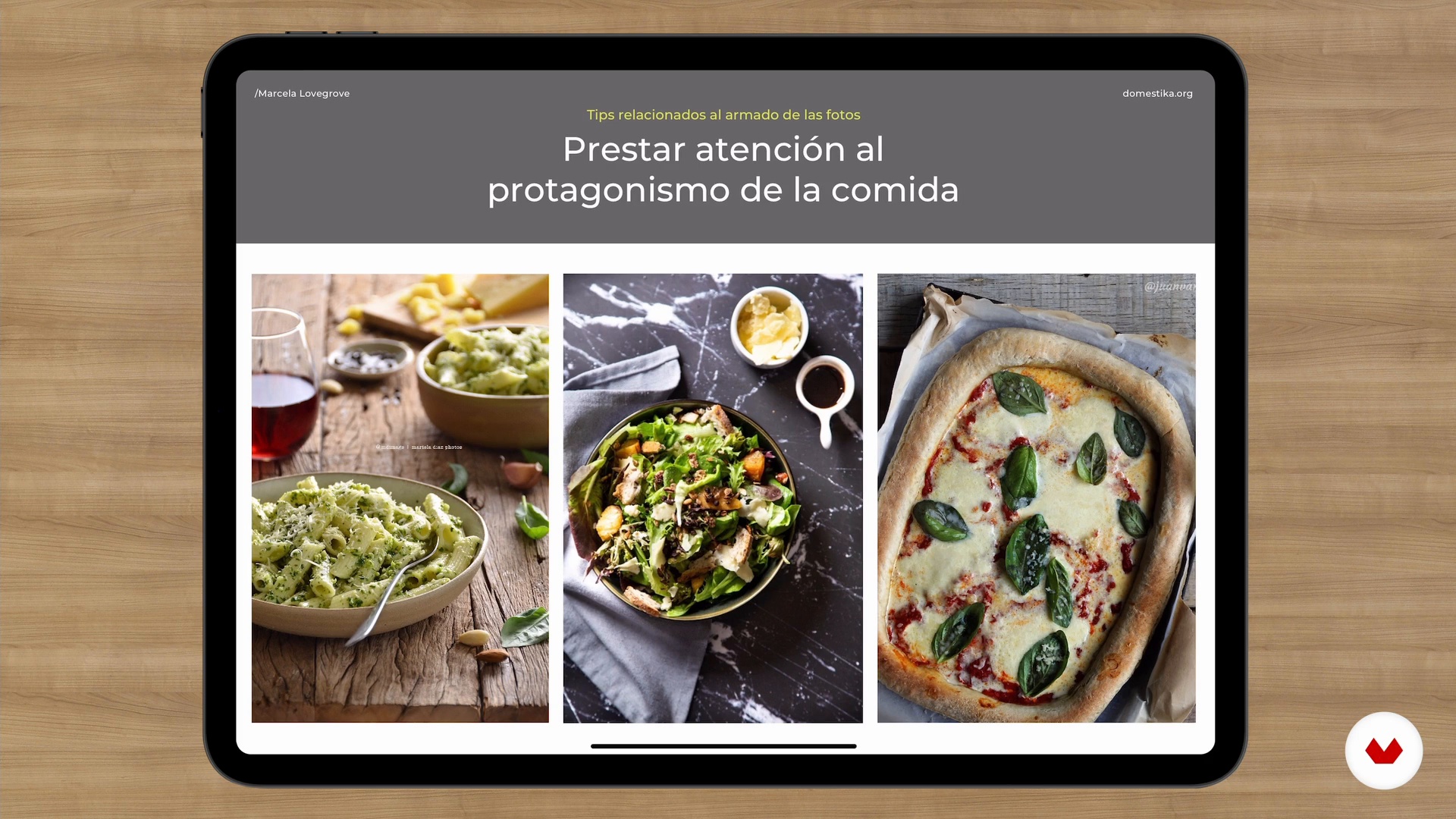
Assembling of the photos
12 minutes, 56 seconds
What's included in this course?
To begin, Marcela Lovegrove introduces herself by telling you how she got started in the industry and how she spent 40 years in the advertising world. She shares what she considers the most important aspects of the profession and also some influences that have impacted her creative path.
There is a lot of confusion about what food styling is, so your teacher explains why it's not just about knowing how to cook or how to work a camera. Next, check out the materials needed to complete your final project.
Learn the basic concepts that you have to keep in mind when taking photos of food, and discover the differences between cooking to eat and cooking for a photo shoot. Marcela also teaches you how to weigh up considerations such as background, colors, and angle.
Then look at how to submit an estimate and organize the pre-production of the shoot for a successful outcome, before putting together a mood board with reference images to define the aesthetic of the images you're going to shoot.
Now let's get to work! Examine the different steps and decisions that are taken in a photo shoot until you get the perfect end result, which must comply with what was agreed upon with the client. Marcela shows you how to work with both natural and artificial light, using different flashes.
What is this course's project?
Take four photographs of two different kinds of food, one savory and one sweet, in which the light, angle, and tableware are varied.
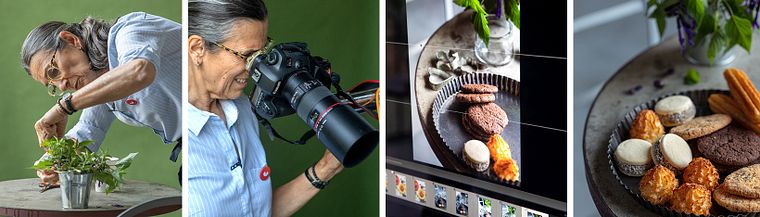
Projects by course students


Who is this online course for?
Anyone who wants to give their culinary images a more professional finish, like photographers, community managers, designers, producers, chefs, etc.
Requirements and materials
No prior knowledge is needed to take this course.
You need a savory and a sweet dish, crockery, cutlery, fabrics, backgrounds, and a professional camera or a phone, but you can always go for the simpler option of using items you already have at your disposal.
Reviews
- 6 months ago
harika bir eğitimdi
- 7 months ago
ok, el curso en mi opinion da una idea de como debe montarse una escena pero debes ya tener conocimiento de fotografia, no habla de la edición es un buen curso
- 7 months ago
o curso é incrivel, e com muito contiudo bom
- 1 year ago
very helpful course, good for food styling beginners.
- 1 year ago
El curso es excelente y Marcela una profesional de muy alto nivel. Gracias!

After so many years of hard work, she decided to dedicate herself to teaching and, since 2013, her main focus has been her courses and workshops where she shares all her experience and knowledge. She also has four seasons of her own TV show Recetas de Familia on the El Gourmet channel.
Content
- U1
Introduction
- About Me
- Influences
- U2
Introduction to Food Styling
- What is Food Styling?
- Basic work kit
- Project needs
- U3
Basic knowledge
- Tips for photographing food
- Show off food on camera
- Assembling of the photos
- U4
Budgets and production
- Budgets
- Preproduction
- Mood Board
- U5
Photoshoot
- Pasta with natural light 1
- Pasta with natural light 2
- Fash pasta
- Cookies with natural light
- Flash cookies
- Final photos
- FP
Final project
- Professional Food Styling: Light, Angle, and Tableware
What to expect from a Domestika course
Learn at your own pace
Enjoy learning from home without a set schedule and with an easy-to-follow method. You set your own pace.
Learn from the best professionals
Learn valuable methods and techniques explained by top experts in the creative sector.
Meet expert teachers
Each expert teaches what they do best, with clear guidelines, true passion, and professional insight in every lesson.
Certificates
PLUSIf you're a Plus member, get a custom certificate signed by your teacher for every course. Share it on your portfolio, social media, or wherever you like.
Get front-row seats
Videos of the highest quality, so you don't miss a single detail. With unlimited access, you can watch them as many times as you need to perfect your technique.
Share knowledge and ideas
Ask questions, request feedback, or offer solutions. Share your learning experience with other students in the community who are as passionate about creativity as you are.
Connect with a global creative community
The community is home to millions of people from around the world who are curious and passionate about exploring and expressing their creativity.
Watch professionally produced courses
Domestika curates its teacher roster and produces every course in-house to ensure a high-quality online learning experience.
FAQs
Food styling is the artful preparation and presentation of food for photography, film, or advertising. Its goal is to make food look appealing and delicious in images, enhancing the visual and commercial impact of culinary products.
This is an intermediate-level course, perfect for those who already have basic knowledge of gastronomy, photography, or food styling and want to refine professional techniques and concepts.
You’ll learn professional culinary styling methods, how to select props, plate composition, lighting, visual trends, tricks to keep food looking fresh, and how to collaborate on photo and advertising shoots.
Professional equipment isn’t required, but it’s recommended to have access to a camera, some basic kitchen tools, and props to practice food styling and photography techniques.
It’s helpful to have basic cooking skills, creativity, manual dexterity, and access to kitchen utensils, a camera or smartphone, dishware, and some props to practice your setups.
You’ll learn techniques like using flavorless gelatin, simulating fillings, precise cutting, creating textures, choosing backgrounds, staging scenes, and tricks to maintain food’s shine and color.
The course teaches you how to communicate, plan, and work as a team with photographers, art directors, and clients, adapting visual styles and solving creative challenges in professional shoots.