


Discover the magical world of children's books with Silvia Hijano (Libracos)
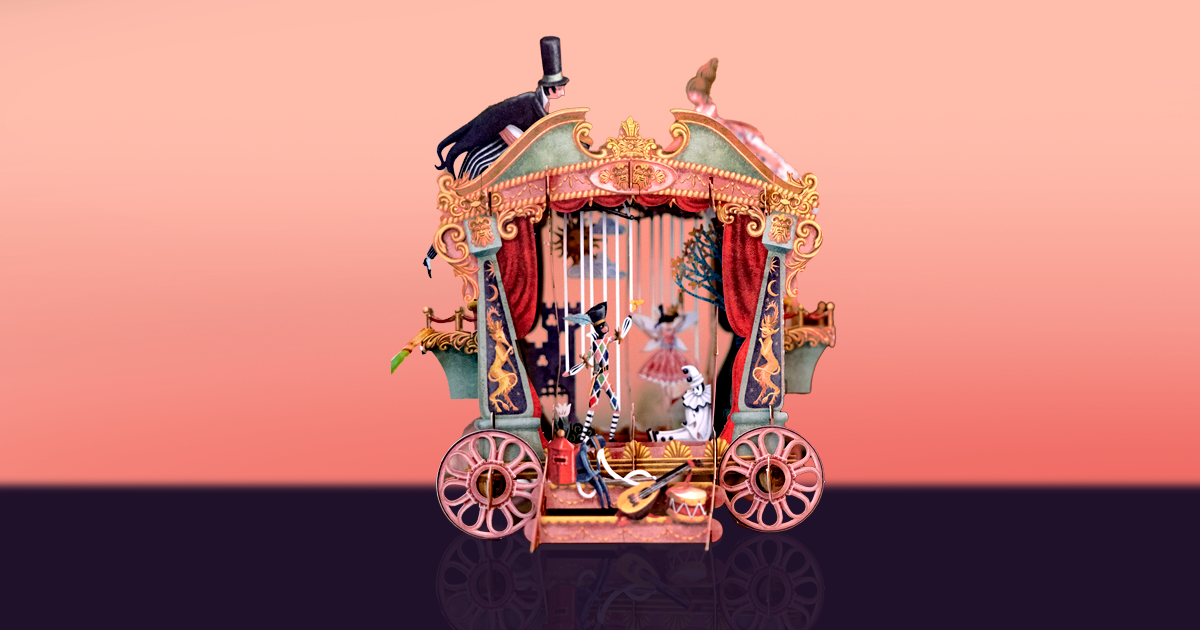
Children's books, enriched with playful elements and simple narratives, are powerful allies in children's learning and development.

One of the wonders of children's literature is its ability to allow children to master language and basic literary forms from an early age. And, when we add a different format that stimulates play, we are in front of a real creative bomb.
In my reflections on the creation of children's books, I cannot overlook the importance of play as a learning tool. The book, omnipresent in our forms of socio-cultural relationships, finds in play a perfect ally. Incorporating play into books is not only a natural evolution, but also turns books into sources of expression that improve psychomotor skills, enhance creativity and create experiences in each of their pages.
How to make books for little reading explorers
A recurring question is how to make books for children who are taking their first steps in reading. Since time immemorial, we have used bright colors and extraordinary formats such as pop-up to capture their attention. However, it is essential not to force children to be more stimulated than necessary.
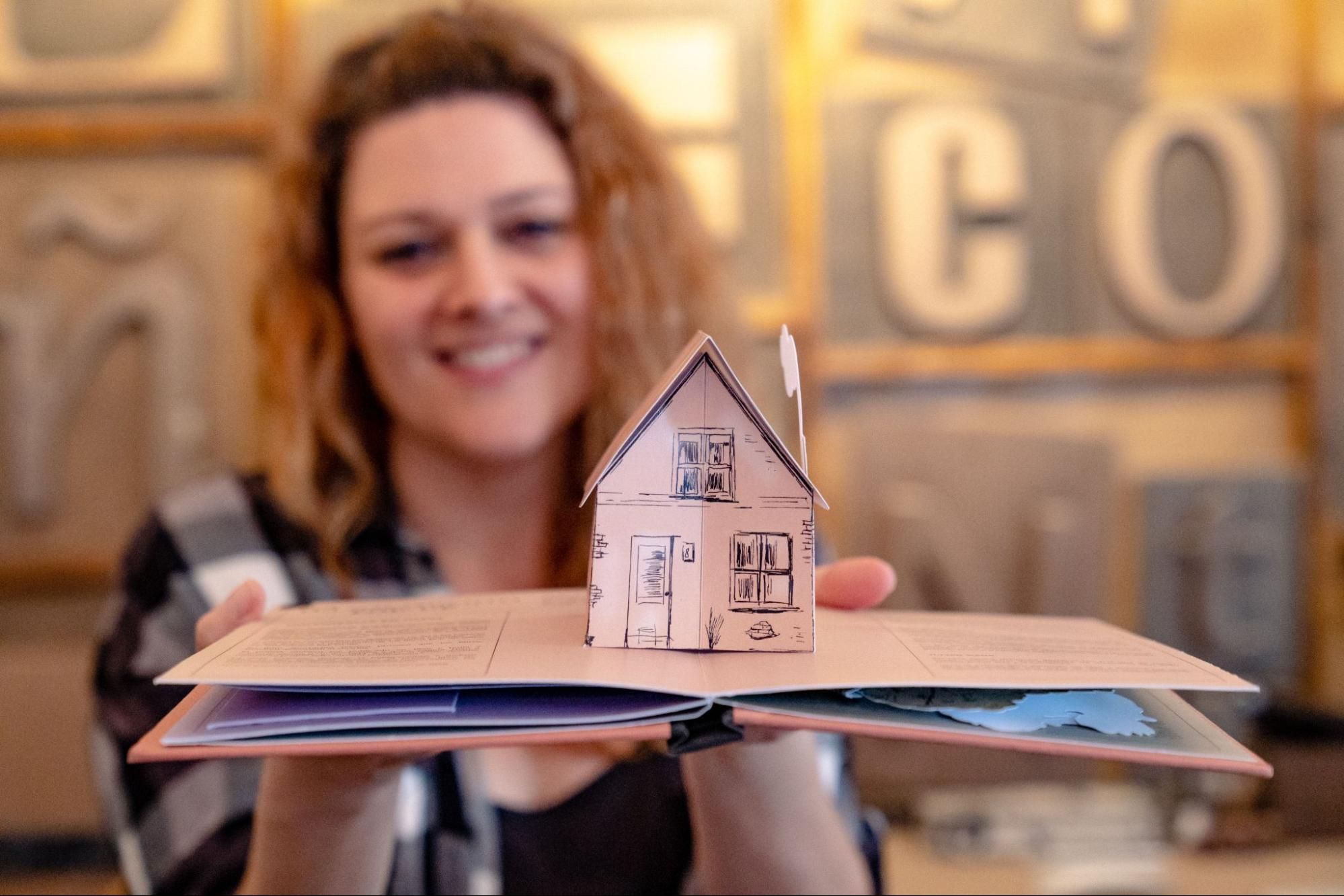
When designing books for young children, the key lies in simplicity of form, allowing the structure to be more complex but still part of their environment. Cube books and house books are ideal for children around the age of three, while horizontal turning mechanisms stimulate younger children without overwhelming them.
The importance of storytelling: narratives that leave a mark
In my Domestika course, "Creating pop-up books for children", I talk about the importance of narrative stories for children. These should be short, respecting the limits of children's concentration and memory. When creating stories, it is advisable to economize in the creation of stories, using few characters, regular patterns of repetition and a concise text, never exceeding two thousand words.
The characters in the stories become part of the child's world and remain in his or her references to reality. Humanized animals are popular because their descriptions are simple, allowing children to relate to them. In addition, studies suggest that children show more interest in fantasy animals than in normal animals, thanks to their ability to assimilate the fantastic as something possible.

Interactive books: developing imagination and connections
As children grow, they need literature that expands their imagination and perspectives of the world around them. This is where books come into their own. By merging the magic of literature with the fun of play, we create an experience that goes beyond the printed words. These books become adventure companions, inviting young readers to explore, touch and actively participate in the narrative. This interactivity not only entertains but also educates, encouraging psychomotor development, fostering creativity and creating unique experiences on every page.
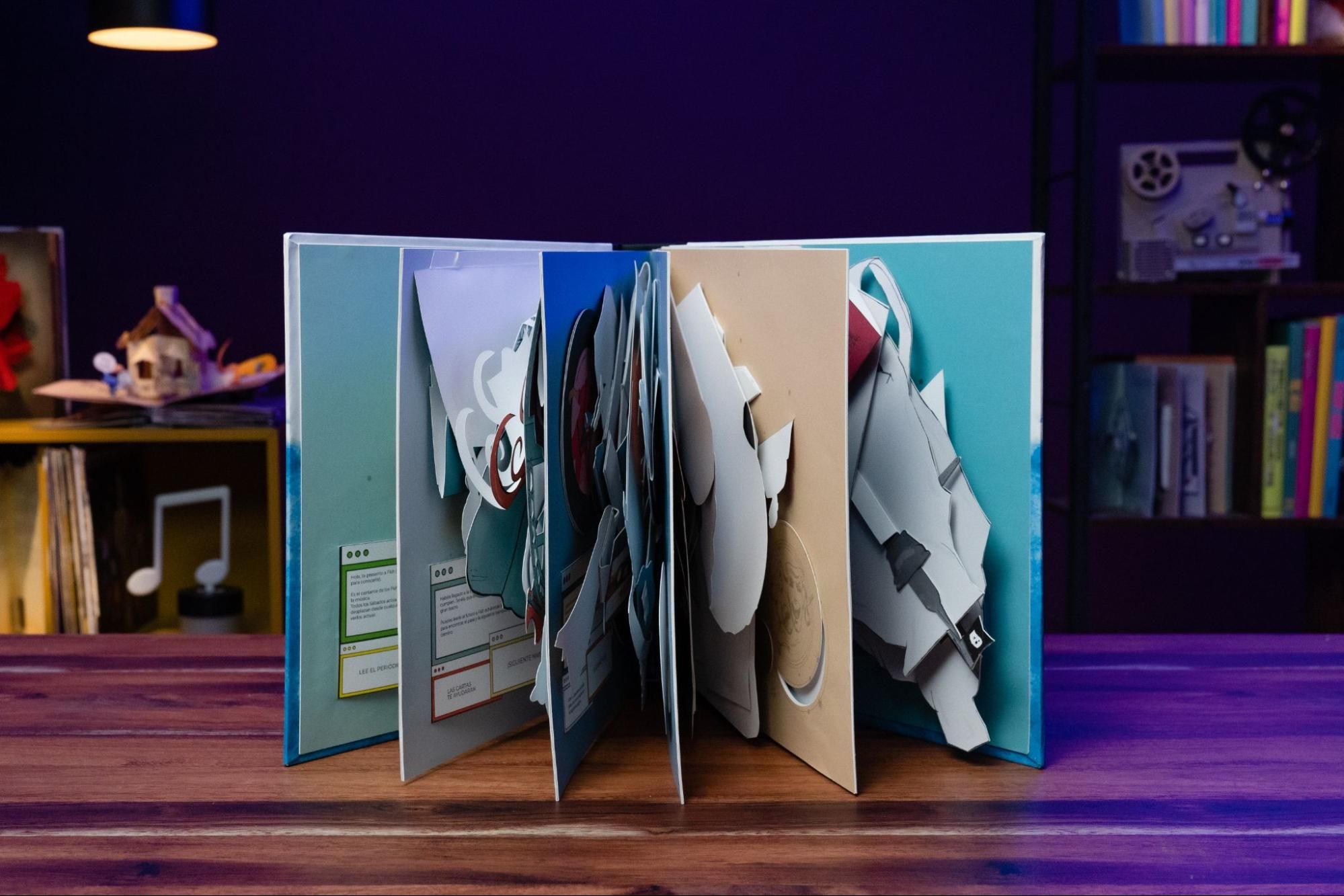
If you want to know more about the importance of storytelling at different ages from the point of view of storytelling, I invite you to download the following file where you will also find a short introduction about movable books and their formats
Join for Free and download
U1-AD1-Children's pop-up booksEN.pdf
And if you want to learn how to develop a pop-up book for children, from conceptualization to construction, understanding the book as a game for the little ones, I invite you to join the community of my course.
Explore the magical world of children's books and let creativity flourish!



0 comments