


Essential Materials for Cross-Stitch
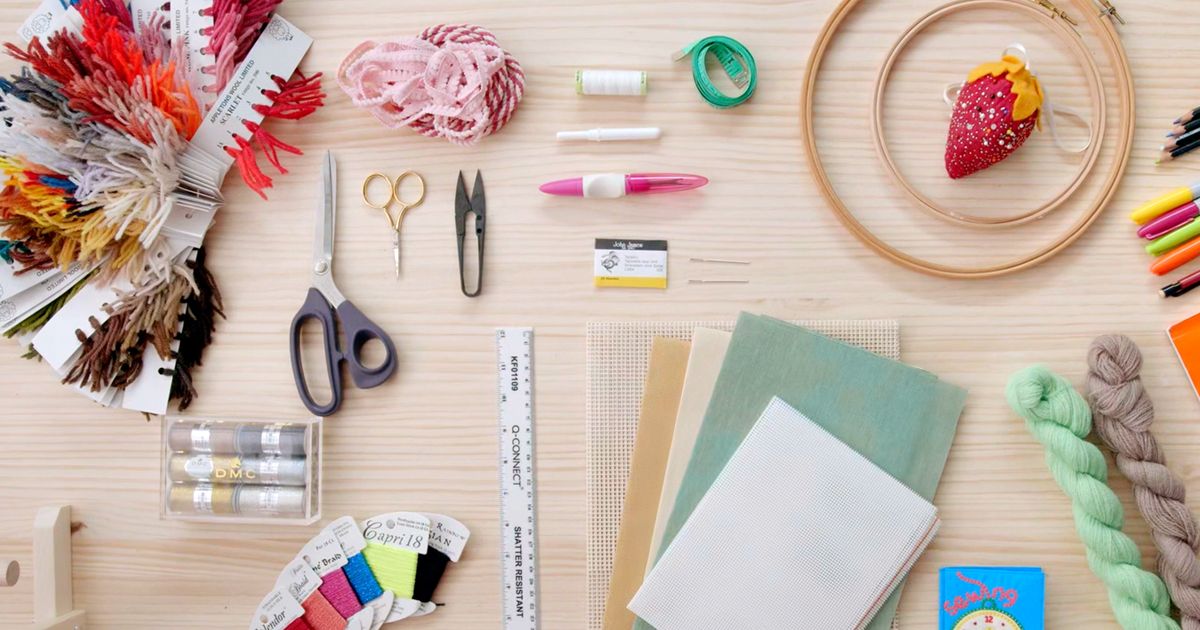
Discover the materials you need to cross-stitch, from the basics to the full kit, with Emily Peacock
With a background in graphic design, cross-stitch creative Emily Peacock (emilyp) creates bold and unforgettable graphic cross-stitch work. She was named designer of the year during the first National Needlecraft awards and has collaborated with brands such as Liberty of London, DMC, and Appletons.
In this tutorial, she talks us through the materials you’ll need to get started in cross-stitching and shares tips for how to develop your kit as you go.
Watch the video!

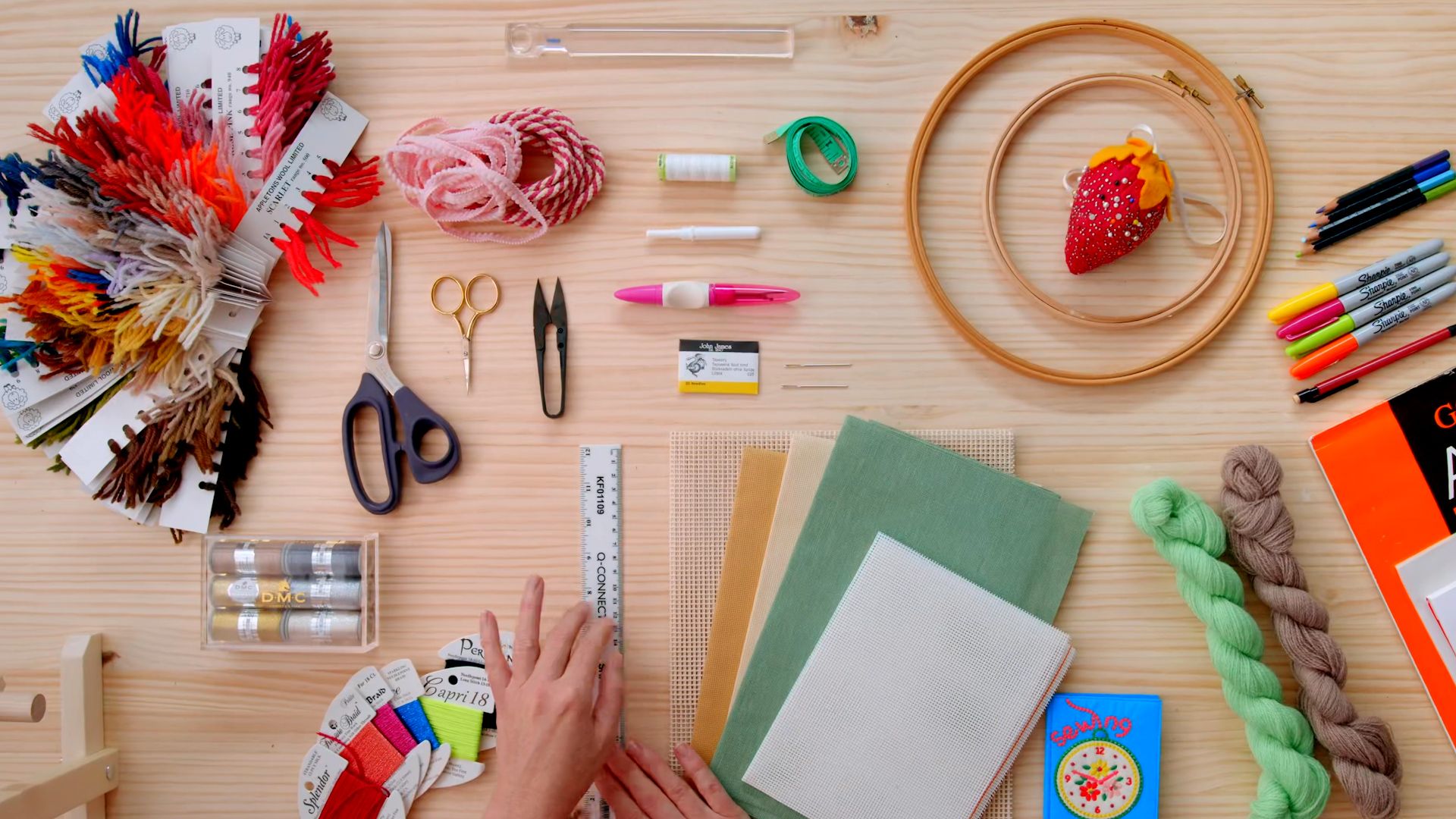
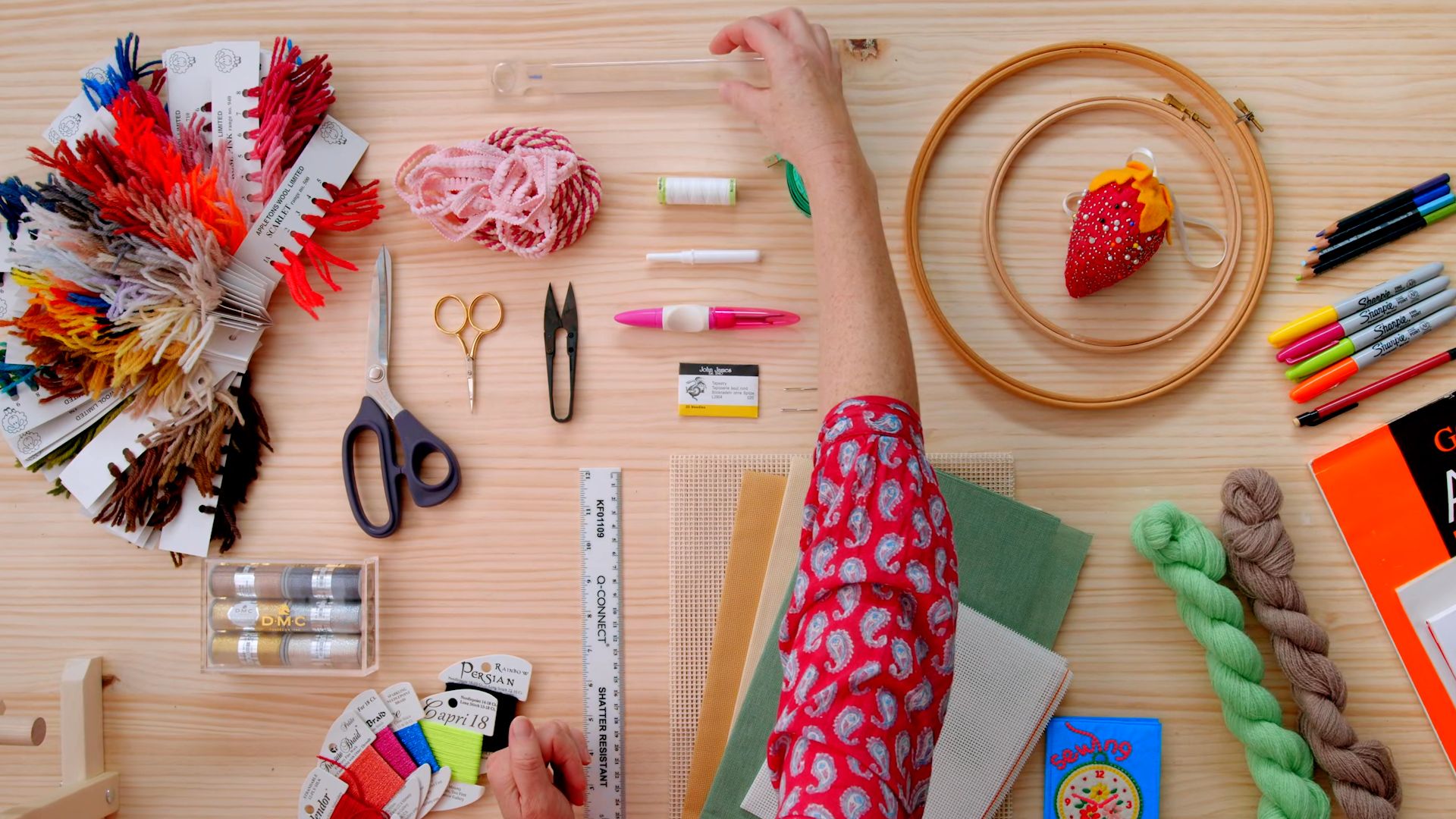
1. Thread, Needle, Fabric, and a Hoop
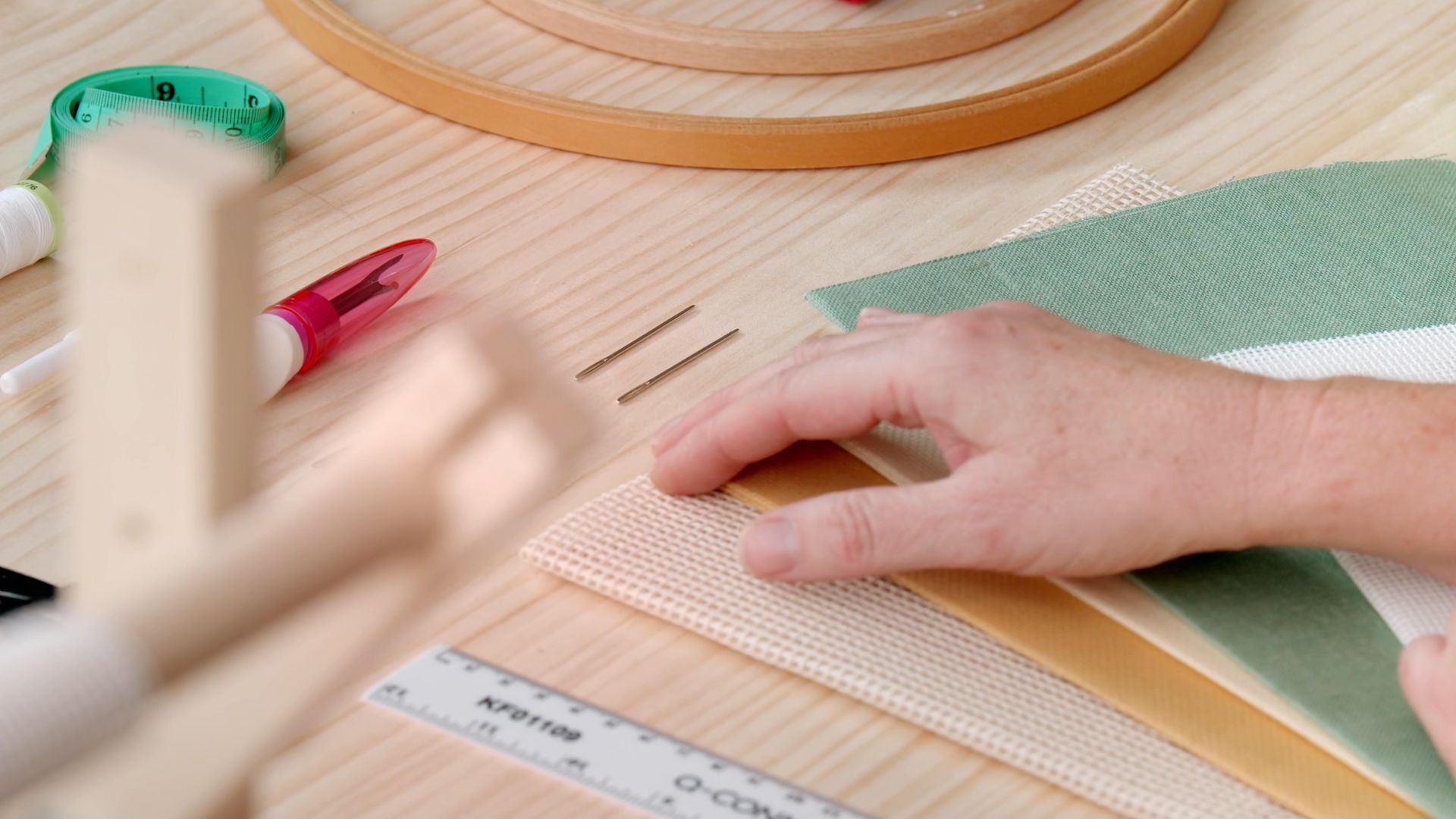
To get started, all you need is thread, fabric, and a needle. You can use an array of threads made from material like silk or cotton, and the size of your needle will vary depending on what thread you use. If you use a heavy fabric you’ll need a bigger needle that is strong enough to get through the fabric without snapping.
Emily uses canvas fabric with wool thread and tapestry needles, and she also recommends using a hoop if your fabric is large enough since it will help keep the design tight.
2. Scissors, Snips, and Seam Rippers
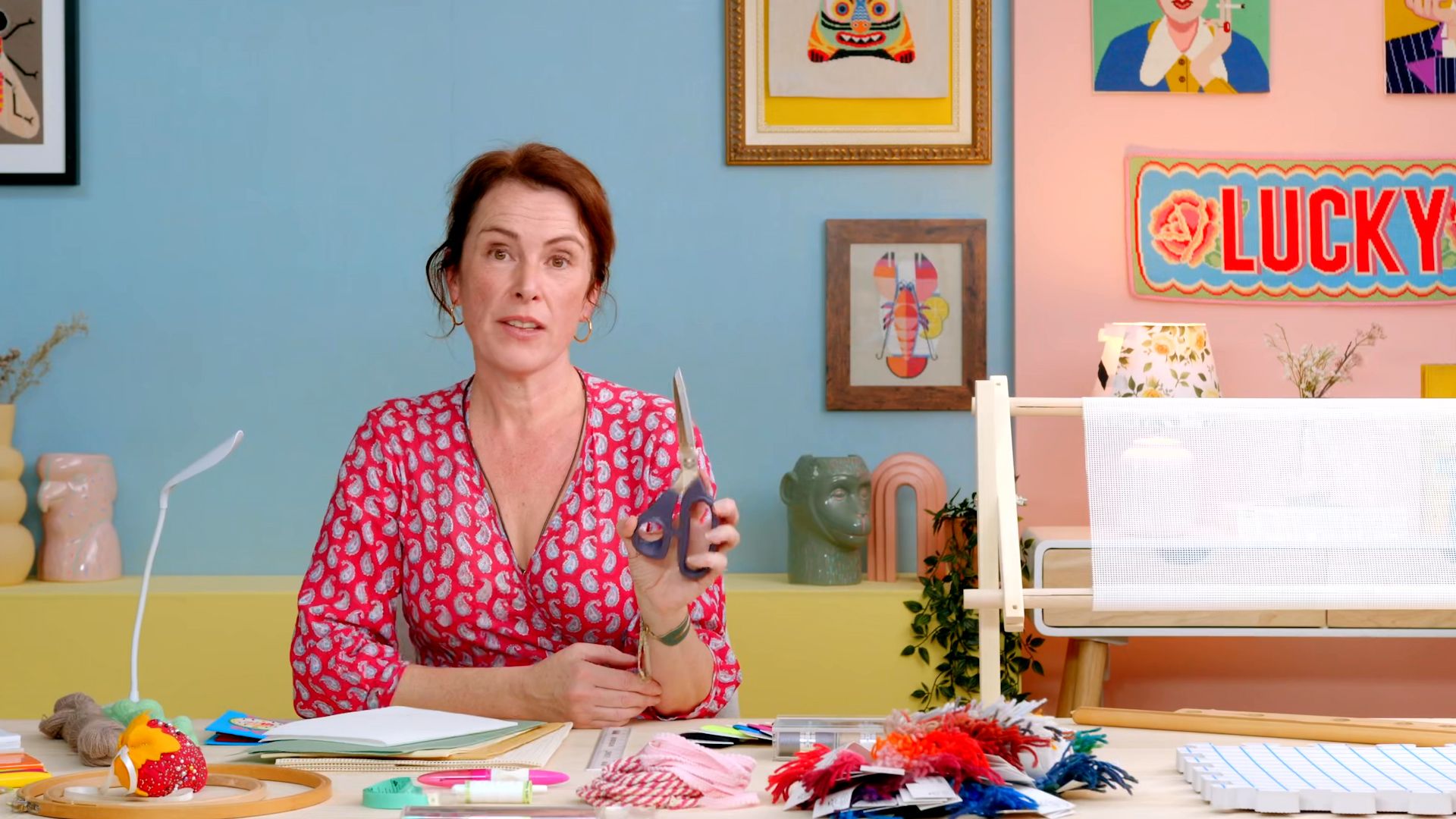
If you decide to invest in a pair of dressmaker scissors, be careful with them as they’re delicate. These are good for general use but if you need to cut shorter thread, or thread in tricky to reach spots, then she recommends using snips.
Even those who have been cross stitching for a long time make mistakes with thread placement, but luckily seam rippers will save the day! You can undo mistakes using a seam ripper, just make sure you don’t damage your fabric.
3. Paper and Pencils
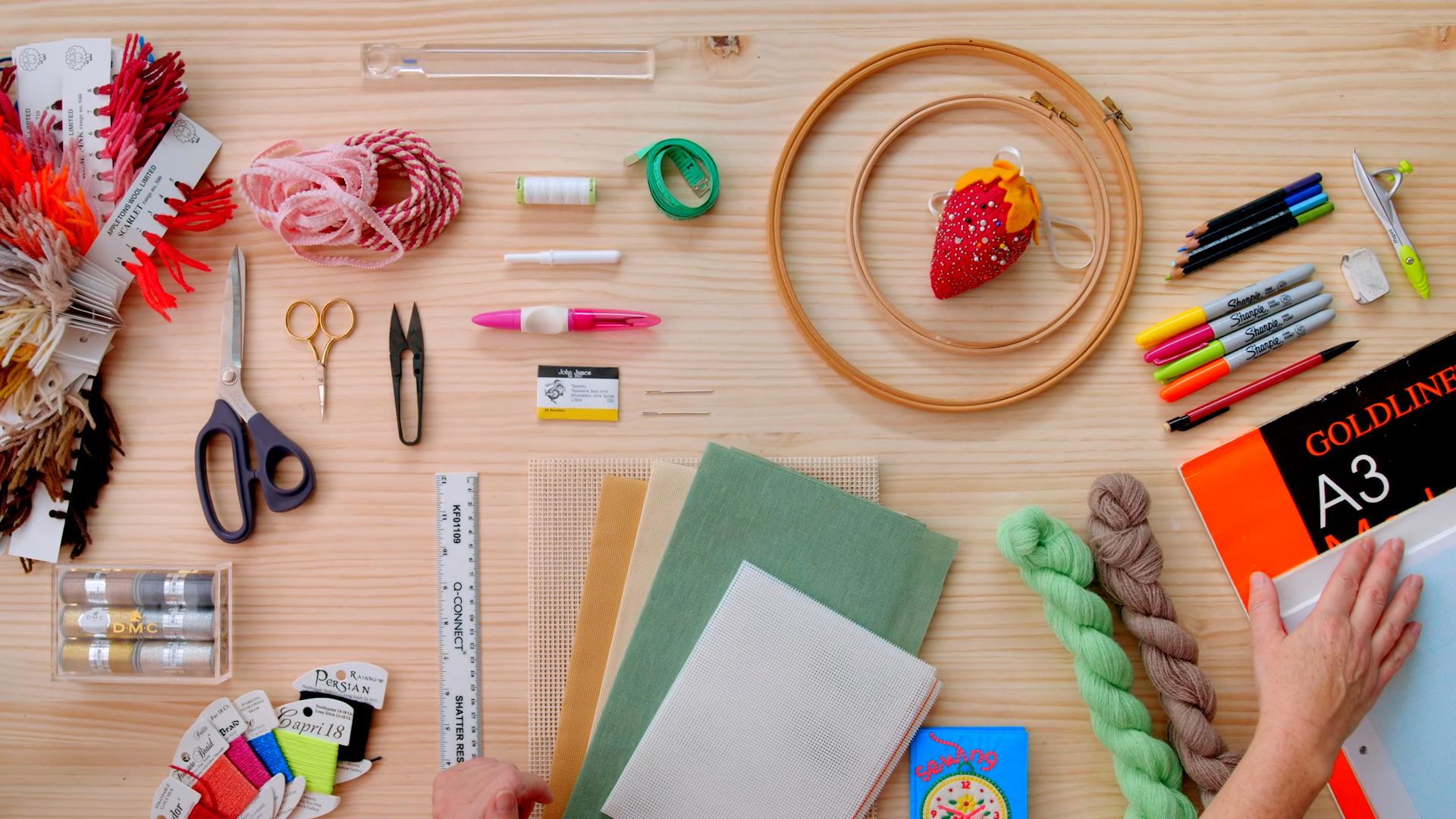
Emily uses thin paper for her patterns as she finds that this works really well as tracing paper, but this is obviously down to personal preference. Pencils are needed to sketch out your design and colored crayons can help you bring your design to life and get an idea of what color thread you’d like to use where.
4. Ruler and Compass
If you’re adding shapes to your design, you can make sure these are precise by using a ruler and a compass. Precise shapes will make the lines on your cross-stitch pattern appear cleaner and bolder.
5. Glasses, Magnifying Glass, and Lighting
Cross-stitch is detailed work, so make sure you protect your eyes to prevent eye strain by wearing glasses if you need them. A magnifying glass can also come in handy to zoom in on tiny threads. Daytime is the ideal time to do your cross-stitch work because you can take advantage of natural light, but if you’re more of a night owl, then a good lamp is a great investment.
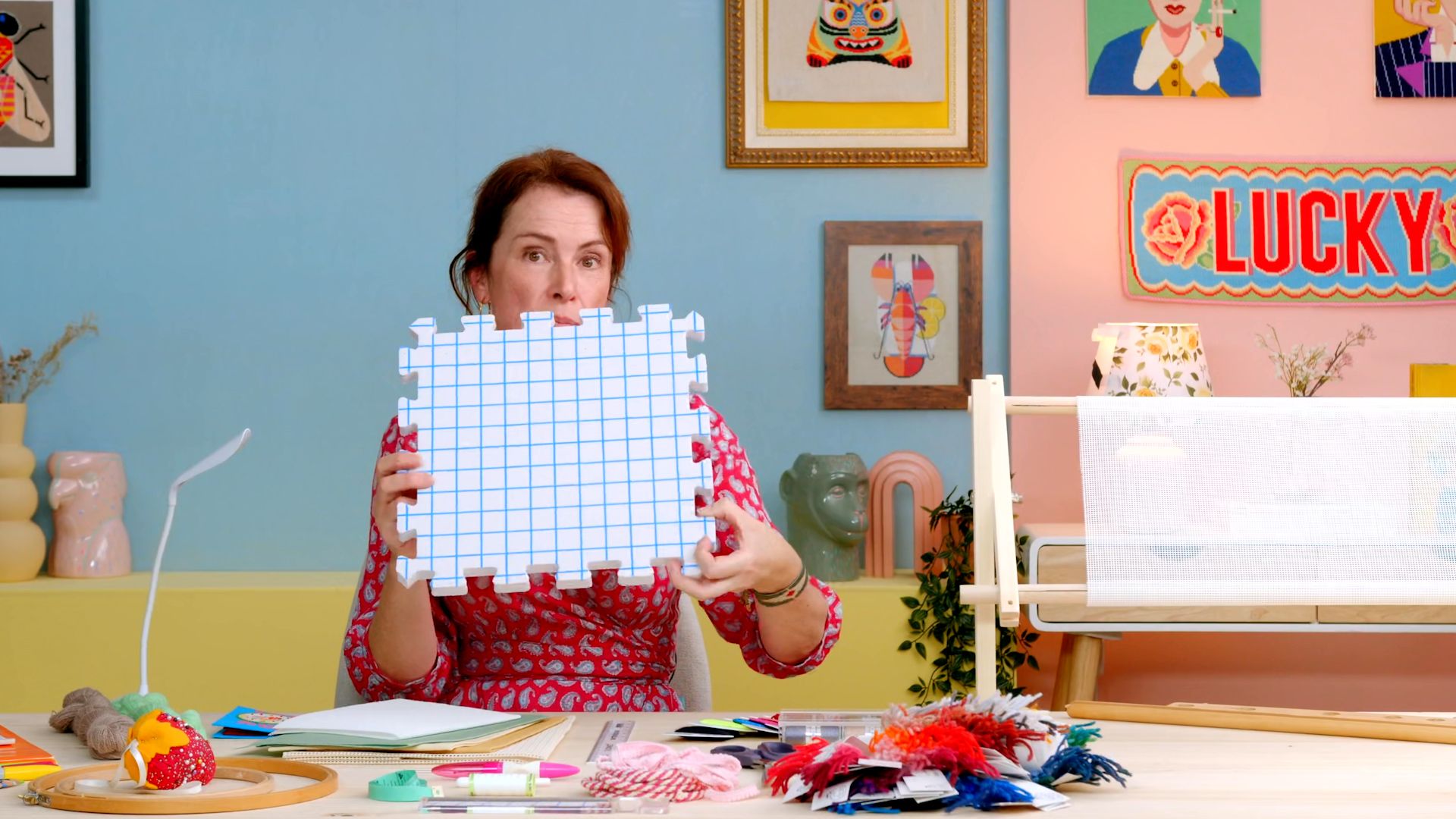
6. Blocking Board
You might find that when your work’s finished, it is slightly wonky and needs straightening out or pulling. A blocking board is really good for this as it will help to reshape your work without over stretching it.
Liked Emily’s recommendations for materials? Learn how to draw, chart, and stitch your own handcrafted portrait from scratch on her course Cross-Stitch Portrait Creation
You may also like:
- Introduction to Contemporary Cross Stitch
- Basic Techniques for Embroidering Letters
- Realistic Embroidery Techniques


+0 Kommentare