


@ntams
Basic Materials for Textile Painting
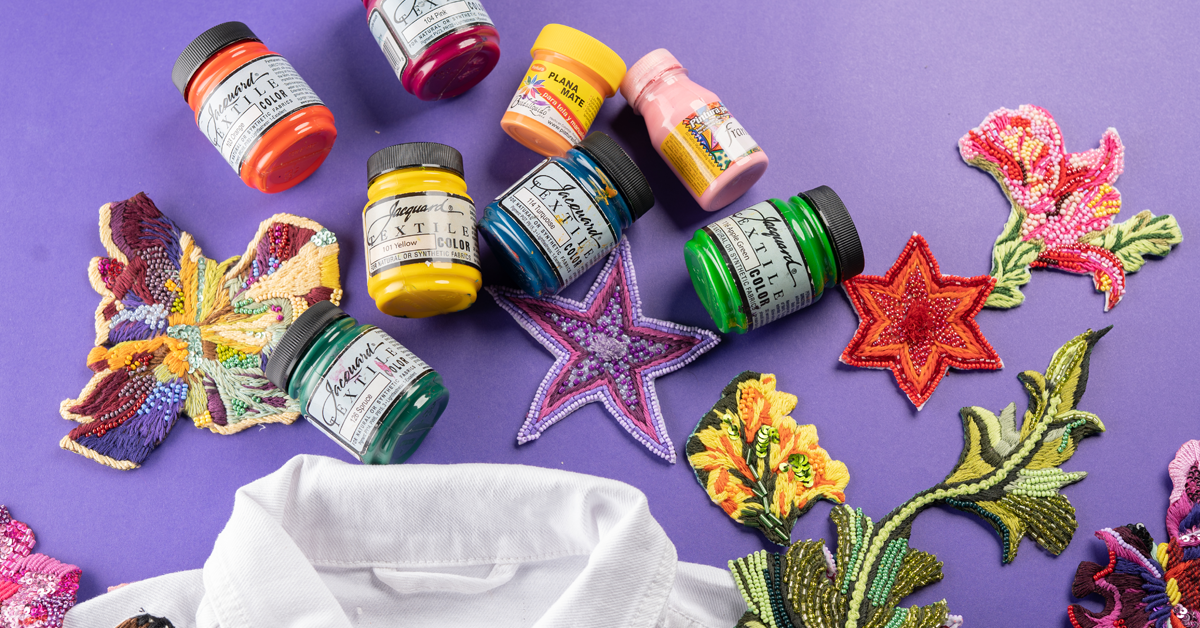
Find out what materials are needed to start creating unique pieces painted on fabric
Like it or not, the way we dress reveals a lot about us. It is a way of positioning ourselves, of showing, even in silence, our references and passions. And, for those who value originality, nothing better than a personalized garment that sets them apart immediately, right?
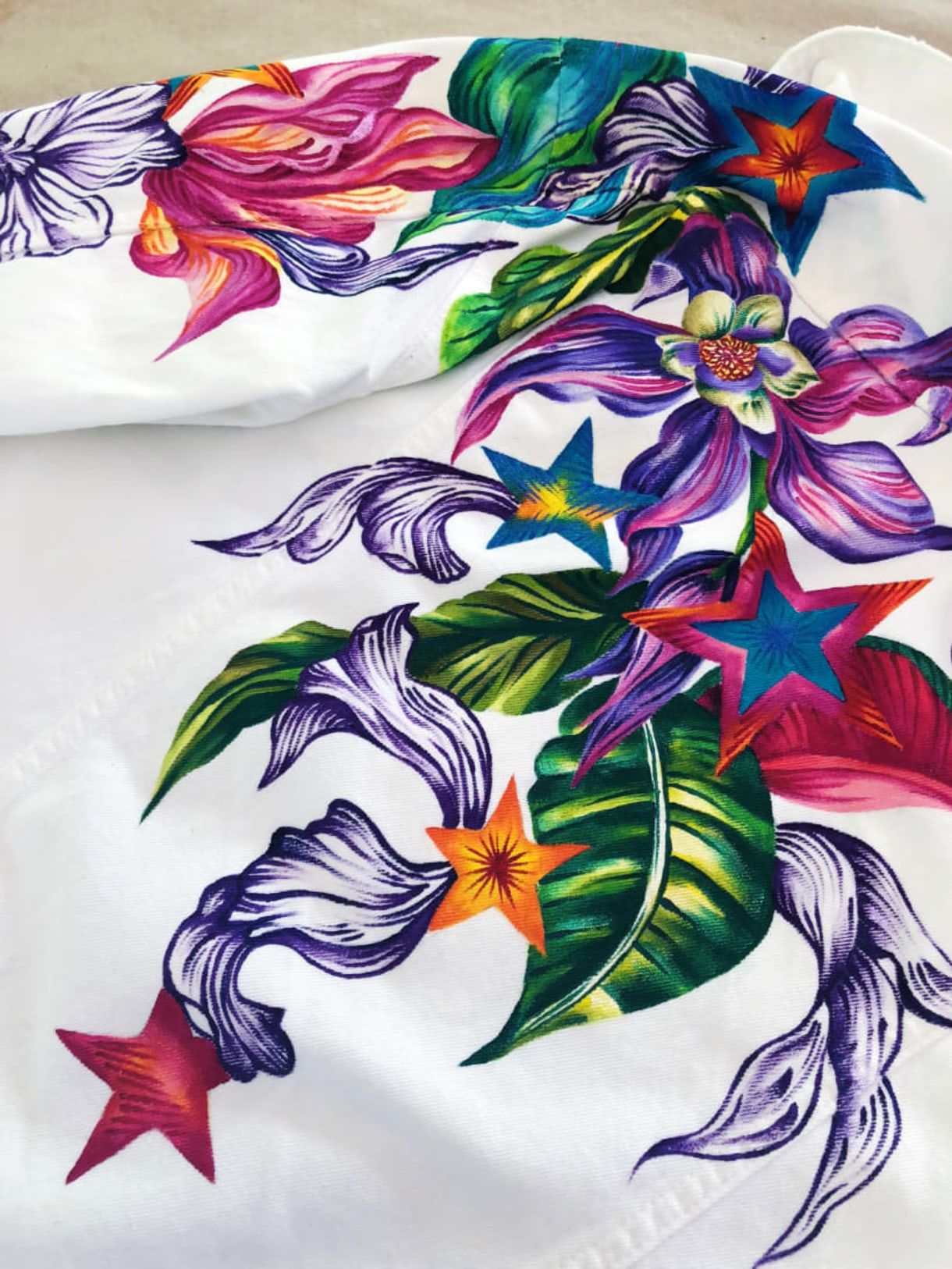
Painting on canvas is one of the best ways to achieve this effect. Check below the list that specialist Ana María Restrepo (@anamaria_10), designer and textile artist behind the Amarpo brand, who has collaborated with brands with Levi's or Andres Pajon, prepared with the basic materials for those who want to start in the world of textile painting.
Painting
Ana María recommends the Jacquard brand. It is known throughout the world and has a great variety of shades, thicknesses and finishes.
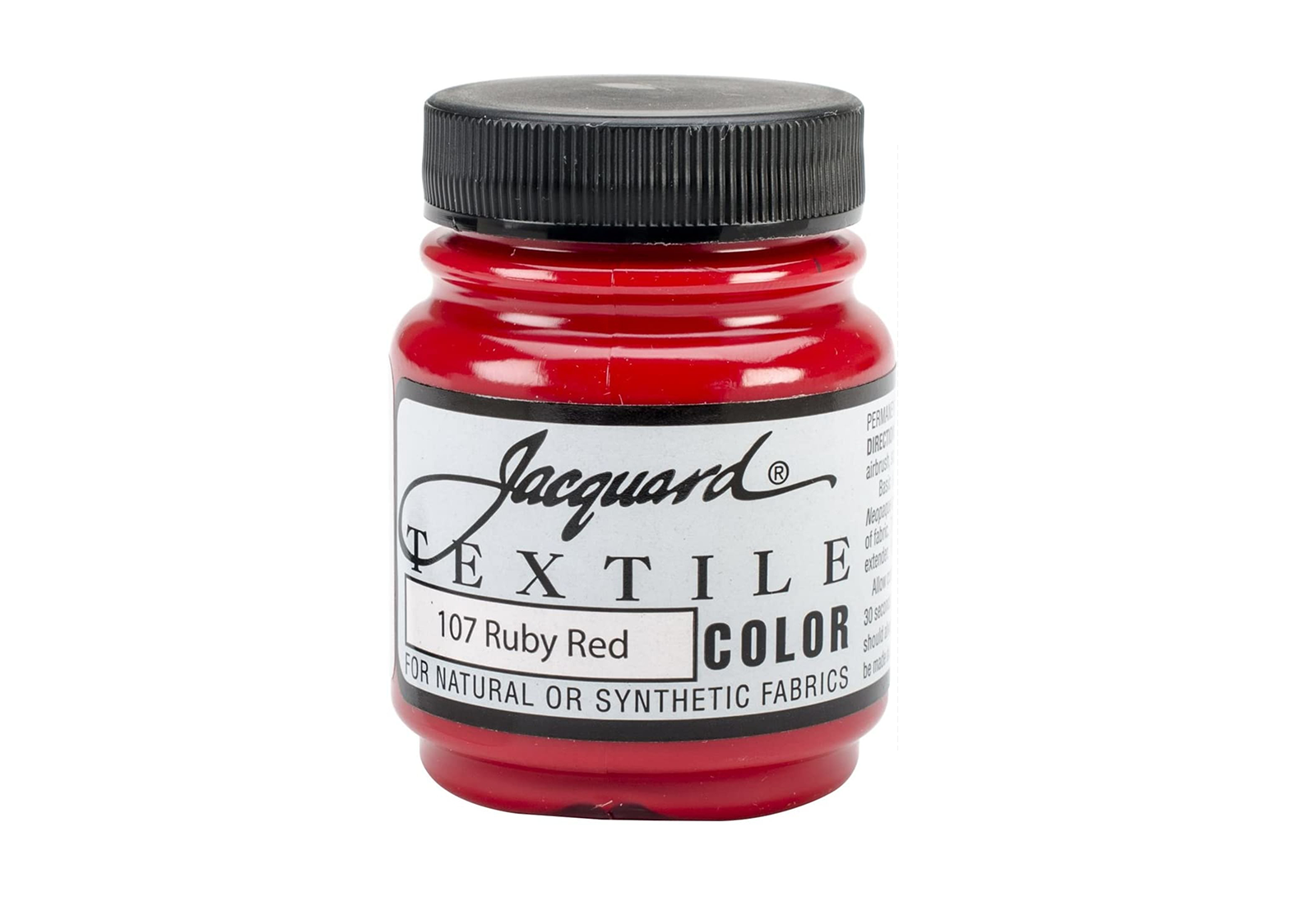
The brand also has an iridescent line, Lumiere, which can make the colors of your work brighter and more prominent.
The advice, in fact, is to combine several brands, since the variety of densities helps the paint have a more interesting mix.

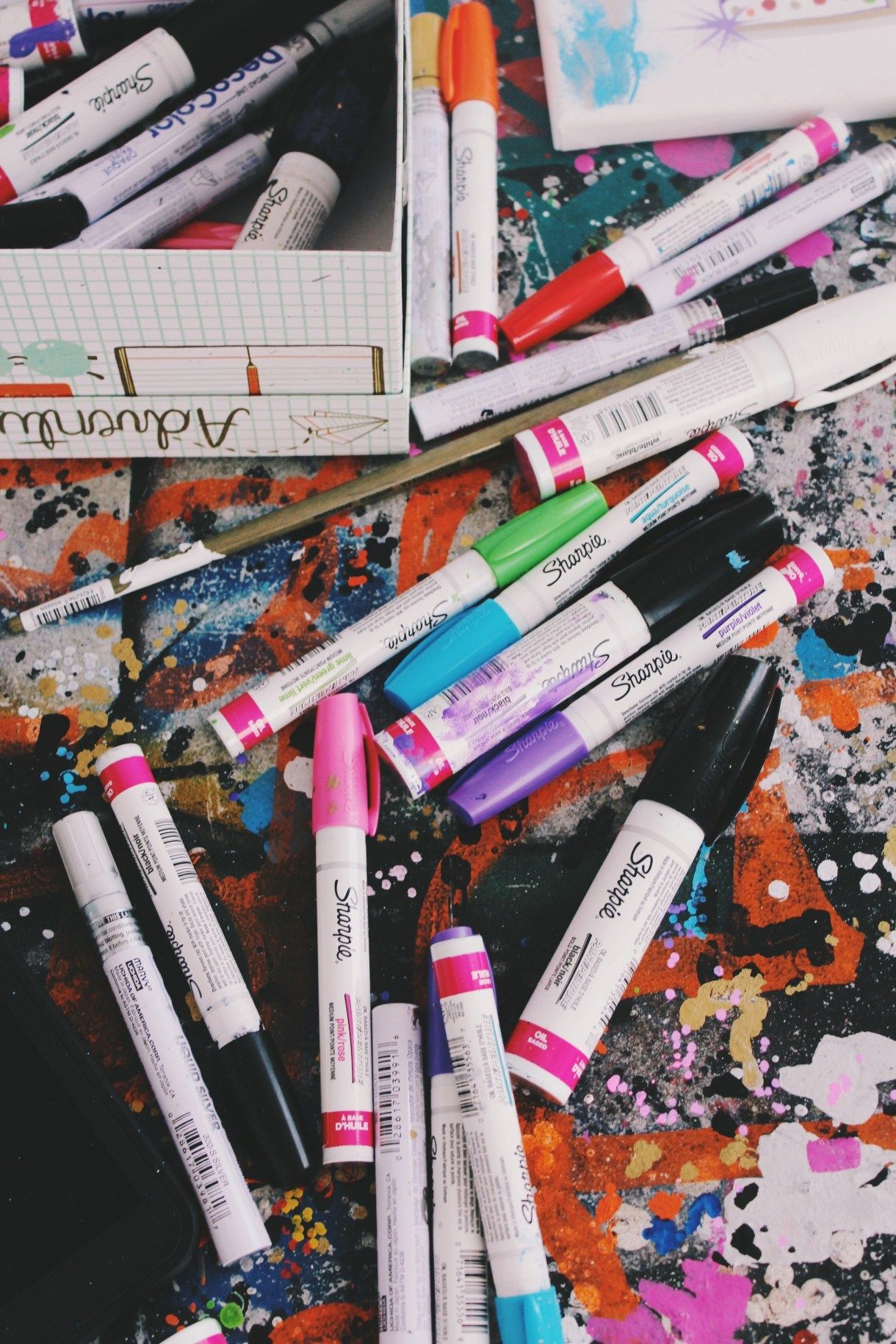
Fabric markers
It is an optional material. They can be replaced by fine brushes. However, Ana María suggests their use, as they can add many details to your creation.
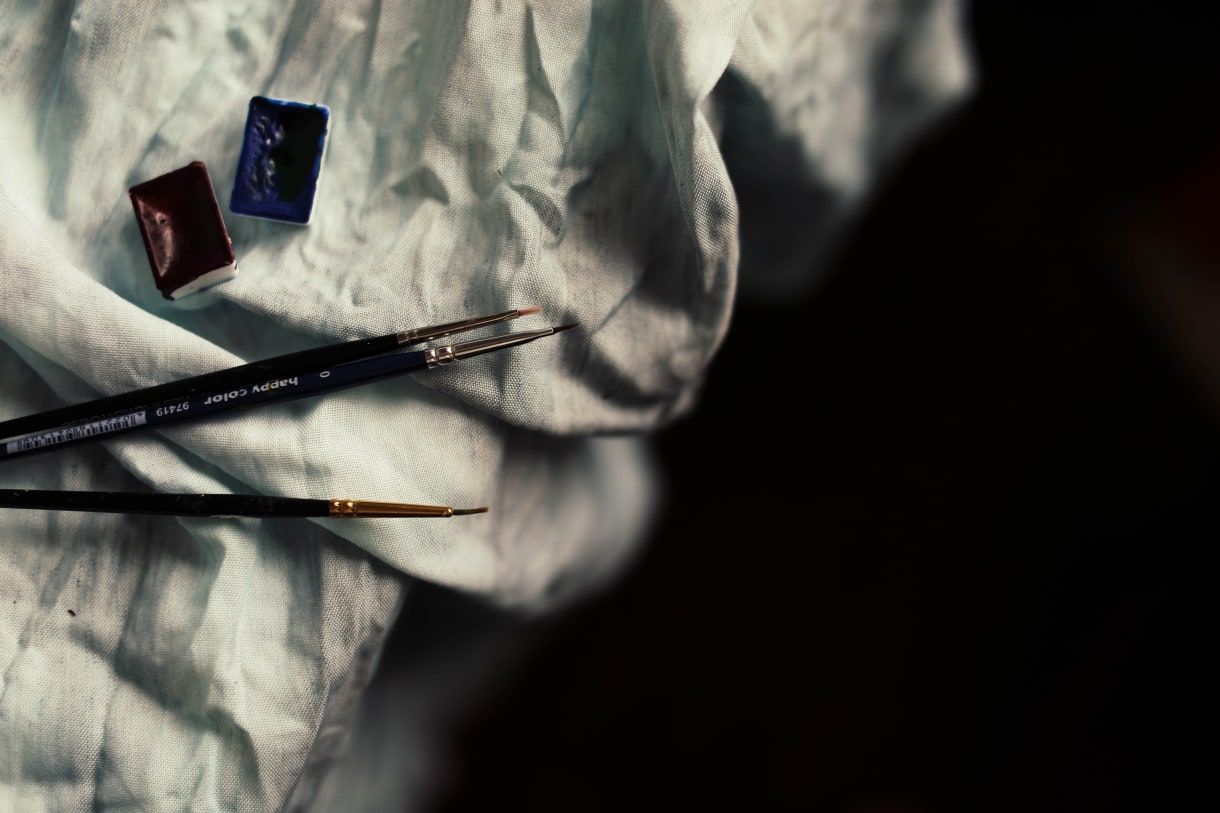
Brushes
She prefers medium and thin thicknesses. She avoids large brushes as they make it difficult to work on details, as well as stiff bristles that scratch the paint.
Ana María's favorite brush has diagonal bristles, which makes the shading and lighting process much more effective.
Remember: the finer the brush, the greater its ability to handle delicate work.
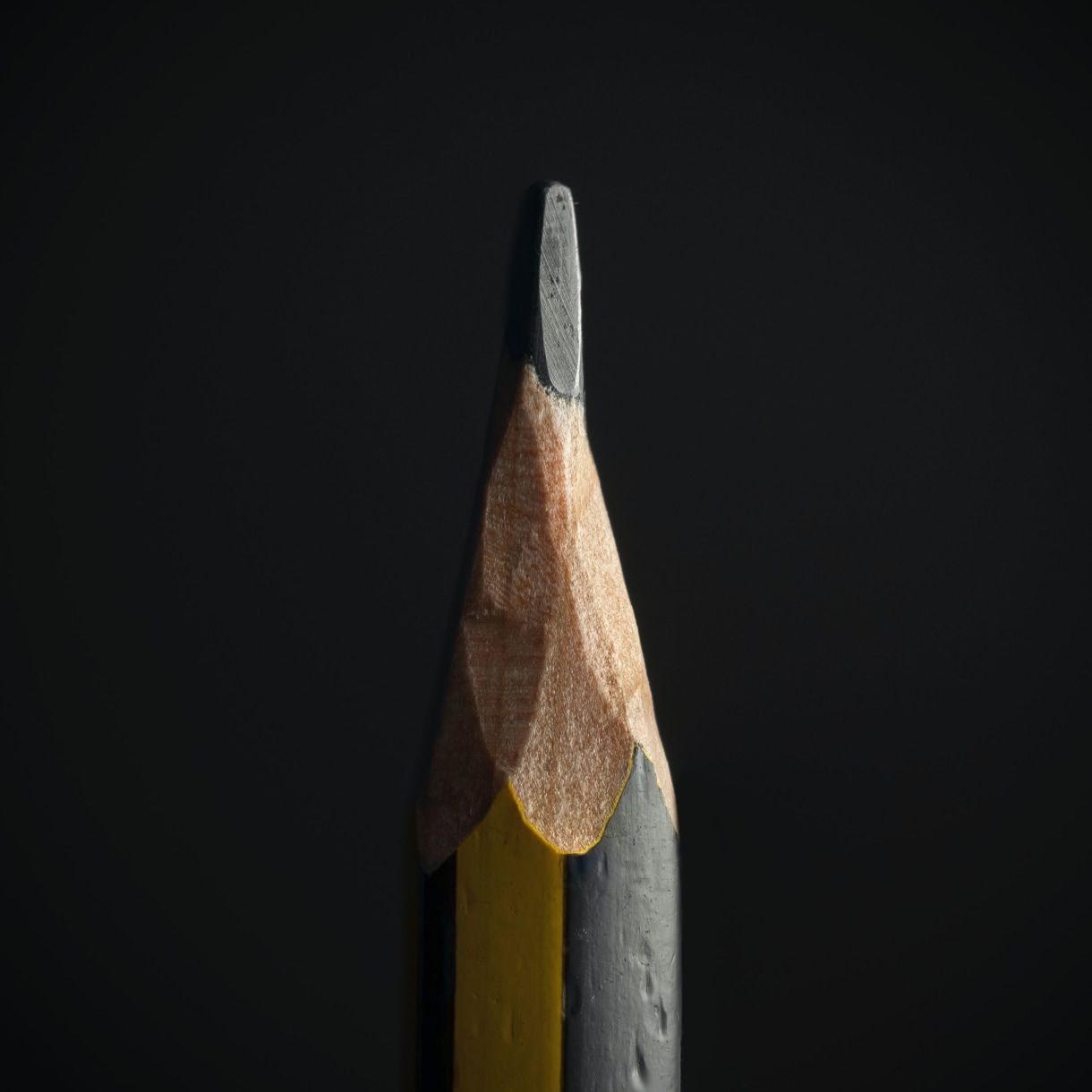
Pencils
Use the hard ones. In general, a B pencil is preferable. If you use a very soft pencil, it can stain the clothes you are painting.
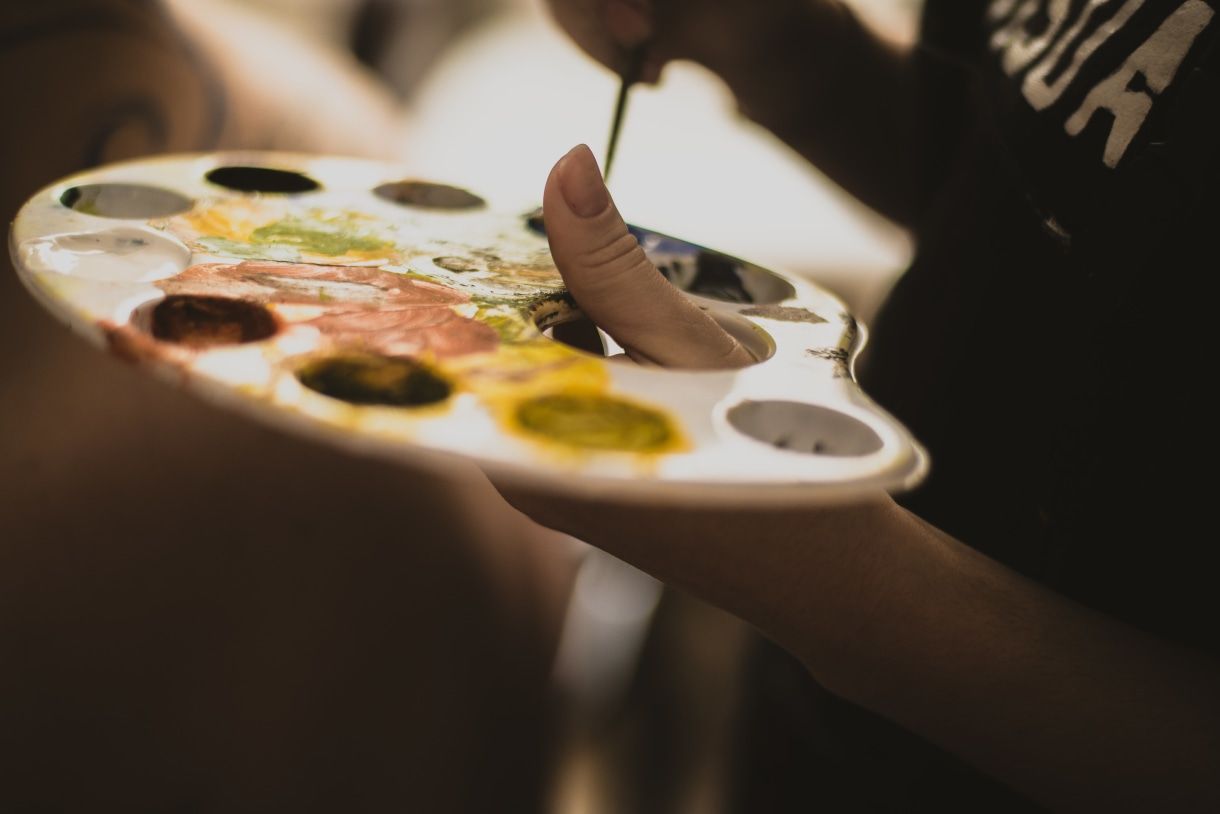
Paint palette
Use it to match the colors. Look for plastic ones (as paper and cloth ones generally absorb ink).
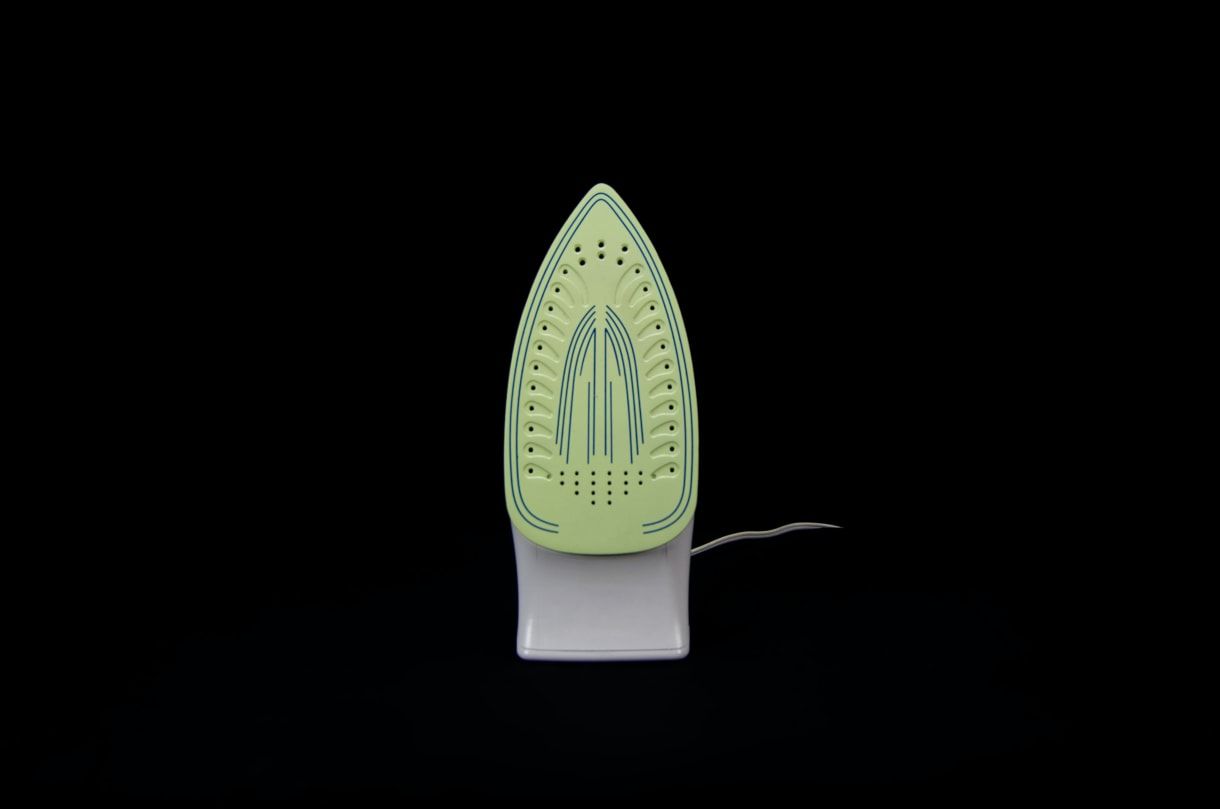
Iron
It is used in the finishing process. Its job is to fix the ink on the fabric.
Did you like this list? Then sign up for Ana María Restrepo's course, Fashion Design: Painting and Embroidering Garments, in which, in addition to knowing the principles of painting on fabric, you will also learn embroidery techniques to create personalized and unique pieces.
English version by @inuin.
You may also be interested in:
- How to Make a Droplet with Needle Felting.
- What is Macramé?
- Materials: Paper Flowers.


1 comentariu