


Design with Python: A Fusion of Art and Technology
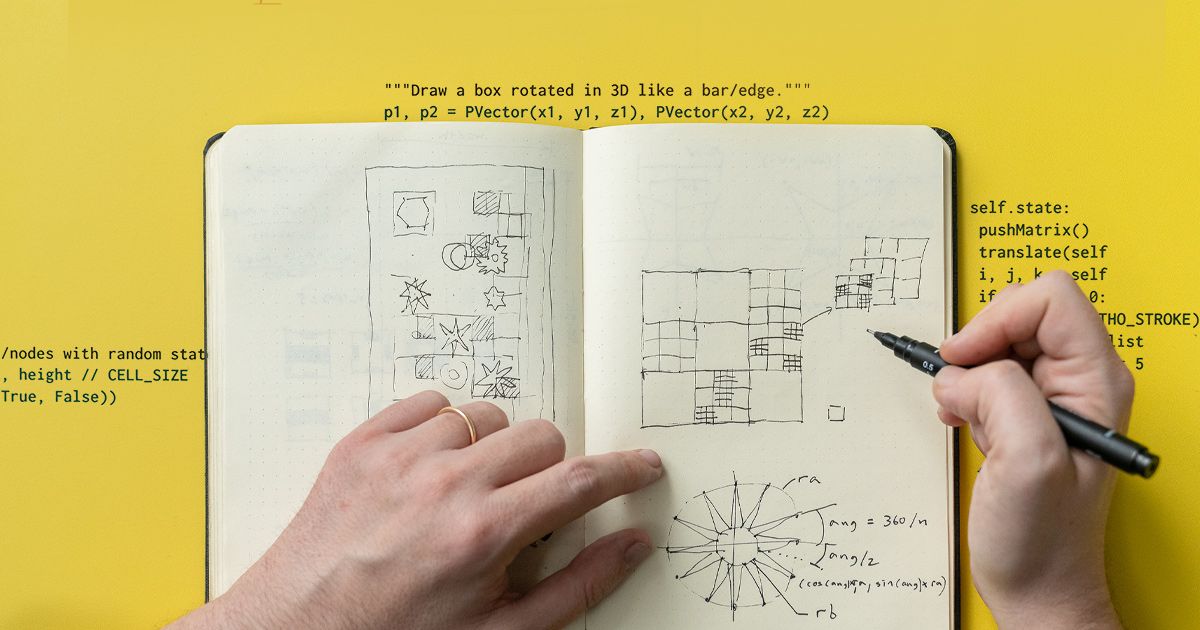
Art and technology have always gone hand in hand, from the earliest people making paints and researching pigments, to pioneers like Vera Molnár, who recently left us and who in the 1960s decided to use computers to produce her drawings. As an artist and educator, I deal with this intersection daily, in my case, by using Python, a powerful yet accessible programming language.
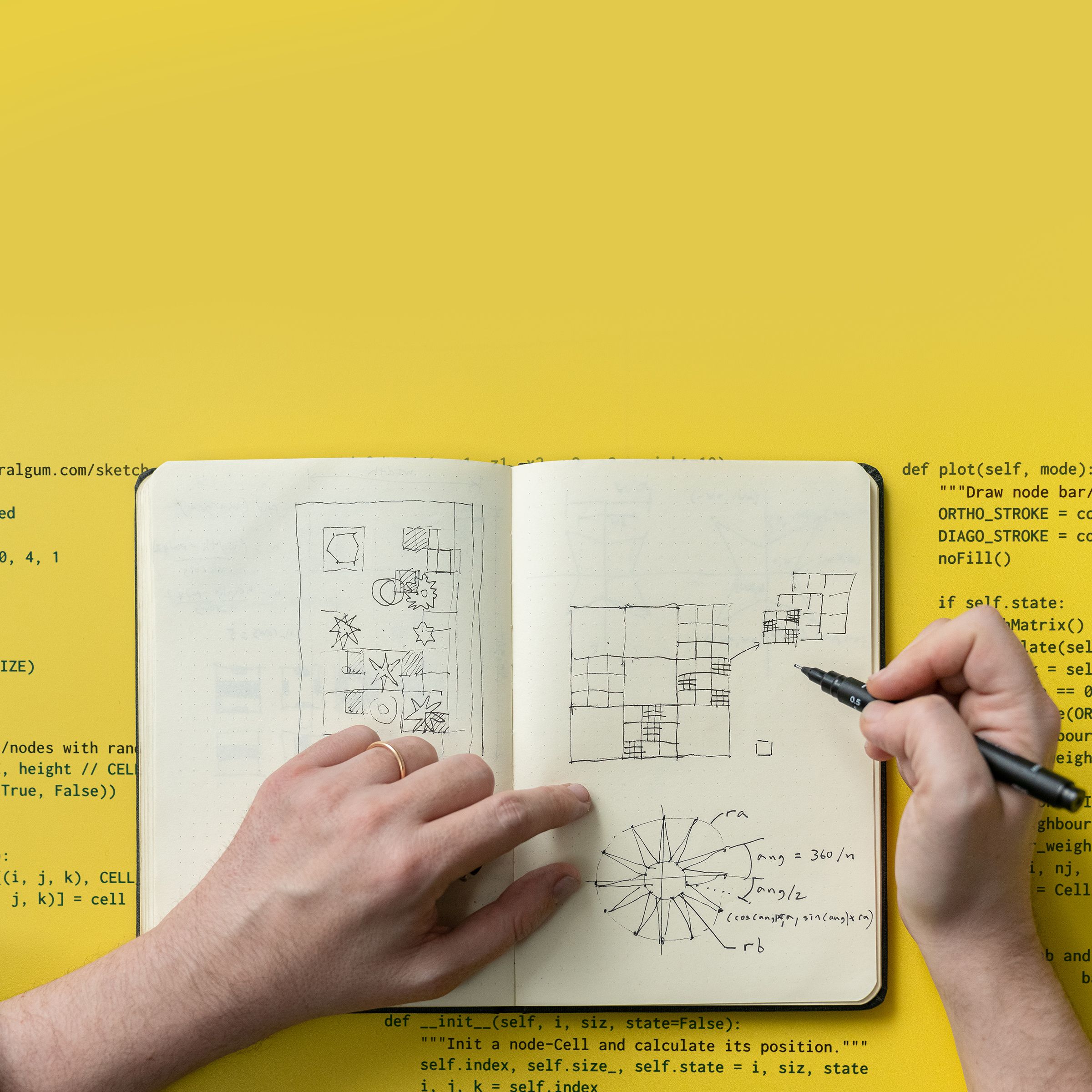
Python is not just a tool for software developers, it has become an important tool for professionals from various fields, thanks to its simplicity and flexibility. By programming in Python, I have created graphic pieces that not only meet my practical, professional demands but also lead me to increasingly want to cross and dissolve the boundaries between code and artistic exploration.
1. Start with the Basics
I recommend downloading and installing a code editor called Thonny IDE, which is free software made for those starting to learn programming in Python. Try to understand the fundamentals, that is, familiarize yourself with loops, conditionals, functions, and later study data structures a bit. With these basic elements, you can start to explore how Python can be used to automate tasks and generate forms.
2. Look for Drawing Tools with Programming
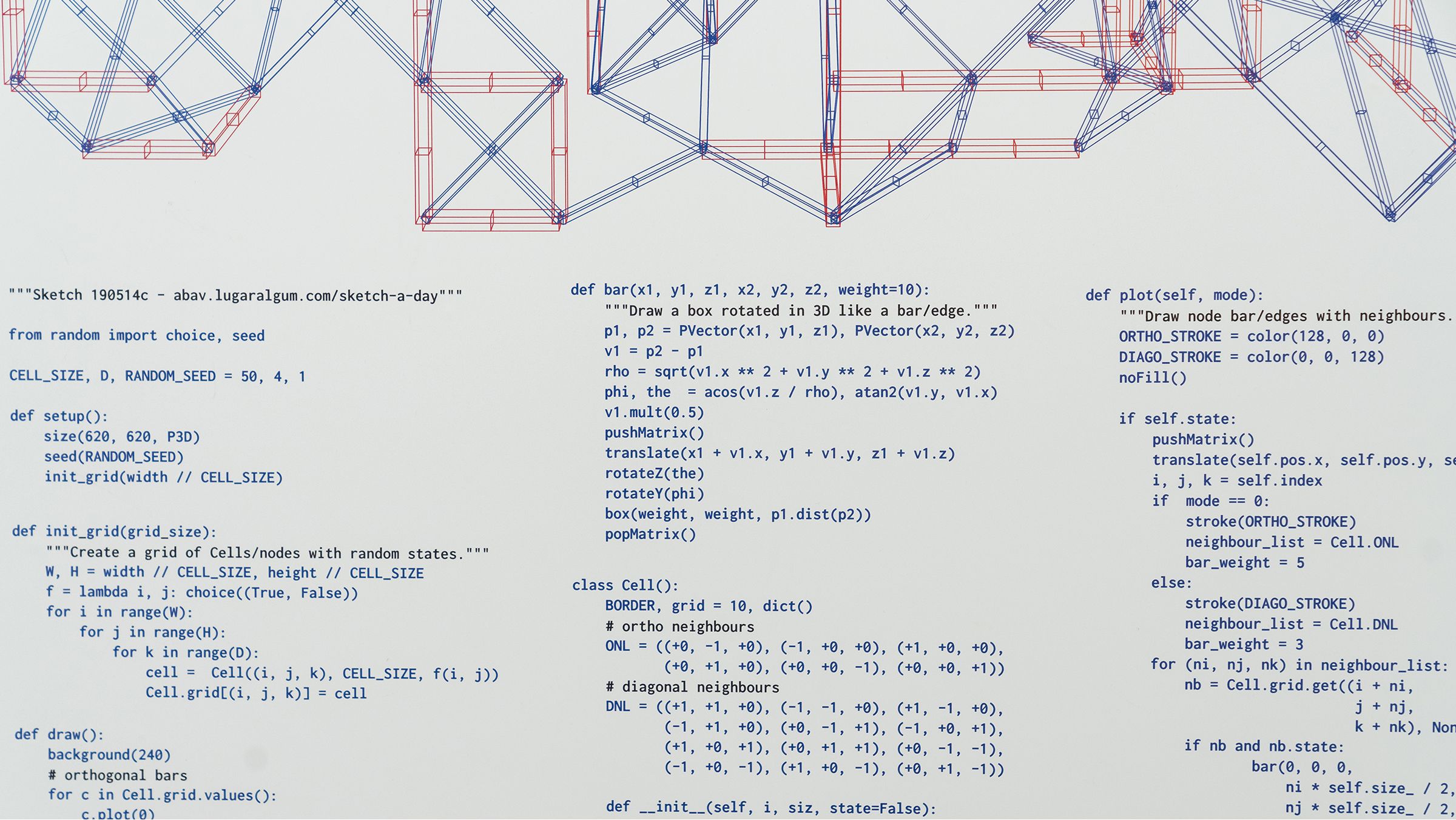
Python is known for its wide range of libraries, like Pillow (the current version of PIL - Python Imaging Library) for image manipulation, or matplotlib for data visualization. There are many possibilities. I especially recommend the py5 library which uses the vocabulary of Processing, a programming tools ecosystem for artists, and works particularly well in conjunction with Thonny IDE.
3. Experiment with Geometric Patterns
One of my favorite approaches is to explore geometry and repetition patterns. With Python and py5, you can easily create geometric shapes with symmetries, rhythmic patterns, and abstract compositions. This is an excellent way to understand how programming can be used to create visually interesting images.
4. Plan and Explore in Small Steps
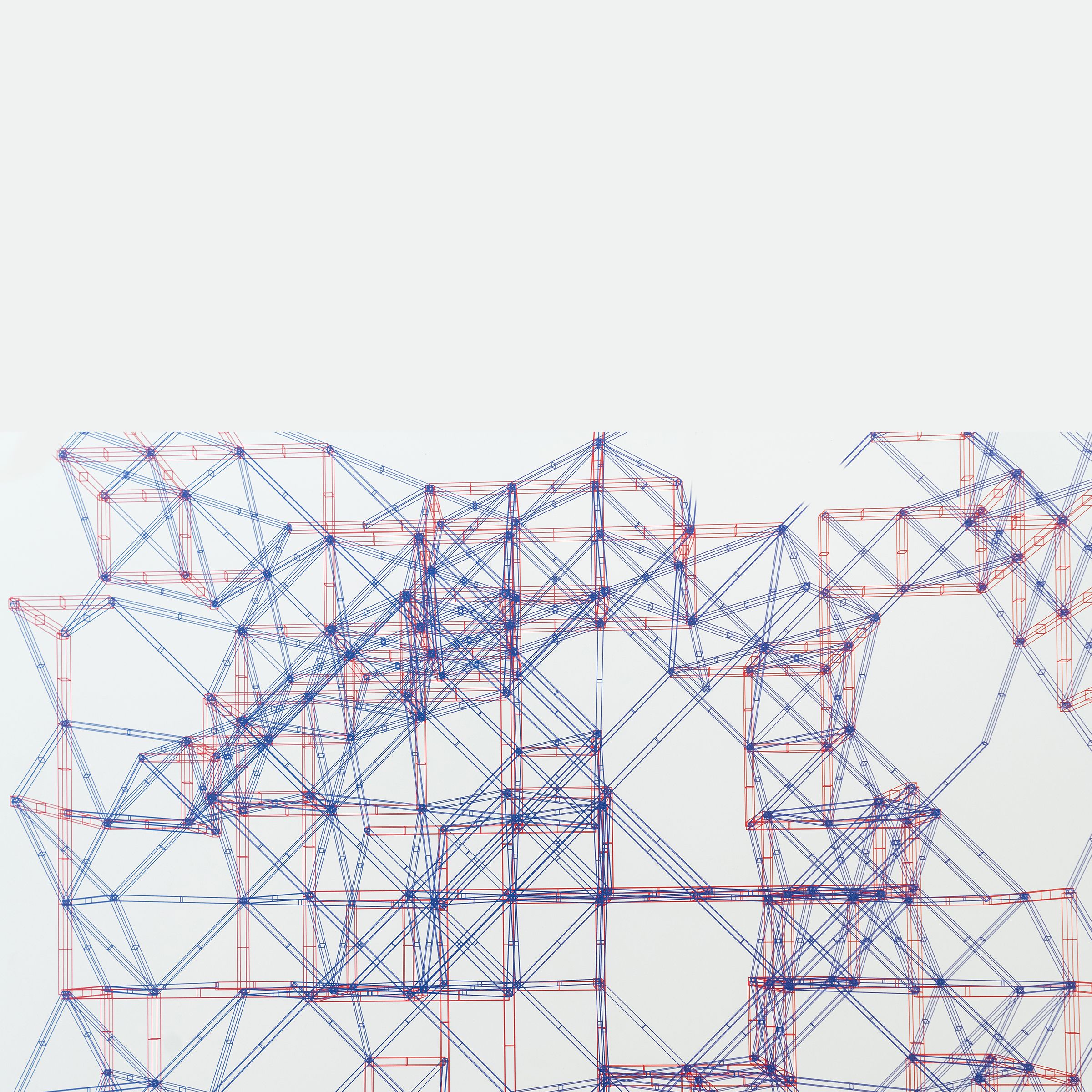
There are two fundamental and complementary strategies: make drawings, diagrams, and notes about what you intend to produce. Start by writing the code that produces a small part, a minimal element, of the image you want to obtain, and advance in very small steps, which in programming we call baby steps. Through successive approximations and experimenting with small variations, you can go much further.
5. Share and Learn with the Community
The creative programming community is incredibly collaborative. Sharing your work, helping and asking for help, learning from others, is a crucial part of the process. Participate in forums, discussion groups, look for local communities and meetups to inspire yourself, expand your repertoire, and also contribute to the collective.
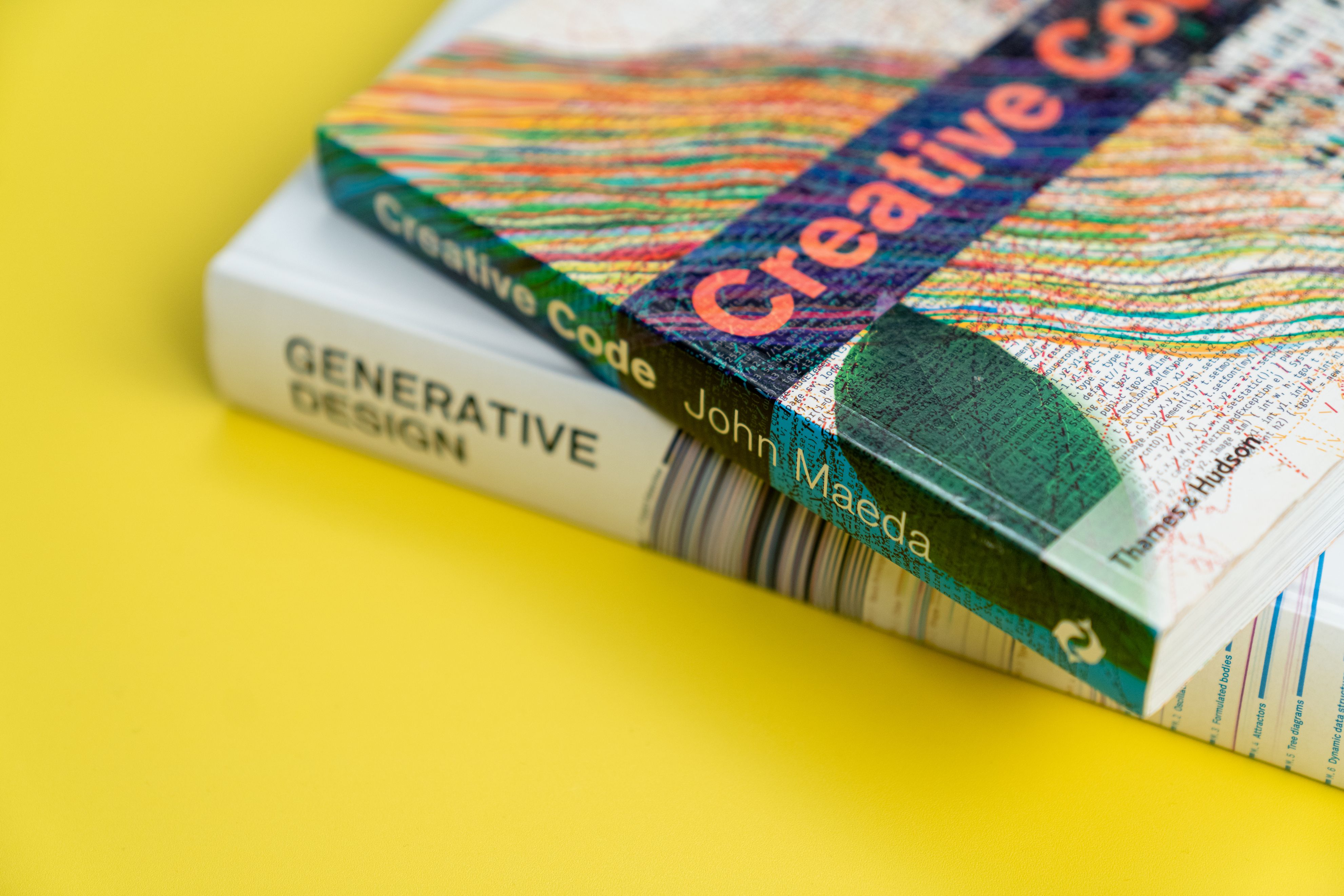
As an educator, I dedicate myself to teaching other artists and designers to use programming in their work. I firmly believe that programming can be an expressive and poetic tool in the visual arts. That's why I'm excited to announce my new course at Domestika, where I will share techniques and approaches for using Python in graphic design. I invite you all to join me on this journey of discovery and expression through code.


0 komentarzy