
Introduction to Artistic Figure Drawing
A course by Leonardo GaunaIllustrator
A course by Leonardo Gauna, Illustrator

Learn how to observe and depict the human figure with exercises to develop your style
Creating compositions based on the human figure and giving its features a poetic and symbolic character is one of the specialties of the Argentine artist and illustrator Leonardo Gauna. The design of faces and bodies is his fundamental axis, from which the artist begins to tell his stories and develop his projects. Leonardo’s work has been published in several books and has been exhibited in cities such as Tokyo, Paris, Toronto, Houston, and Belo Horizonte, among many others.
In this course, you will learn how to study, analyze and develop the drawing of a human figure from a live model and how to combine your illustration with other compositional elements to give your piece a unique finish. Through a series of exercises and elements of anatomy, you will be able to create a complete and artistic drawing of the human figure.
What will you learn in this online course?
22 lessons & 18 downloads
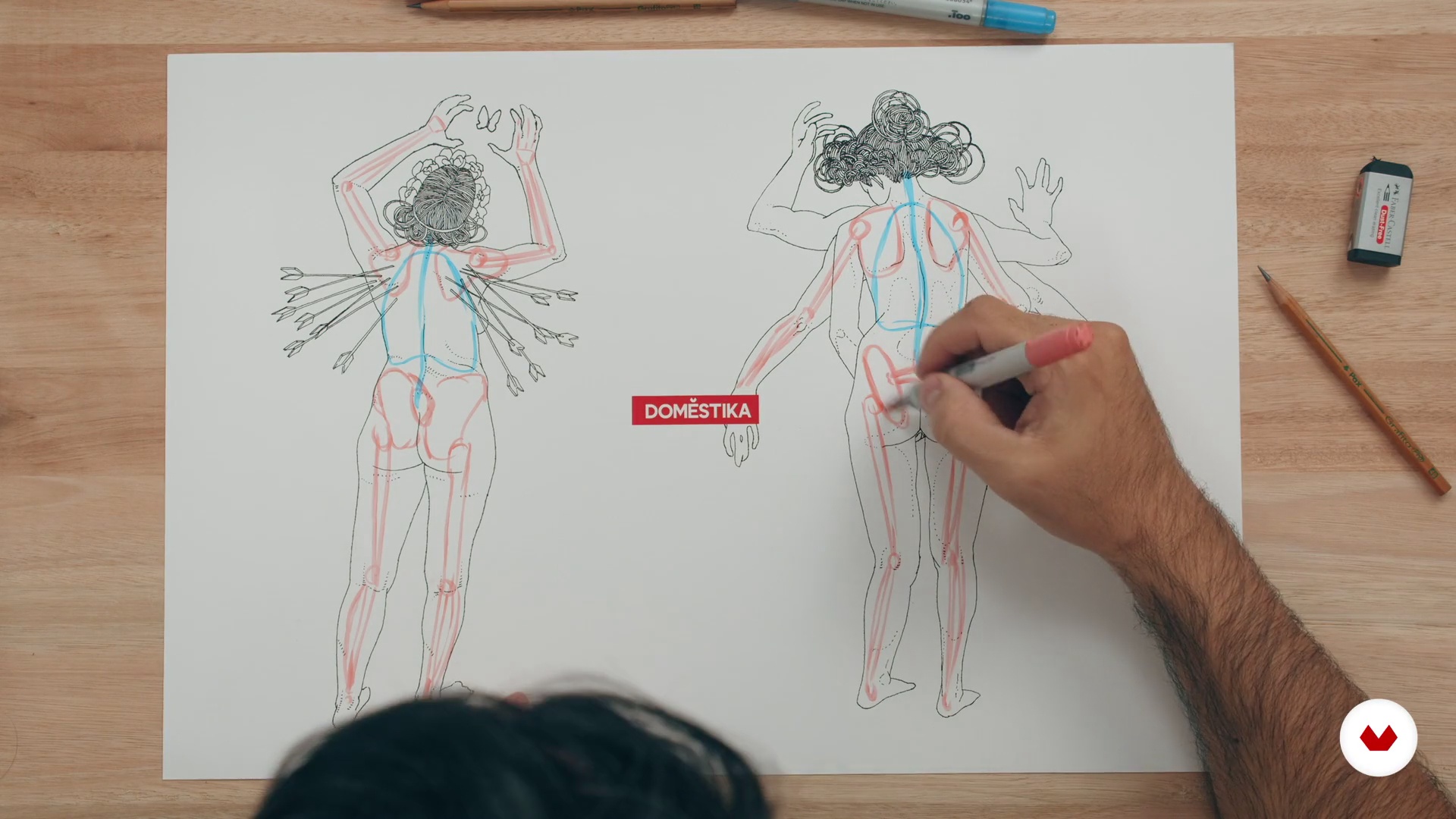
What will we do in the course
53 seconds
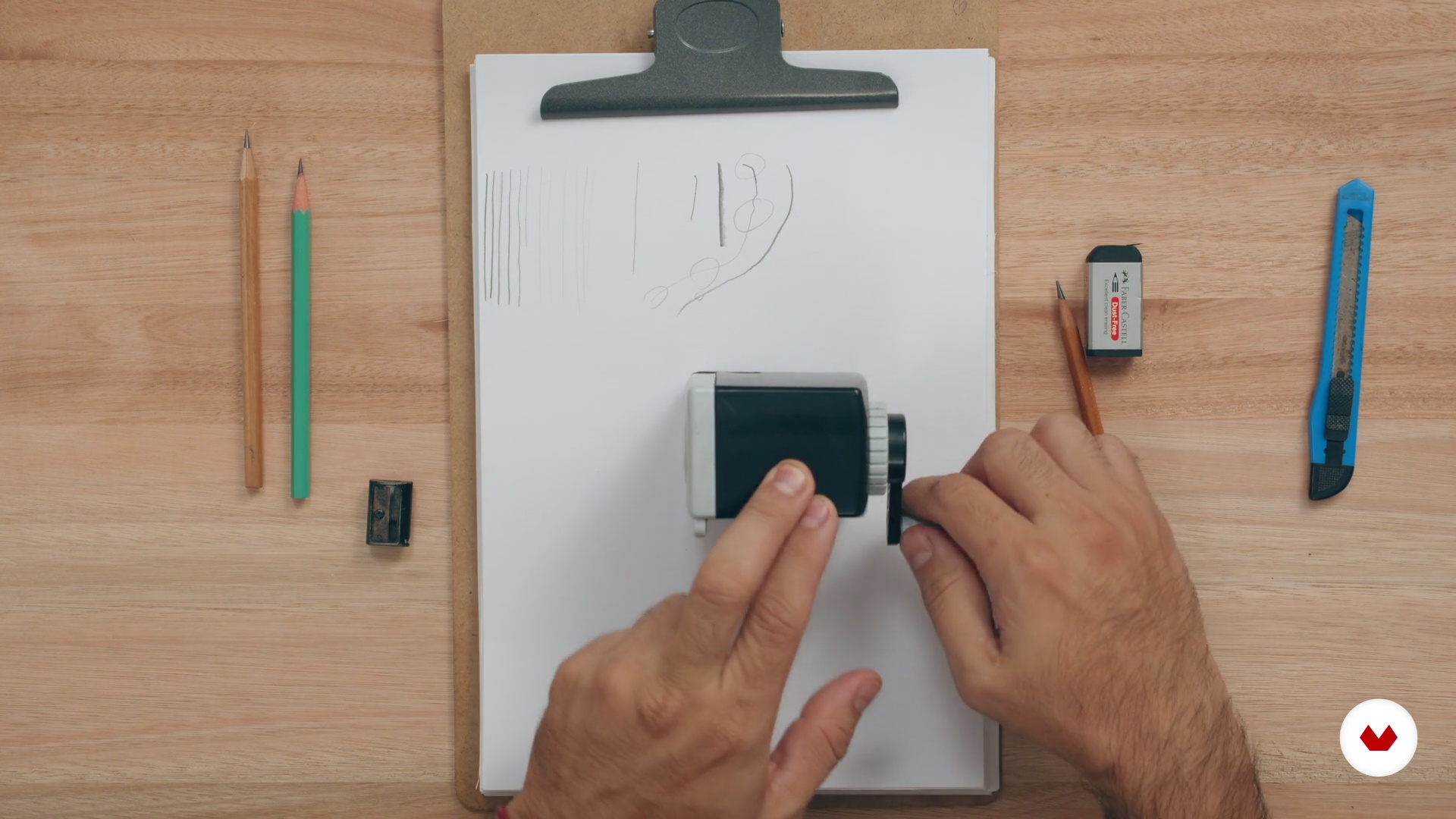
Materials
6 minutes, 2 seconds
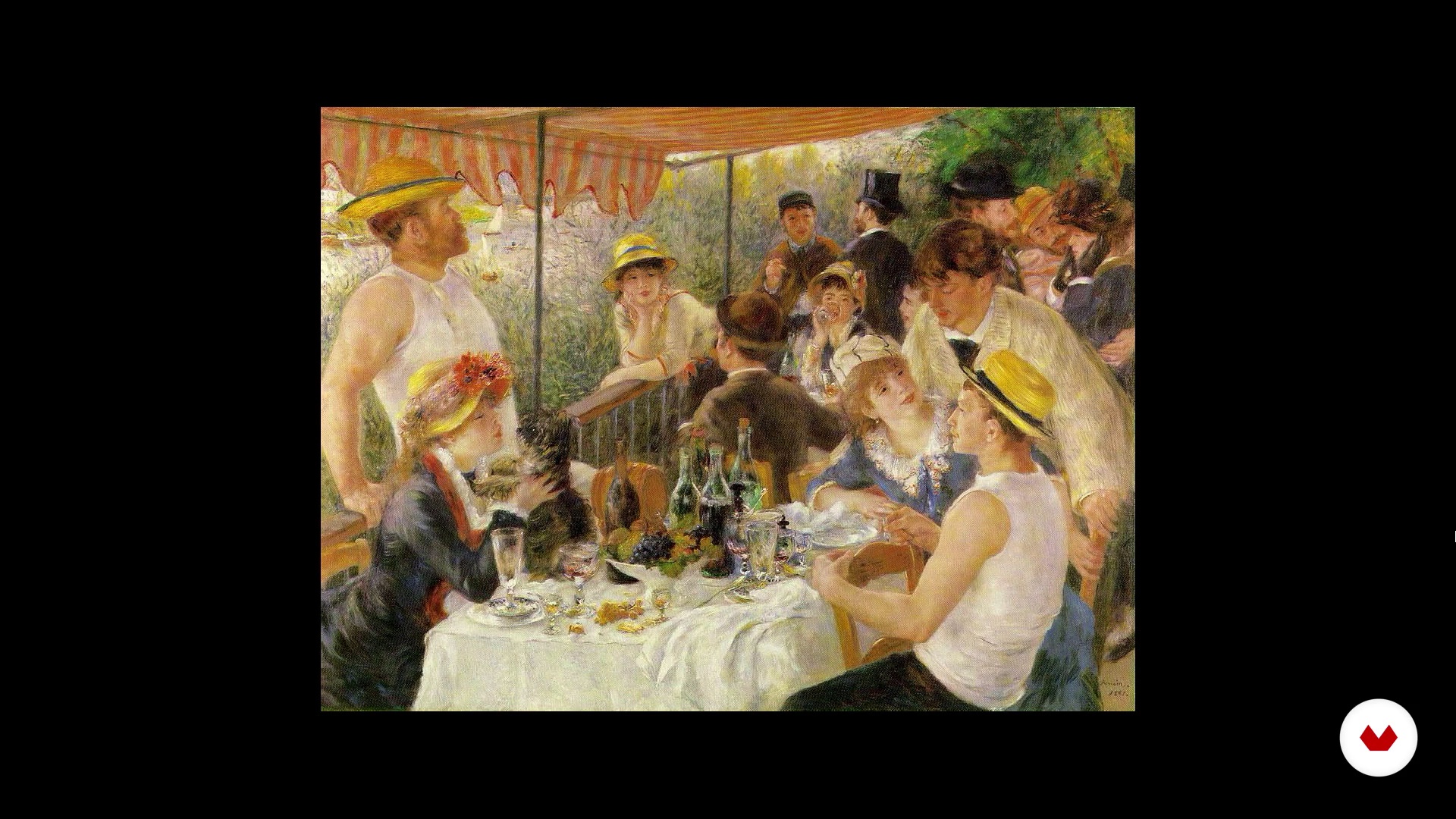
Human figure in the History of Art
9 minutes, 54 seconds
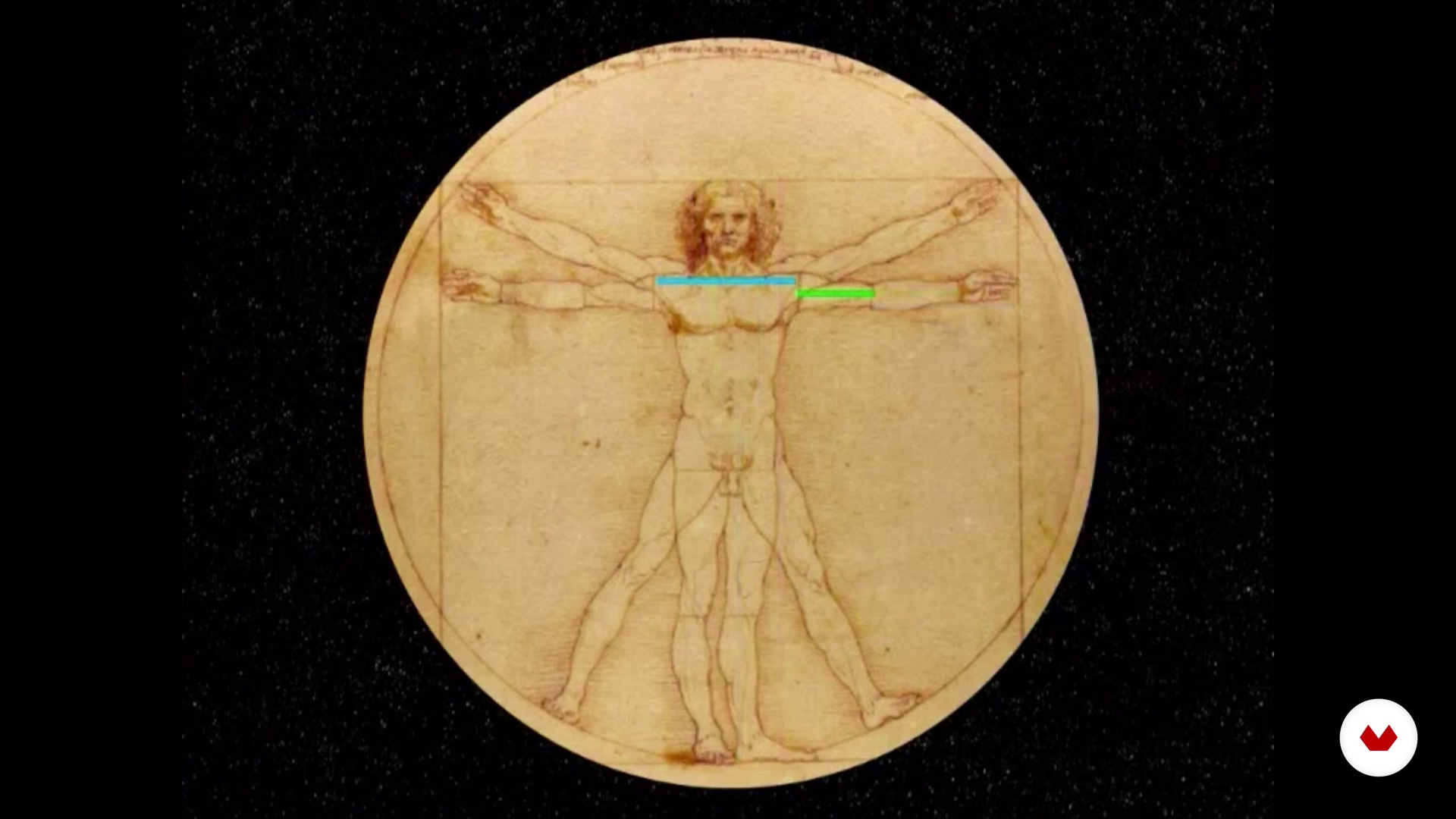
Proportions in history
10 minutes, 7 seconds
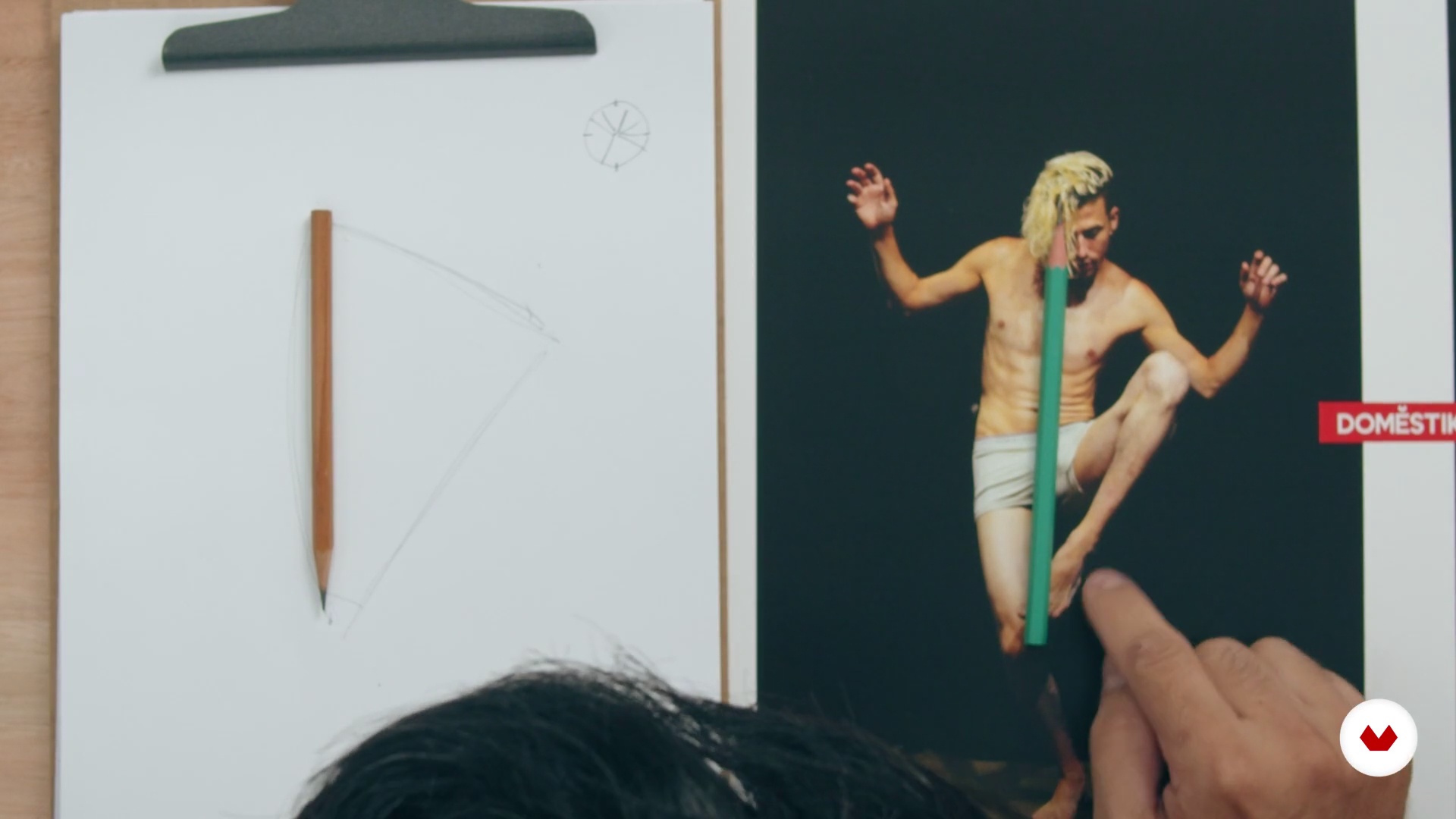
First analysis
18 minutes, 6 seconds
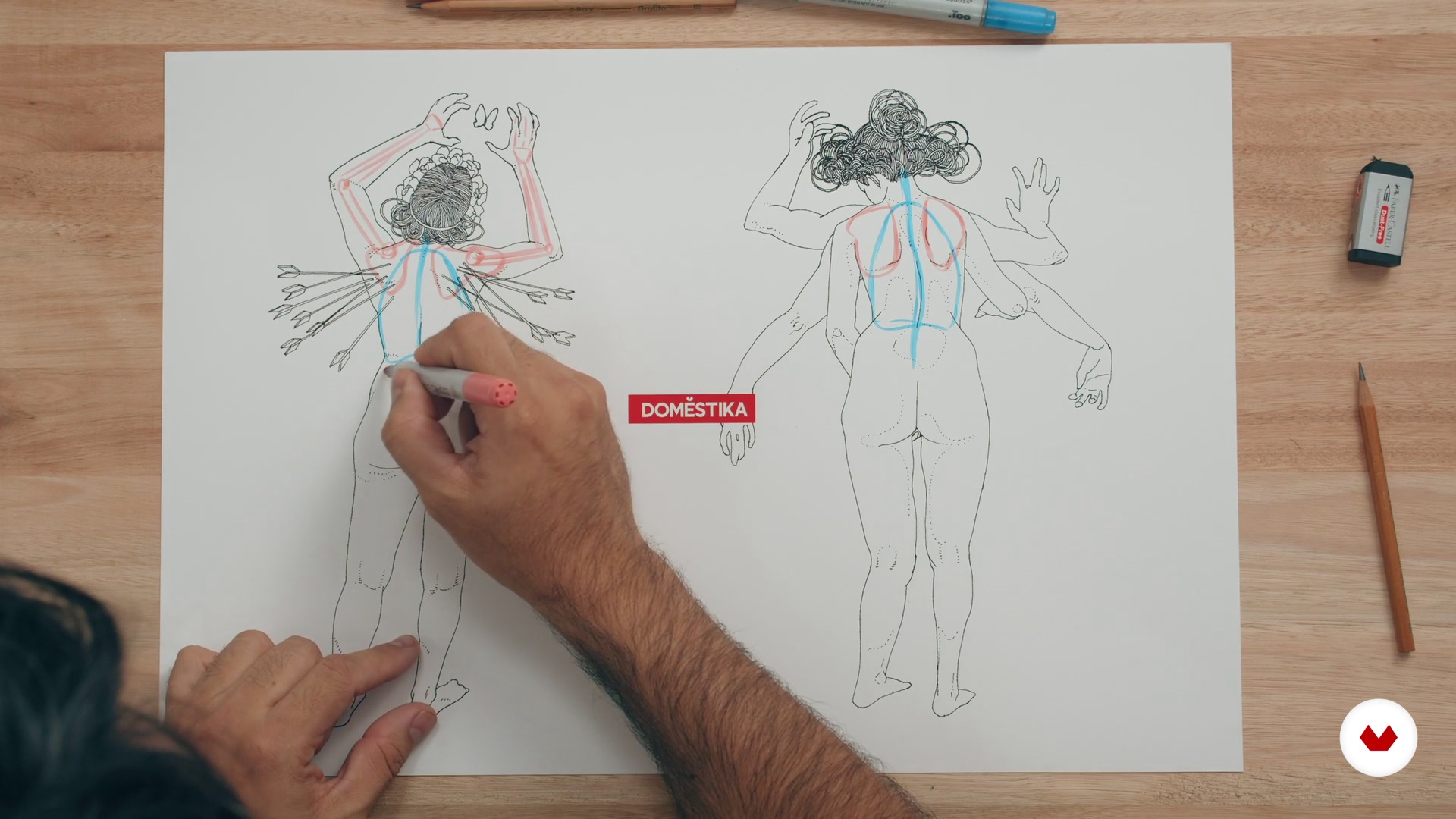
Bone structure
16 minutes, 20 seconds
What's included in this course?
In the first unit, learn about Leonardo's work, his main projects, and published works. Get an introduction to the works of five artists who marked his career as an illustrator and everything he teaches during the course.
See all the materials and tools necessary to start working and get introduced to the basics of figure drawing during different historical periods. Leonardo teaches you the main notions of proportion and anatomical references used by the great masters of the art.
In the next unit, delve into the principles of anatomy, learn about bone and muscle structures, understanding the organization and movement dynamics of the human body’s main parts. Also, see resources and exercises to draw the face and limbs efficiently.
After learning the structure of the human figure, move on to the practical part, and perform composition and observation exercises. Leonardo gives advice on how to work with a live model. Learn how to work the lines with a higher level of detail and see how to give the final touches.
In unit five, do a series of exercises to illustrate different positions in a short period of time. Through practice, you will gain confidence and speed to develop your final project.
Make the final design and see how to incorporate scenographic elements such as objects, clothes, and other accessories in the composition. Leonardo gives you some final tips so that you can make your work more personal, giving the figure a more poetic and symbolic meaning.
What is this course's project?
Make a complete drawing of the human figure from a live model, in which you will represent its muscles, structures, and insert complementary elements in the composition to give it a personal and unique finish.
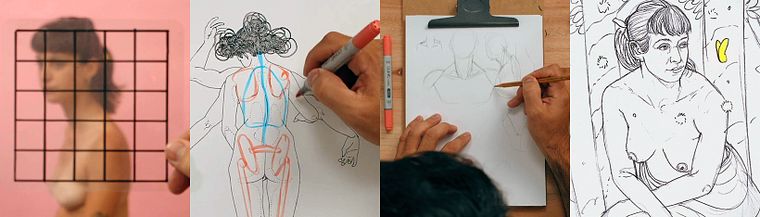
Projects by course students


Who is this online course for?
To designers, drawers, and illustration lovers—whether they are beginners or professionals—who wish to incorporate the use of the human figure in their work in a simple way, or to perfect their work.
Requirements and materials
No previous knowledge is required to take this course. As for materials, you will need pencils, paper, and an eraser.
Reviews
- 4 months ago
Este curso es justo lo que buscaba. Me gusta mucho el enfoque que le da Leonardo, buscando que, mediante el dibujo, podamos romper esquemas hegemónicos de la figura humana que se arrastran desde tiempos antiguos.
- 8 months ago
Un curso muy completo, el profesor muy claro y generoso con sus explicaciones!
- 1 year ago
Me está gustando mucho, creo que el profesor es un muy buen educador. Lo recomiendo sin duda.
- 1 year ago
Me esta gustando mucho el curso, espero seguir mejorando mis habilidades. (:
- 1 year ago
Obrigado pelo curso, é fundamental essas noções sobre a figura humana para desenha-la de forma correta, lições valiosas.

In 2014, the publisher TASCHEN featured his work in the book Illustration Now 5! Leonardo has published 12 books and his latest is a collection of his illustrations. He currently teaches workshops and courses and does research on virtual reality, which was the topic of his thesis for his degree in fine arts from the La Plata National University.
Content
- U1
Introduction
- Presentation
- Influences
- What will we do in the course
- U2
First approaches
- Materials
- Human figure in the History of Art
- Proportions in history
- First analysis
- U3
Basic anatomy
- Bone structure
- Rib cage, hips and neck
- Arms, legs, hands and feet
- Face
- Initial perspective
- U4
Exercise observation
- Options and resources in addition to the model
- First structure
- Enrich our figure
- Attention to detail I
- Attention to detail II
- U5
In front of the model
- Time exercises I
- Time exercises II
- Start sketch
- Intermediate sketch development
- Final development
- FP
Final project
- Introduction to the artistic drawing of the human figure
What to expect from a Domestika course
Learn at your own pace
Enjoy learning from home without a set schedule and with an easy-to-follow method. You set your own pace.
Learn from the best professionals
Learn valuable methods and techniques explained by top experts in the creative sector.
Meet expert teachers
Each expert teaches what they do best, with clear guidelines, true passion, and professional insight in every lesson.
Certificates
PLUSIf you're a Plus member, get a custom certificate signed by your teacher for every course. Share it on your portfolio, social media, or wherever you like.
Get front-row seats
Videos of the highest quality, so you don't miss a single detail. With unlimited access, you can watch them as many times as you need to perfect your technique.
Share knowledge and ideas
Ask questions, request feedback, or offer solutions. Share your learning experience with other students in the community who are as passionate about creativity as you are.
Connect with a global creative community
The community is home to millions of people from around the world who are curious and passionate about exploring and expressing their creativity.
Watch professionally produced courses
Domestika curates its teacher roster and produces every course in-house to ensure a high-quality online learning experience.
FAQs
This course is designed for people with intermediate skills in artistic drawing or illustration, but it’s also accessible to those with a solid foundation in traditional techniques who want to deepen their understanding of the human figure and composition.
You’ll need pencils of various hardness (HB, 2B, 4B), a professional sharpener, watercolors, ink, drawing paper, a drawing board, and access to digital tools if you want to explore digital coloring. It’s also recommended to have photographic references and good lighting.
You’ll learn anatomical, structural, and compositional techniques for drawing the human figure; how to use watercolor, ink, and digital color; analysis of historical proportions; graphic experimentation; and how to develop a figurative illustration project from sketch to final finish.
The course covers human figure drawing from both anatomical and artistic perspectives, integrating composition techniques, classical proportions, expressive resources, and references from great masters, for both traditional and digital media.
Yes, the course includes techniques and approaches ideal for editorial illustration, enabling you to create narrative images and professional compositions suitable for magazines, books, and visual communication projects.
Yes, you’ll learn how to evaluate and use photographs as references, selecting images based on lighting and perspective, and how to build personal image libraries to enrich your creative projects.
Classical structures like the golden ratio, Egyptian canon, rule of thirds, Fibonacci spiral, and geometric schemes are covered to help organize and analyze the human figure in composition.