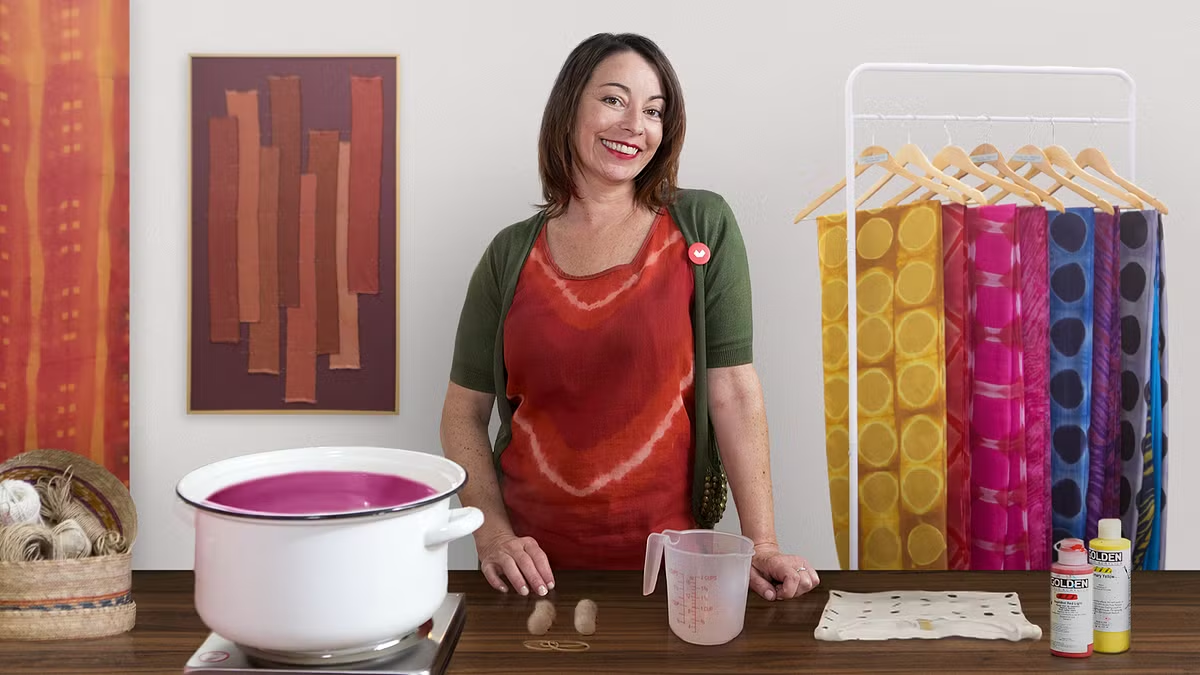
Introduction to Shibori Tie Dyeing
A course by Carolina RaggioCostume designer
A course by Carolina Raggio, Costume designer

Create unique patterns and designs using different pleat and bind techniques
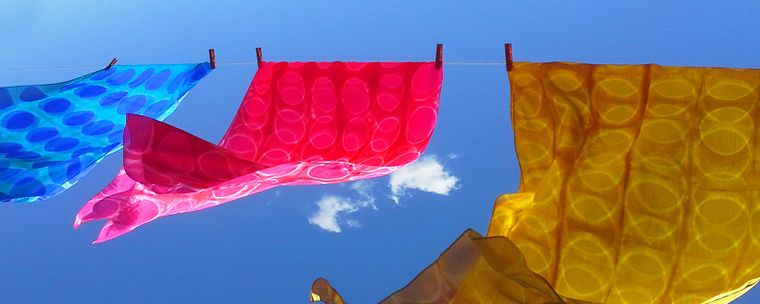
Shibori is one of the oldest Japanese dyeing techniques, dating back to over 1300 years. It consists in creating textile patterns with a tie-dyeing method that creates unique hues and shapes, transforming it into a one-off piece.
Discover a multitude of Shibori dyeing techniques with Carolina Raggio, a Chilean costume designer that specializes in the technique, founder of her own-name clothing brand. Through practical exercises and Carolina’s guidance, you will create original designs and patterns to add to your textile projects.
What will you learn in this online course?
15 lessons & 13 downloads
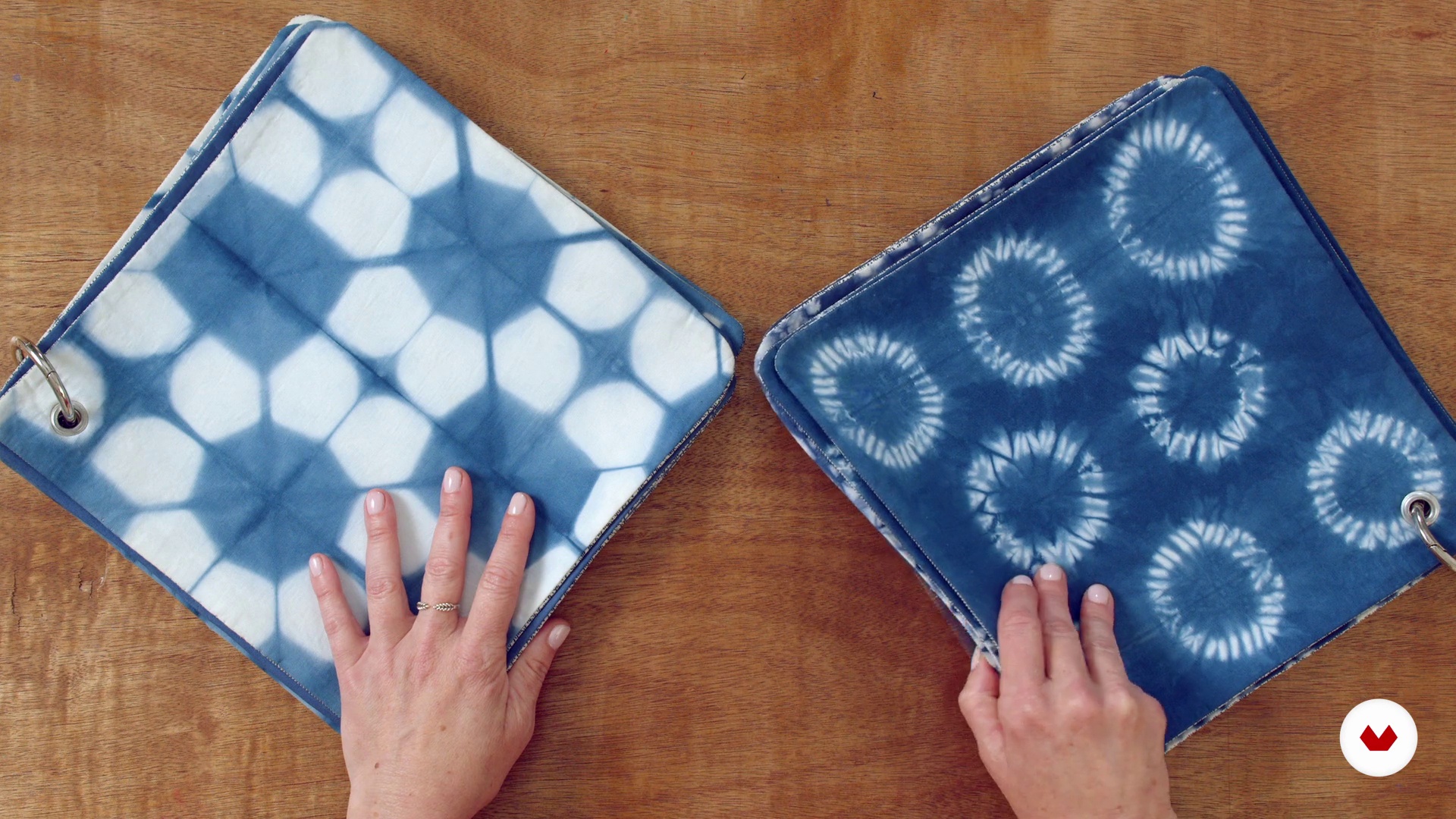
What will we do in this course?
1 minute, 2 seconds
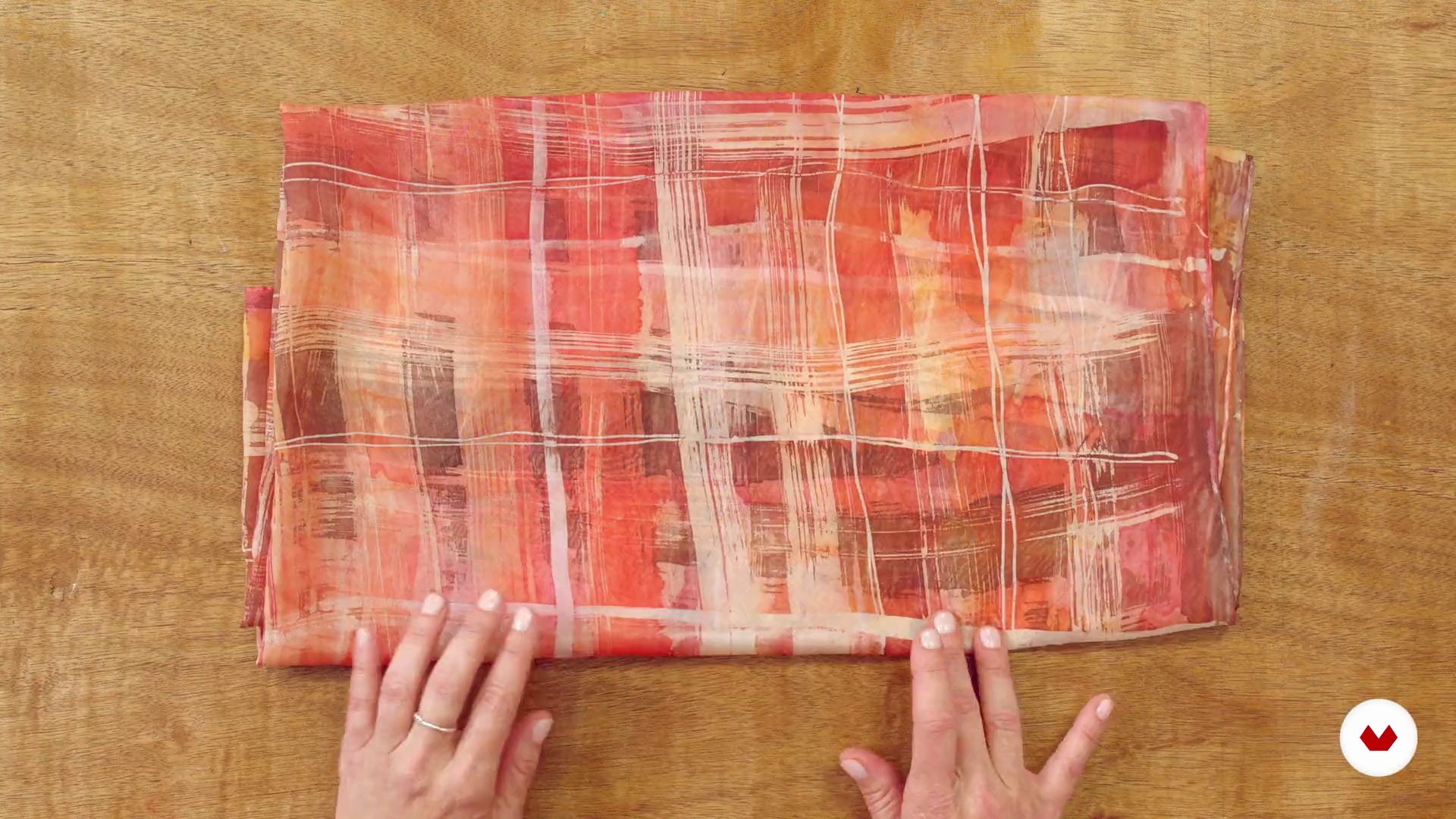
What is shibori?
2 minutes, 26 seconds
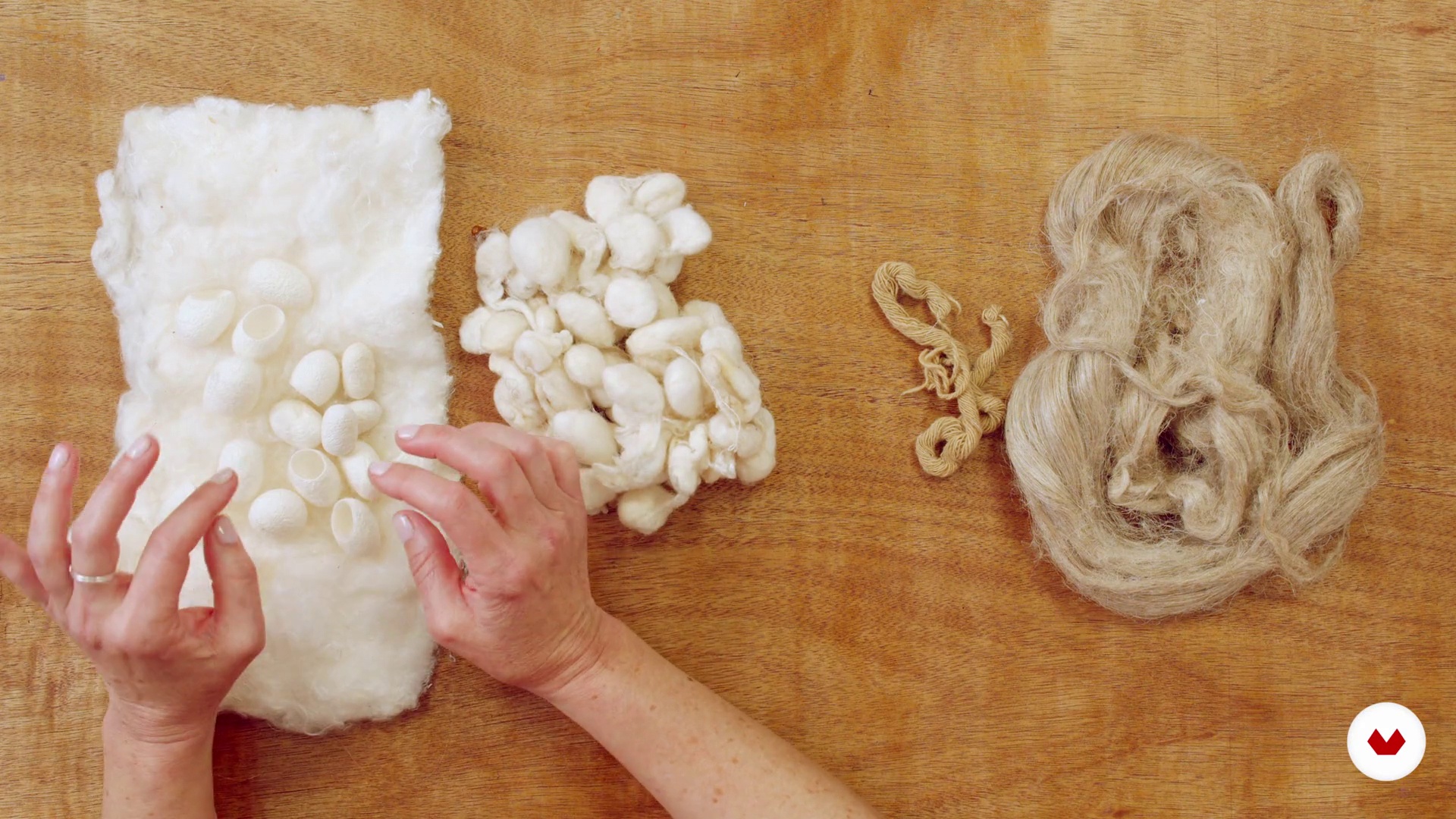
Fiber recognition
6 minutes, 24 seconds
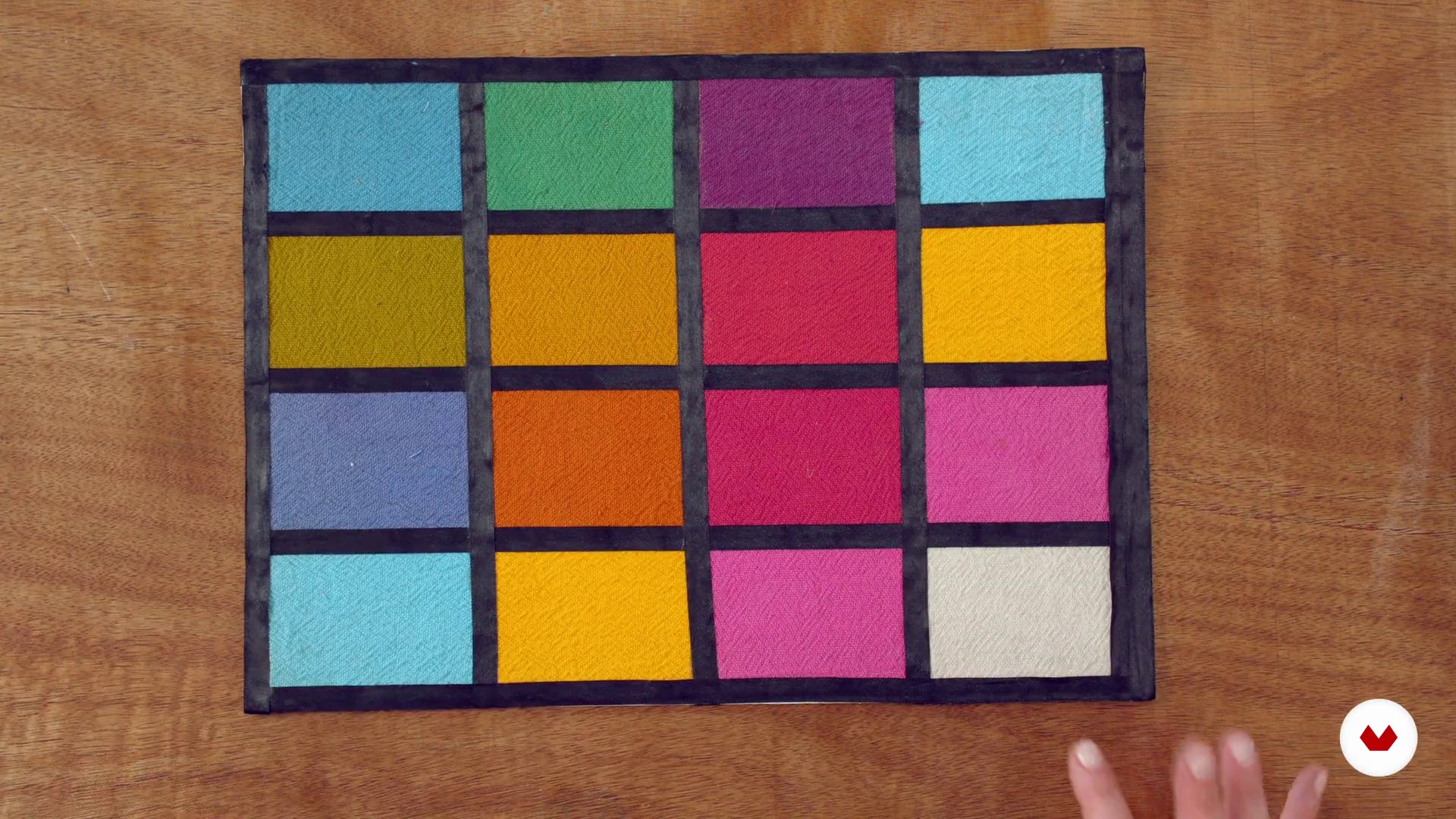
Color theory applied to dyeing
7 minutes, 7 seconds
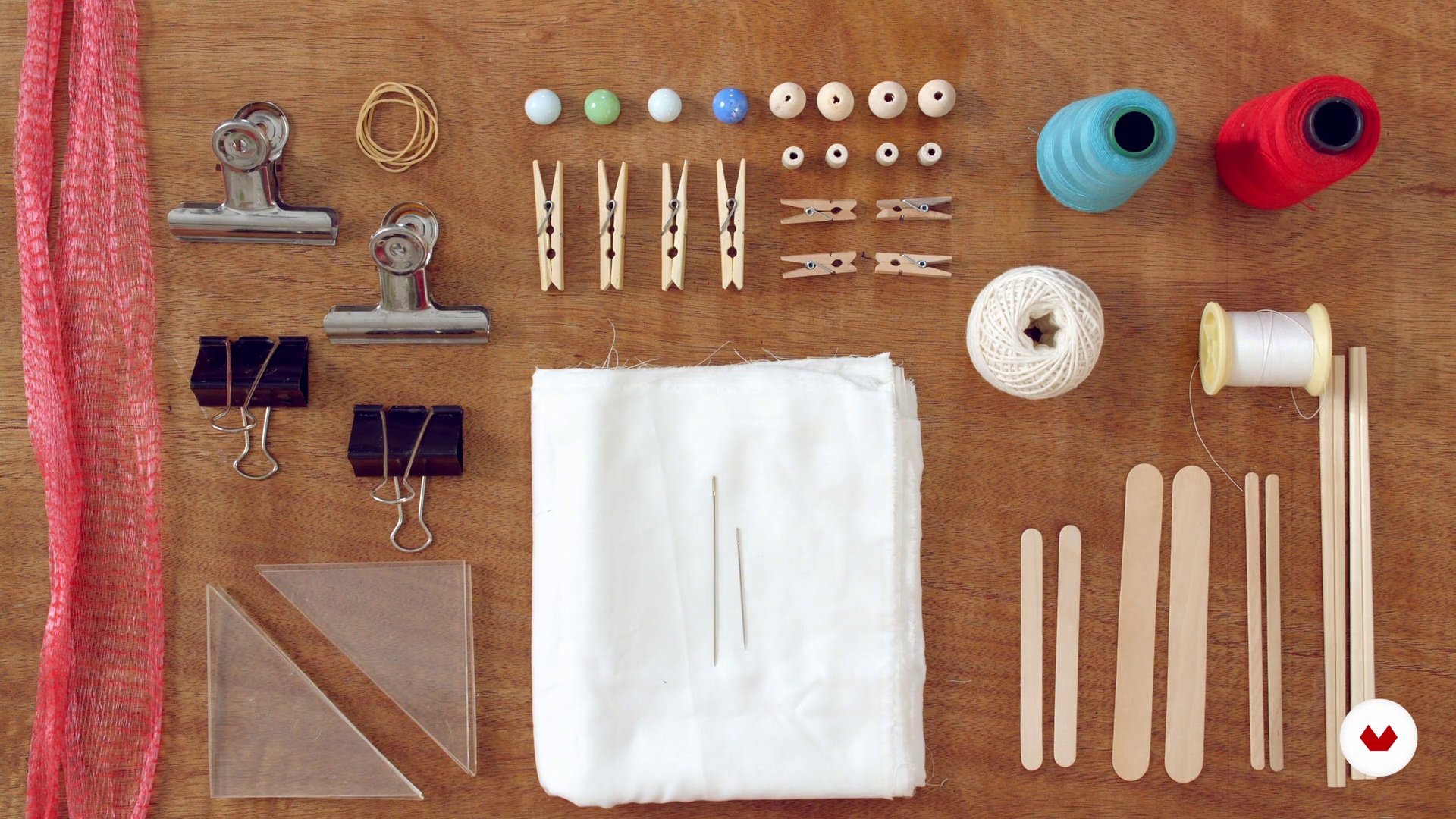
materials
4 minutes, 10 seconds
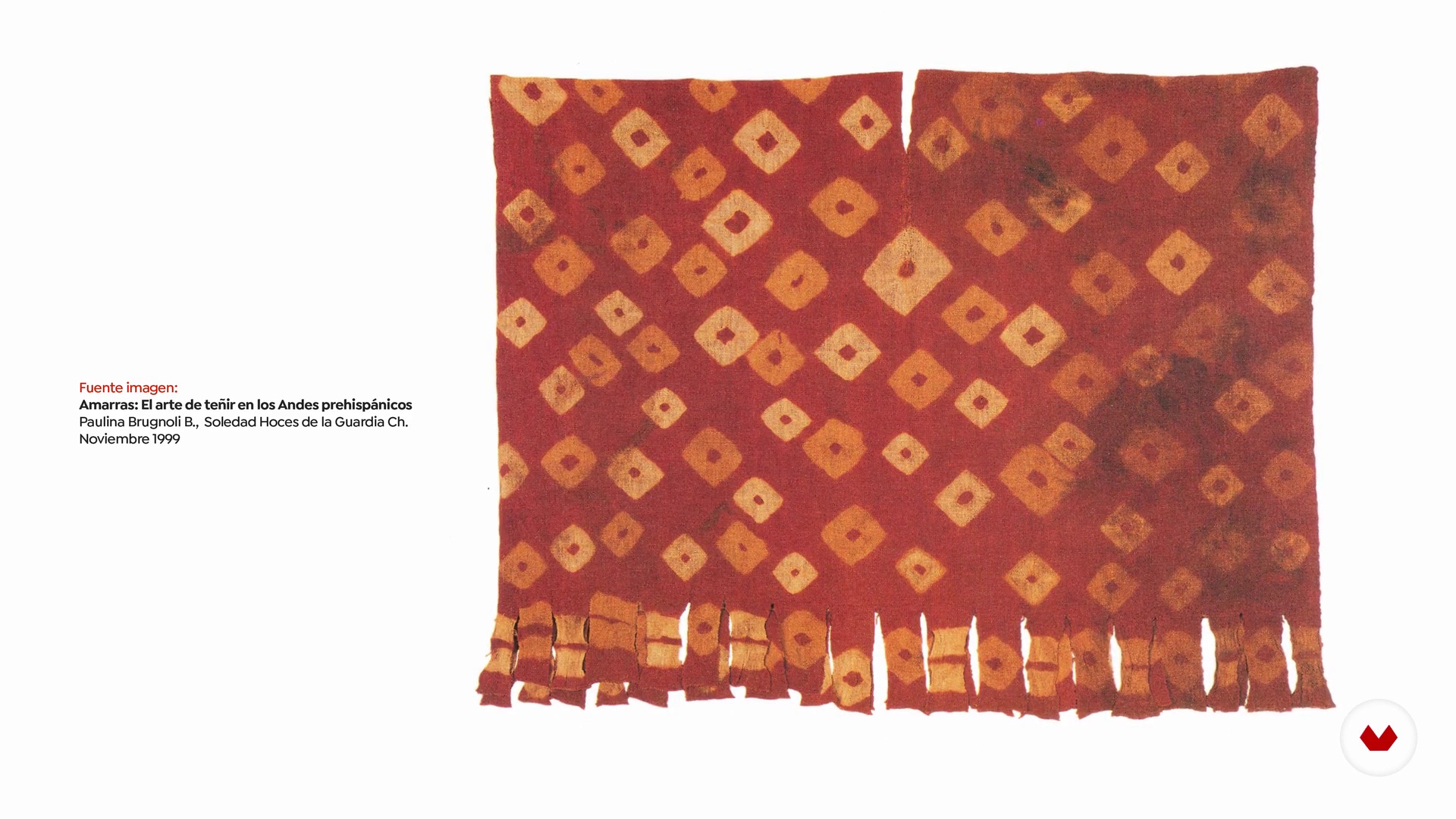
Moorings
8 minutes, 34 seconds
What's included in this course?
Start the course by getting to know Carolina, the projects she loves most, and how she started out. See some of her most representative work and get to know the artists that inspire her creations.
Learn all about Shibori, what it means, its origins, and the difference between the three tie-dyeing techniques: Batik, Ikat, and Shibori. Learn to recognize natural fibers and prepare them for dyeing. Understand pigments and their diverse range, as well as the other material you will use throughout the course.
In the next unit, see traditional American twisting and folding techniques, and other typical Japanese methods with stitches and pleats applied to the creation of a sample.
Proceed to dyeing the previously tied textile, bathe your textiles in the dye to later reveal the magic of your designs. Learn how to untie your piece and set up the display.
Finish your samples to move onto the different ways to present them and apply them to a garment, accessory, decoration, or textile art.
Then, apply what you have learned by creating a textile piece with your own style. Customize a cotton or natural fiber item, applying all the techniques you learned throughout the course.
What is this course's project?
Create a sample of Shibori tie-dyeing techniques and learn how to customize an unused item of clothing and turn it into a unique one-off piece.
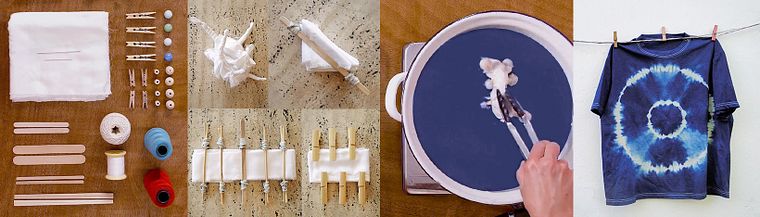
Projects by course students


Who is this online course for?
For those who want to develop their creative, manual abilities, and amplify their knowledge in color, design, and textile techniques from different cultures
Requirements and materials
Previous knowledge is not required.
The materials or tools you’ll need are: 100% natural fiber fabrics, such as linen or cotton, an aniline dye of whichever color you want, a large pot, elastic bands or string, toothpicks, a needle, and thread.
Reviews
- 4 months ago
Me encanta poder complementar el teñido natural con la técnica de shibori. También me encantó lo fácil de poder darle una segunda vida a una prenda antigua con un sello personal. Muy agradecida.
- 9 months ago
Antes de este curso, no sabía mucho qué era el tie-dye. Después, aprendí sobre itajime shibori y me di cuenta de que se pueden hacer muchas cosas con él. Actualmente estoy trabajando en mi segunda pieza. Básicamente, quiero disfrutar de los colores de materiales naturales como las plantas. Suelo revisar el curso cuando tengo algo que hacer.
Gracias por la excelente clase. Espero seguir trabajando contigo.
- 11 months ago
Dieser Kurs zeigt wirklich nur Grundlagen des Shibori. Die Techniken für die Schals und Tücher, die als Werbung für den Kirs gezeigt werden, werden gar nicht gezeigt. Finde ich irreführend und unehrlich.
- 11 months ago
Wszystko dobrze wytłumaczone.
- 1 year ago
Excelente curso, muy bien explicado, con todos los detalles. Me encantó!!

Her work is characterized by unique, hard-wearing, timeless pieces, for clothing and accessories. Her specialty is resist-dyeing, also known as Shibori.
Content
- U1
Introduction
- Presentation
- Influences
- What will we do in this course?
- U2
Recognize and prepare materials
- What is shibori?
- Fiber recognition
- Color theory applied to dyeing
- materials
- U3
Ties, seams and folds
- Moorings
- Needle and thread techniques
- Itajime folds
- U4
Dyeing, result and assembly of the samples
- Starting to dye
- The magic is revealed
- Preparing the sample book
- U5
Applying the technique
- Applying the technique
- Other apps
- FP
Final project
- Shibori dyeing
What to expect from a Domestika course
Learn at your own pace
Enjoy learning from home without a set schedule and with an easy-to-follow method. You set your own pace.
Learn from the best professionals
Learn valuable methods and techniques explained by top experts in the creative sector.
Meet expert teachers
Each expert teaches what they do best, with clear guidelines, true passion, and professional insight in every lesson.
Certificates
PLUSIf you're a Plus member, get a custom certificate signed by your teacher for every course. Share it on your portfolio, social media, or wherever you like.
Get front-row seats
Videos of the highest quality, so you don't miss a single detail. With unlimited access, you can watch them as many times as you need to perfect your technique.
Share knowledge and ideas
Ask questions, request feedback, or offer solutions. Share your learning experience with other students in the community who are as passionate about creativity as you are.
Connect with a global creative community
The community is home to millions of people from around the world who are curious and passionate about exploring and expressing their creativity.
Watch professionally produced courses
Domestika curates its teacher roster and produces every course in-house to ensure a high-quality online learning experience.
FAQs
Shibori is a Japanese textile dyeing technique that uses bindings, folds, or stitching to create unique patterns on fabric. It involves manipulating the fabric before dyeing to achieve custom visual effects.
This course is designed for people with intermediate knowledge of textiles or design, but the basic concepts of shibori and handcrafted dyeing are explained step by step.
You’ll need natural fabrics like cotton or silk, dyes (anilines), threads, wooden tools, elastic bands, sewing supplies, and personal protective gear. Having a clean, organized workspace is recommended.
You’ll learn resist-dyeing techniques such as shibori, ikat, batik, pleating, binding, stitching, pressure dyeing, and marbling. The course also explores variations and combinations to create patterns and textures on textiles.
Yes, the course teaches you how to use shibori and textile dyeing techniques to refresh existing garments and create unique, personalized designs.
Shibori uses bindings and folds, batik relies on wax as a resist, and ikat dyes the threads before weaving. Each method produces distinct patterns and visual effects on fabric.
You’ll be able to identify and apply handcrafted dyeing techniques, recognize textile fibers, create pattern samples, experiment with color and texture, and develop creative textile projects.