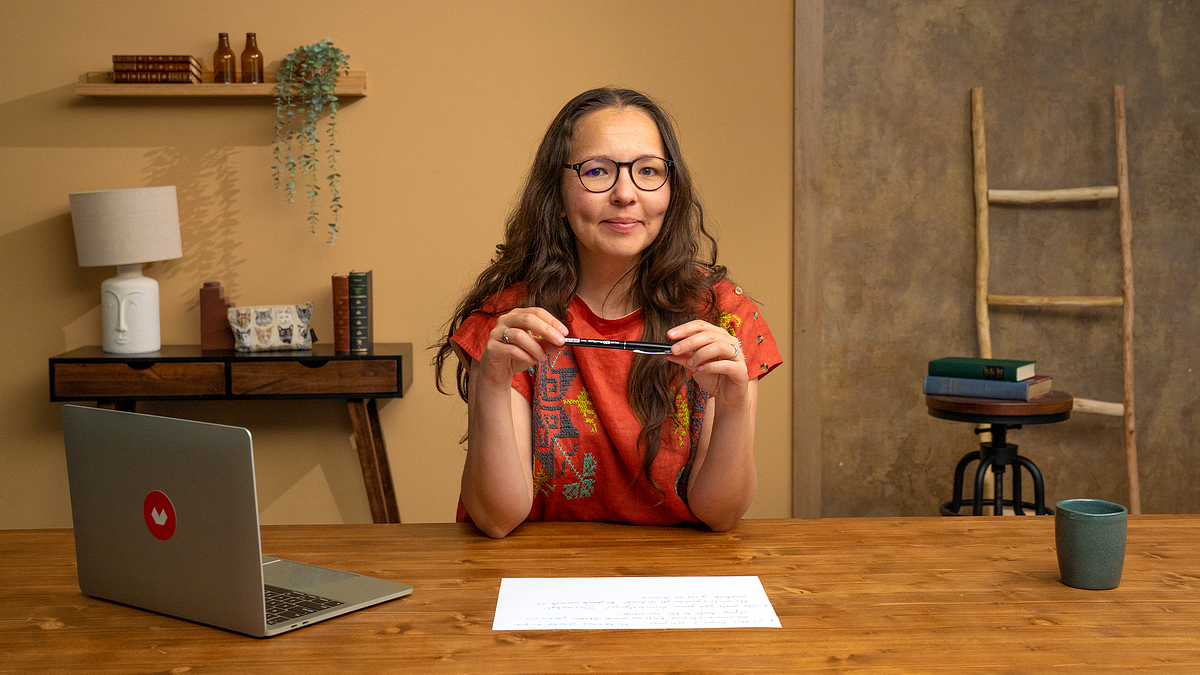
Create Narrative Spaces
A course by Ave BarreraWriter, editor, and narrative project consultant
A course by Ave Barrera, Writer, editor, and narrative project consultant

Learn to create narrative spaces as a backdrop for your novel, script, or journal.
The space where the events take place is a determining element for the narrative, as important as any other character. For this reason, in this online course, the award-winning author and editor Ave Barrera will teach you how to build scenes full of sensations and significant details.
Throughout the units, you'll learn to weave spaces with actions to pace your storytelling. At the end of the course, you will be able to describe unique places in your stories and give life to scenarios that convey unforgettable experiences to the reader.
What will you learn in this online course?
13 lessons & 21 downloads
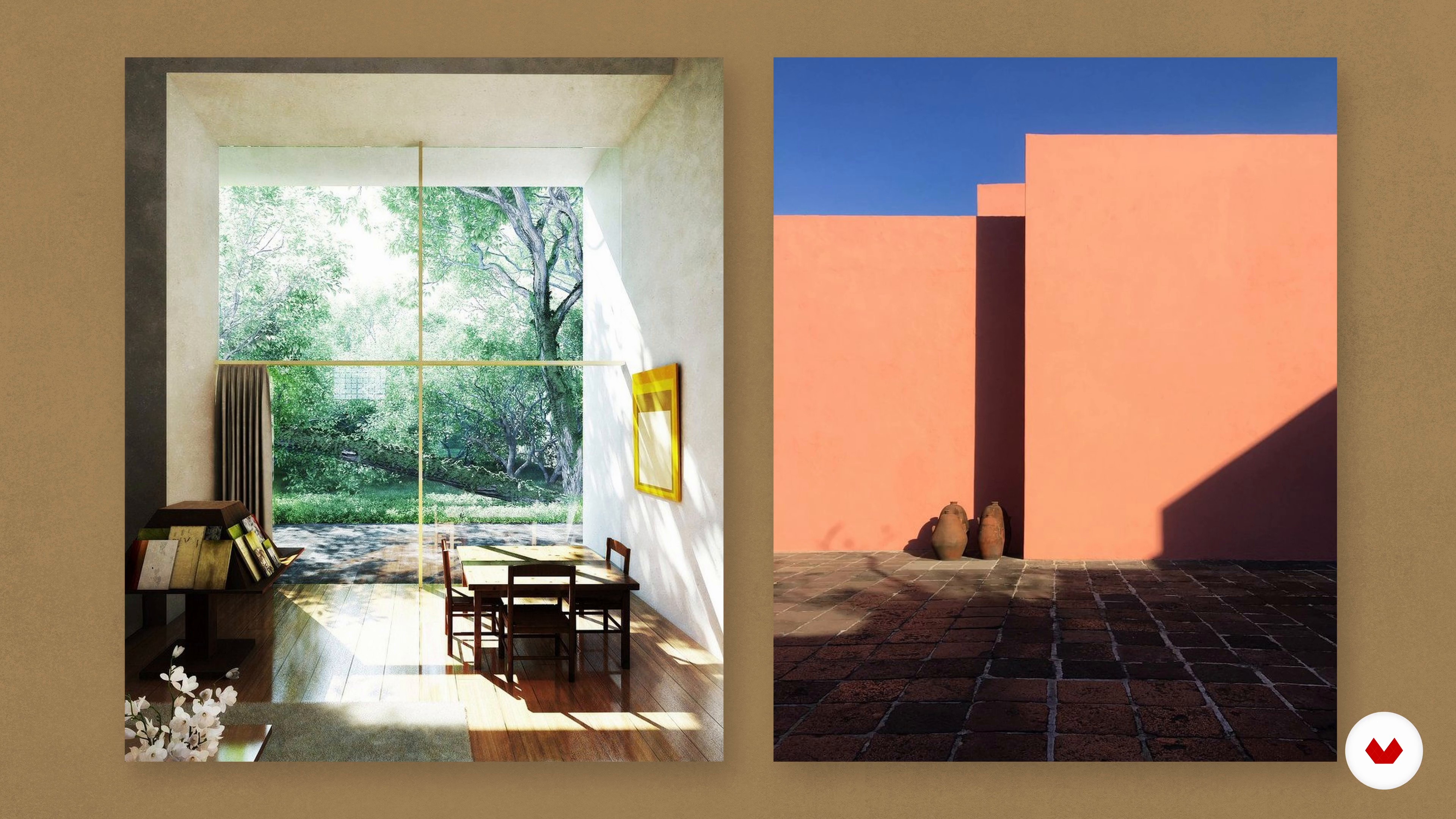
Influences
5 minutes, 46 seconds
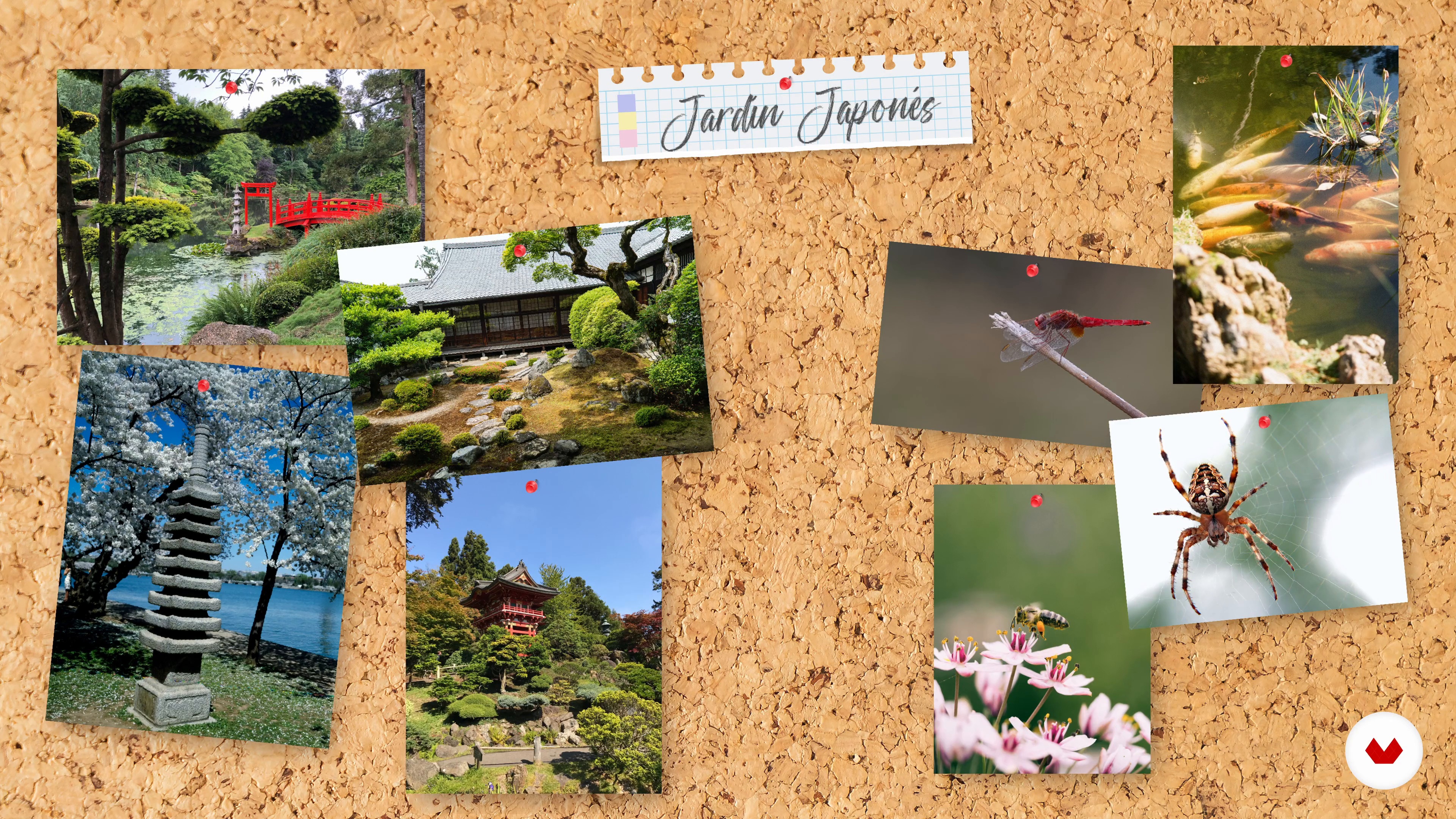
Create the story board
5 minutes, 55 seconds
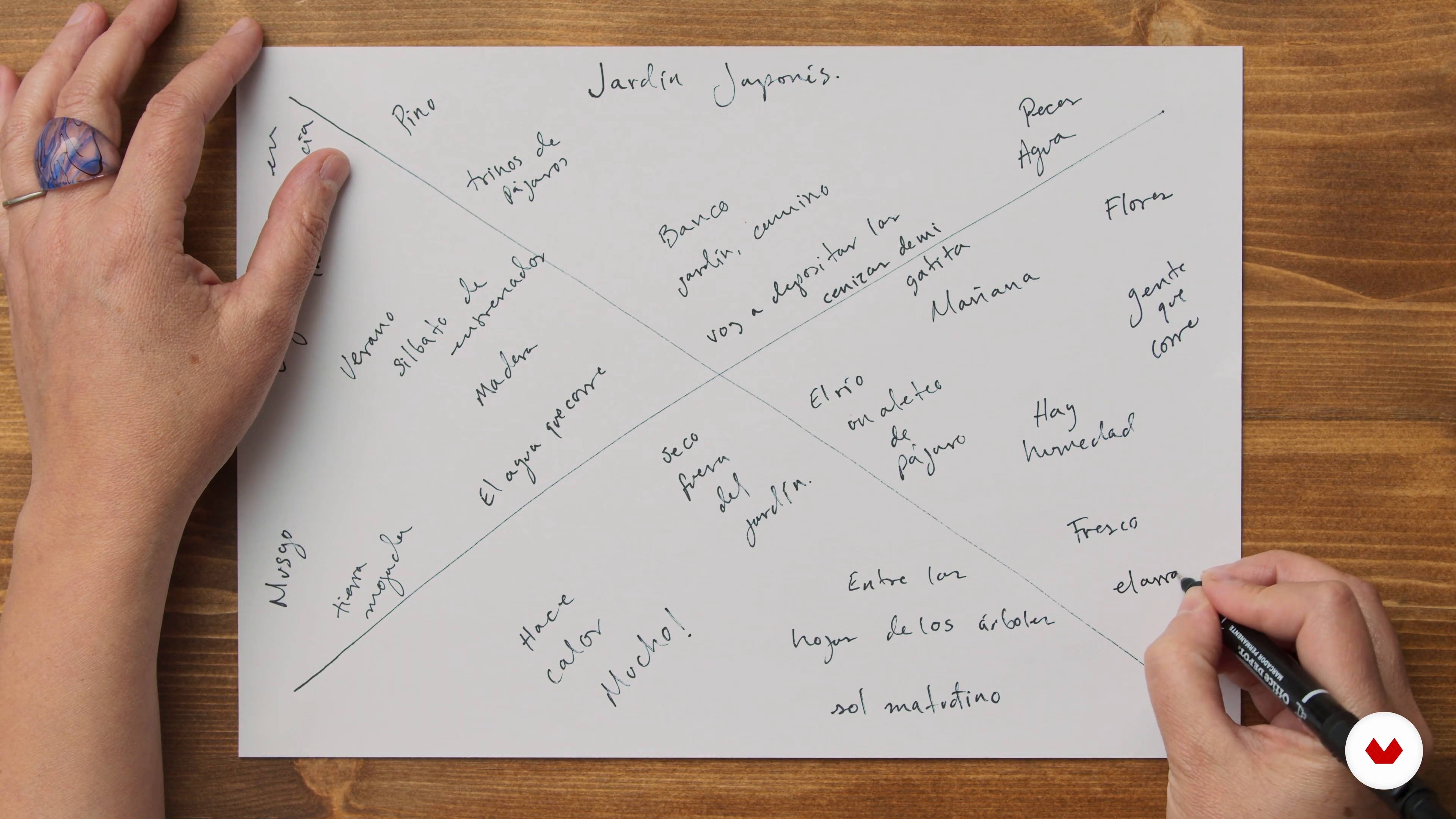
Multisensory spaces
11 minutes, 34 seconds
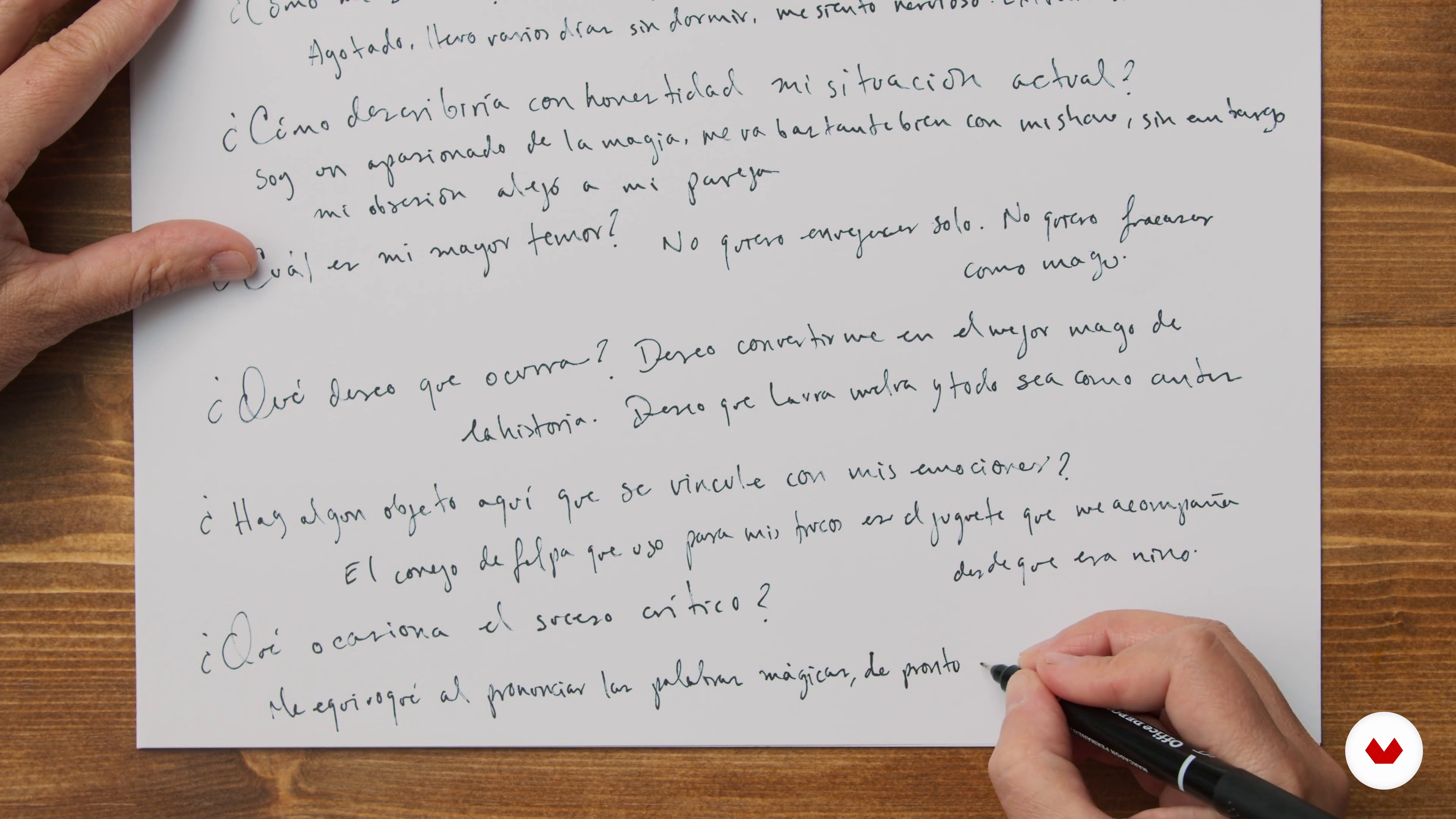
Travel around my room
19 minutes, 57 seconds
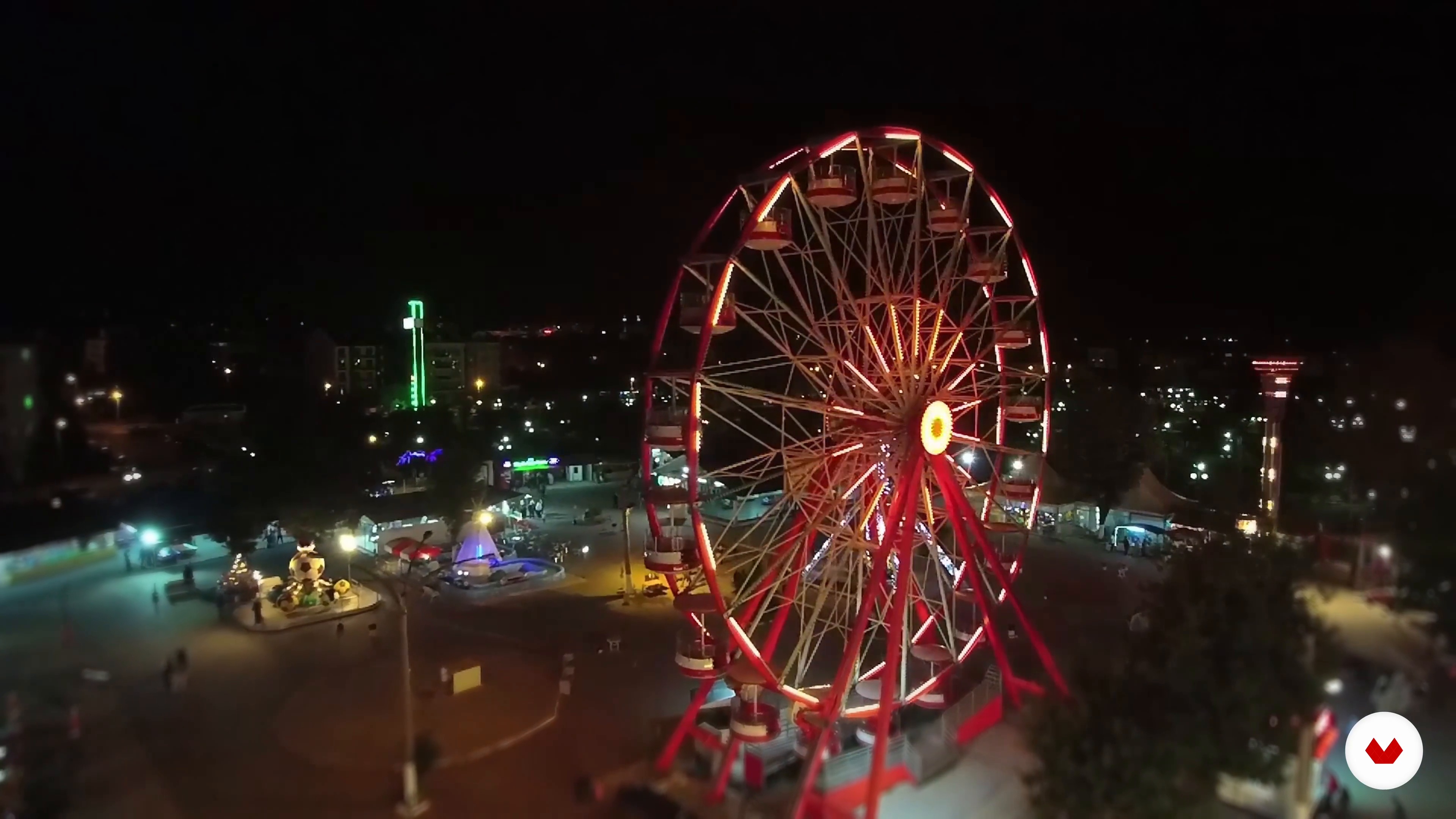
Spaces as characters
15 minutes, 19 seconds

Publish your texts
3 minutes, 55 seconds
What's included in this course?
You will start the course by getting to know your teacher Ave Barrera better, who will talk to you about her career as a writer and will share with you her greatest influences.
Then, you will see the importance of space for writing your story and the different narrative dimensions it can have. Later, you will put on your detective board all the elements and details that help to configure the space of your story and enrich it with sensory experiences.
Next, you will carry out three exercises that will allow you to give life to three different literary prints. First, you will focus on details and sensory perceptions; later, in the interactions between the protagonists; and finally, you will turn the space into a character.
You'll also learn how to weave scenarios with actions to keep the pace of your storytelling. To finish, Ave will give you some tips on writing and publishing your texts.
What is this course's project?
You will write three narrative prints from different situations and scenarios.
Who is this online course for?
Anyone interested in writing, whether with a literary or recreational focus.
Requirements and materials
You will not need any prior knowledge to take this course.
As for materials, prepare paper and pencil, a corkboard or a piece of cardboard attached to the wall, cards, post-its, tape, thumbtacks, and all the printed materials you want to gather, such as magazine clippings, photos or diagrams.
Reviews
- 3 months ago
Muy bueno
- maristar91PLUS4 months ago
Me gusta mucho la sencillez de la escritora Ave. Describe su proceso creativo de una forma que se antoja seguir "a pie juntillas" sus consejos para iniciar la aventura de escribir.

Her work explores the relationship between characters, the spaces they inhabit, and the world around them, seeking to generate meaningful connections and deepen the reading experience. In addition to her novels "Puertas demasiado pequeñas" and "Restauración," Ave has published short stories, children's books, and artist books, and has taught courses and workshops where she guides her students in constructing stories with meaning, impact, and creativity. Her approach combines literary analysis, reflection on space, and sensory exploration, inviting students to experience new ways of narrating.
Content
- U1
Introduction
- Presentation
- Influences
- U2
Foundations and concepts
- Spaces in the narrative
- The three dimensions of narrative space
- Tools and materials
- Create the story board
- U3
Building spaces with words
- Multisensory spaces
- Travel around my room
- Spaces as characters
- Describing imaginary worlds
- U4
Writing tips
- To write despite everything
- Rewrite and edit
- Publish your texts
- FP
Final project
- Writing narrative spaces
What to expect from a Domestika course
Learn at your own pace
Enjoy learning from home without a set schedule and with an easy-to-follow method. You set your own pace.
Learn from the best professionals
Learn valuable methods and techniques explained by top experts in the creative sector.
Meet expert teachers
Each expert teaches what they do best, with clear guidelines, true passion, and professional insight in every lesson.
Certificates
PLUSIf you're a Plus member, get a custom certificate signed by your teacher for every course. Share it on your portfolio, social media, or wherever you like.
Get front-row seats
Videos of the highest quality, so you don't miss a single detail. With unlimited access, you can watch them as many times as you need to perfect your technique.
Share knowledge and ideas
Ask questions, request feedback, or offer solutions. Share your learning experience with other students in the community who are as passionate about creativity as you are.
Connect with a global creative community
The community is home to millions of people from around the world who are curious and passionate about exploring and expressing their creativity.
Watch professionally produced courses
Domestika curates its teacher roster and produces every course in-house to ensure a high-quality online learning experience.
FAQs
This course is designed for intermediate-level writers—perfect for those with basic writing experience who want to deepen their skills in crafting literary settings and atmospheres.
All you need is a basic understanding of narrative, access to reading materials, and a willingness to write and observe your surroundings. No special technical tools are required.
You’ll learn techniques for describing spaces, creating sensory atmospheres, using spatial symbolism, and developing settings that enhance both plot and characters.
The course covers how to weave spatial descriptions into your narrative using sensory, symbolic, and structural tools, focusing on crafting memorable literary environments.
You’ll be taught how to observe and capture sensory details (sight, smell, touch, hearing, and taste) to enrich your setting descriptions and make readers truly feel the story’s atmosphere.
Yes, the course studies works by authors like Juan Rulfo and Elena Garro to understand how they handle space and atmosphere in Mexican and world literature.
Yes, it includes techniques for using narrative space as a symbolic element and metaphor, adding depth and meaning to your stories.