Artisanal Paper Elaboration
A course by Juan BarbéPaper Engineer
A course by Juan Barbé, Paper Engineer

Learn to create handmade paper using plant fibers
What catches your eye when you see a painting or an illustration? You might marvel at the lines, colors, and textures, but have you ever considered that the paper that lies beneath could be a work of art in its own right?
Centuries ago, paper wasn't mass-produced but handcrafted with artisanal methods that have stood the test of time, and paper engineers like Juan Barbé have dedicated their careers to preserving the artistic value and unsurpassable quality of these traditional techniques. Renowned artists such as Eduardo Chillida, Manolo Valdés, Rafael Canogar, and Antoni Tàpies have trusted his paper with their artwork, exhibiting both their own masterpieces and Juan's in museums and galleries all over the world.
In this online course, learn to create your own handmade paper with plant fibers as Juan walks you through the whole process, from sourcing the plant fibers to pressing and drying them. Discover timeless, traditional ways to produce paper you can use for printing, bookbinding, restoration, decorative art, and all kinds of artistic projects, experimenting with different plant fibers and harnessing the unique colors, textures, and properties offered by each one.
What will you learn in this online course?
13 lessons & 3 downloads
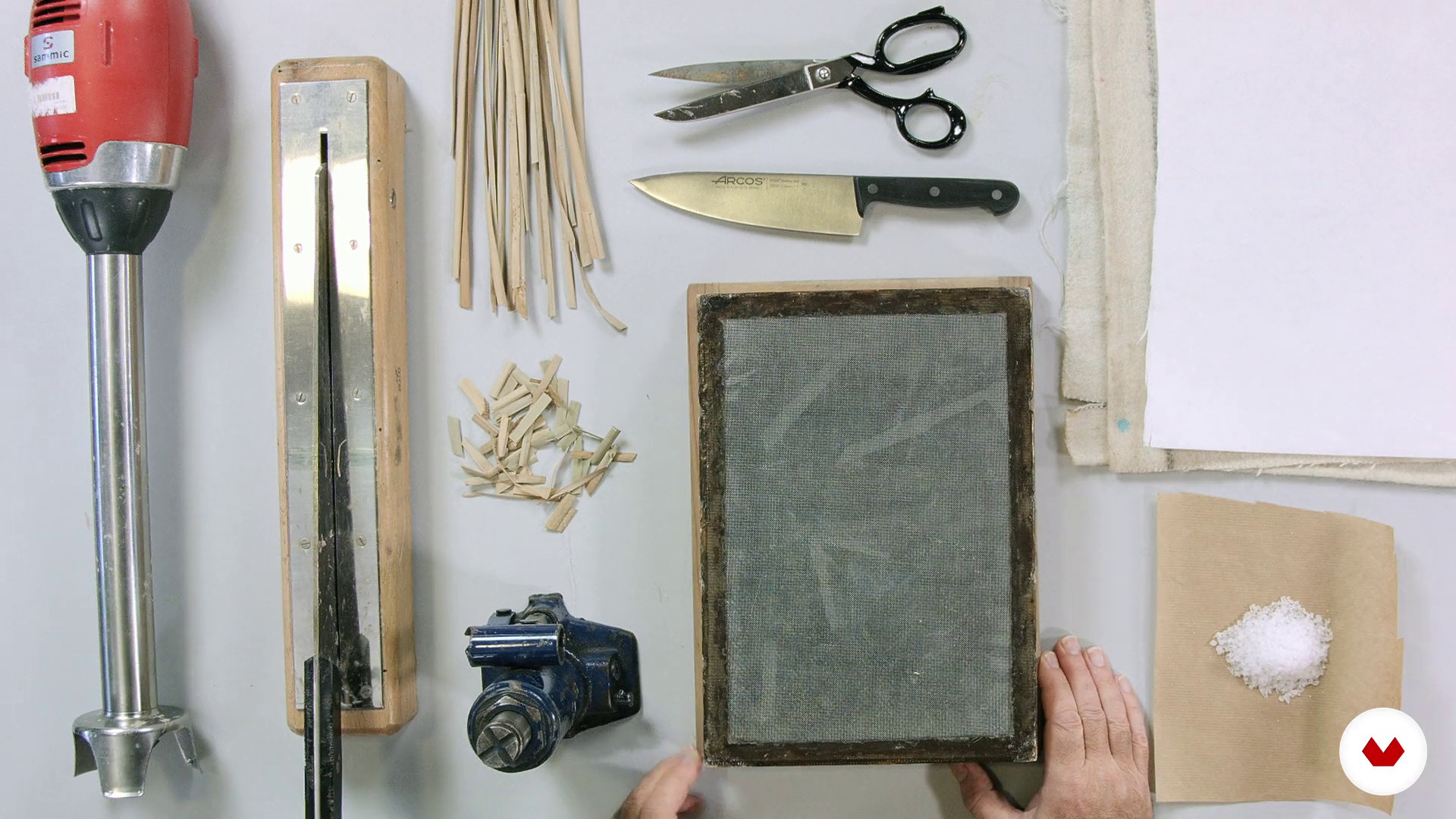
Materials and tools for the project
5 minutes, 34 seconds

What is paper?
2 minutes, 26 seconds
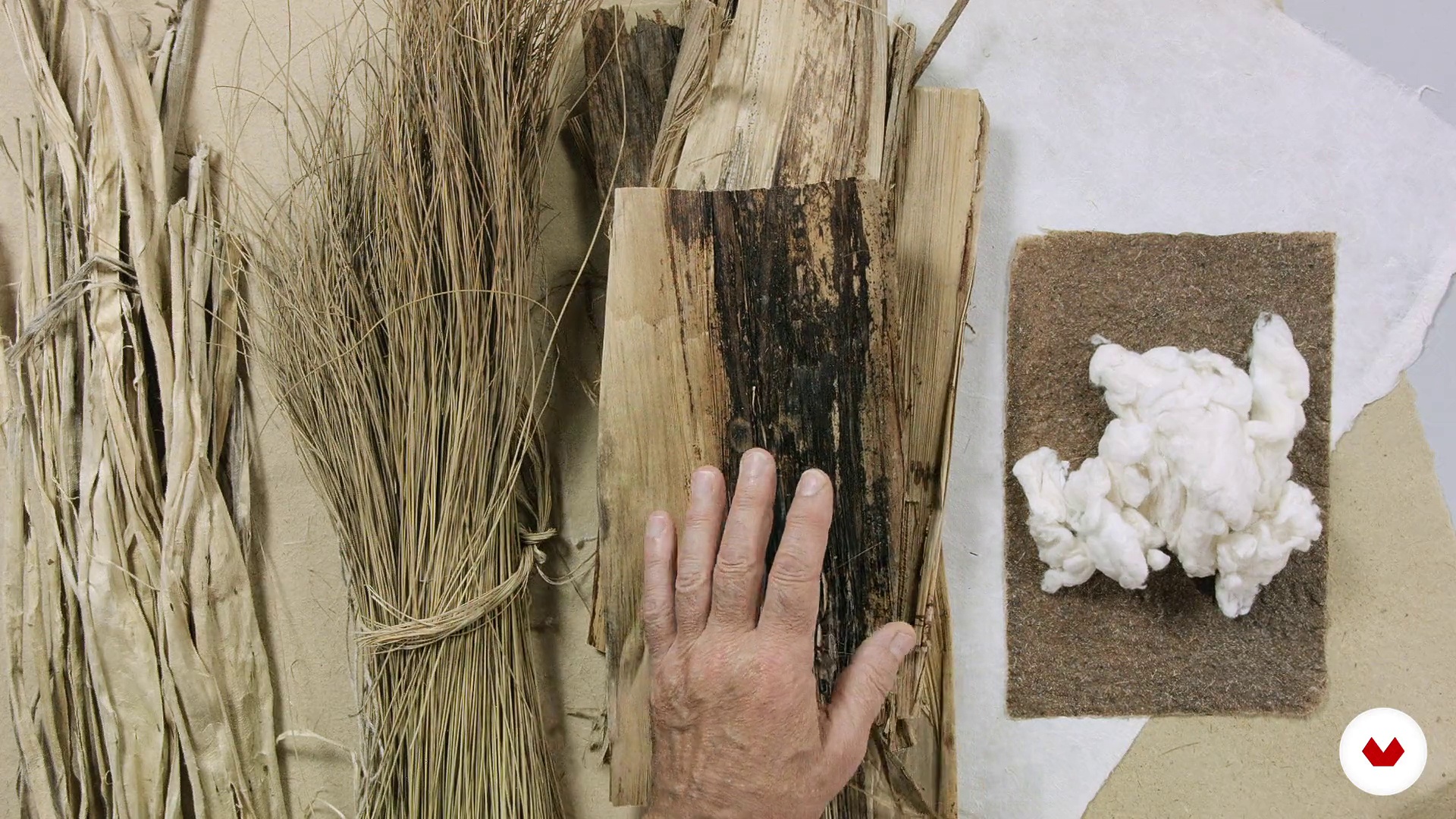
Fiber location, collection, storage and drying
3 minutes, 52 seconds
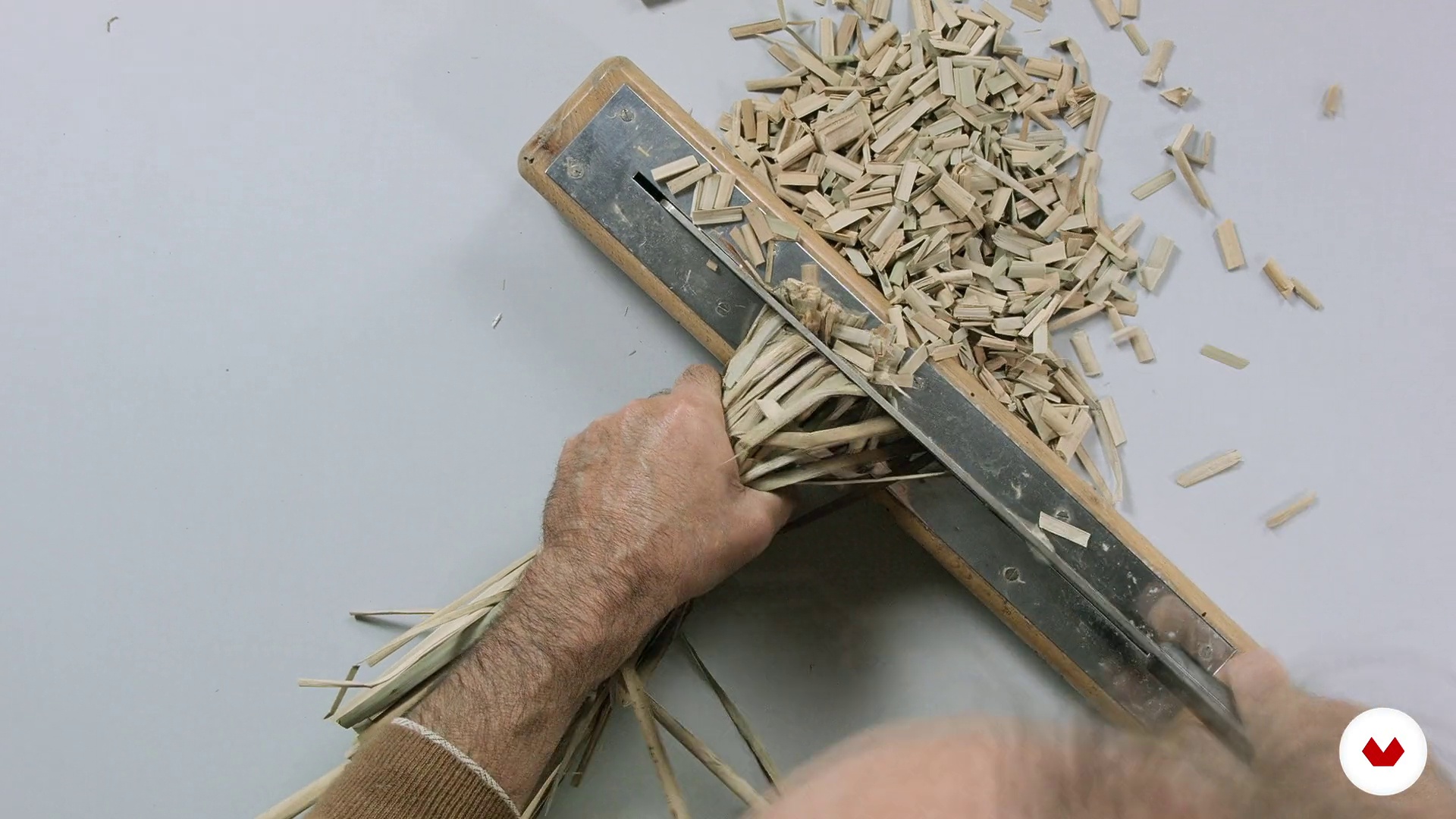
Preparation of the plant
2 minutes, 11 seconds
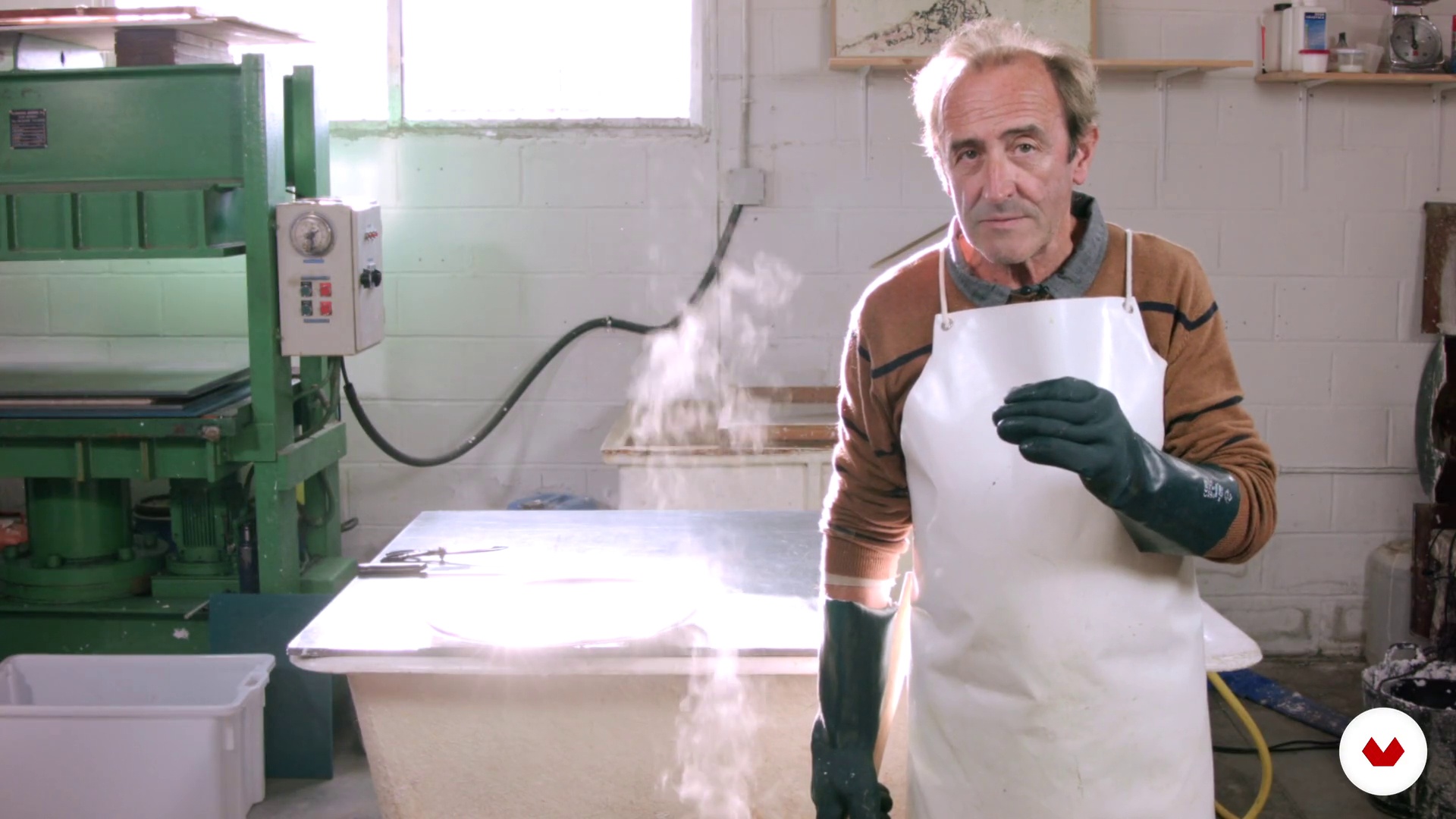
Cooking methods
2 minutes, 57 seconds
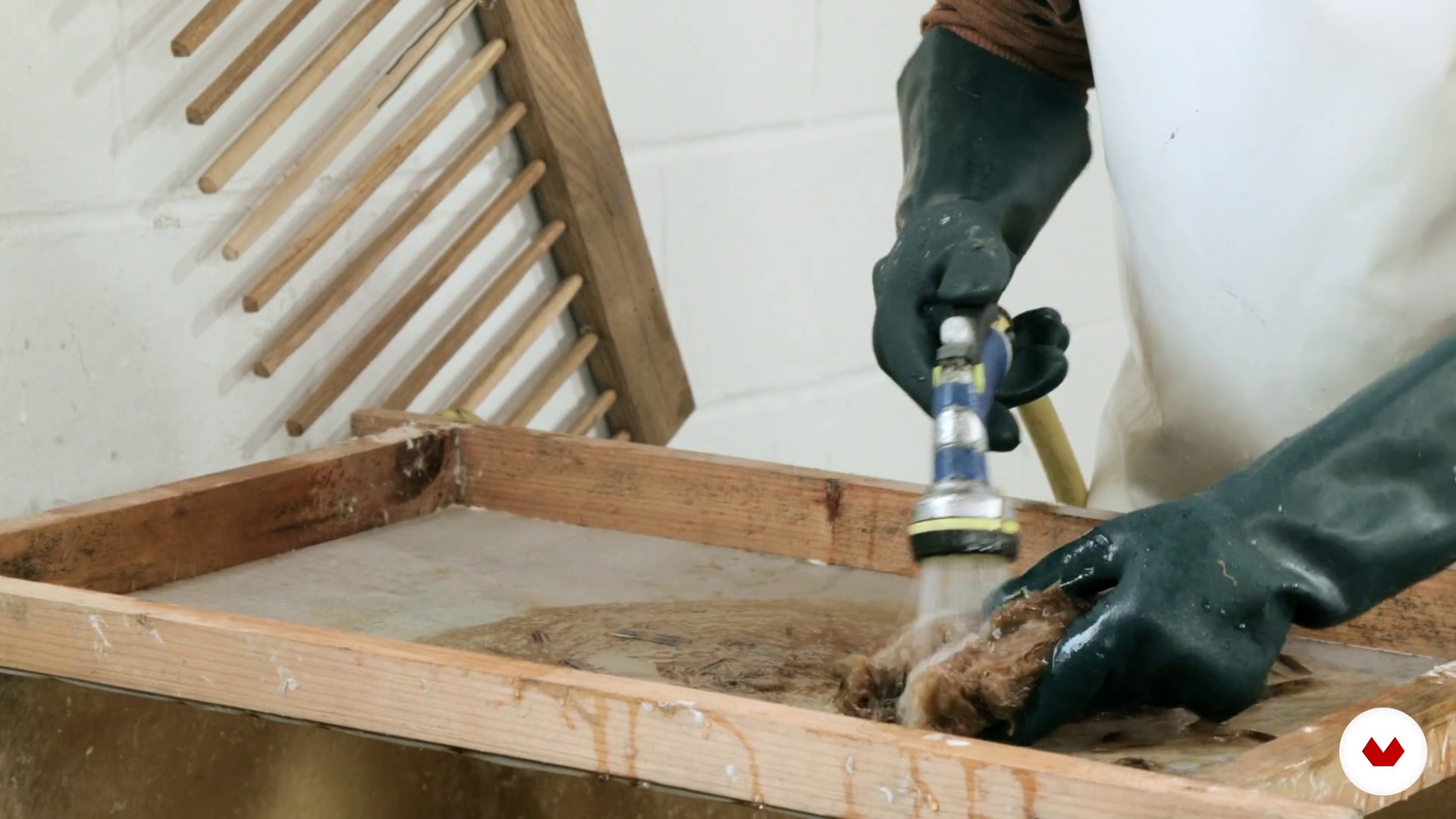
Washed
2 minutes, 58 seconds
What's included in this course?
Get started by exploring Juan Barbé's work and his influences as he describes how he made a career out of artisanal papermaking. He then reveals everything you need to know about the materials required for this craft.
Next, he discusses the characteristics of paper, how to identify the fiber in a plant, and how to source it, store it, and dry it to obtain high-quality fiber you can use to create your own paper.
Once you're familiar with the entire process involved in sourcing plant fibers, it's time to get to work. Juan guides you through the treatment that the plant needs to undergo to become pulp slurry, showing you how to cut the plant, clean it, and cook it to eliminate all unnecessary substances.
Finish up by learning how to extract, press, and dry the pulp slurry to obtain your own sheet of handcrafted paper and use it for any artistic project you want.
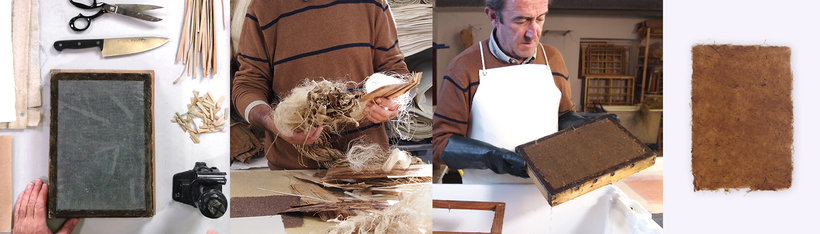
What is this course's project?
Create your own high-quality, handmade paper out of cattail plant stalks as Juan guides you through all the traditional processes, from sourcing the plant fibers to pressing and drying your paper.
Projects by course students


Who is this online course for?
Artists, illustrators, bookbinders, artisans, paper-restoration specialists, and anyone interested in exploring the art of artisanal papermaking.
Requirements and materials
No prior knowledge is necessary; Juan walks you through the entire method step by step, just as if you were his apprentice.
As for materials, you need cattail plant stalks, alkali, a deckle and mold, a paper press, cutting utensils, felts, and fabric interfacing. All these materials are easy to find, but Juan also reveals some alternatives so that you have no trouble finding what you need for your final project.
Reviews
- ardePLUS1 month ago
Je ne doute pas des connaissances et de la pédagogie du professeur, mais ici, je ne vais pas pouvoir être positif quant à la qualité du cours. Il y a très très peu de matière, très peu de connaissances partagées, en un mot, le contenu est franchement pauvre. A vrai dire, c'est le genre de chose qu'on trouve très facilement gratuitement sur Youtube. Donc je suis franchement déçu.
- 6 months ago
Muy claro todo ,es un curso para recomendar.
- 8 months ago
El mejor curso del mundo sobre papel. Fascinada.
- 1 year ago
While the subject is fascinating and the teacher's knowledge extensive, this course is far too brief and almost just like the headlines of a newspaper only instead of also the news article.
- 1 year ago
Really enjoyed the course, thank you!

He founded Eskulan studio in 1983, and since then, he has led a number of workshops all over the world in collaboration with Instituto Cervantes, teaching at La Facultad de Bellas Artes in Damascus, the Jordan National Museum in Amman, and in Tangier. He collaborated with La Fundación ArtSur in Nicaragua for several years, helping to optimize a workshop specialized in banana-fiber papermaking in Malacatoya and opening another workshop in Granada. He also took his talents to Mexico, collaborating at La Ceiba Gráfica and in Oaxaca.
In 2017, he published his own book, Las plantas y su papel: 102 recetas papeleras, detailing a variety of papermaking methods.
He continues to teach courses and lead workshops all over Spain, working with artists both locally and abroad, and he travels all over America and Asia every chance he gets, visiting different papermaking organizations and getting to know the local artisans and their workshops.
Content
- U1
Introduction
- Presentation
- Influences
- Materials and tools for the project
- U2
Where does the paper come from?
- What is paper?
- Fiber location, collection, storage and drying
- Preparation of the plant
- U3
How to make paper
- Cooking methods
- Washed
- Fiber milkshake
- Leaf formation
- Pressing and drying
- U4
Applications and final recommendations
- Applications and uses
- Final recommendations
- FP
Final project
- Crafting of paper
What to expect from a Domestika course
Learn at your own pace
Enjoy learning from home without a set schedule and with an easy-to-follow method. You set your own pace.
Learn from the best professionals
Learn valuable methods and techniques explained by top experts in the creative sector.
Meet expert teachers
Each expert teaches what they do best, with clear guidelines, true passion, and professional insight in every lesson.
Certificates
PLUSIf you're a Plus member, get a custom certificate signed by your teacher for every course. Share it on your portfolio, social media, or wherever you like.
Get front-row seats
Videos of the highest quality, so you don't miss a single detail. With unlimited access, you can watch them as many times as you need to perfect your technique.
Share knowledge and ideas
Ask questions, request feedback, or offer solutions. Share your learning experience with other students in the community who are as passionate about creativity as you are.
Connect with a global creative community
The community is home to millions of people from around the world who are curious and passionate about exploring and expressing their creativity.
Watch professionally produced courses
Domestika curates its teacher roster and produces every course in-house to ensure a high-quality online learning experience.
FAQs
You’ll learn the entire process of turning plant fibers into handmade paper: gathering, preparing, cooking, beating, sheet forming, pressing, and drying, plus techniques to customize and apply your paper in creative projects.
This course is designed for people with basic to intermediate skills in visual arts or crafts. You don’t need to be an expert, but having an interest in artisanal processes and natural materials helps.
You’ll need plant fibers, caustic soda, water, a stainless steel pot, a guillotine or scissors, a powerful blender, a sheet mold, a hydraulic jack or press, and surfaces for drying the paper. The course explains accessible alternatives for each tool.
You’ll learn how to identify, collect, and prepare plant fibers depending on their type (stem, bark, leaf, fruit), along with cutting, soaking, and storage techniques to keep their quality before processing.
The course teaches how to cook fibers with caustic soda in a stainless steel pot, control cooking time and pressure, and perform visual tests to remove lignin, ensuring the final paper is strong and high quality.
It includes cooking plant fibers with chemicals like caustic soda to remove lignin and extract cellulose, followed by washing, beating, and sheet forming using water and specialized tools.
Yes, the course equips you to set up your own paper workshop, applying principles of sustainability, circular economy, and managing plant raw materials from selection to final production.