
Captivating Animations in 2D and 3D
A course by OelhanDigital Artist and Motion Designer
A course by Oelhan, Digital Artist and Motion Designer

Deepen your mastery of After Effects and Cinema 4D and learn to model a 3D object with animated ornaments in a universe that is both dark and colorful
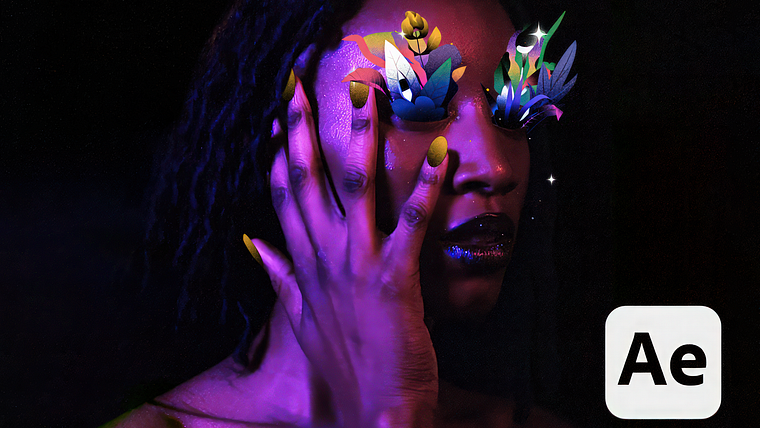
Have you ever wanted to make your illustrations come alive? Make them move and almost dance around? That's exactly what Jordan Coelho aka Oelhan is all about. He is a prolific digital artist and all-rounder who has mastered the art of adding captivating movements to any illustration thanks to motion design.
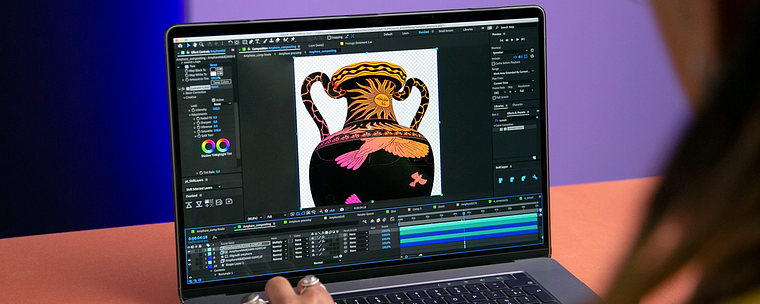
In this comprehensive course, learn to digitally draw an amphora, model it in 3D, and create animated textures in 2D. Make his methods your own and create one-of-a-kind works that seem to dance before your very eyes.
What will you learn in this online course?
30 lessons & 21 downloads
My Visual Style
2 minutes, 7 seconds
Inspiration: Mood Board, Iconographic Research
13 minutes, 39 seconds
Sketch of the Amphora 1
8 minutes, 29 seconds
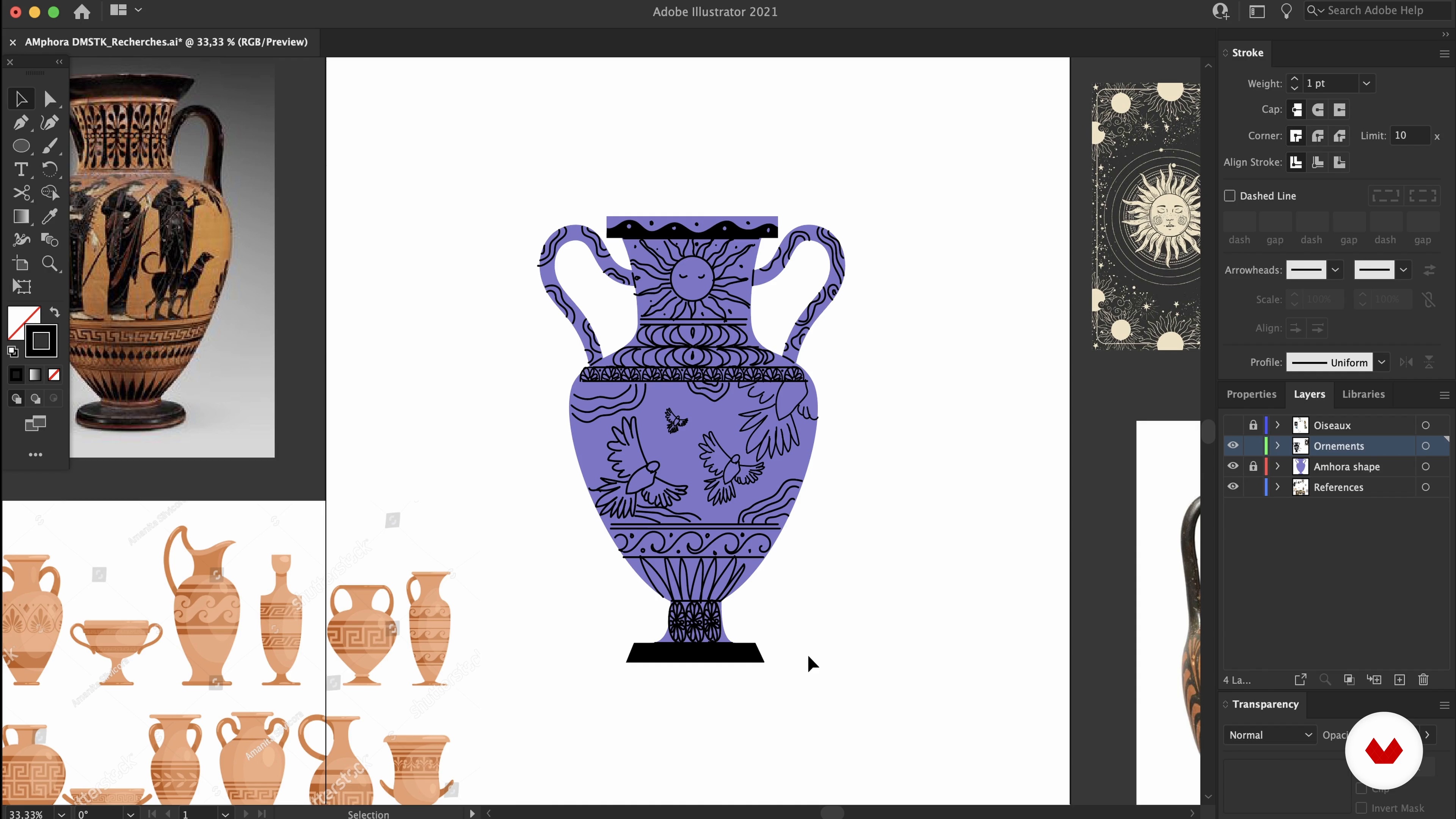
Sketch of the Amphora 2
13 minutes, 45 seconds
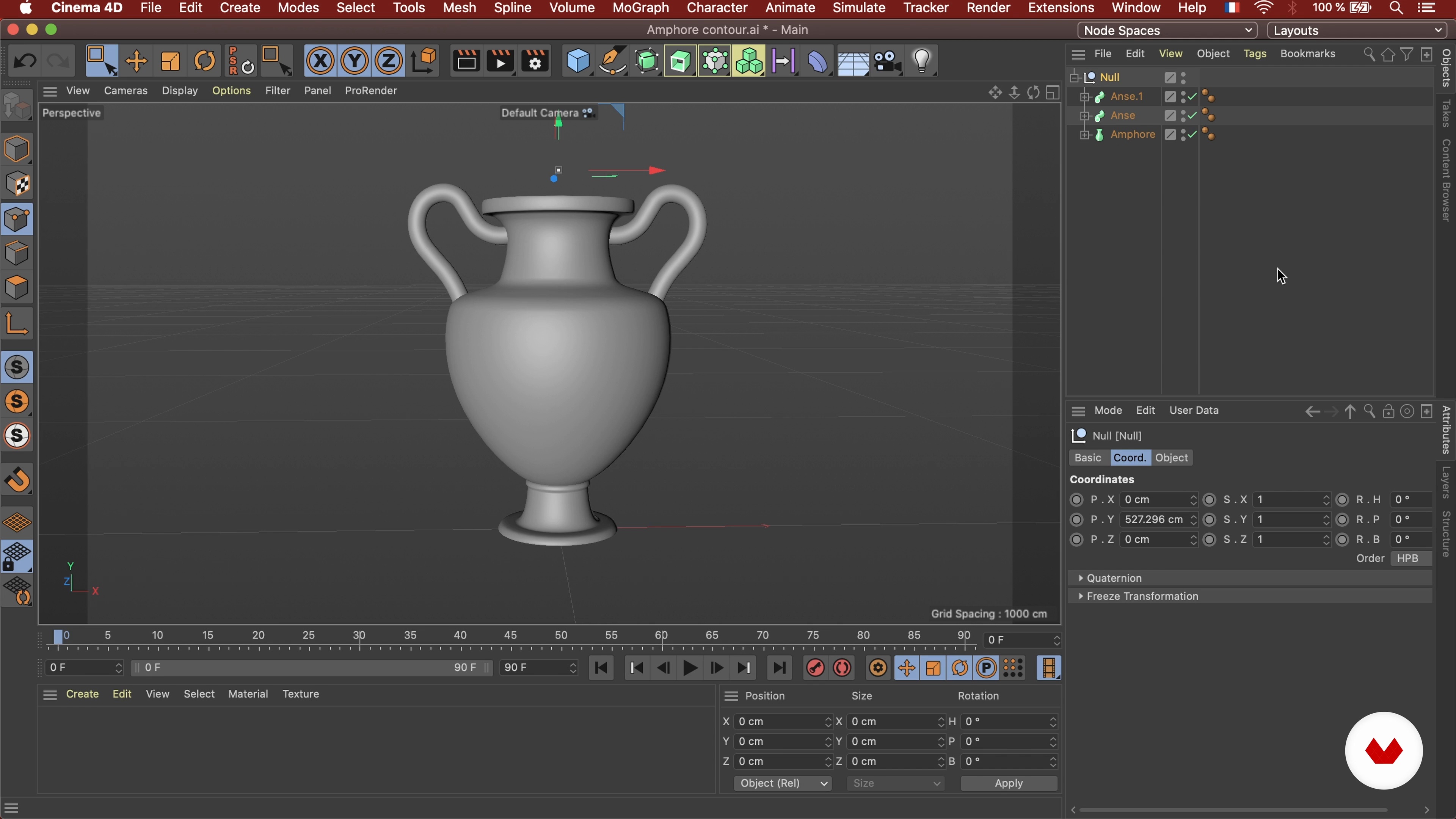
Pottery Class
11 minutes, 57 seconds
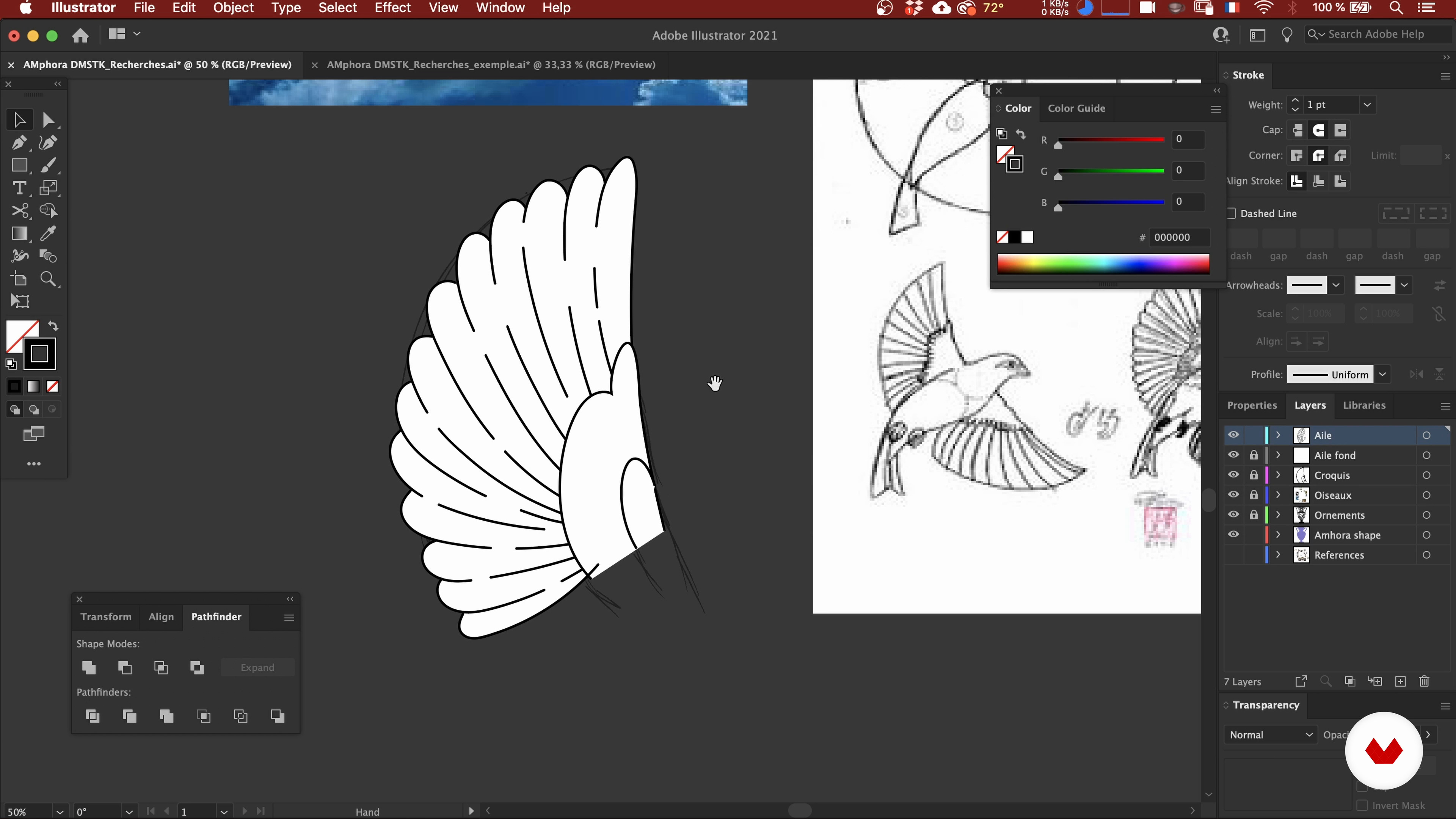
Birds 1
18 minutes, 49 seconds
What's included in this course?
Oelhan starts by introducing himself and explaining his background in animation and digital art. He also talks you through ceramics from the Capitoline museums to give you some background on the object that he has chosen to model in this course: an antique amphora.
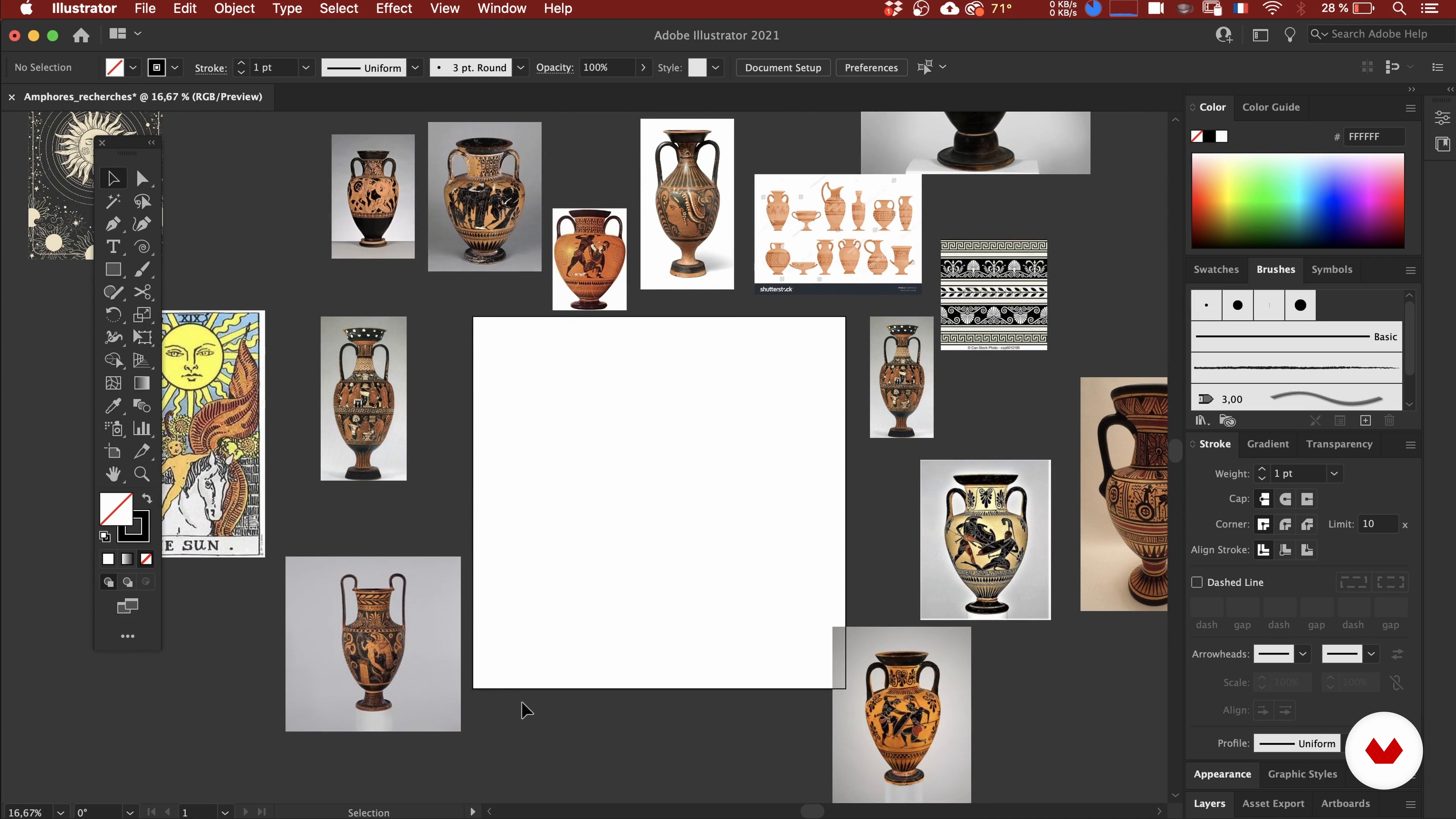
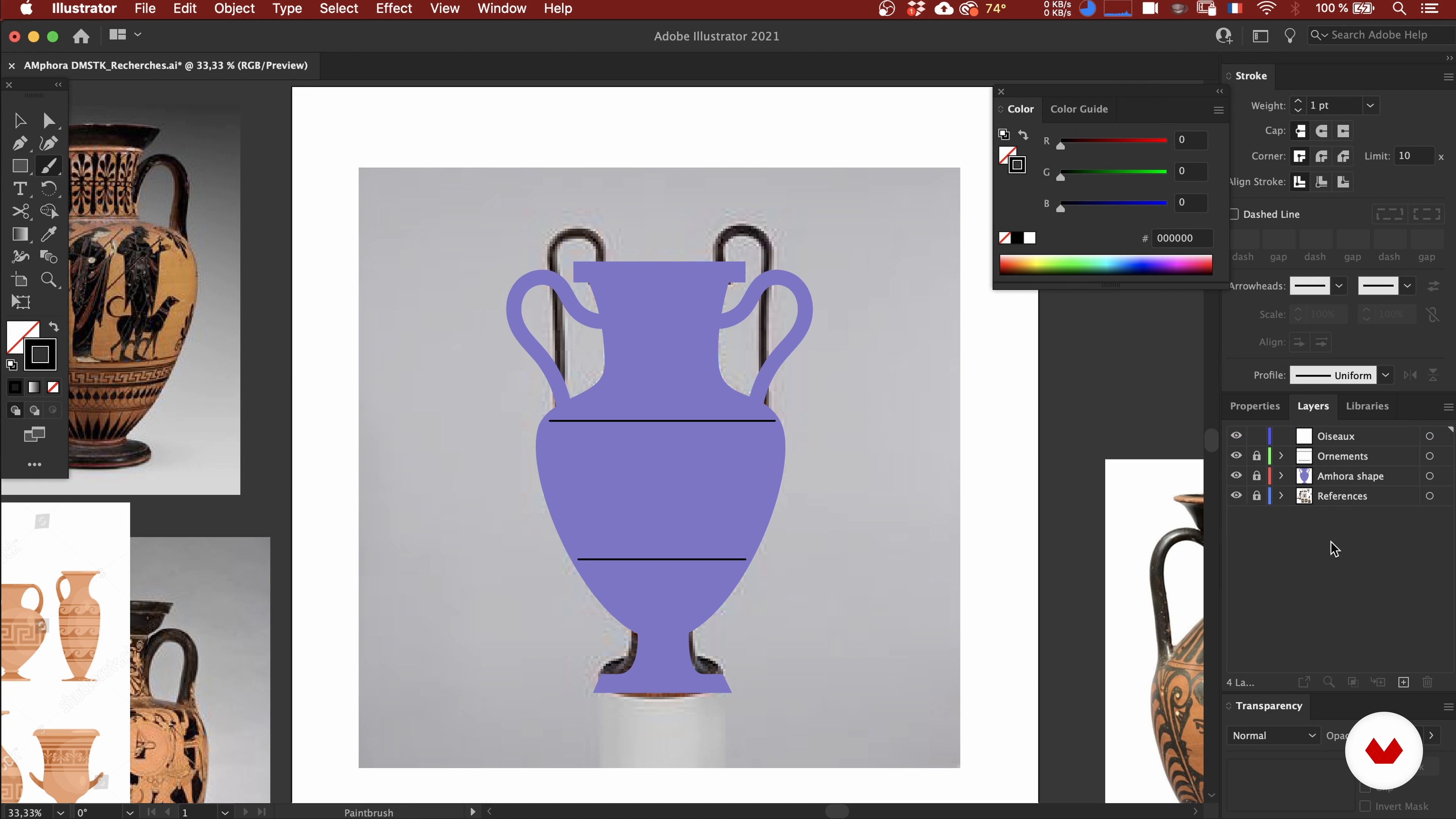
Discover not only his visual universe full of contrasts, but also his creative process. For your prep work, create a digital mood board. Off the back of that, start sketching out the amphora and its decorative elements on Illustrator.
Now it's the moment you've been waiting for—time to model the sketch of your amphora in Cinema 4D. In the second phase, bring the middle part of the amphora to life with animated birds using Illustrator, Cinema 4D, and After Effects. Add animated motifs in 2D to the foot and the upper part of the amphora.
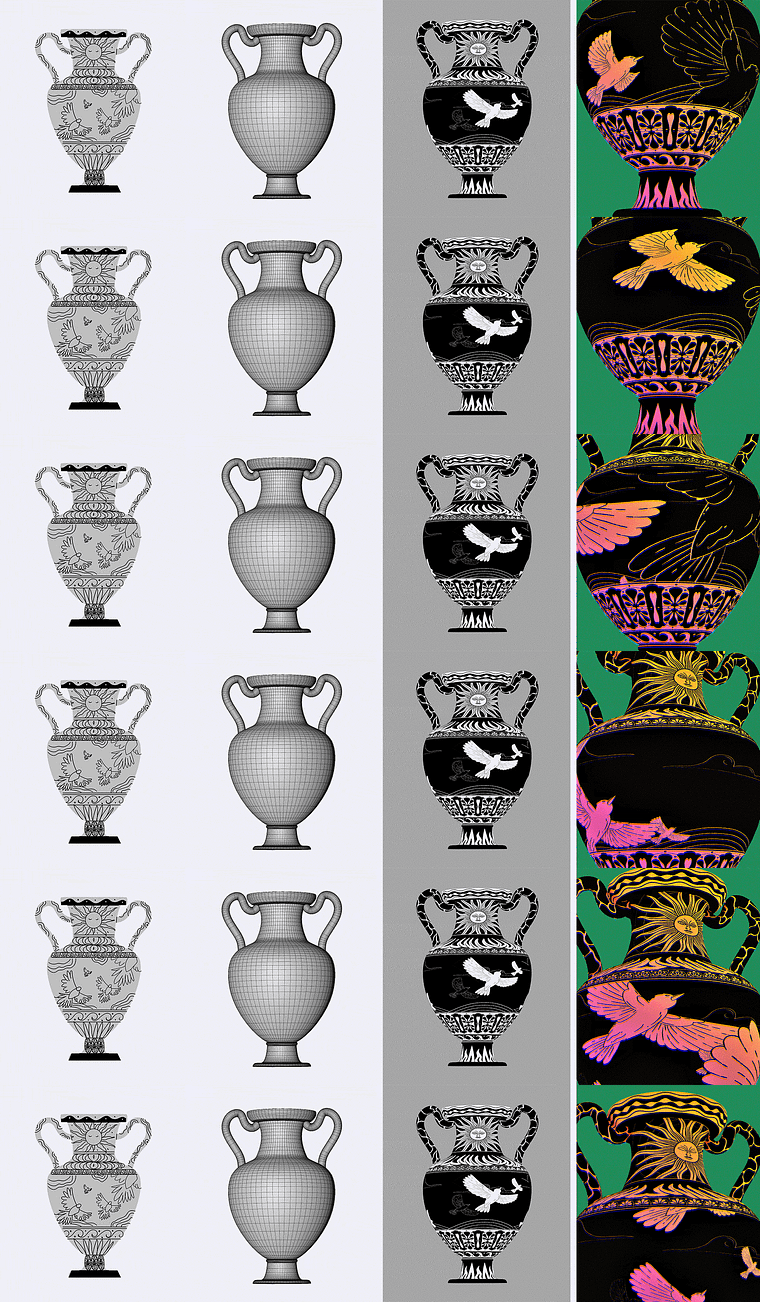
Next, Oelhan shows you how to assemble all the parts. Use texturing in Cinema 4D to apply your animated motifs to the amphora, then create a render in the same software as well as in After Effects. Work on the all-important color phase and add some final effects like ambient occlusion and RGB Split.
Oelhan teaches you to export your file and gives you some final tips to make your day-to-day work as a motion designer much easier. Get ready to animate absolutely any object in 3D!
Recommended software & tools for this course
What is this course's project?
Model an antique amphora in 3D with animated decorative elements.
Who is this online course for?
Anyone interested in animating in Illustrator, After Effects, and Cinema 4D.
Requirements and materials
To follow this course, you need to have mastered the basics of Illustrator and animation in After Effects and Cinema 4D.
Reviews
- 4 months ago
wow, great course!
- 2 years ago
Es un muy buen curso para integrar varios programas desde un modelado básico a animación
- 2 years ago
Excelente, muito detalhado e pensando em iniciantes mesmo!
- 3 years ago
Super ! Merci !
- 3 years ago
Muy bueno!

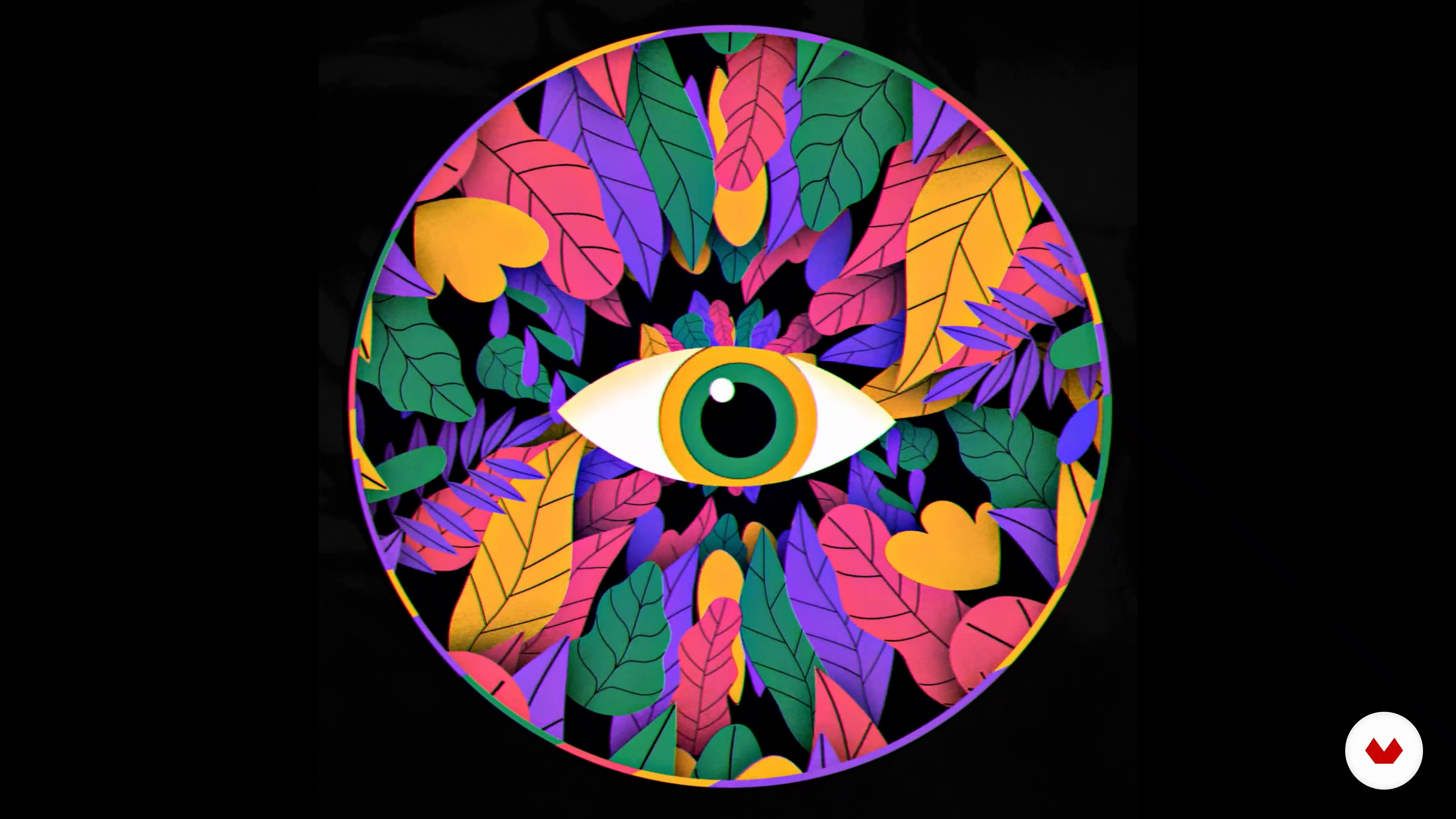
His visual universes are psychedelic and often inspired by nature. He likes to play with contrasts, between hot and cold, dark and colorful, melancholy and joyful, bizarre and ordinary, giving life to unique and bewitching animations.
Content
- U1
Introduction
- About Me
- My Sources of Inspiration
- U2
Preparation
- My Visual Style
- Inspiration: Mood Board, Iconographic Research
- Sketch of the Amphora 1
- Sketch of the Amphora 2
- U3
Design and Animation
- Pottery Class
- Birds 1
- Birds 2
- Birds 3
- Birds 4
- Birds 5
- Ornaments: lower part 1
- Ornaments: lower part 2
- Ornaments: lower part 3
- Ornaments: lower part 4
- Ornaments: upper part 1
- Ornaments: upper part 2
- Ornaments: upper part 3
- Ornaments: upper part 4
- Ornaments: upper part 5
- Ornaments: upper part 6
- U4
Layout and Coloring
- Adding Textures 1
- Adding Textures 2
- Adding Textures 3
- Rendering
- Colorizing the Amphora
- Finishes
- U5
Additional Tips
- Scripts
- Export and share
- FP
Final project
- Captivating Animations in 2D and 3D
What to expect from a Domestika course
Learn at your own pace
Enjoy learning from home without a set schedule and with an easy-to-follow method. You set your own pace.
Learn from the best professionals
Learn valuable methods and techniques explained by top experts in the creative sector.
Meet expert teachers
Each expert teaches what they do best, with clear guidelines, true passion, and professional insight in every lesson.
Certificates
PLUSIf you're a Plus member, get a custom certificate signed by your teacher for every course. Share it on your portfolio, social media, or wherever you like.
Get front-row seats
Videos of the highest quality, so you don't miss a single detail. With unlimited access, you can watch them as many times as you need to perfect your technique.
Share knowledge and ideas
Ask questions, request feedback, or offer solutions. Share your learning experience with other students in the community who are as passionate about creativity as you are.
Connect with a global creative community
The community is home to millions of people from around the world who are curious and passionate about exploring and expressing their creativity.
Watch professionally produced courses
Domestika curates its teacher roster and produces every course in-house to ensure a high-quality online learning experience.
FAQs
This course is mainly aimed at people who already have some basics in illustration or digital animation. Prior knowledge of Illustrator, After Effects, or Cinema 4D is recommended to follow the content effectively.
For this course, it’s best to be familiar with Adobe Illustrator, After Effects, and Cinema 4D. Experience with Adobe Aero is a plus for augmented reality animation, but everything will be explained step by step.
You’ll learn how to create looping animations, 3D model ceramics, integrate animated textures, design moodboards, manage graphic projects, and export visuals ready for the web and social media.
Yes, the course offers plenty of exercises combining 2D elements made in Illustrator and After Effects with 3D objects modeled in Cinema 4D, to create hybrid, visually rich animations.
A powerful computer is recommended for 3D modeling in Cinema 4D and rendering complex animations. At least 8 GB of RAM and a dedicated graphics card are advised.
Yes, you’ll learn to draw, organize, and animate decorative ornaments on amphoras and other 3D objects using vector techniques and advanced texturing.
Through guided exercises, moodboards, and artistic inspiration, you’ll learn to structure your creative process and develop a unique style in digital animation.