Paper Tailoring: Illustrating with Scissors
A course by Sr. GarcíaCut-and-Paste Illustrator
A course by Sr. García, Cut-and-Paste Illustrator

Learn to illustrate an editorial article with the collage technique
With nothing but a pair of scissors and a bit of imagination, Sr. García teaches you how to make a collage to illustrate a magazine article. Discover how to tackle commissions and complete them quickly with various techniques. During your journey, learn to get results that have an aesthetic and communicative impact on the viewer. In addition, Sr. García teaches you how to work with raw material—paper—and shows you where to acquire great cut-out material and how get your hands on some simple tools: irony, surrealism, and a pile of old magazines. Welcome to Sr. Garcia's paper-tailor shop (keep in mind: a pencil and computer mouse are not allowed).
What will you learn in this online course?
10 lessons & 11 downloads
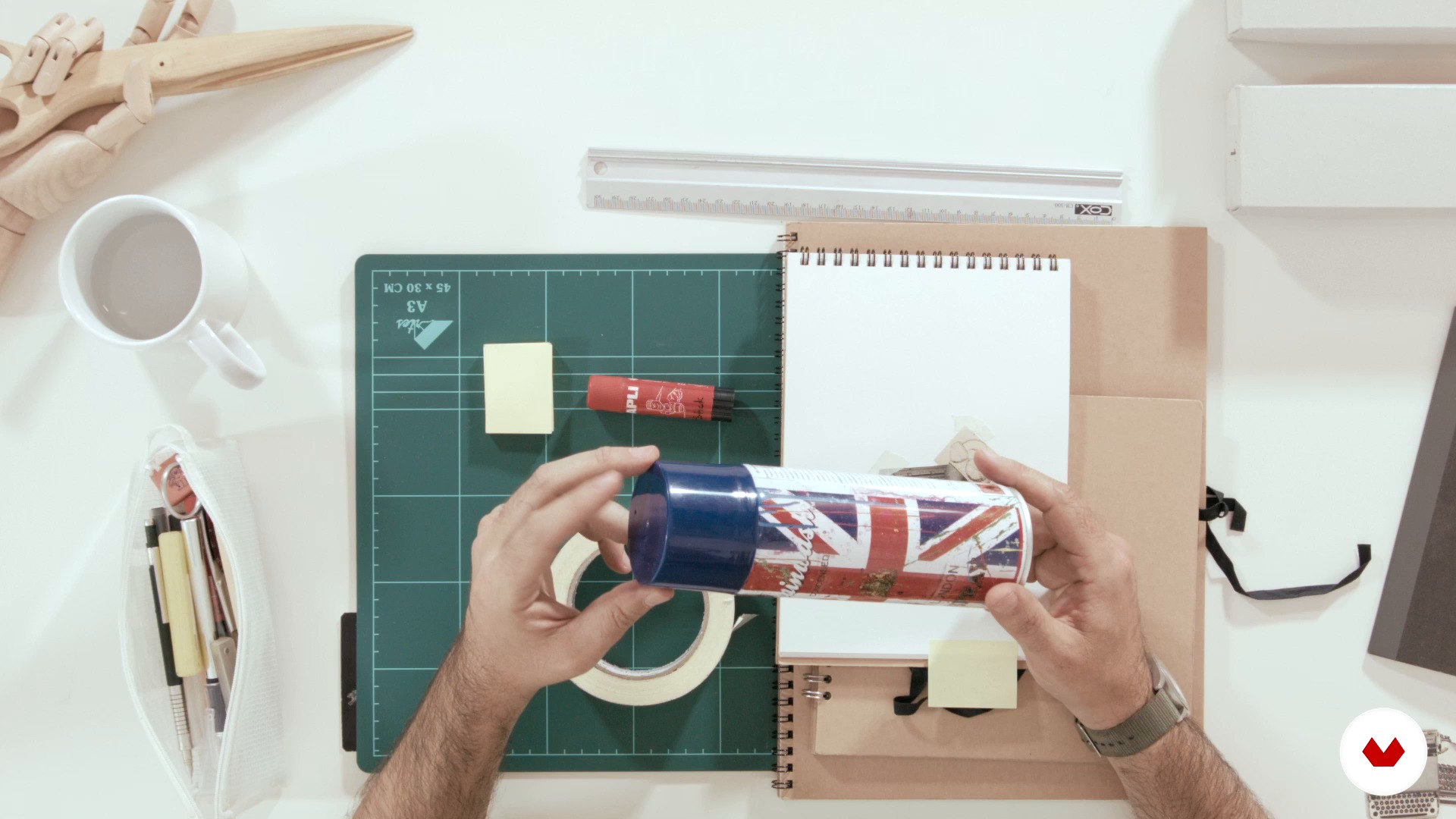
The few tools that I need
6 minutes, 30 seconds
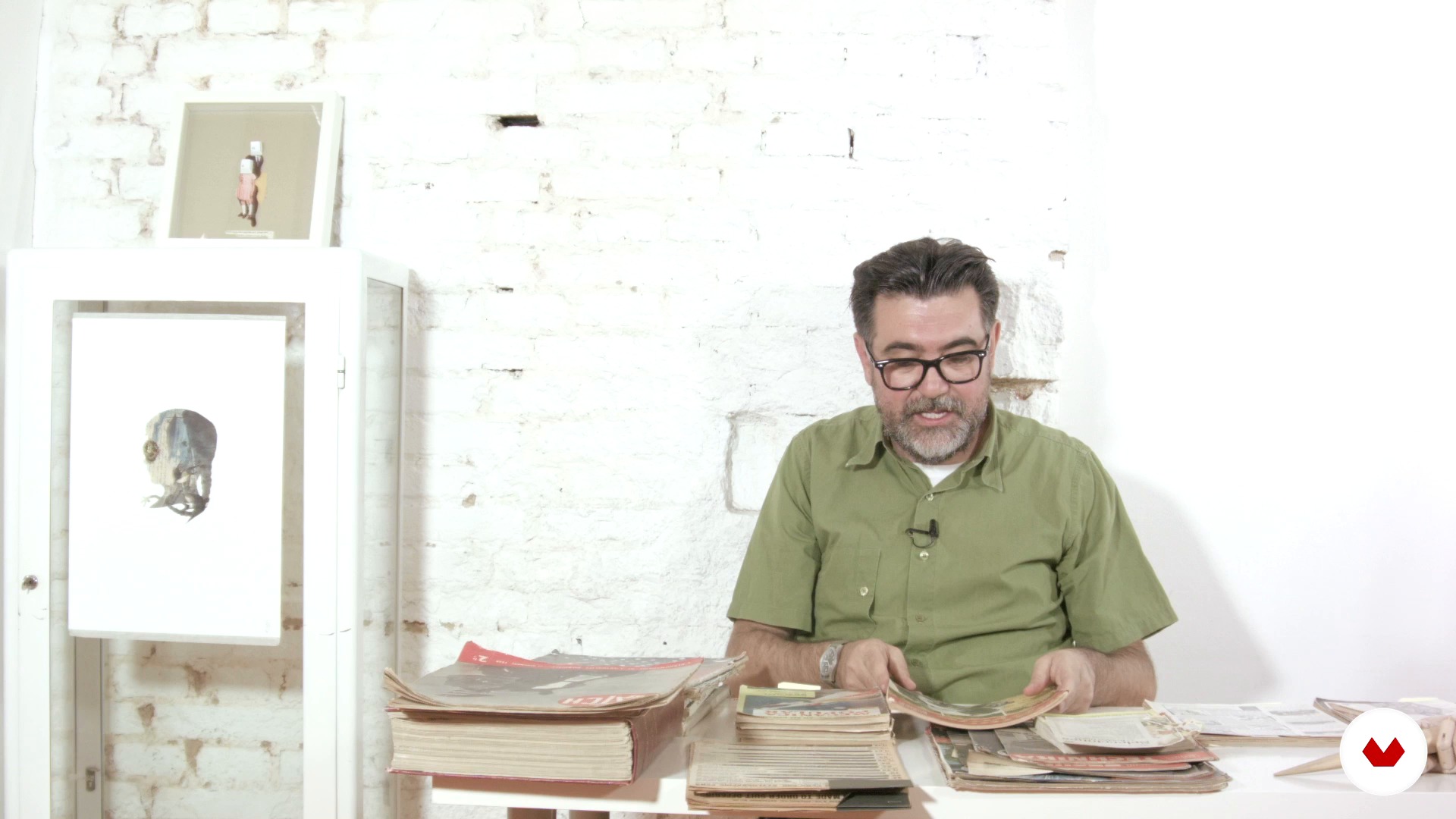
Raw material, magazines and paper
4 minutes, 0 seconds

Search to find
4 minutes, 14 seconds
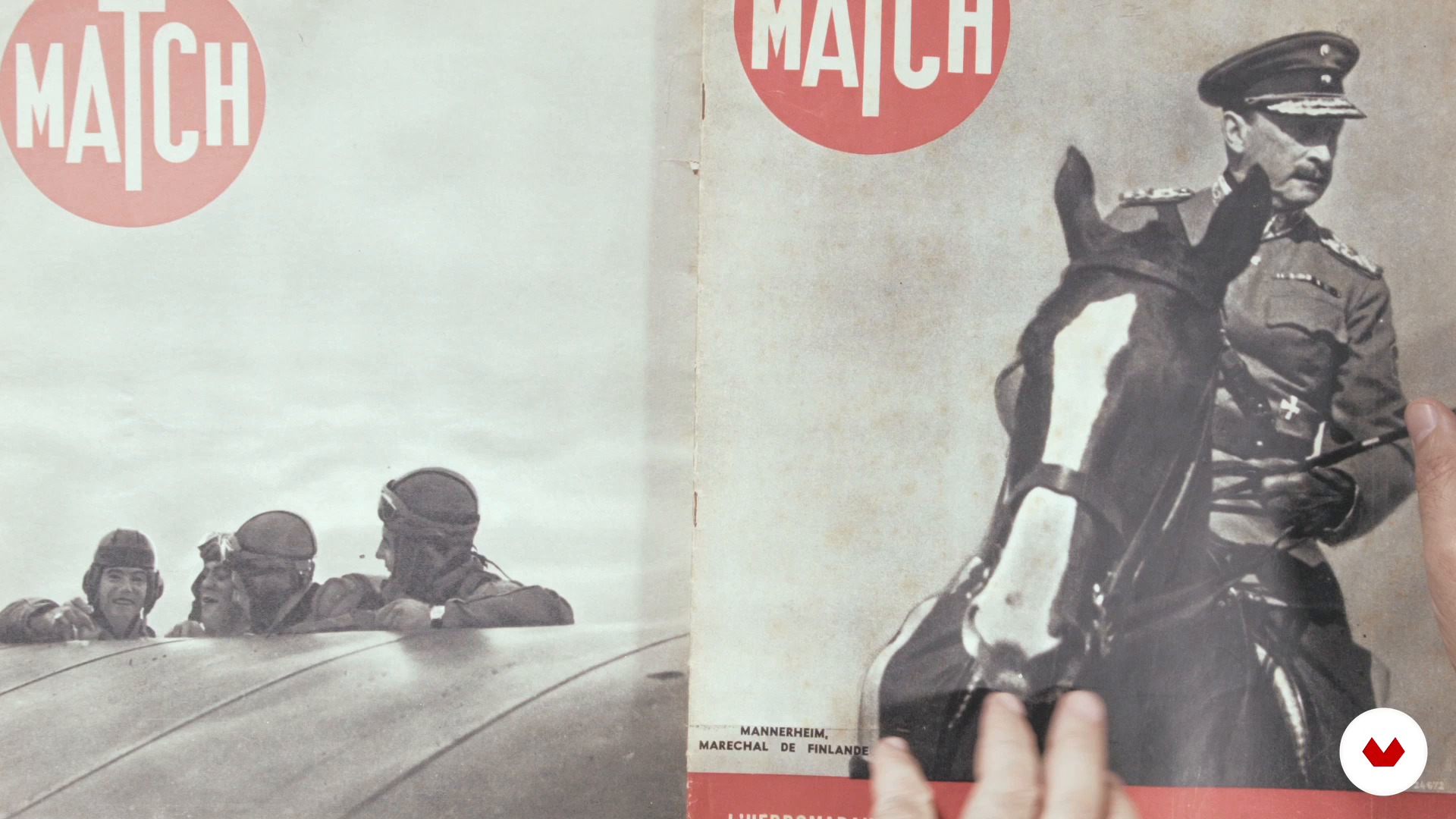
Illustration based on a keyword
6 minutes, 44 seconds
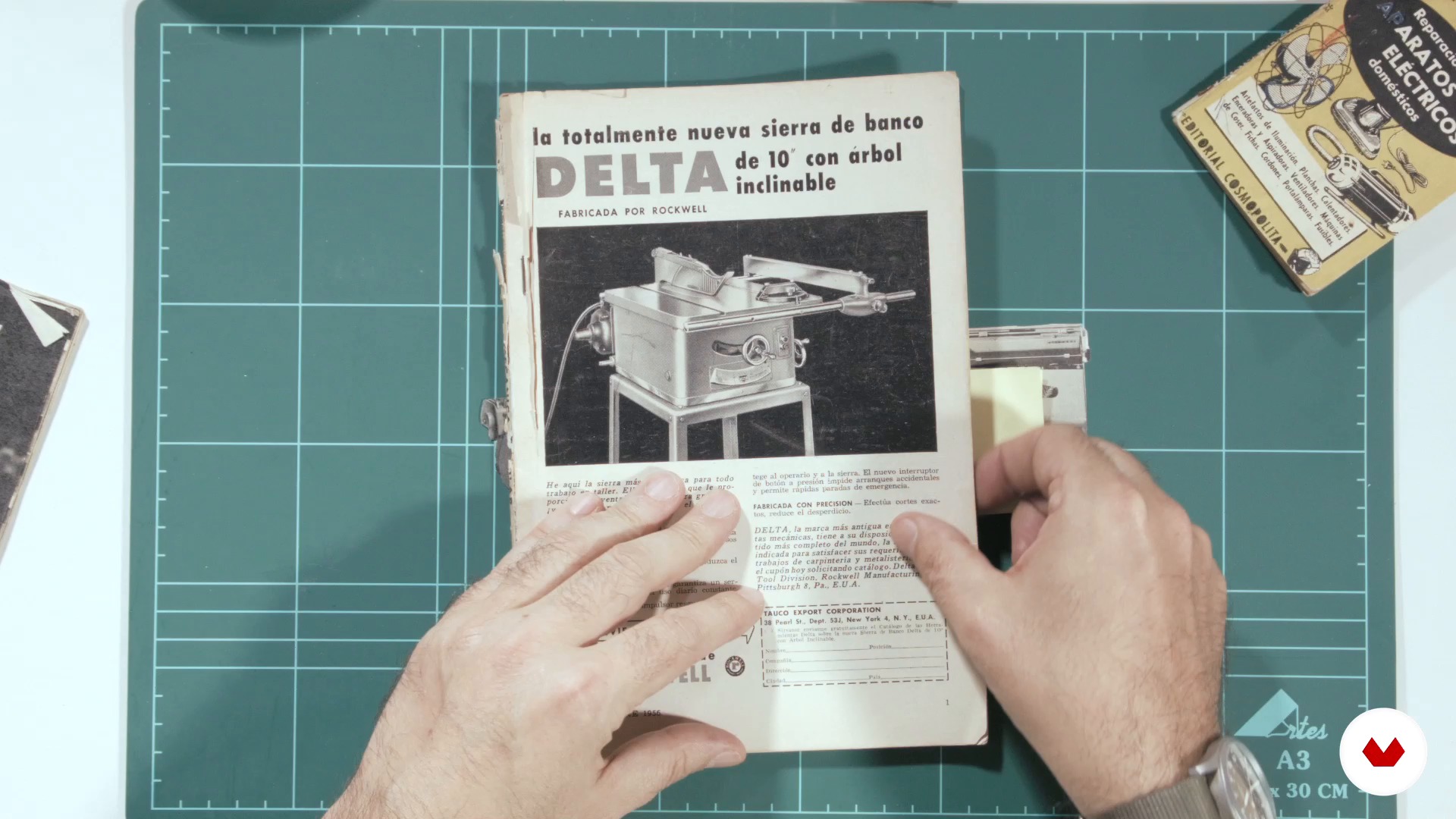
Illustration based on an image
7 minutes, 26 seconds
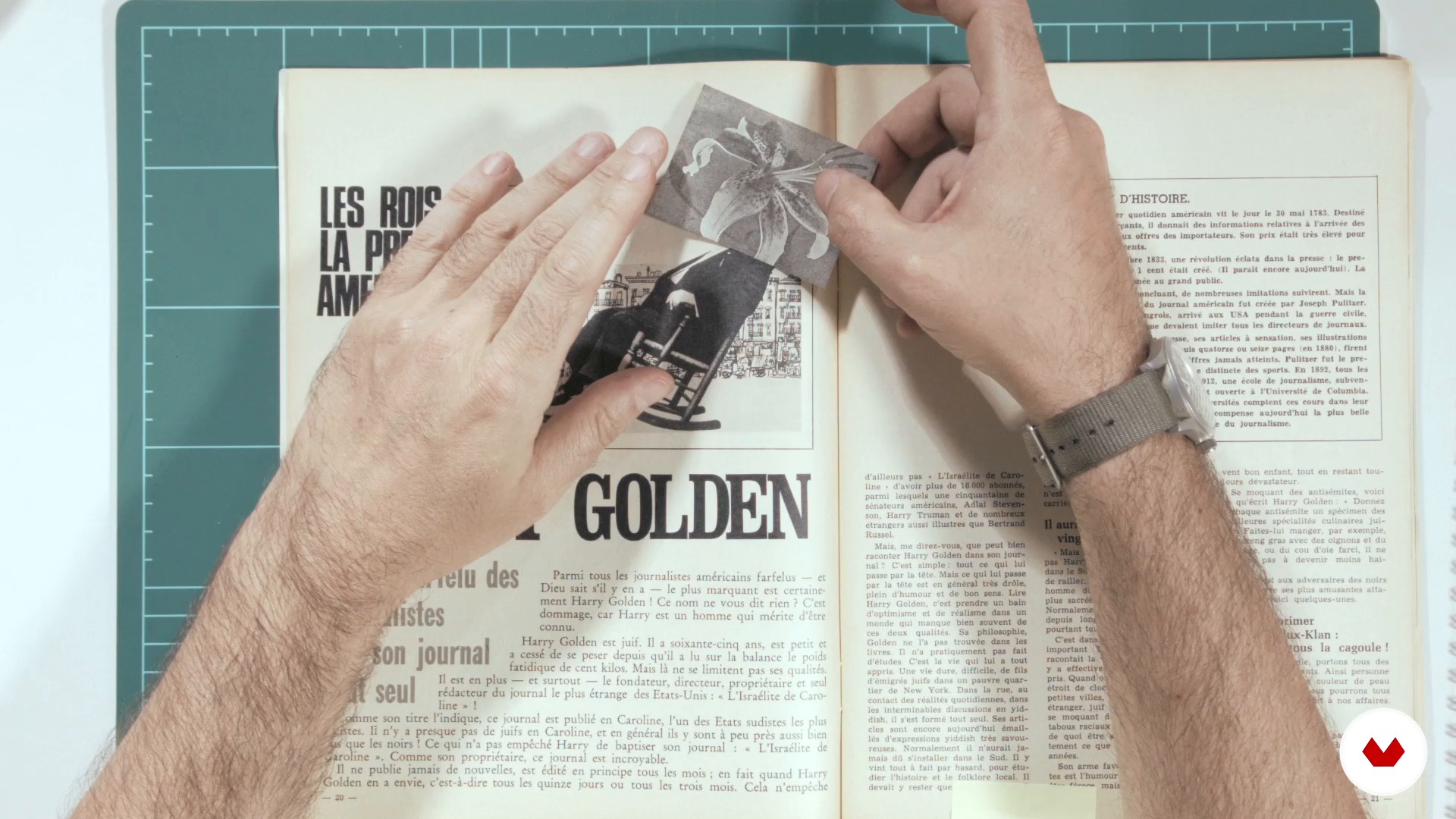
Illustration based on a long story
9 minutes, 38 seconds
What's included in this course?
In this course, Sr. García tells you about his influences and inspirations, and shows you where to find interesting graphic material to make collages (accompany him on an exploration of the El Rastro flea market). Once you have the necessary materials, he shows you three different examples of illustration: one based on a keyword, one based on a key image, and one that summarizes a long article. Lastly, Sr. García gives you recommendations and tips to prepare your illustration, knowledge that he has acquired throughout his professional career as an illustrator and collagist that can be useful when focusing on both the communication and design aspects of your projects.

Who is this online course for?
This course is for any illustrator, designer, or ordinary person who wants to exchange their pencils and computers for scissors, at least for a few hours.

Requirements and materials
Are you a good observer? Perfect. That is the base you need to make an impressive editorial collage. No prior knowledge is necessary for this course, just some very basic tools: scissors, a cutter, some adhesive, and, above all, a handful of old magazines.

Reviews
- 2 months ago
Es muy buen curso, me gusta la generosidad y simpleza con la que explica, 100% recomendado
- 4 months ago
Excelente curso. Me encanta la facilidad y la didáctica empleada. Las prácticas son fabulosas para practicar el Collage en su minimalismo. Felicidades.
- 7 months ago
Un diálogo con el alumno y con el taller hacia el concepto/imagen con maestría, naturalidad y perfectamente formulado. Organizado, ameno, con empuje sin quererlo y profunda visión de ampliar todas tus habilidades. Vamos, sin dejar de hilar fino. Muchísimas gracias :)
- 8 months ago
Un curso sensacional, de como la sencillez puede convertirse en arte! Me encantó ser acompañada por tijeras, recortes e ideas. Recomiendo mucho al Sr Garcia, un curso leve, fácil y muy completo.
- shlesingerPLUS1 year ago
Super inspiring well organize an amazing way of communicating ideas,!! don’t miss it

Content
- U1
Why collage
- Collage as a language
- My favorite tailors
- U2
The drawers of a tailor: Tools and "raw material"
- The few tools that I need
- Raw material, magazines and paper
- Search to find
- U3
Frac, sweater, tuxedo? We found out about the order
- Illustration based on a keyword
- Illustration based on an image
- Illustration based on a long story
- U4
The last stitching
- The retouching
- Added to the seams
- FP
Final project
- Paper tailoring: Illustrating with scissors
What to expect from a Domestika course
Learn at your own pace
Enjoy learning from home without a set schedule and with an easy-to-follow method. You set your own pace.
Learn from the best professionals
Learn valuable methods and techniques explained by top experts in the creative sector.
Meet expert teachers
Each expert teaches what they do best, with clear guidelines, true passion, and professional insight in every lesson.
Certificates
PLUSIf you're a Plus member, get a custom certificate signed by your teacher for every course. Share it on your portfolio, social media, or wherever you like.
Get front-row seats
Videos of the highest quality, so you don't miss a single detail. With unlimited access, you can watch them as many times as you need to perfect your technique.
Share knowledge and ideas
Ask questions, request feedback, or offer solutions. Share your learning experience with other students in the community who are as passionate about creativity as you are.
Connect with a global creative community
The community is home to millions of people from around the world who are curious and passionate about exploring and expressing their creativity.
Watch professionally produced courses
Domestika curates its teacher roster and produces every course in-house to ensure a high-quality online learning experience.
FAQs
Editorial collage is a technique that combines cutouts, images, and tactile textures to illustrate articles and covers in magazines or newspapers, adding creativity and originality to the visual content.
No prior experience is needed, though basic knowledge of design or illustration is recommended to get the most out of the course, which is aimed at an intermediate level.
To get started, you’ll need scissors, a precision craft knife, glue or tape, magazines or books to cut from, storage boxes for your clippings, and a notebook like a Moleskine to organize your layouts.
You’ll learn cutting techniques, image selection, visual composition, material organization, creative concept development, and how to illustrate articles, covers, or posters using both manual and digital collage.
You can look for magazines at flea markets, online auctions, thrift stores, or swap with other artists. It’s important to choose a variety of themes and colors to enrich your compositions.
Manual collage involves physically working with real materials, encouraging tactile creativity, while digital collage uses software. The course explores both methods and their creative impact.
The course teaches precise cutting, silhouette techniques, adhesive sprays, glue sticks, painter’s tape, and tips for assembling and organizing your clippings efficiently.