Art Direction and Publishing: From Concept to Print
A course by AkatreCreative Studio
A course by Akatre, Creative Studio

Learn how to establish an artistic guideline for a successful publication project, from the initial concept to the final printed design
In a digital world full of constantly evolving technology, advocates of printed publications like Julien Dhivert and Sébastien Riveron from studio Akatre can be hard to find! They believe more than anything in the nobility of ink and paper, experimenting with layout, typography, and images to create elegant works overflowing with personality.
In this Domestika course, discover the key role of art direction in effectively implementing your publishing projects and, step by step, learn how to make the right choices in terms of mock-up and printing, typography, page layout, and graphic design. By the end of this course, you'll have the skills to bring any idea to life!
What will you learn in this online course?
12 lessons & 15 downloads
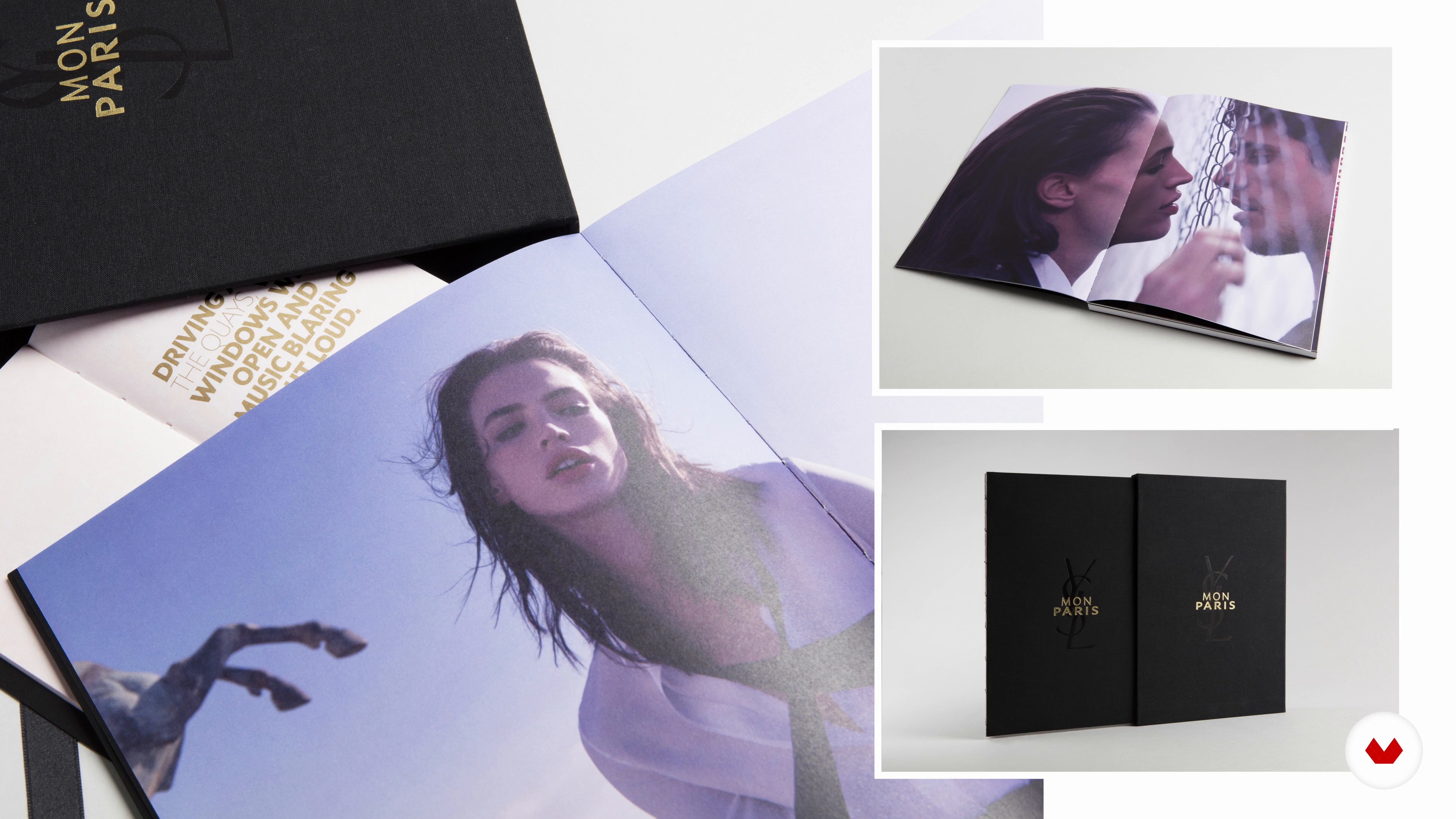
What is Art Direction?
10 minutes, 50 seconds
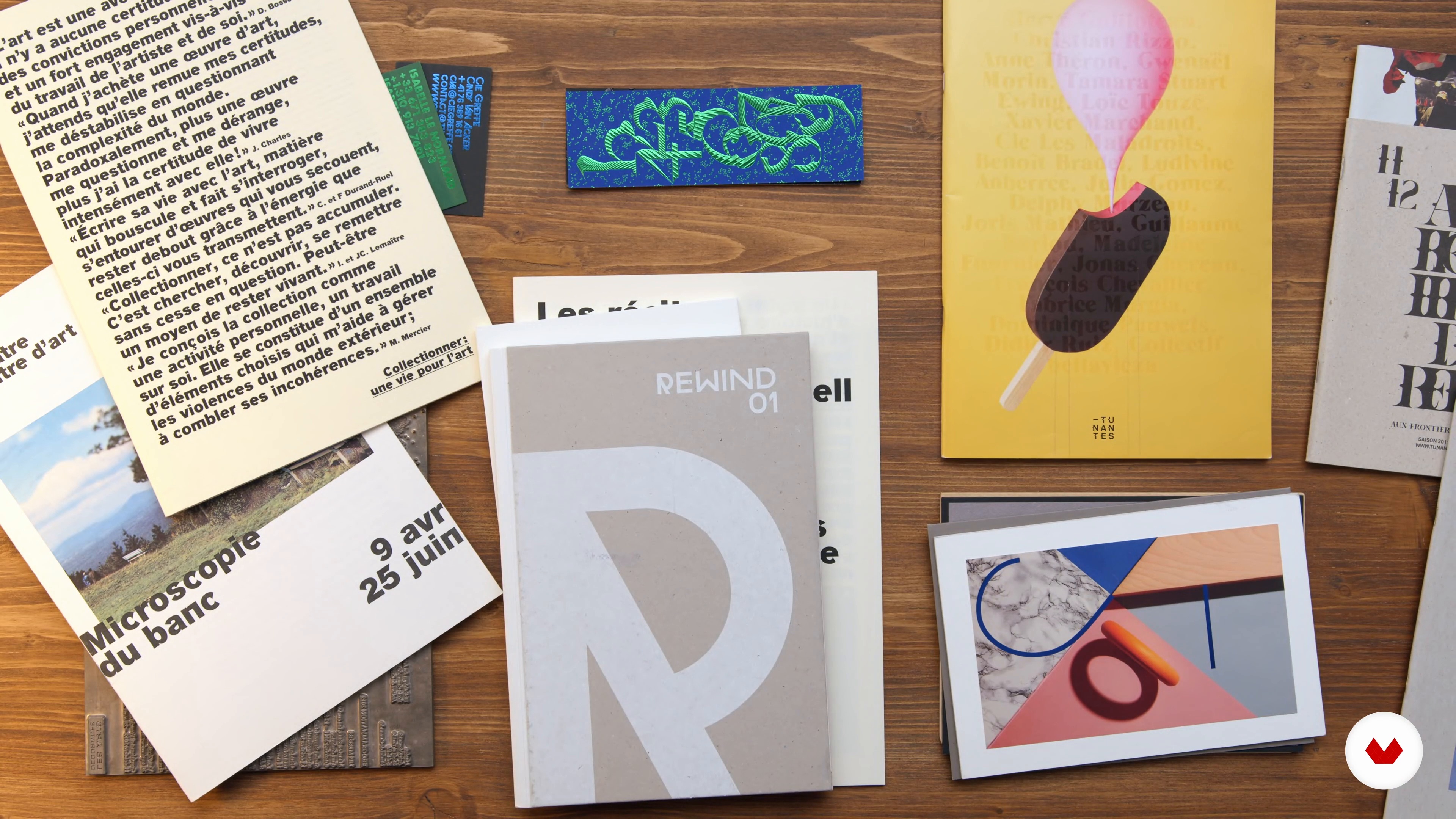
Inspiration and Creative Drive
7 minutes, 33 seconds
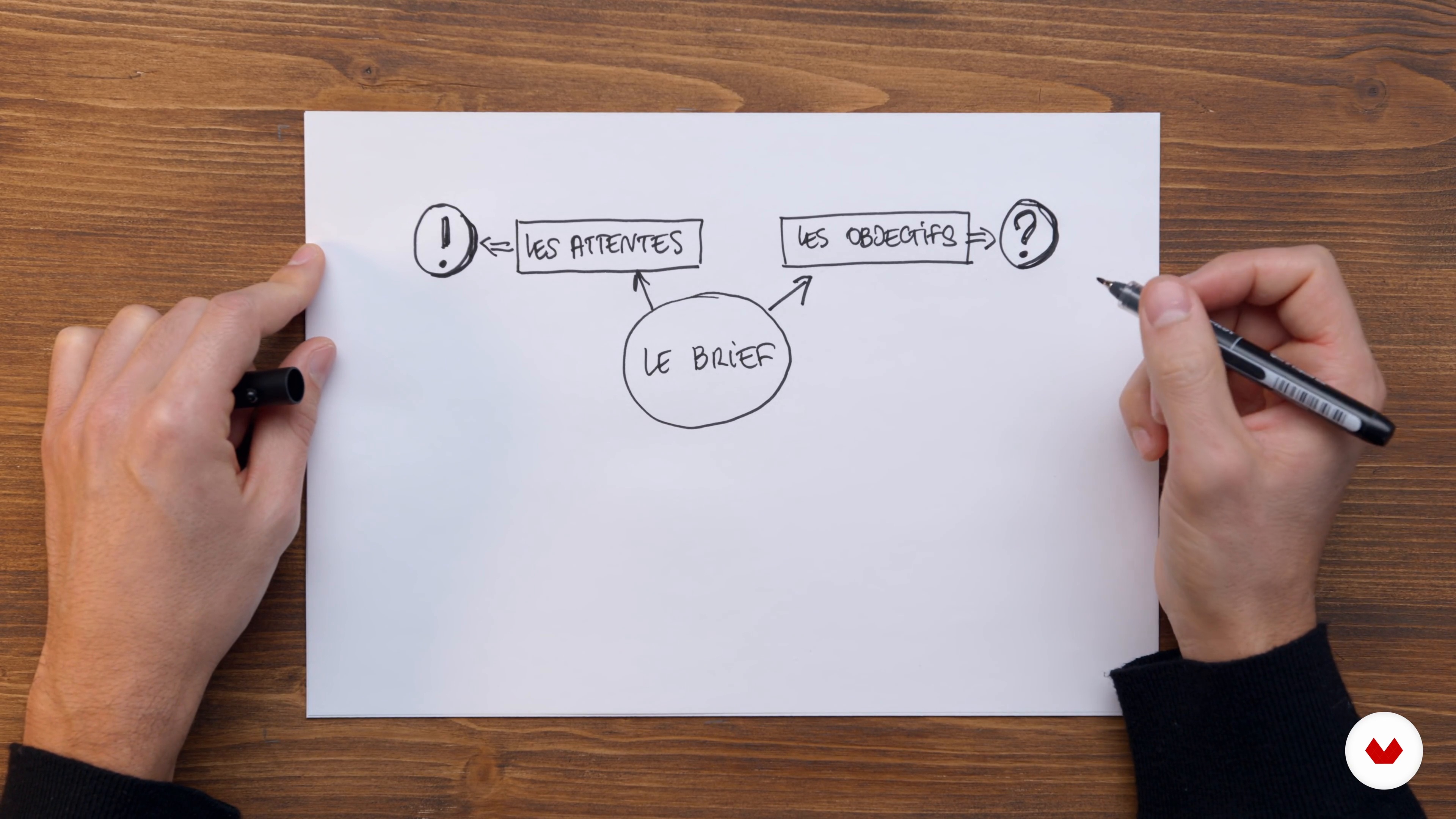
Using a Brief
9 minutes, 2 seconds
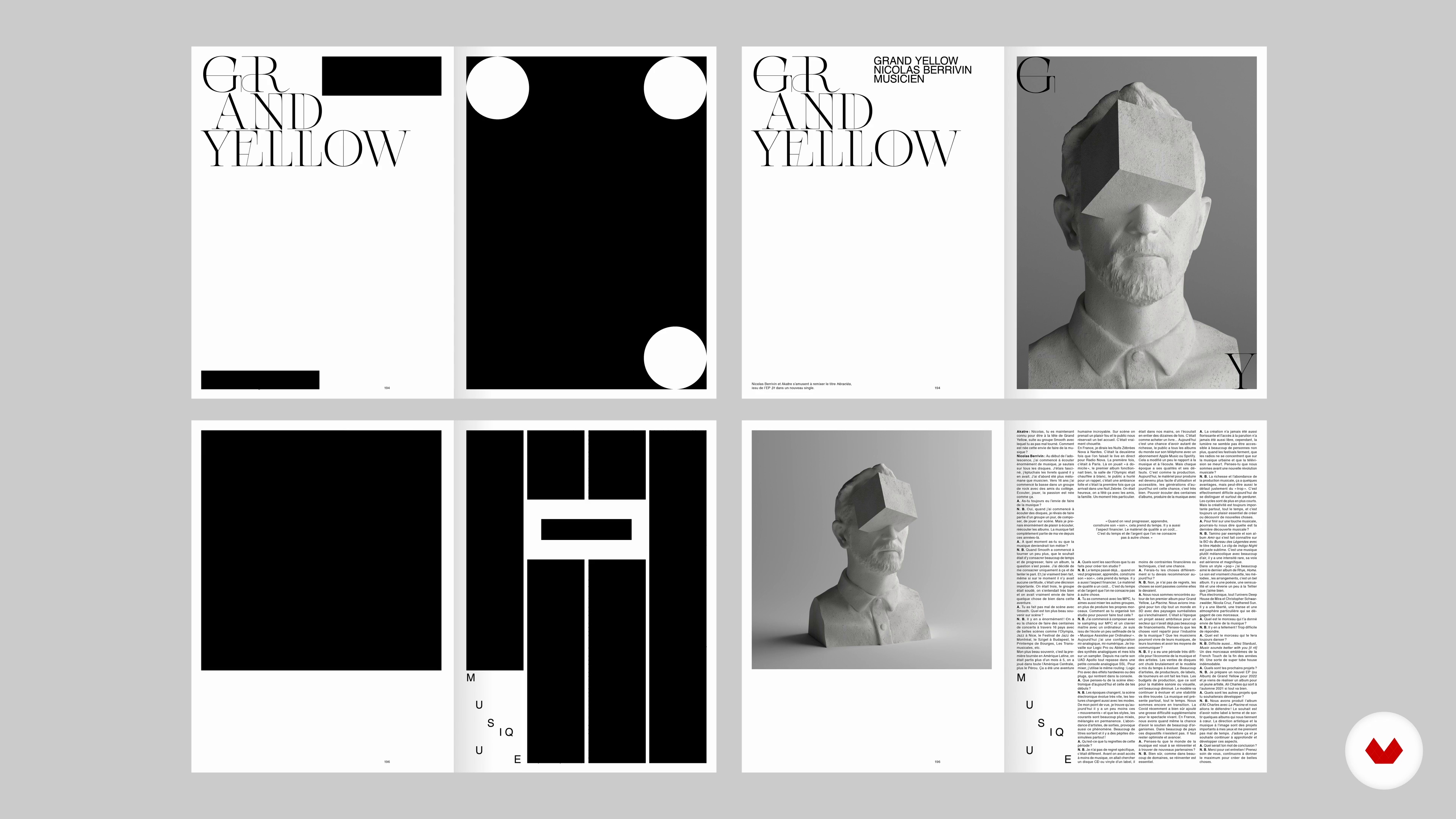
Composition Grid and Flatplan
8 minutes, 10 seconds
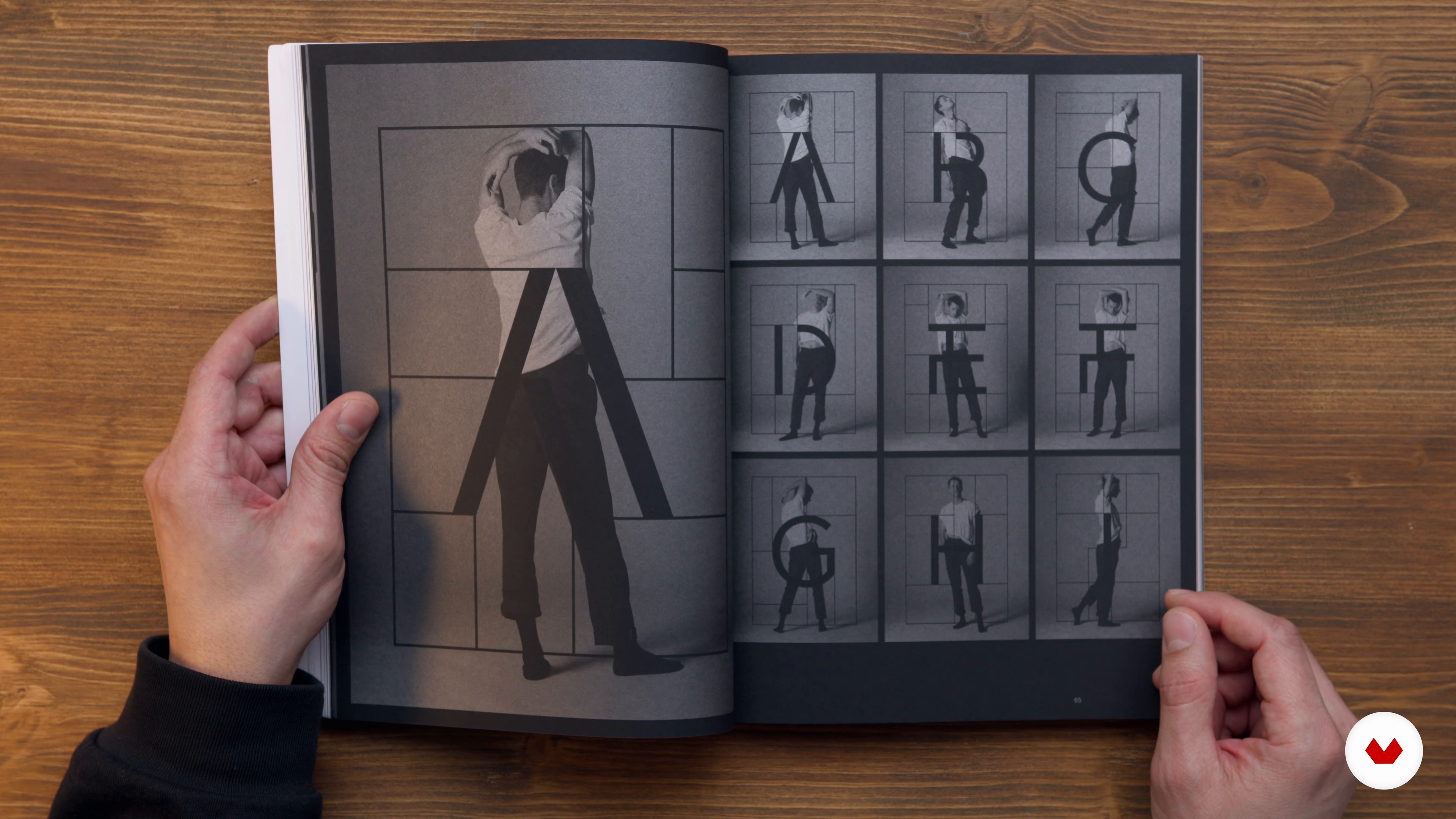
Images
5 minutes, 5 seconds
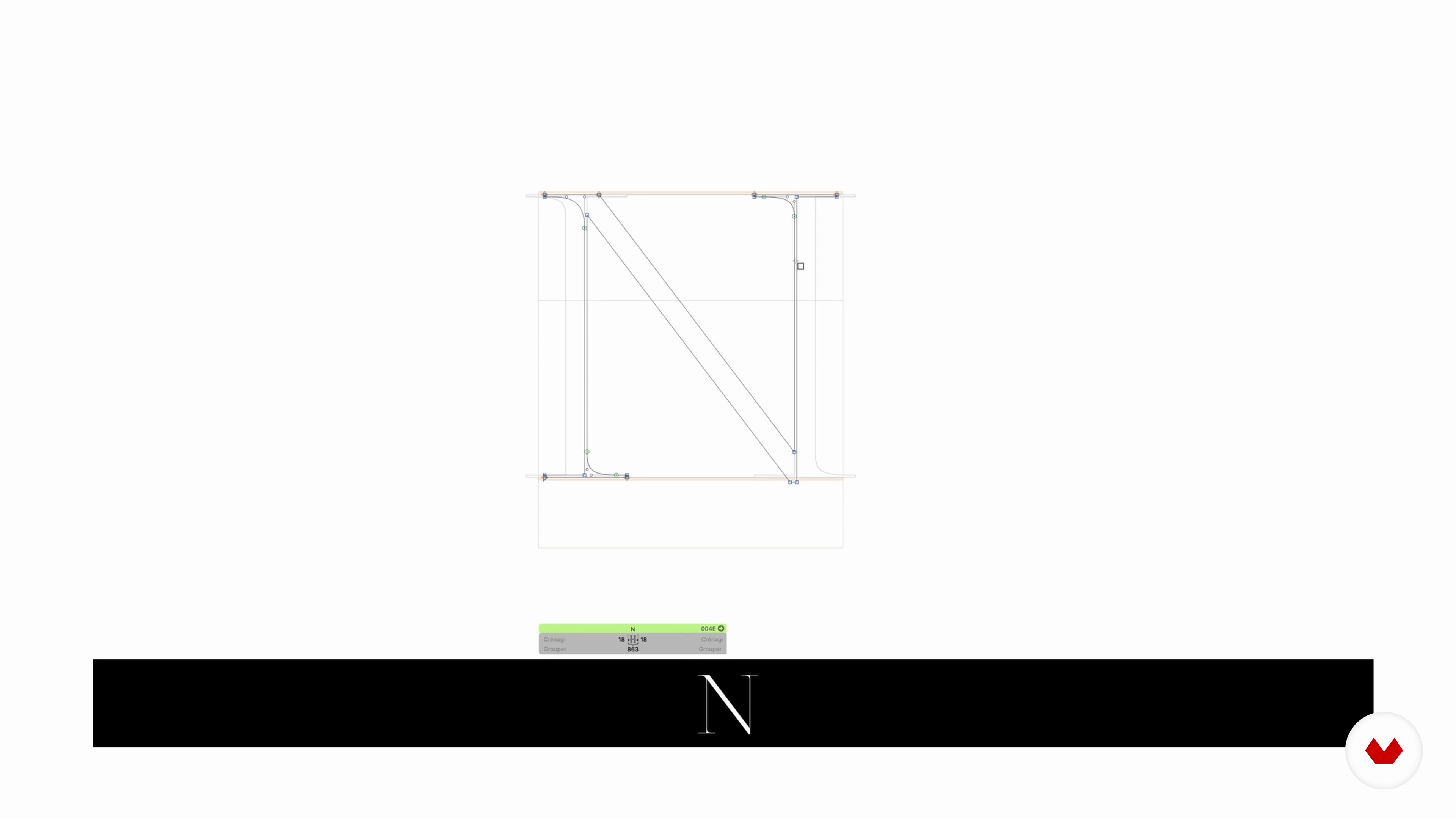
The Typography
6 minutes, 28 seconds
What's included in this course?
Start the course by getting to know Julien and Sébastien, discover the studios that inspire them, and some cultural references that have made an impact on their work.
Delve straight into the exciting world of art direction. Do you know what this term means and everything it entails? Learn where to find daily inspiration and how to build a brief as well as an editorial line.
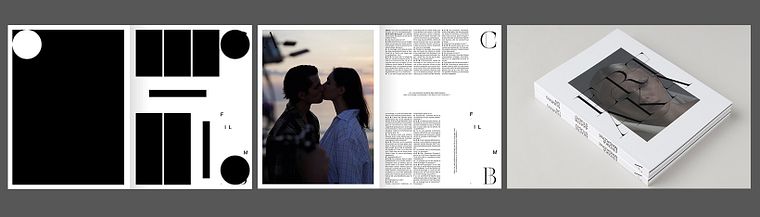
Once the main thread of your magazine has been defined, it's time to move on to the mock-up! Using the example of Ertaka magazine, look at how to establish a composition grid and then design the flat plan, which serves to define the continuity of your layout. Master the process of making the right decisions in terms of typography and image selection, then work on the cover of your piece to get an elegant, original, and polished look.
With the mock-up complete, start thinking about the printed version. Define the format of your publication, the number of prints, and the type of paper based on your budget. To have full control when it comes to spreading your work, your teachers talk to you about the power of communication and social networks.
Recommended software & tools for this course
What is this course's project?
Create an entire mock-up of a publication that you can print and publish online.
Who is this online course for?
This course is for anyone who wants to create their own publications with a strong artistic line.
Requirements and materials
To take this course, you need basic knowledge of graphic design, typography, and composition.
You also need the ability to use InDesign, Illustrator, Photoshop, and a computer with these programs installed.
Reviews
- 7 months ago
Uma visão espetacular do mundo editorial. Confirmado e recomendado!
- 11 months ago
Excelente contenido
- 2 years ago
Pointu mais intéressant
- 3 years ago
Curso muito superficial e calcado em um único estudo de caso.
- 4 years ago
N'entre pas assez dans les détails.

The studio has worked for major institutions in the art, fashion, and luxury industries. Its clients include Cartier, YSL Beauty, Hermès, Dior, and artists such as Benjamin Clementine, JB Dunckel, Grand Yellow, Malik Djoudi, Para One, and Tacteel.
Content
- U1
Introduction
- About Me
- Influences
- U2
Artistic Direction in Publishing
- What is Art Direction?
- Inspiration and Creative Drive
- Using a Brief
- U3
The Layout
- Composition Grid and Flatplan
- Images
- The Typography
- The Texts
- The Covers
- U4
The Printed Object
- The Paper Object
- Communicating About Your Work
- FP
Final project
- Art Direction and Publishing: From Concept to Print
What to expect from a Domestika course
Learn at your own pace
Enjoy learning from home without a set schedule and with an easy-to-follow method. You set your own pace.
Learn from the best professionals
Learn valuable methods and techniques explained by top experts in the creative sector.
Meet expert teachers
Each expert teaches what they do best, with clear guidelines, true passion, and professional insight in every lesson.
Certificates
PLUSIf you're a Plus member, get a custom certificate signed by your teacher for every course. Share it on your portfolio, social media, or wherever you like.
Get front-row seats
Videos of the highest quality, so you don't miss a single detail. With unlimited access, you can watch them as many times as you need to perfect your technique.
Share knowledge and ideas
Ask questions, request feedback, or offer solutions. Share your learning experience with other students in the community who are as passionate about creativity as you are.
Connect with a global creative community
The community is home to millions of people from around the world who are curious and passionate about exploring and expressing their creativity.
Watch professionally produced courses
Domestika curates its teacher roster and produces every course in-house to ensure a high-quality online learning experience.
FAQs
This course is designed for graphic design students, emerging creatives, and professionals looking to deepen their skills in art direction, layout, and visual identity, especially within publishing and magazine sectors.
An intermediate level in graphic or visual design is recommended. Basic knowledge of layout, typography, or creative software helps, but the course is accessible to motivated learners eager to progress quickly.
You’ll learn how to create visual identities, lead editorial projects artistically, design magazine layouts, experiment with typography, build moodboards, and master printing techniques and paper selection.
It’s recommended to have Adobe InDesign, Photoshop, and Illustrator, plus drawing or photography equipment. Some exercises can be done by hand or with alternative digital tools.
The course covers typographic creation, art direction, creative layout, storyboarding, editorial budget management, printing techniques, moodboard creation, and structuring magazine layouts.
Yes, the course includes hands-on exercises, creating trend boards, layouts, logos, and building an online portfolio to showcase your work.
The duration varies depending on your pace, but typically you’ll need several weeks to absorb the theory and complete the creative projects.