
Learn to create spaces with emotion and personality that convey the essence of those who live there
Every last corner of a home exudes stories, emotions, and feeling. With the help of Nicholas Oher and Paloma Bresolin, from the OHMA art, design, and architecture studio, explore how to create spaces full of character using colors, shapes, and textures.
In this course, learn to put together a residential design project that conveys the essence of its inhabitants through colors and a series of other elements. Discover how to interpret a brief, create a detail-oriented mood board, and bring to life a project in keeping with the client's personality.
What will you learn in this online course?
13 lessons & 19 downloads
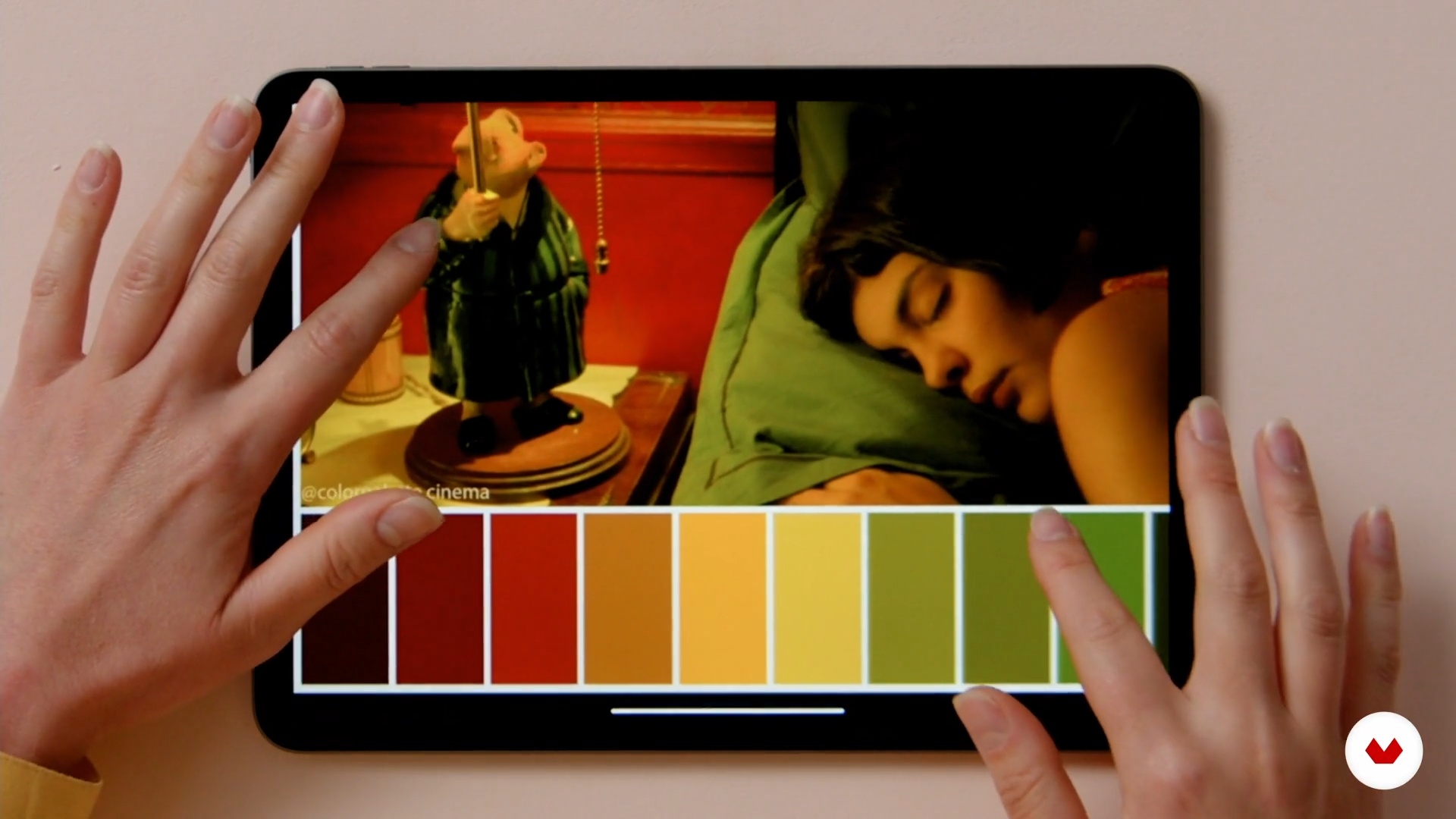
Training the Gaze
4 minutes, 58 seconds
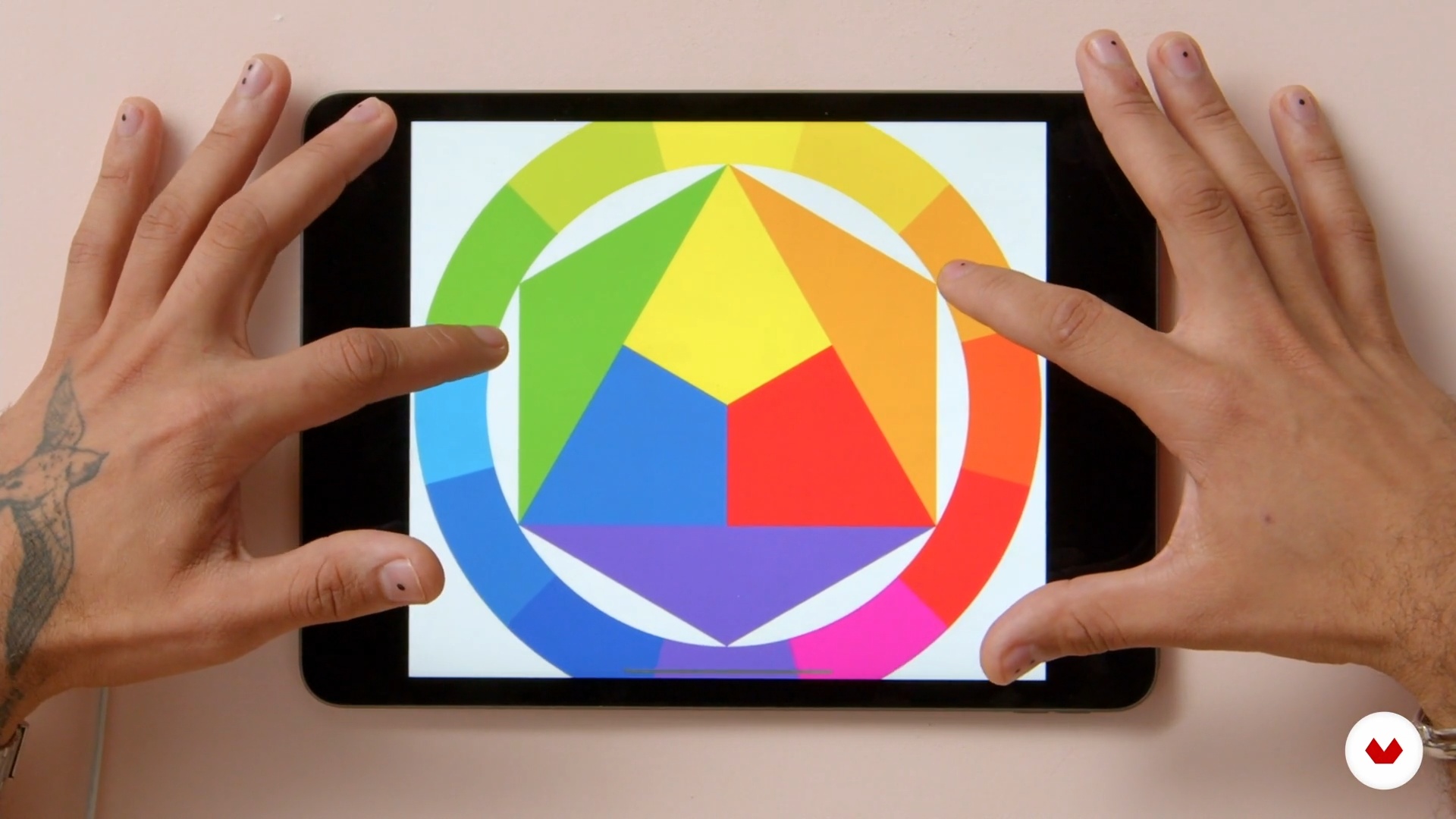
The Color Wheel and Color Sensations
3 minutes, 25 seconds

Unraveling the Briefing
3 minutes, 39 seconds

Creating the Concept
4 minutes, 18 seconds
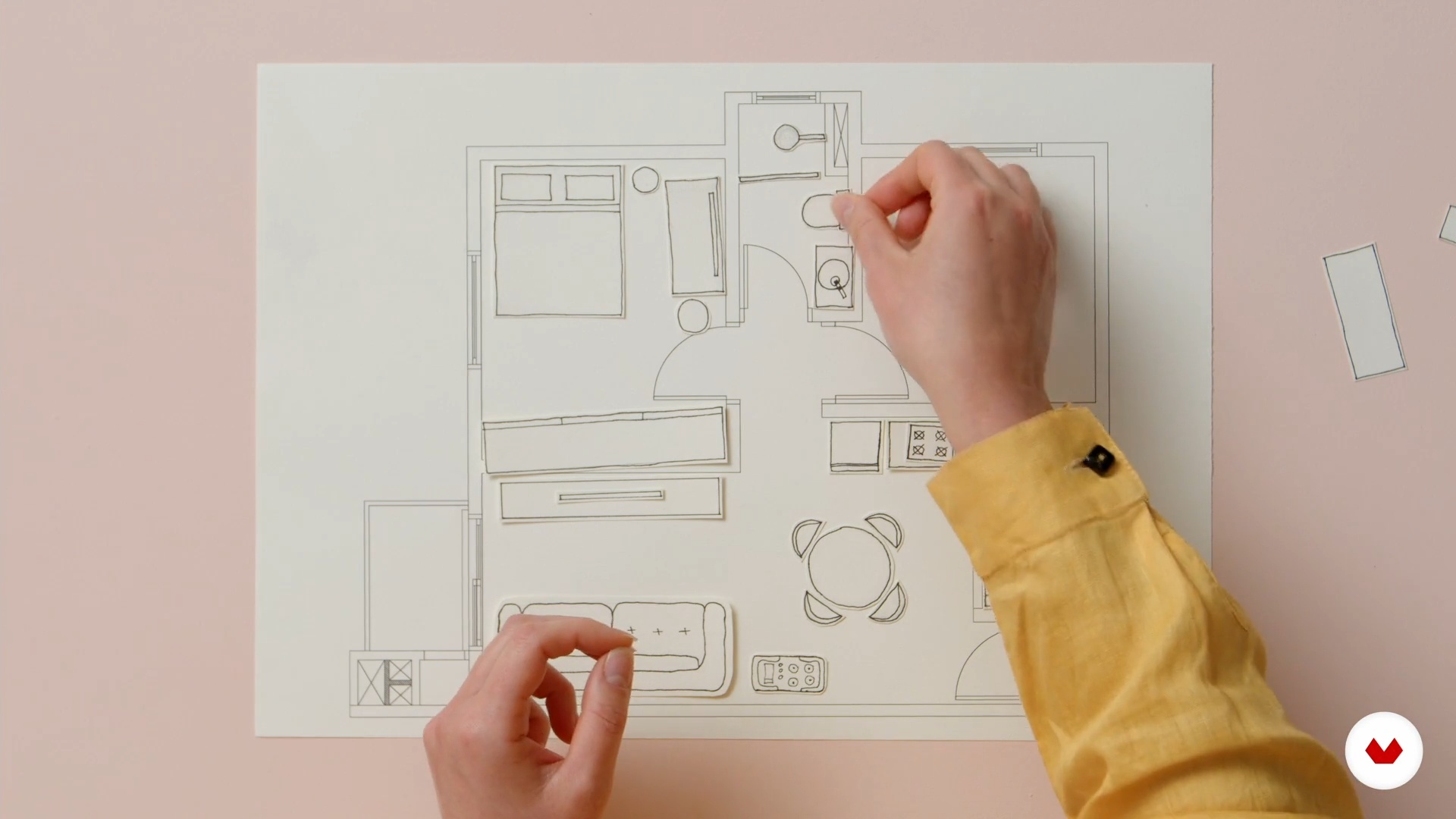
Layout Study
7 minutes, 4 seconds
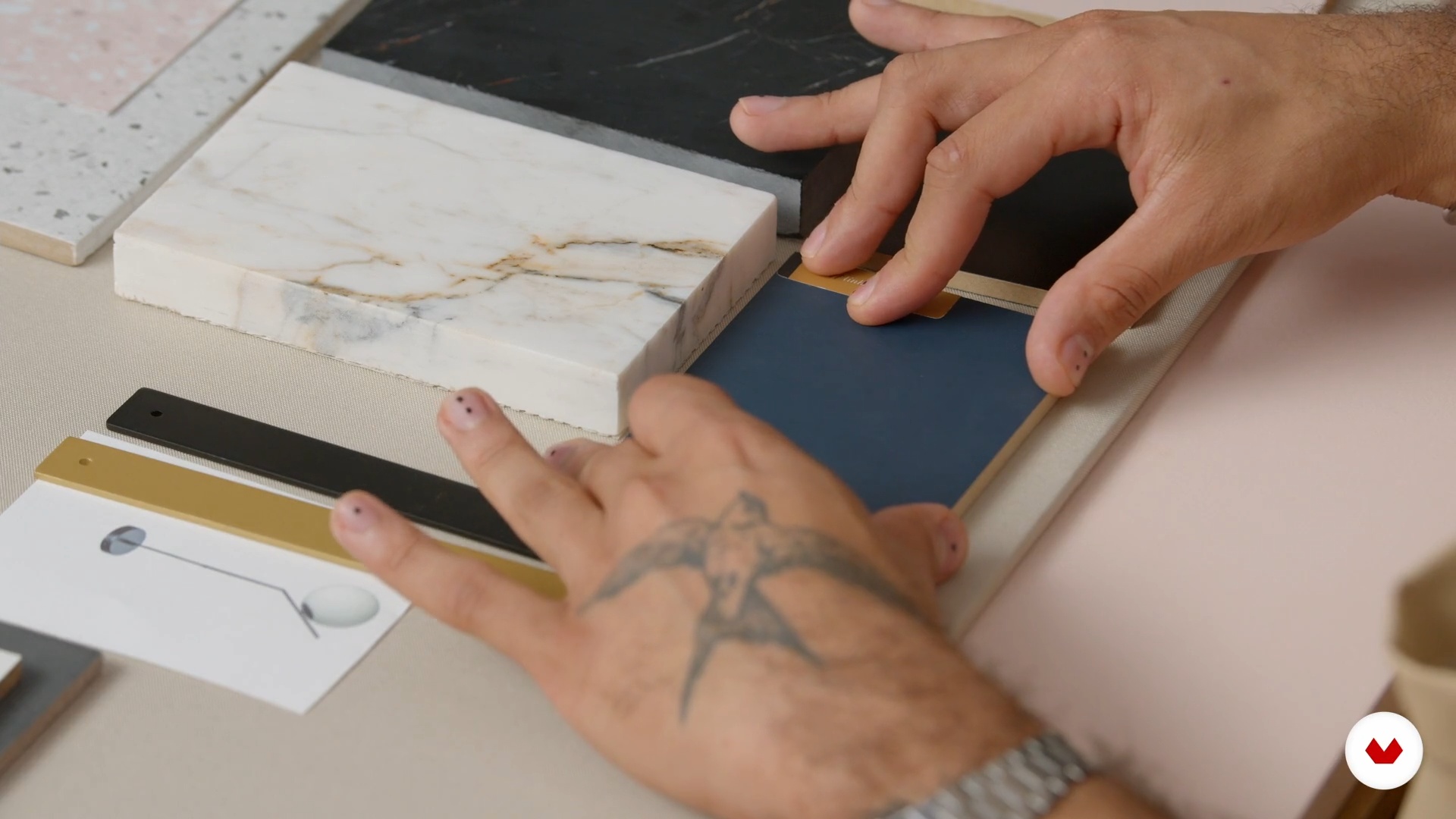
Creating the Mood Board
5 minutes, 6 seconds
What's included in this course?
To open the course, hear a little about the journeys of business partners Fábio Marx, Nicholas Oher, and Paloma Bresolin and how they came to create their studio, OHMA. They also share their biggest sources of inspiration and some of their favorite projects to date.
Start by learning how to interpret a client brief, translating it into a series of feelings and concepts to use in your search for reference materials for your project. Then put together a mood board organized by materials, textures, and colors to convey all the different elements and overall feeling of what you hope to achieve with your design.
Now get to work on your project exploring how to apply the ideas you've gathered to your space. Next, use SketchUp 3D to test out combinations of colors, finishes, and objects until you're happy with the final result.
Wrap up the course seeing where to place pieces of furniture and how to add the finishing touches to achieve a vibrant yet cozy feel. Get some final tips on sharing your work on social media and attracting new clients.
Recommended software & tools for this course
What is this course's project?
Create a residential design project for an integrated living room, kitchen, and dining room.

Who is this online course for?
Anyone interested in interior design who wants to deepen their knowledge of the use of color.
Requirements and materials
To take this course, you need basic knowledge of SketchUp 3D or a similar software for designing spaces.
In terms of materials, all you need is a computer with access to the software.

Reviews
- 2 years ago
Curso muito superficial
- 2 years ago
Engaging and just enough detail for every stage.
- truongnguyenPLUS2 years ago
Đây là một khóa học mang đến cho bạn nguồn cảm hứng
- 3 years ago
Muy buen curso
- 4 years ago
thanks

They have three signature product lines: Acayu, YIV, and the mirror collection Reflexos, and work as creative and artistic directors for brands including Suvinil, dsgnselo, and more recently with Impress Decor on their colors of the year launch, Cores do Ano 2022.
Content
- U1
Introduction
- Presentation
- Influences
- U2
Creative Process
- Training the Gaze
- The Color Wheel and Color Sensations
- Unraveling the Briefing
- Creating the Concept
- Layout Study
- Creating the Mood Board
- U3
Developing the Project
- Testing the Mood Board: Living Room and Kitchen
- Testing the Mood Board: Bathroom, Bedroom and Office
- Colors in Practice: The Reform
- U4
Last Steps
- Space Organization
- Advertising to Attract Customers
- FP
Final project
- Designing Spaces with Colors and Shapes
What to expect from a Domestika course
Learn at your own pace
Enjoy learning from home without a set schedule and with an easy-to-follow method. You set your own pace.
Learn from the best professionals
Learn valuable methods and techniques explained by top experts in the creative sector.
Meet expert teachers
Each expert teaches what they do best, with clear guidelines, true passion, and professional insight in every lesson.
Certificates
PLUSIf you're a Plus member, get a custom certificate signed by your teacher for every course. Share it on your portfolio, social media, or wherever you like.
Get front-row seats
Videos of the highest quality, so you don't miss a single detail. With unlimited access, you can watch them as many times as you need to perfect your technique.
Share knowledge and ideas
Ask questions, request feedback, or offer solutions. Share your learning experience with other students in the community who are as passionate about creativity as you are.
Connect with a global creative community
The community is home to millions of people from around the world who are curious and passionate about exploring and expressing their creativity.
Watch professionally produced courses
Domestika curates its teacher roster and produces every course in-house to ensure a high-quality online learning experience.
FAQs
The course is ideal for those with intermediate knowledge in architecture, interior design, or creative fields, but anyone passionate about color and affective design can join, even without advanced experience.
You’ll need basic knowledge of architecture or design, internet access, modeling software like SketchUp, color apps such as Suvinil, and an interest in creative processes and color palettes.
You’ll learn to apply color theory, create mood boards, analyze briefs, interpret cultural references, personalize spaces, and blend affective design with minimalism and maximalism in original, functional projects.
Affective design explores emotions, memories, and warmth in projects, emphasizing elements that build personal connections and sensory experiences in spaces and products.
The course covers color analysis, building palettes inspired by films, using the color wheel, contrasts, harmonious combinations, and how to use color to create moods and feelings in environments.
Yes. The course guides you on gathering preferences, asking strategic questions, identifying emotional elements, and translating the client’s personality into tailored solutions.
Yes, you’ll learn to draft floor plans, arrange furniture, define circulation paths, and adapt infrastructure to ensure functionality and a strong visual identity.