
Explore form, function, and color with a series of materials to create a framework for designing your own products
An object that has been thoughtfully conceptualized, designed, and crafted has the power to lift a room with style and harmony. Product designer Lex Pott describes his self-titled design studio as a mad scientist lab, where he explores and experiments with simple raw materials using a hands-on approach.
Dive into product design by exploring the properties of raw materials like wood, wax, polyester, and synthetic clay. Use simple tools and materials to explore colors, values, and intensities to create your own materials library. Ready to transform materials into your own interiors products with simple DIY techniques?
What will you learn in this online course?
16 lessons & 14 downloads
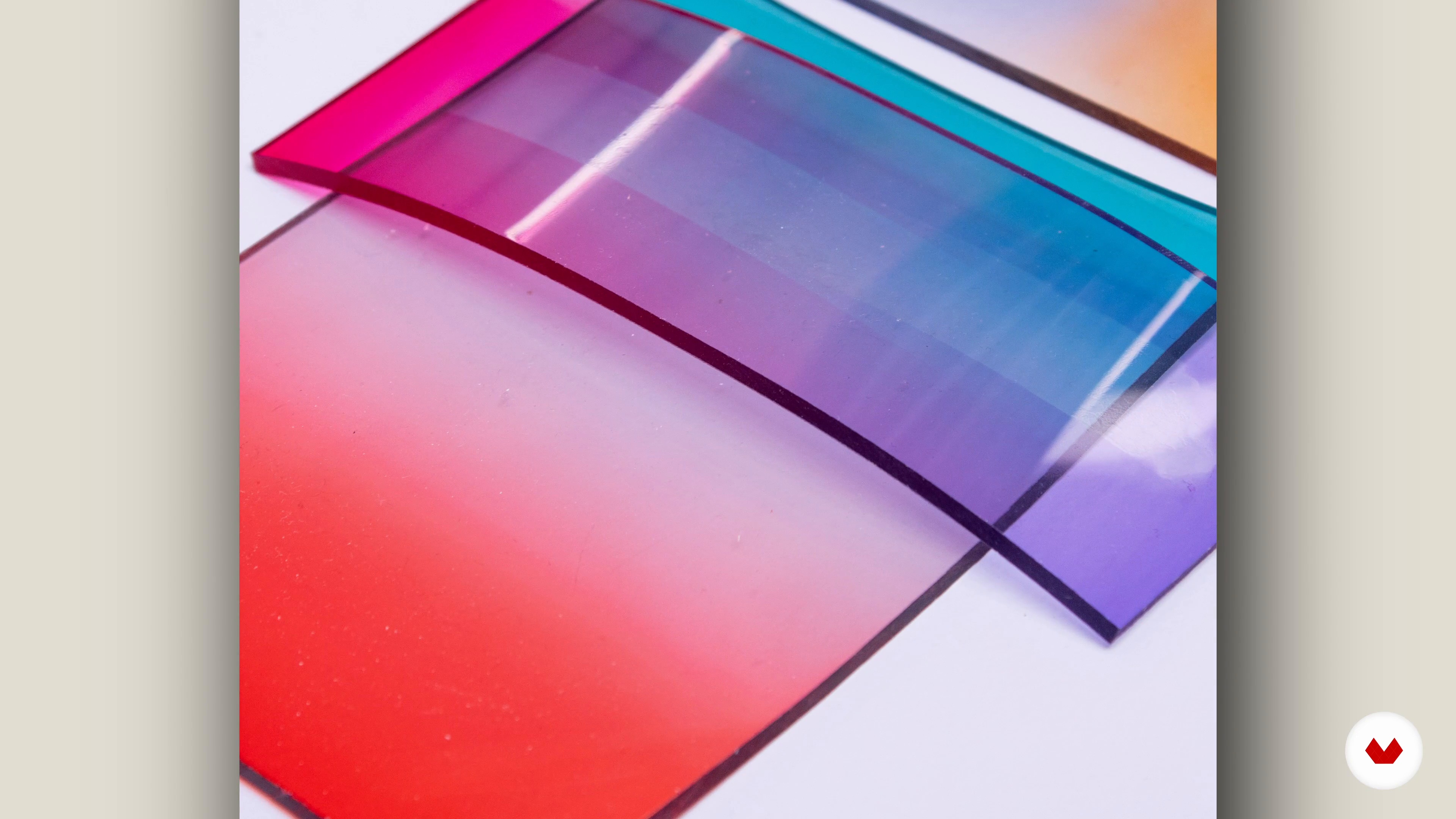
Defining the Relation of Color and Materials
5 minutes, 42 seconds
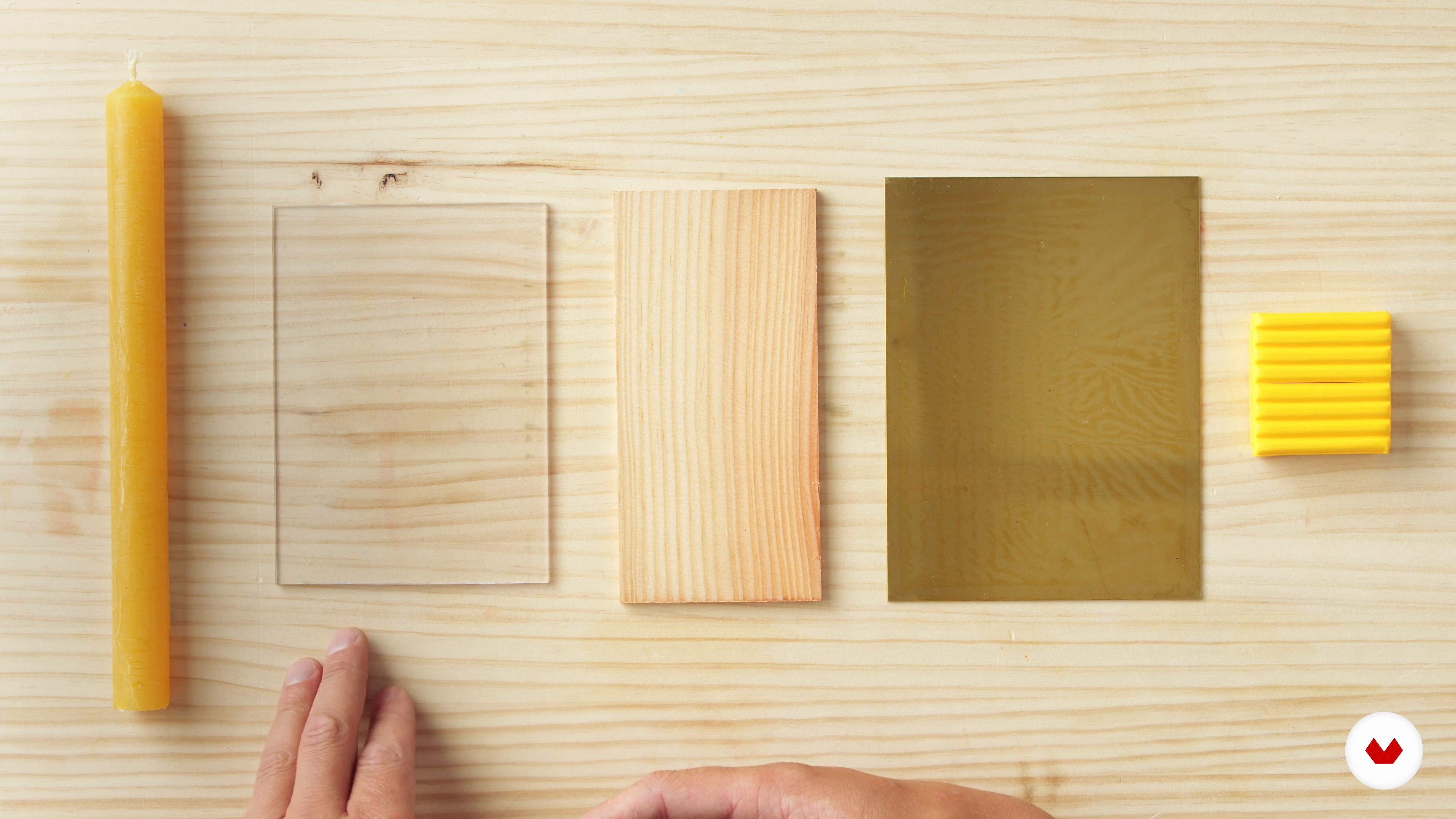
Material Properties
18 minutes, 37 seconds
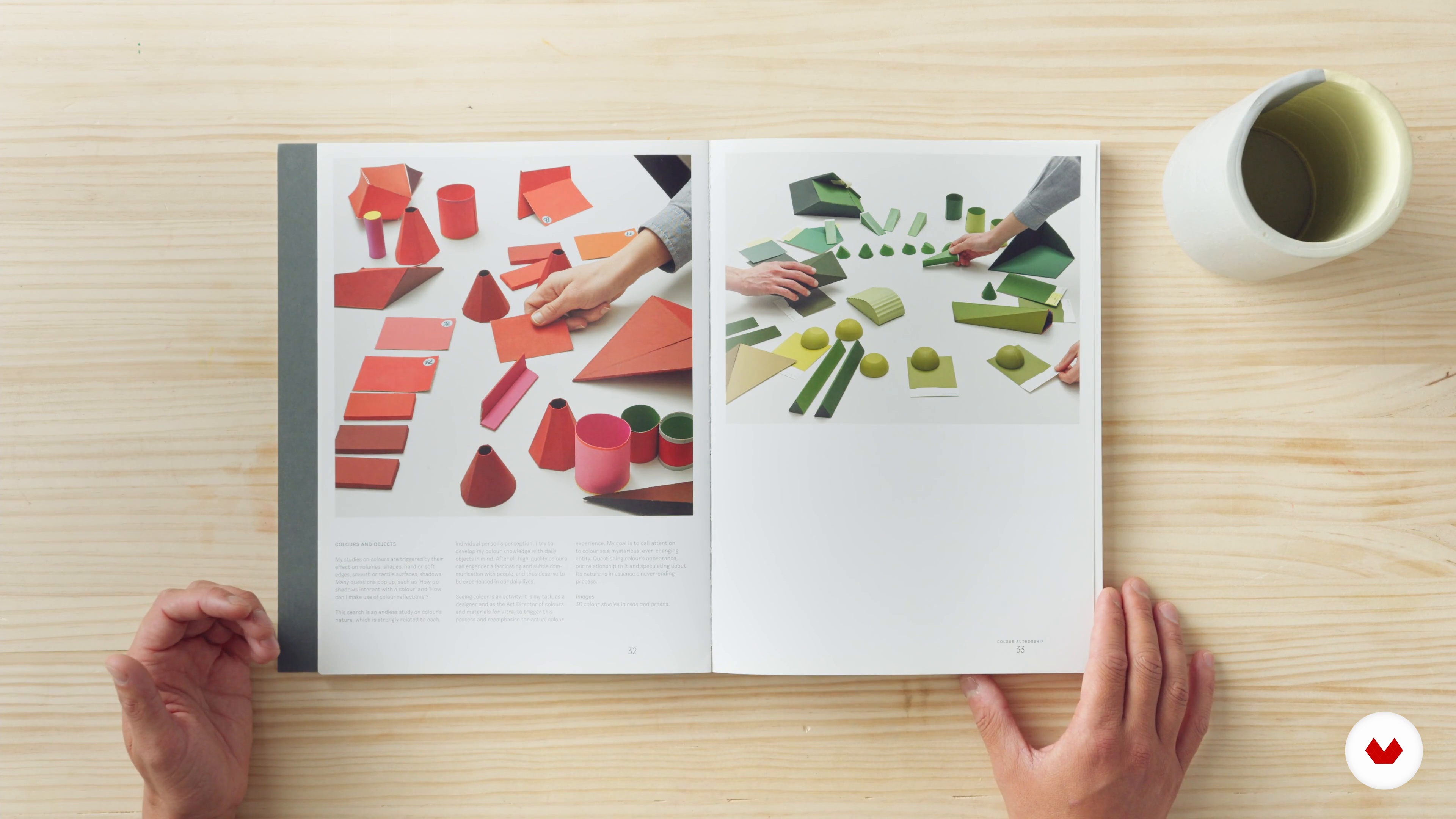
Tonality, Color Blocking and Color Transitions
15 minutes, 28 seconds
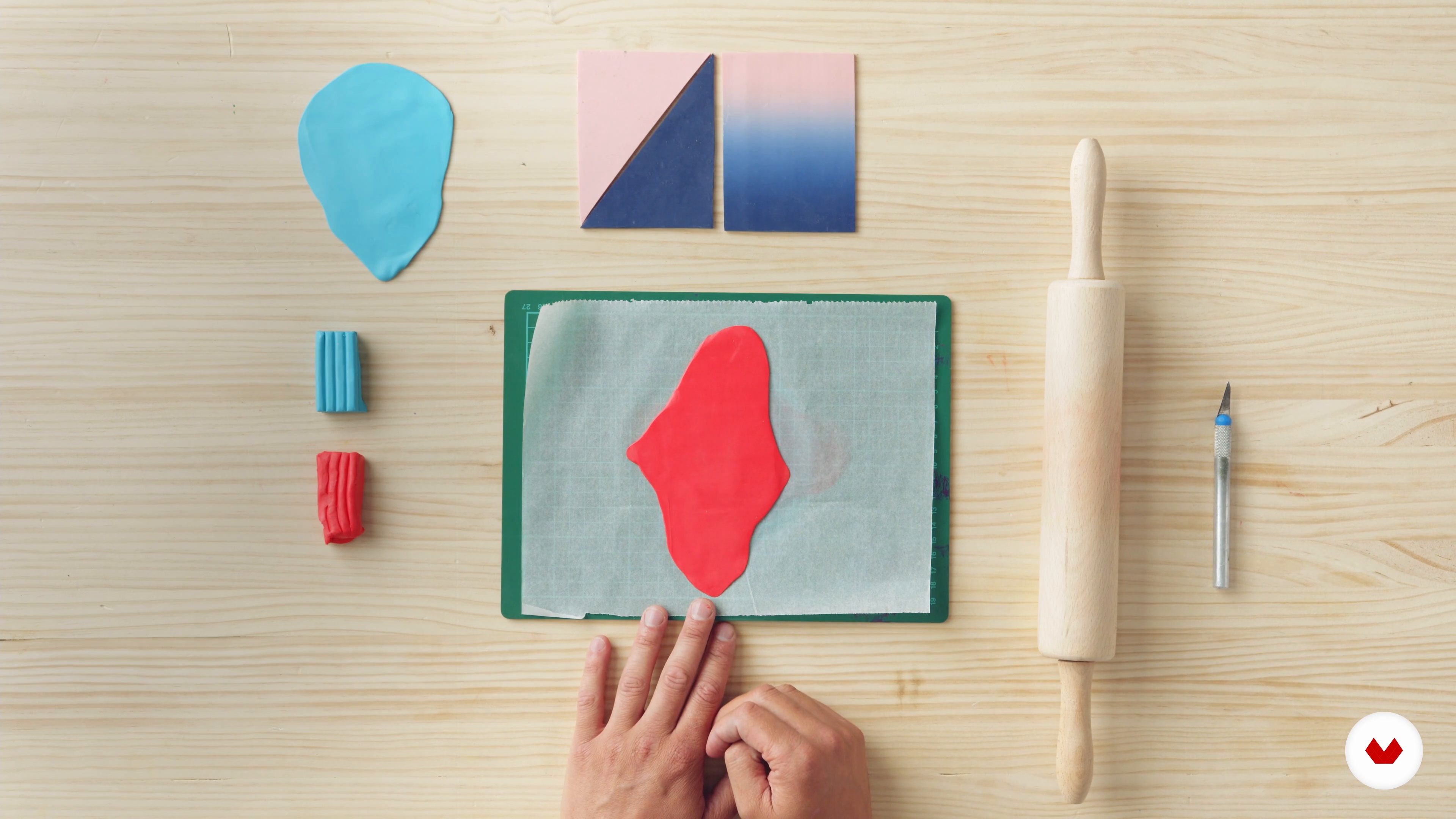
Experiment 1: Clay and Color 1
14 minutes, 4 seconds
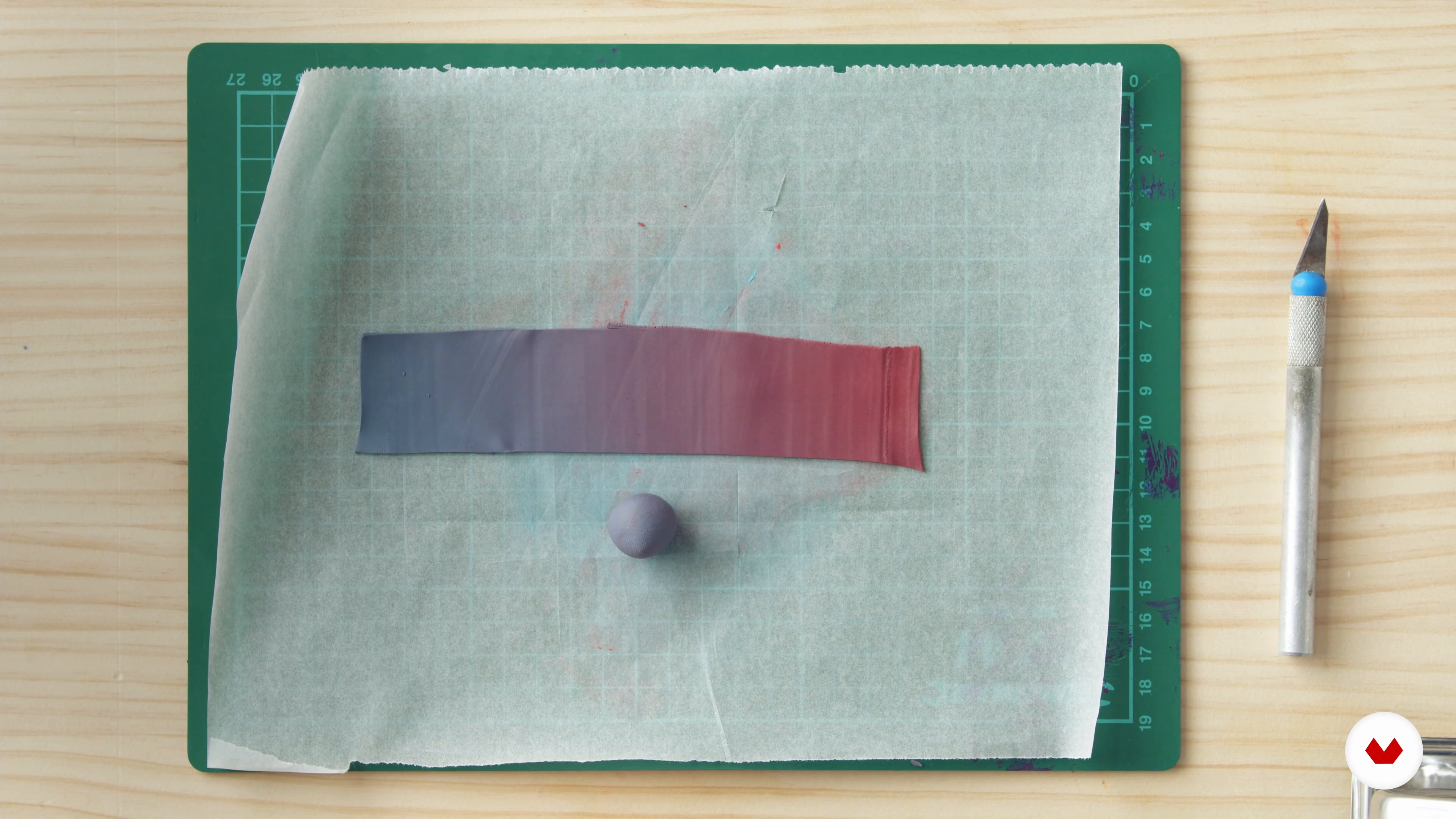
Experiment 1: Clay and Color 2
13 minutes, 32 seconds
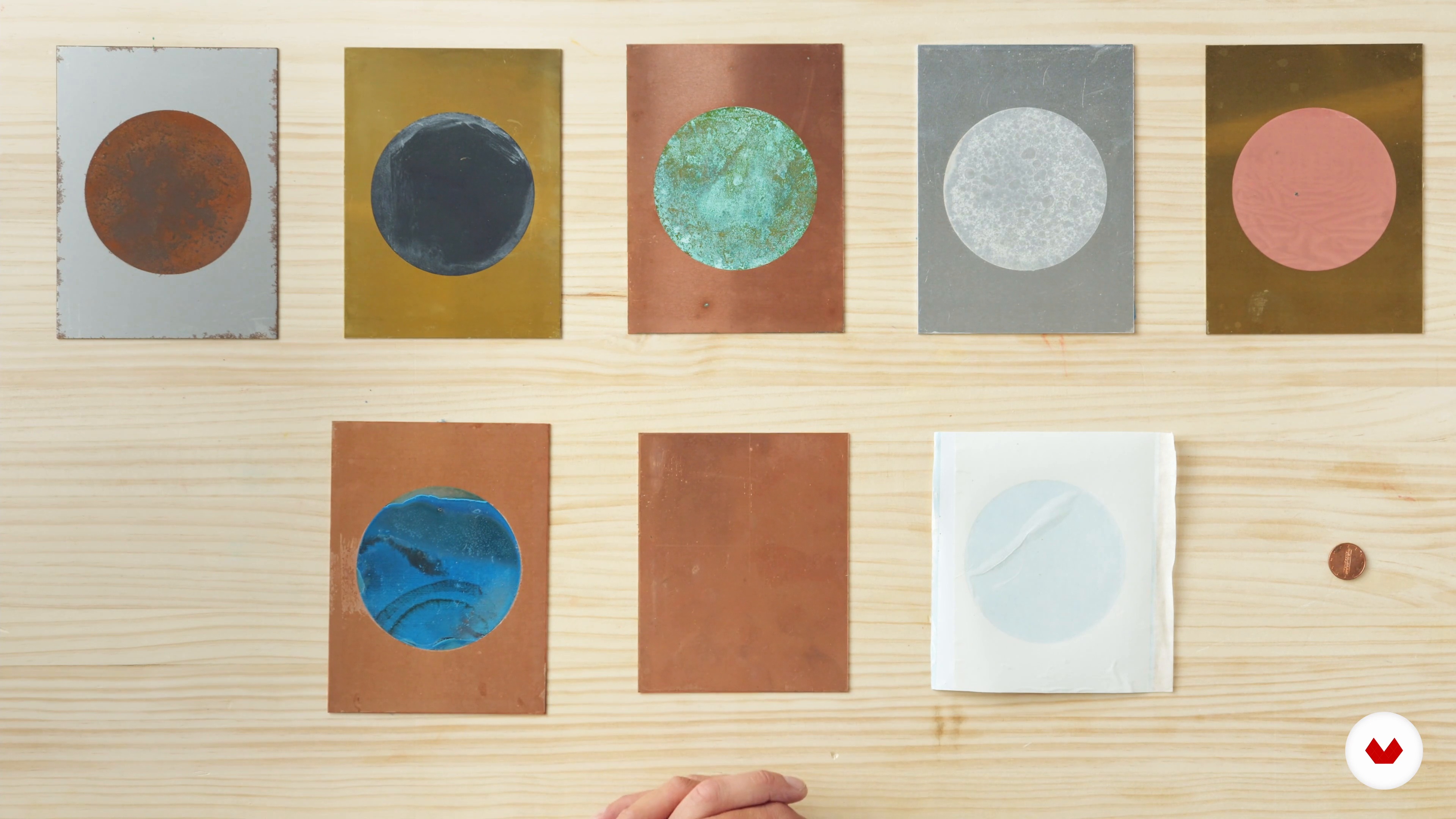
Experiment 2: Metals and Color 1
9 minutes, 40 seconds
What's included in this course?
Meet Lex Pott, learn about his journey towards becoming a product designer and understand how he develops his designs. Explore his sources of inspiration, including everyday life, people, and even work methods.
Start investigating the relationship between color and material. Explore how materials react with Lex’s experiments. Learn how a material’s properties influence the solutions for your designs. Discover how to blend colors into different materials, seeing how to work with tonality, blocking, and transitions.
Build a materials library to use in your future product designs using synthetic clay or Fimo. Then, see how to create a color palette and color combinations. Experiment further with different materials, seeing how to use some chemicals safely. Explore different ways of experimenting with wood, polyester, and wax to add to your materials library.
Time to reflect on all your experiments and analyze which can be applied to your product design. Discover how Lex comes up with his own projects by looking at who it was designed for and why. Then, work on your own product design using all your newfound knowledge. Finish the course with Lex’s advice on how to present your work to the world.
What is this course's project?
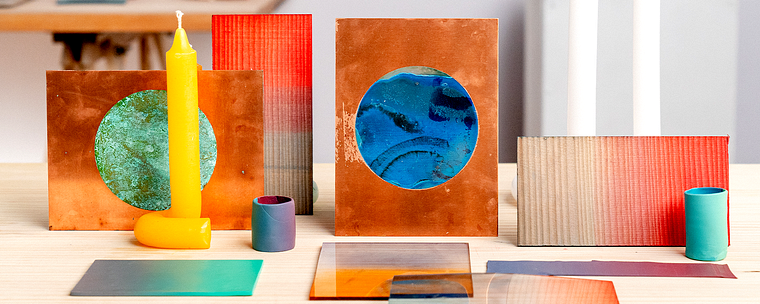
Develop a materials library and a final interior product design.
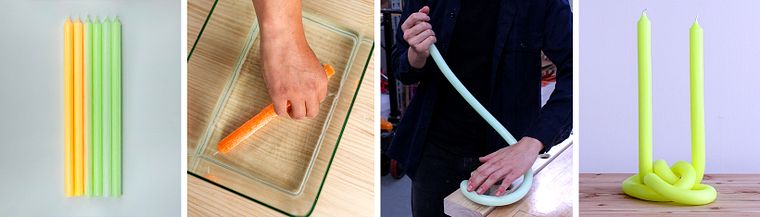
Who is this online course for?
This course is ideal for those who like to work with their hands and experiment with colors and materials.
Requirements and materials
Some previous knowledge of design is useful but not essential.
In terms of materials, you will need clay, coins, plywood, wax, a knife, scissors, and other materials specified by Lex at the beginning of the course.
Reviews
- 6 months ago
L'enthousiasme de Lex est très communicatif ! J'ai été très inspirée par l'étude des dégradés en pâte fimo et sur bois. Je recommande !
- 1 year ago
Great course! lots of inspiration
- 2 years ago
Very interesting. Nice to learn about new way to see and use materials.
- 2 years ago
Excelente Curso, de veras lo recomiendo.
- 3 years ago
Interesante la propuesta del diseñador,pero tuve muchas dificultades con los subtitulos,no aparecian en gran parte de las lecciones

His method focuses on testing the boundaries and properties of the materials he uses most: wood, stone, and metal. Combining form, function, and fun into each object he creates, Lex experiments and develops unique pieces through his raw and intuitive methodology. He has worked for various international labels and clients.
Content
- U1
Introduction
- About Me
- Influences
- U2
Ideation
- Defining the Relation of Color and Materials
- Material Properties
- Tonality, Color Blocking and Color Transitions
- U3
Experimenting
- Experiment 1: Clay and Color 1
- Experiment 1: Clay and Color 2
- Experiment 2: Metals and Color 1
- Experiment 2: Metals and Color 2
- Experiment 3: Wood and Polyester 1
- Experiment 3: Wood and Polyester 2
- Experiment 4: Wax
- U4
Making It to Design
- Analyse and Reflect
- Developing Products: Craft vs. Design
- How to Go Further and Make your Designs Come To Life
- How to Communicate Your Work
- FP
Final project
- Product Design: Experiment with Color, Material, and Shape
What to expect from a Domestika course
Learn at your own pace
Enjoy learning from home without a set schedule and with an easy-to-follow method. You set your own pace.
Learn from the best professionals
Learn valuable methods and techniques explained by top experts in the creative sector.
Meet expert teachers
Each expert teaches what they do best, with clear guidelines, true passion, and professional insight in every lesson.
Certificates
PLUSIf you're a Plus member, get a custom certificate signed by your teacher for every course. Share it on your portfolio, social media, or wherever you like.
Get front-row seats
Videos of the highest quality, so you don't miss a single detail. With unlimited access, you can watch them as many times as you need to perfect your technique.
Share knowledge and ideas
Ask questions, request feedback, or offer solutions. Share your learning experience with other students in the community who are as passionate about creativity as you are.
Connect with a global creative community
The community is home to millions of people from around the world who are curious and passionate about exploring and expressing their creativity.
Watch professionally produced courses
Domestika curates its teacher roster and produces every course in-house to ensure a high-quality online learning experience.
FAQs
This course is designed for intermediate-level designers who already have some experience in art or design and want to deepen their understanding of materials, color theory, and studio processes.
You'll need basic studio tools such as clay, wood, metals, wax, pigments, safety gear, and access to equipment like pasta machines, sandblasters, and workbenches. A list of recommended materials is provided at the start of the course.
You will learn how to set up and organize a creative workspace, build functional studio zones, and optimize workflow for hands-on prototyping and design development.
Yes, the course includes practical lessons on material experimentation, covering sandblasting, metal oxidation, patina creation, and safe handling of chemicals for unique design effects.
The course teaches color theory fundamentals and guides you in applying concepts like color gradients, blocking, and tonality across various materials including clay, metals, and resin.
Yes, you will learn to blend clay colors, use pasta machines for smooth gradients, and apply these techniques to other materials for advanced color transitions in design.
Yes, the course provides step-by-step guidance for making prototypes and scale models, focusing on both product and furniture design using a range of materials.