Eco-Friendly Pop-up Architecture
A course by Izaskun Chinchilla MorenoArchitect
A course by Izaskun Chinchilla Moreno, Architect

Learn to design small scale installations from scratch by exploring the principles of circular economy
Pop-up installations are a unique opportunity to give viewers an immersive experience, which allows them to interact with the artwork of the architect or artist. Architect Izaskun Chinchilla takes the opportunity a step further by ensuring that the material used in her designs are recyclable or reusable. Izaskun bases her work on the principles of circular economy, which involves reusing existing materials as long as possible in order to reduce her carbon footprint.
In this course, discover Izaskun’s methodology for creating environmentally-friendly Pop-up installations from scratch. From creating the initial brief, planning the logistics and funding, to its final presentation in a portfolio, get a complete walkthrough of the design process. Learn to create an exhibition that both inspires its viewers and protects the environment.
What will you learn in this online course?
17 lessons & 37 downloads

Two Environmental Paradigms Applied to Small Scale Architecture
13 minutes, 37 seconds
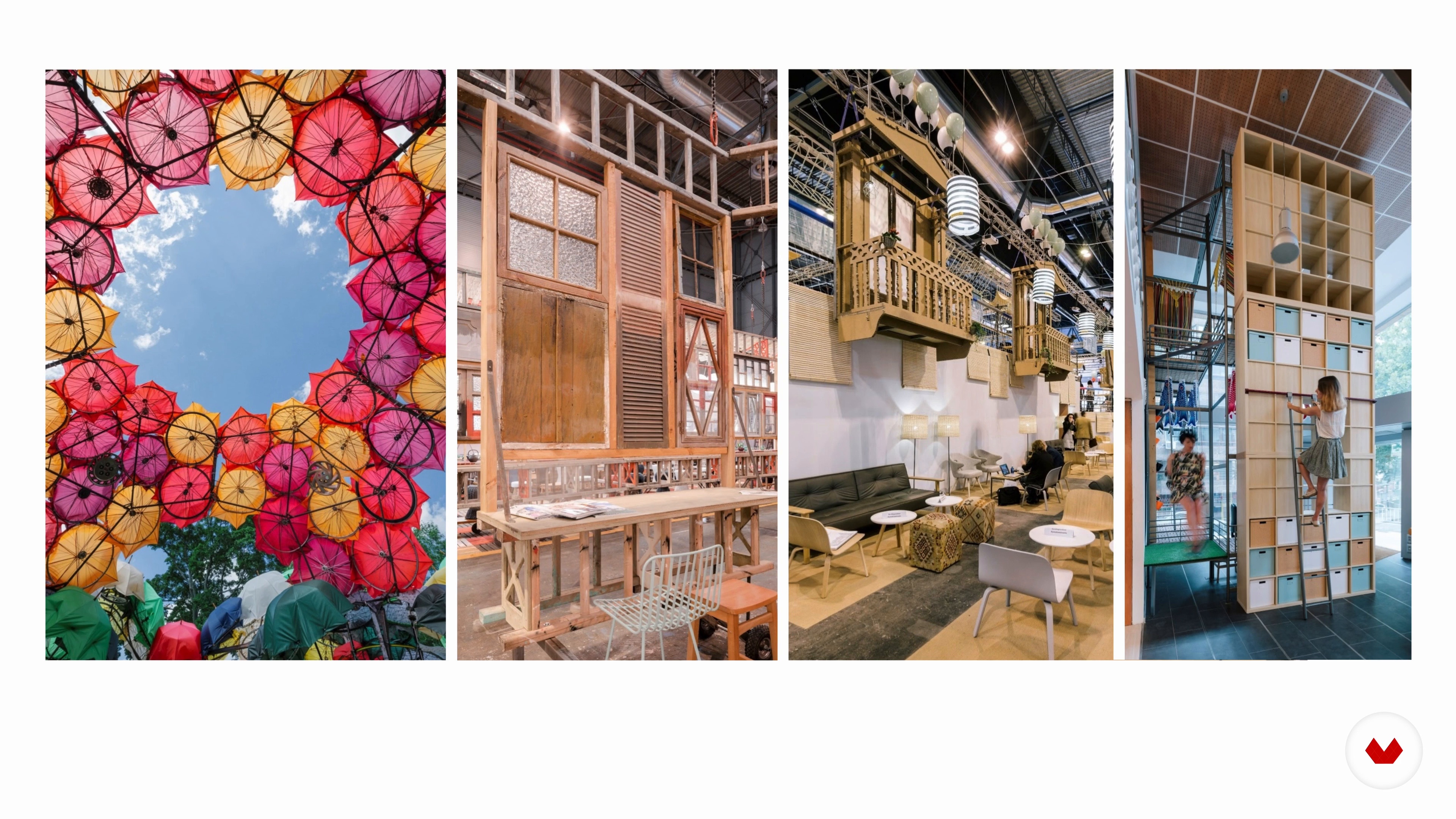
Repurposing Objects: Choosing Those That Better Fit Your Design
16 minutes, 52 seconds
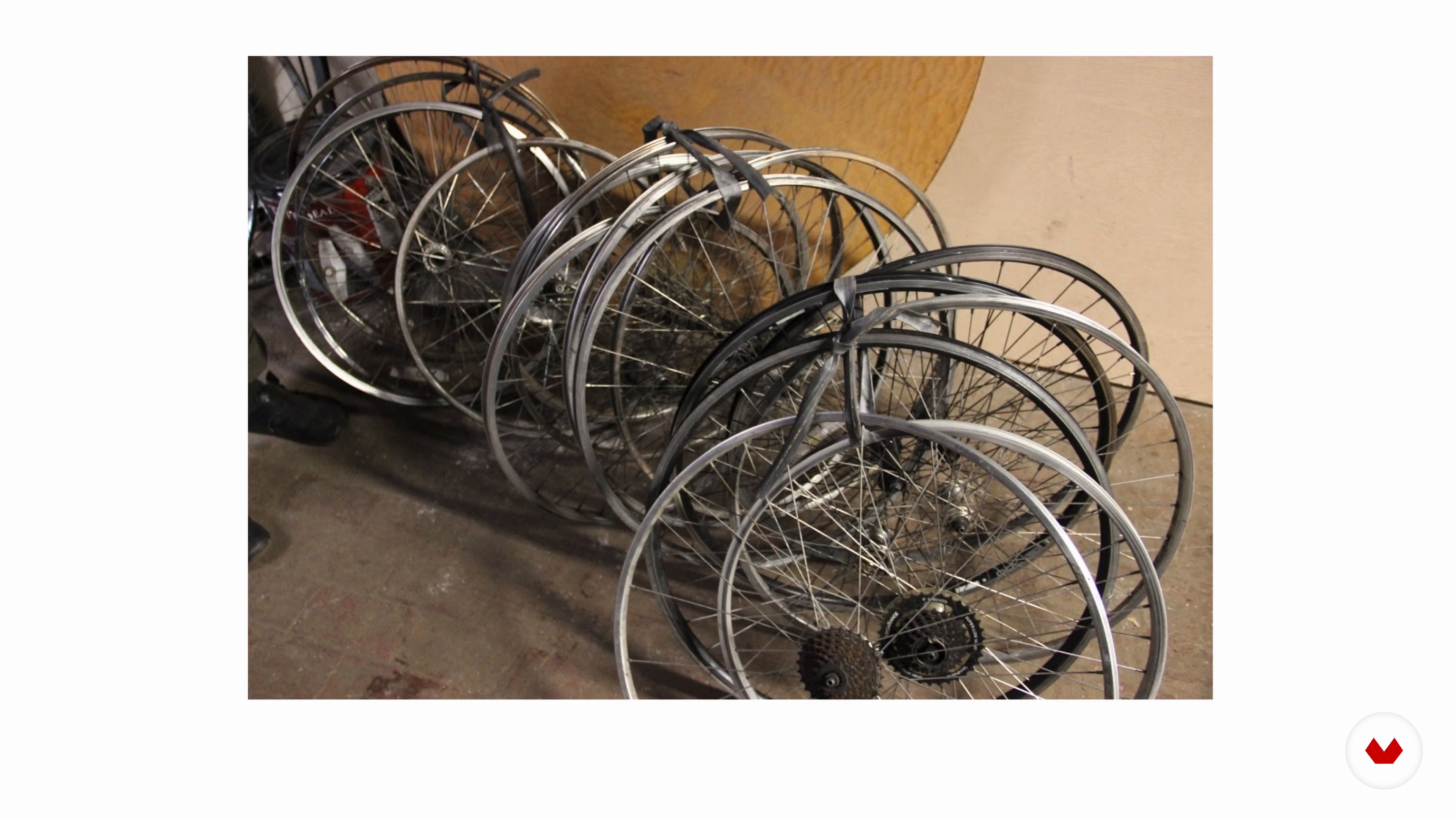
Sources for Materials, Products and Objects
16 minutes, 40 seconds
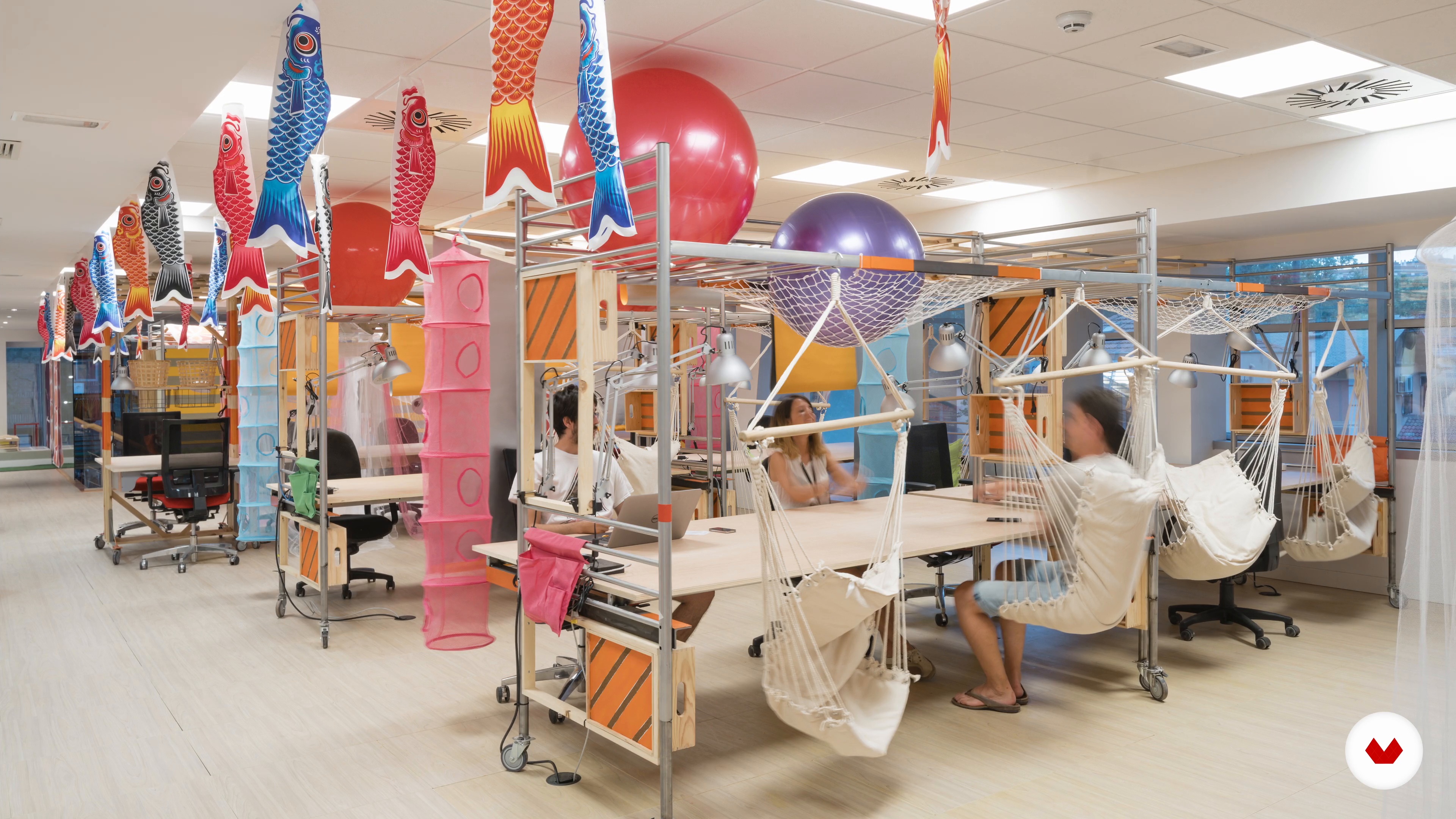
Comparing Possibilities and Building a Final List
14 minutes, 4 seconds
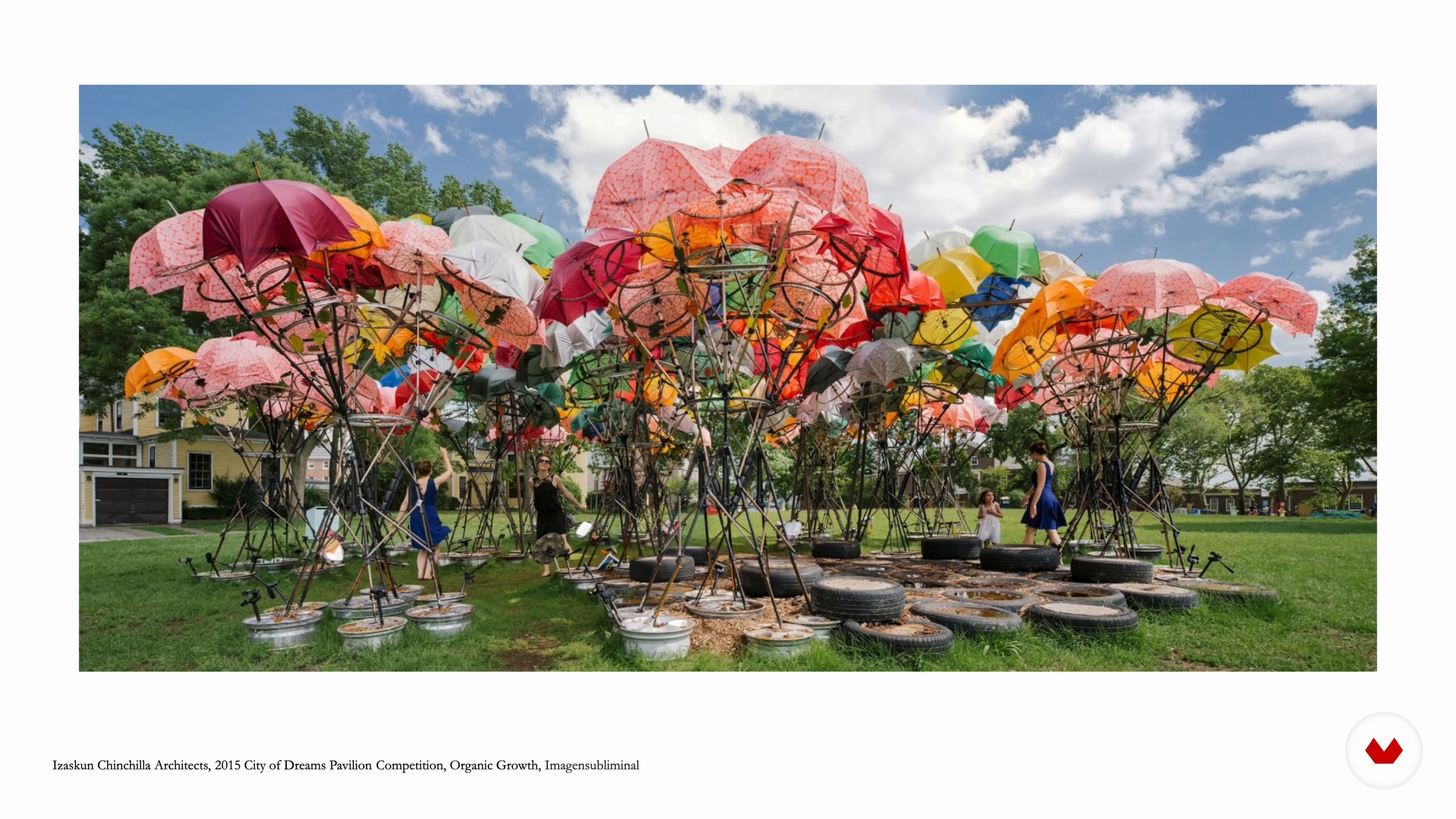
Creating an Attractive and Engaging Visual Result
15 minutes, 39 seconds
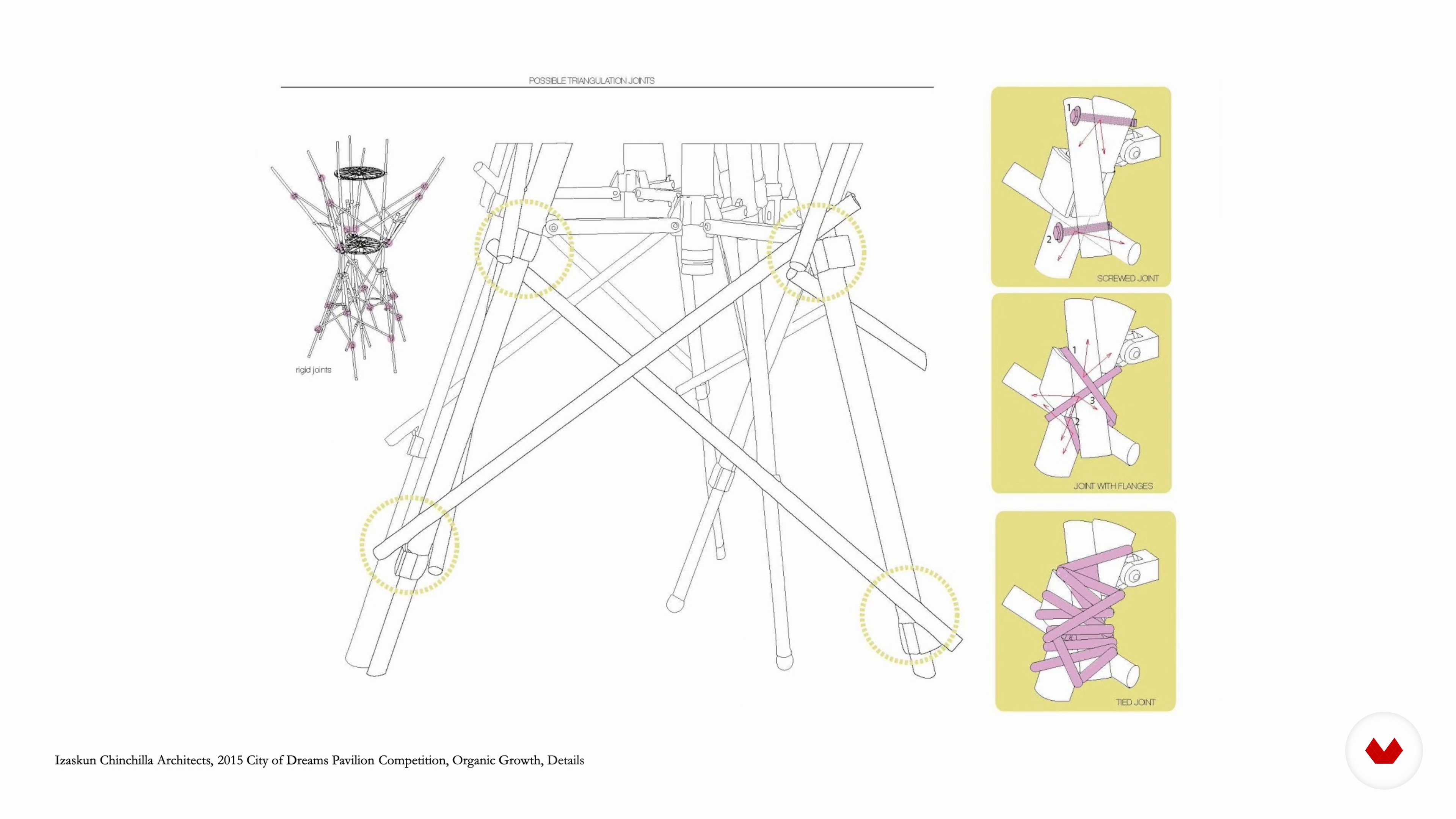
Searching for Structural Stability
11 minutes, 32 seconds
What's included in this course?
Meet Izaskun, Madrid-based architect, founder of Izaskun Chinchilla Architects, and your teacher for this course. She specializes in working with recycled materials as well as repurposed, or hacked, products. Hear about her professional journey and her influences in art, industrial design, and architecture.
Delve into small scale architecture by exploring concepts like cradle-to-cradle design and circular economy, and understand their ecological impact. Learn about different environmental protocols and get to know their benefits. Discover how to source environmentally-conscious materials and create a list of items based on the project you want to develop.
Create a powerful design strategy by first putting together a mood board of references. Develop your design by drafting the structural foundation of your installation. Learn how to create an engaging spatial experience through 3D modeling and rendering. Apply what you learned about circular economy, and create a plan for reusing the components of your design in the future.
Izaskun guides you through the production phase, starting with planning the logistics of your installation. Learn how to create prototypes, mockups, and samples to help you with the next stage of production: funding. Discover the different ways to receive funding for your projects through crowdfunding, grants, and other financial aids. Then, bring your project to life by entering the construction phase and learning about everything it entails.
To wrap up the course, Izaskun covers the presentation of your project in your portfolio. Using her own projects as a guide, she teaches you how to write a well-written brief and how to best visualize your work using 3D models, renders, and photography. Finally, hear Izaskun’s tips on sharing your work on social media.
What is this course's project?
Design an environmentally-conscious pop-up installation based on architectural circular economy.
Who is this online course for?
This course is ideal for architects, industrial designers, artists, and engineers interested in reducing the carbon footprint of their work.
Requirements and materials
Knowledge in architectural software is required.
To take this course, you will need a variety of recycled or repurposed materials, which Izaskun helps you identify and source in the second unit. You will also need access to architectural software like AutoCAD, Rhinoceros, or Sketch Up for modeling and rendering.
Reviews
- 2 years ago
super!
- 2 years ago
Izaskun siempre brillante e inspiradora.
- 2 years ago
Create Course
- 3 years ago
Incredible tutor with excellent communication of ideas! Very informative lessons.
- 3 years ago
Es un excelente curso porque la profesora nos da muchos tips en la manera como se puede trabajar con la gente que participa en el proceso de instalaciones inmersivas, y tiene mucho conocimiento.

Izaskun has worked with clients in the public sector like the Spanish Ministry of Public Work and the Madrid Council, as well as companies such as IKEA, G’vine, Sunbrella, and El Corte Inglés. She is the recipient of numerous awards throughout Europe and the United States. Some of her most notable designs include Organic Growth Pavilion in New York City, “Cosmowomen. Places as constellations” in Rome, and the VIP Room for ARCO in Madrid. She has also taught architecture in different universities like the Madrid School of Architecture, Institute of Advanced Architecture of Catalonia, and the Geneva University of Art and Design.
Content
- U1
Introduction
- About Me
- Influences
- U2
Identifying the Design Ingredients through Environmental Principles
- Two Environmental Paradigms Applied to Small Scale Architecture
- Repurposing Objects: Choosing Those That Better Fit Your Design
- Sources for Materials, Products and Objects
- Comparing Possibilities and Building a Final List
- U3
Developing a Powerful Visual, Spatial and Structural Design Strategy
- Creating an Attractive and Engaging Visual Result
- Searching for Structural Stability
- Exploring Spatial Possibilities
- Planning Dismantling and Networking
- U4
Production
- Planning the Logistics
- The Role of Prototypes, Mock-ups and Samples
- Funding
- Participation of Volunteers in Construction
- The Site Construction
- U5
Post-production
- Presentation of the Project in Your Portfolio
- Media
- FP
Final project
- Eco-Friendly Pop-up Architecture
What to expect from a Domestika course
Learn at your own pace
Enjoy learning from home without a set schedule and with an easy-to-follow method. You set your own pace.
Learn from the best professionals
Learn valuable methods and techniques explained by top experts in the creative sector.
Meet expert teachers
Each expert teaches what they do best, with clear guidelines, true passion, and professional insight in every lesson.
Certificates
PLUSIf you're a Plus member, get a custom certificate signed by your teacher for every course. Share it on your portfolio, social media, or wherever you like.
Get front-row seats
Videos of the highest quality, so you don't miss a single detail. With unlimited access, you can watch them as many times as you need to perfect your technique.
Share knowledge and ideas
Ask questions, request feedback, or offer solutions. Share your learning experience with other students in the community who are as passionate about creativity as you are.
Connect with a global creative community
The community is home to millions of people from around the world who are curious and passionate about exploring and expressing their creativity.
Watch professionally produced courses
Domestika curates its teacher roster and produces every course in-house to ensure a high-quality online learning experience.
FAQs
Upcycling in architecture means creatively reusing discarded materials to build new structures of higher value. In pop-up installations, it reduces waste and costs by transforming items like pallets, bicycle wheels, or tiles into temporary pavilions or public spaces.
Yes, this course is designed for intermediate-level participants who have some background in architecture or design and want to expand their skills in sustainable, circular, and temporary architecture.
You’ll need access to basic design tools, digital modeling software, and sources for recycled or upcycled materials such as cardboard, tiles, or furniture. A willingness to experiment and prototype with found objects is also important.
You’ll learn to apply circular economy principles to design and build temporary structures, select and repurpose materials, and develop sustainable workflows for eco-friendly architectural projects.
The course covers strategies for finding and evaluating recycled materials, including using local suppliers, online marketplaces, and community networks, as well as tips for systematic classification and storage.
You’ll learn hands-on methods for building with reused materials, preassembling components in workshops, and optimizing assembly for efficient, safe, and sustainable construction.
Yes, you’ll develop skills for presenting your projects professionally using analytic drawings, photographs, and digital media to showcase your work and communicate your values.