Graphic Design with a Social Impact
A course by Giulia FagundesGraphic Designer
A course by Giulia Fagundes, Graphic Designer

Learn to develop visual identities that engage with social issues, and give value to your brand
Graphic design is a powerful tool when it comes to visually expressing social causes and debates and establishing a connection between topics and people. Award-winning designer Giulia Fagundes, who's produced pieces for You Tube, EmpowerHer New York, Globo, Spotify and Companhia das Letras, teaches you how to develop a graphic project with a social impact, step by step.
In this course, learn to create a visual identity for a brand that translates ideas and social causes close to home. Giulia shows you the importance of a solid conceptual basis that is closely connected to the project's visual aesthetic and gives you some tips on how to promote and present your work.
What will you learn in this online course?
11 lessons & 20 downloads
Experiences
5 minutes, 35 seconds
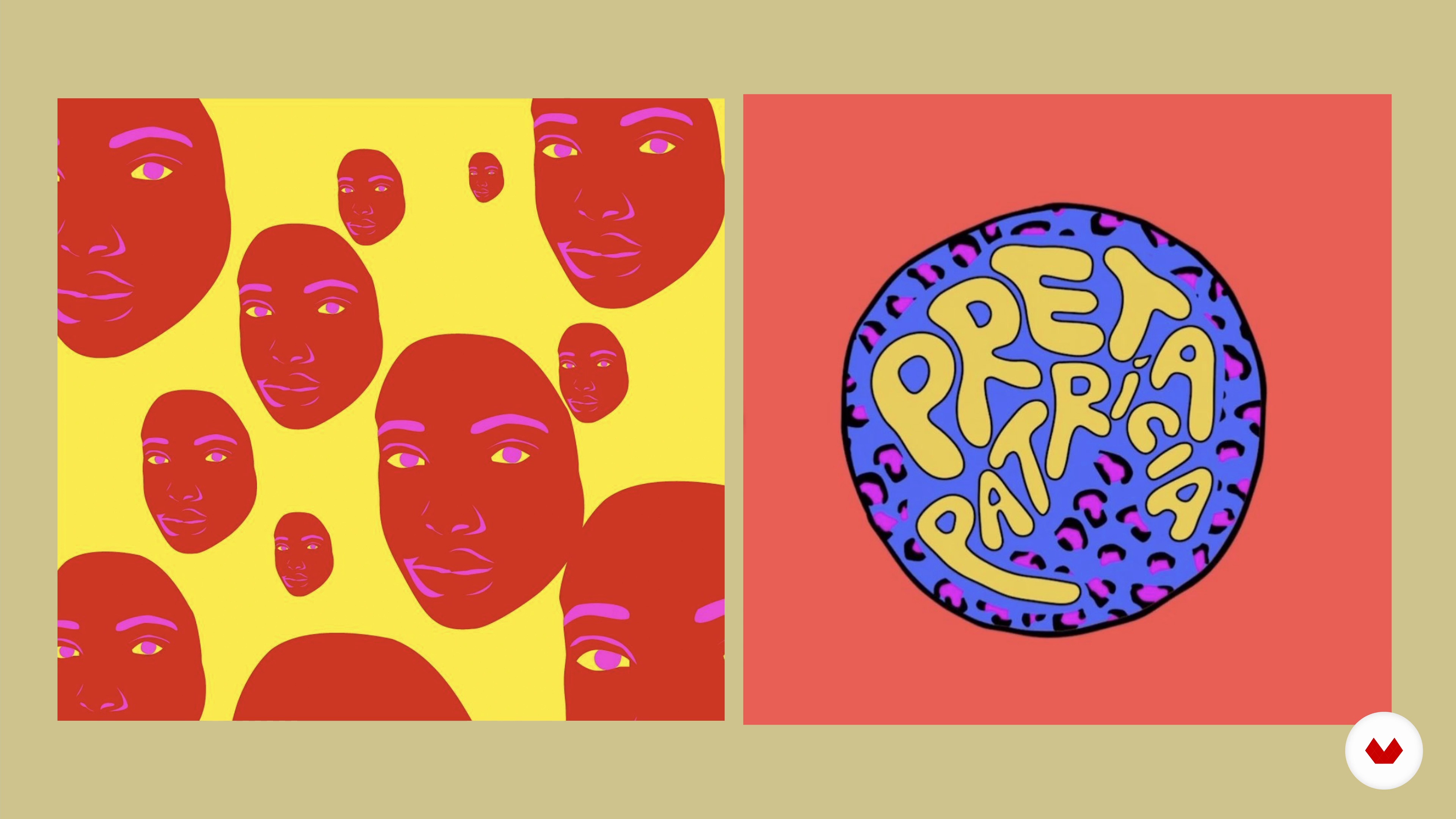
The Social Design
7 minutes, 58 seconds
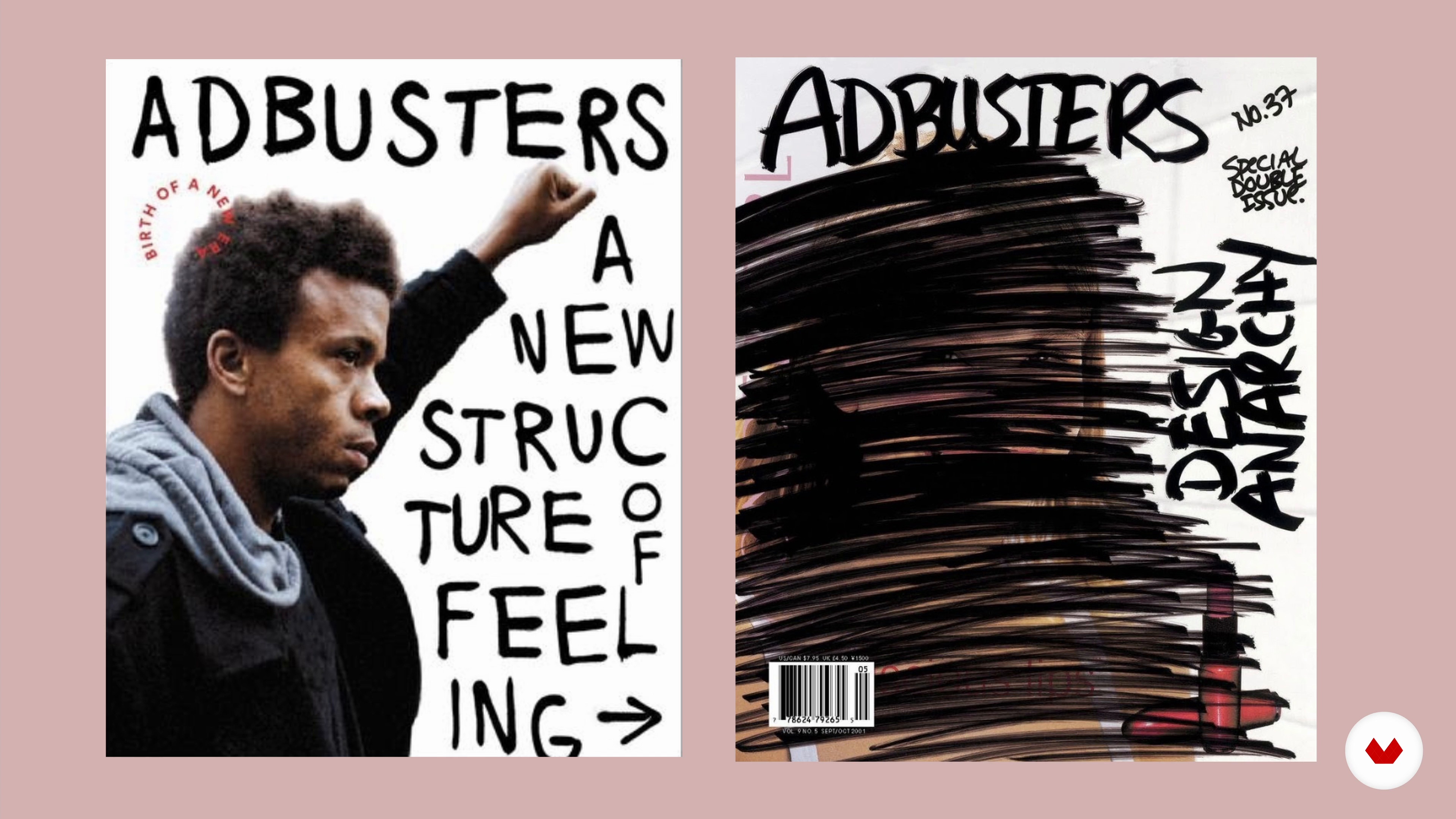
Basic Elements of Graphic Design
10 minutes, 24 seconds
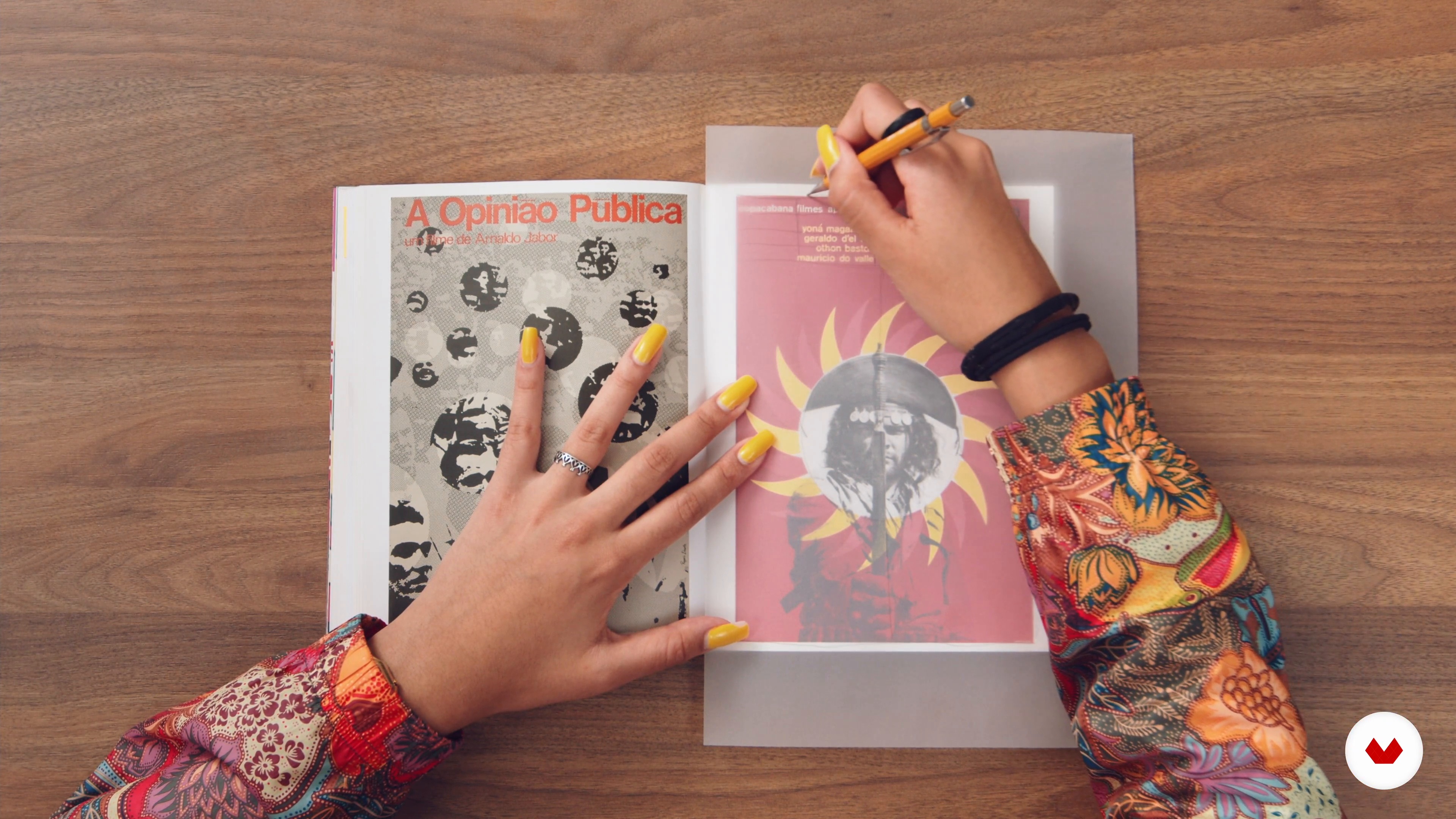
Knowing the Project
9 minutes, 48 seconds
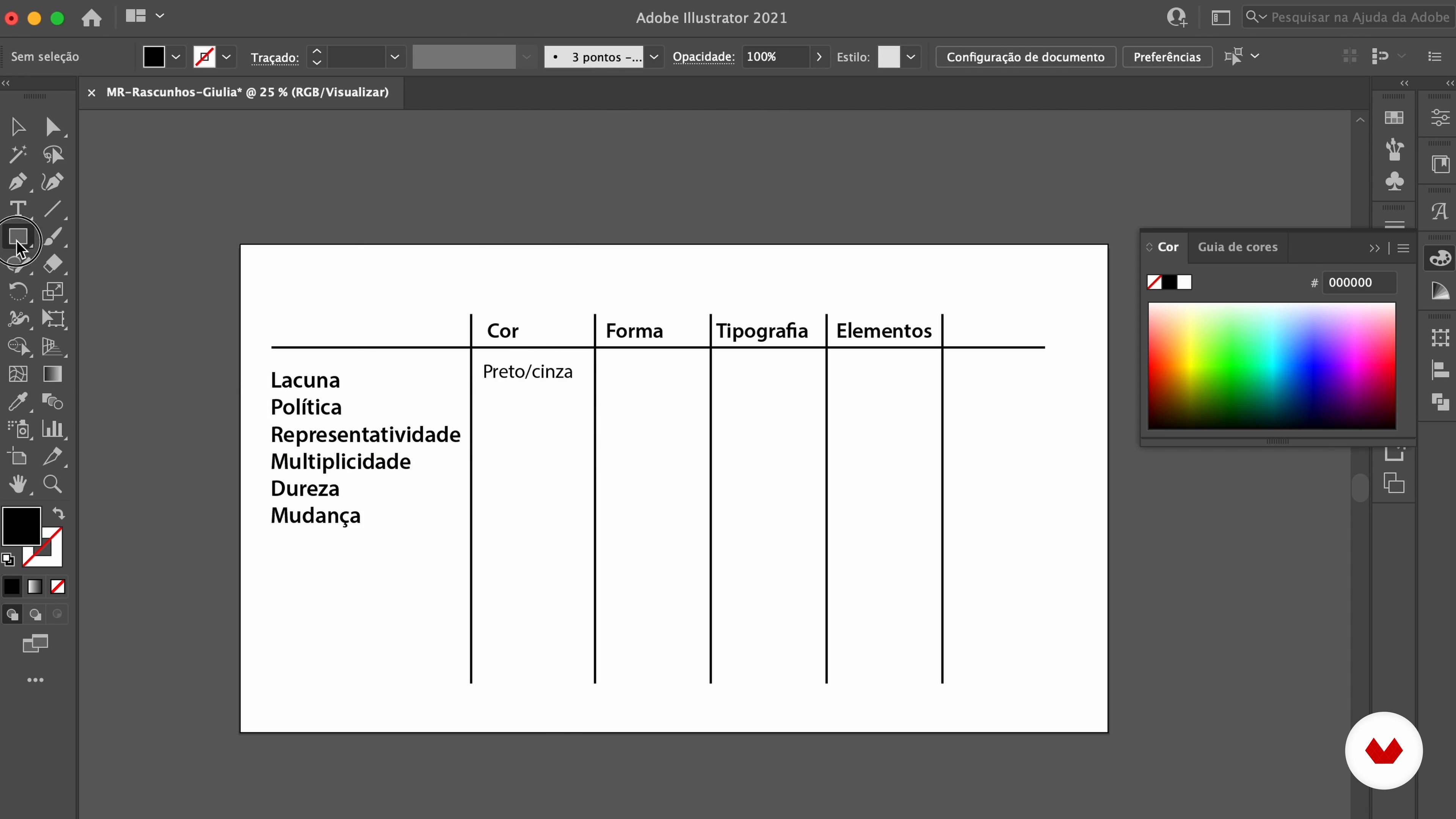
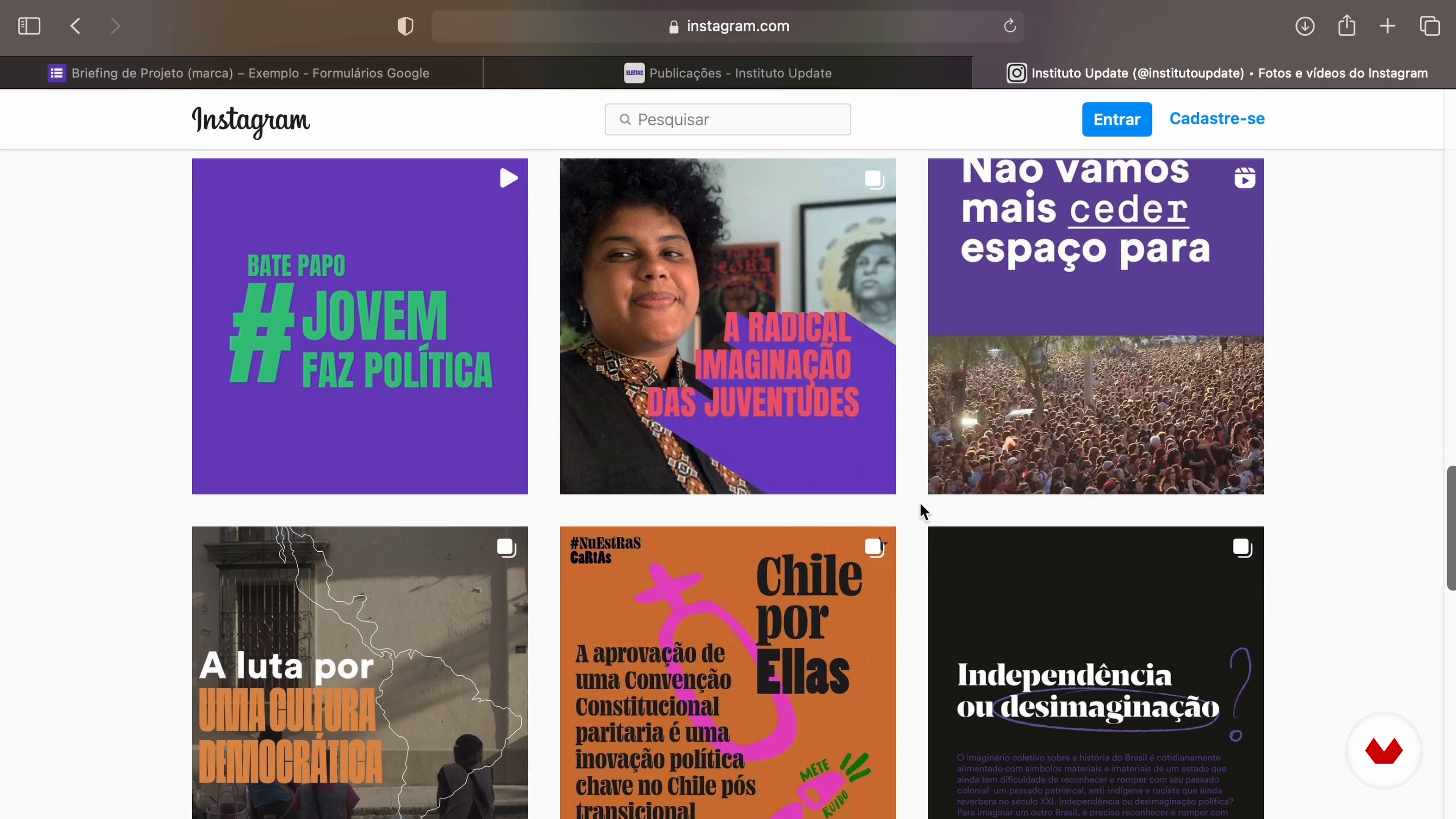
Conceptualization
16 minutes, 53 seconds
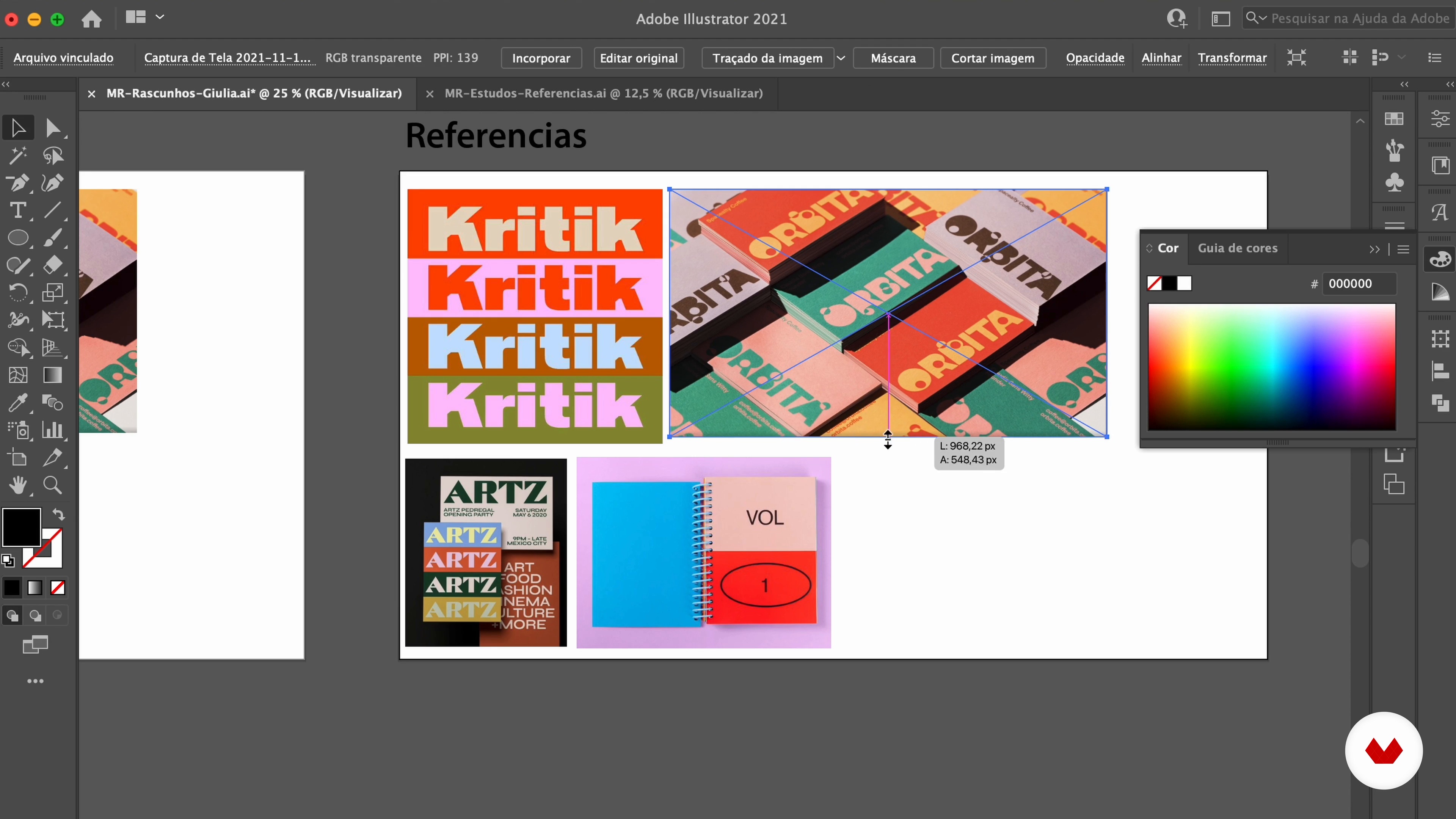
Reference Search
12 minutes, 24 seconds
What's included in this course?
Start by hearing a little about Giulia Fagundes' career in the world of graphic design. She shares some personal experiences as well as her artwork and main sources of inspiration, from writers to visual artists and designers.
Then discover the pillars of social design and how it can be used as a powerful tool in tackling serious societal issues like violence, racial discrimination, and traffic accidents. Giulia also shows you how to approach these topics in the context of a graphics project.
Now it's time to create your own project's visual identity. Using a brief, define the essence and visual language of your piece. Next, draw on reference materials to put together a mood board, and from there, decide on typefaces, colors, and other graphic elements.
To round out the course, Giulia gives some advice on presenting your work to the client, creating an impactful narrative with mock-ups to help convey a strong visual identity. She also teaches you to adapt your file to different formats and how to share your creations with the world.
Recommended software & tools for this course
What is this course's project?
Using your own cultural context as inspiration, create a visual identity that tackles an important social issue.
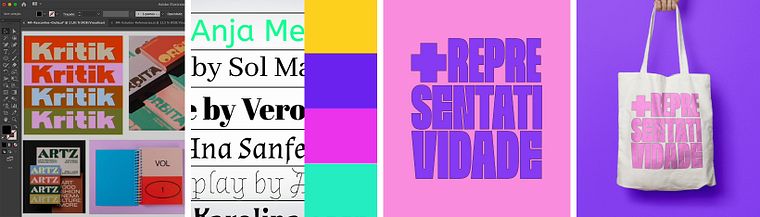
Projects by course students

Who is this online course for?
Designers and anyone interested in carrying out visual identity branding projects with a social impact.
Requirements and materials
You need basic knowledge of Adobe Illustrator to take this course.
In terms of materials, all you need is a computer installed with the vector graphics software of your choice.

Reviews
- 6 months ago
Muy bueno el curso. Lo recomiendo
- 8 months ago
A Giulia é uma profissional incrível, já é a segunda vez que revisito esse curso para aprender com suas sábias palavras de autoconhecimento e ideação!
- 11 months ago
Es muy bueno
- 1 year ago
Muito bom, visão unica unindo politica ao design
- 2 years ago
Muito bom

She won the 2020 Latin American Design Festival's Young Talent award and was on the panel of judges at both the 2020 Design Awards and Young Guns 18, organized by The One Club for Creativity. She is also director of the Designers Negres no Brasil initiative to promote the work of black designers. Additionally, she is a partner at Daó, a São Paulo design studio that carries out projects for small and large companies, and has won several editions of the Latin American Design Awards, Brasil Design Award, and Brazil's graphic design biennale, Bienal de Design Gráfico.
Content
- U1
Introduction
- Presentation
- Influences
- U2
Social Design
- Experiences
- The Social Design
- Basic Elements of Graphic Design
- U3
Visual Identity Development
- Knowing the Project
- Conceptualization
- Reference Search
- Visual Studies
- U4
Finalization
- Presentation to the Customer
- Finalization and Adaptation to Different Formats
- FP
Final project
- Graphic Design with a Social Impact
What to expect from a Domestika course
Learn at your own pace
Enjoy learning from home without a set schedule and with an easy-to-follow method. You set your own pace.
Learn from the best professionals
Learn valuable methods and techniques explained by top experts in the creative sector.
Meet expert teachers
Each expert teaches what they do best, with clear guidelines, true passion, and professional insight in every lesson.
Certificates
PLUSIf you're a Plus member, get a custom certificate signed by your teacher for every course. Share it on your portfolio, social media, or wherever you like.
Get front-row seats
Videos of the highest quality, so you don't miss a single detail. With unlimited access, you can watch them as many times as you need to perfect your technique.
Share knowledge and ideas
Ask questions, request feedback, or offer solutions. Share your learning experience with other students in the community who are as passionate about creativity as you are.
Connect with a global creative community
The community is home to millions of people from around the world who are curious and passionate about exploring and expressing their creativity.
Watch professionally produced courses
Domestika curates its teacher roster and produces every course in-house to ensure a high-quality online learning experience.
FAQs
Yes, the course covers visual identity, graphic composition, briefings, semantic boards, and portfolios, focusing on authentic and meaningful visual solutions.
No prior experience is required, but the course is best suited for those with some basic knowledge or interest in graphic design and visual identity.
You’ll need drawing materials (paper, ink, pencils) and access to software like Illustrator or similar tools for digital experimentation and organizing references.
Yes, the course teaches how to develop sensory, physical, and digital portfolios, as well as adapt projects for social media and exhibitions.
Yes, there are modules on pointillism, illustration, political poster creation, and hands-on and digital experimentation in visual projects.
The course encourages representing Black bodies, social design, inclusion of social themes, and valuing diverse cultural references in projects.
Yes, you’ll learn how to gather, select, and organize visual references and create semantic boards to support visual identity proposals.