
Designing Unique Luxury Spaces
A course by Ciszak Dalmas FerrariArchitecture Studio
A course by Ciszak Dalmas Ferrari, Architecture Studio

Combine creative branding and strategic thinking to design singular interior spaces
Great design is the product of solving real problems with original creative ideas. Matteo Ferrari and Andrea Caruso, two of the partners at Ciszak Dalmas Ferrari Studio, rely on strategic design thinking and a range of inspiration to create singular spaces that are both practical and eye-catching. No matter where you find inspiration, learn to channel it into a design project that has a positive impact and generates instant brand recognition.
In this course, Matteo and Andrea present their unique creative approach to designing for retail, blending their backgrounds in industrial design and architecture to develop impactful interior spaces. Learn their strategies for working with clients, understanding a visitor’s journey, and transforming a store, house, restaurant, or public space down to the last inspiring detail.
What will you learn in this online course?
15 lessons & 24 downloads
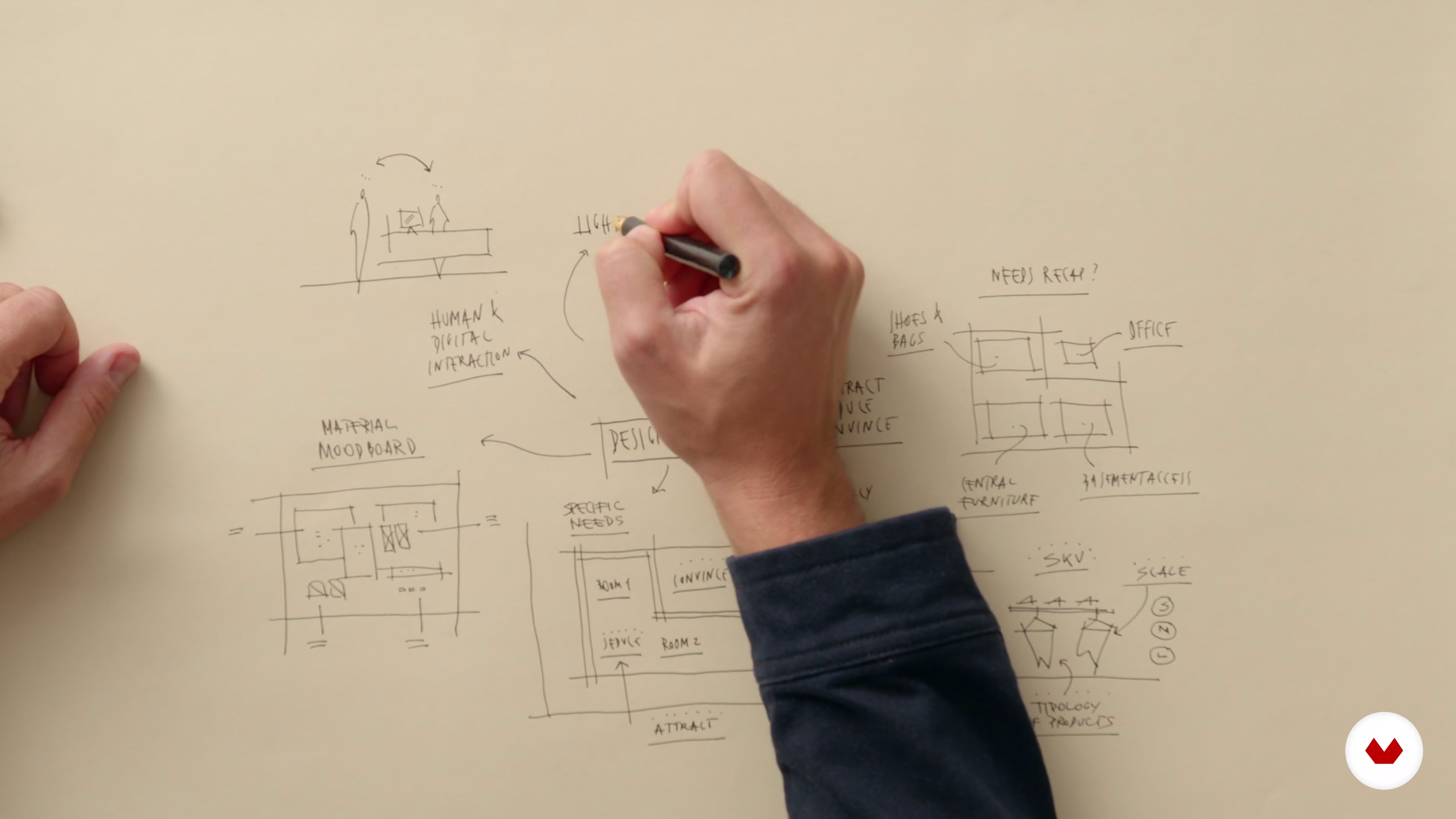
What is a Design Brief?
13 minutes, 36 seconds

Client DNA, How to Get to Know Your Client
11 minutes, 3 seconds
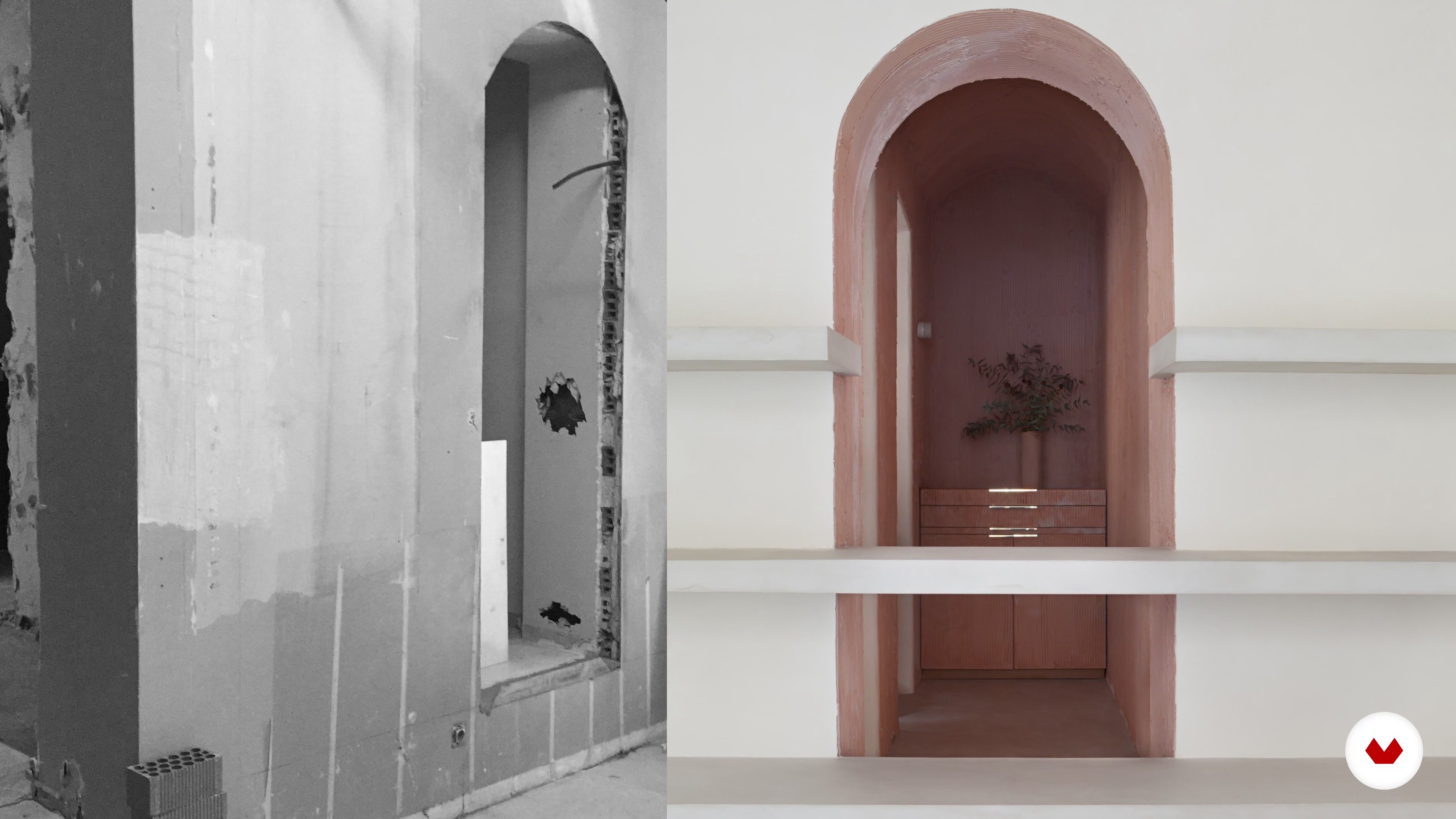
Getting to Know the Space
13 minutes, 38 seconds
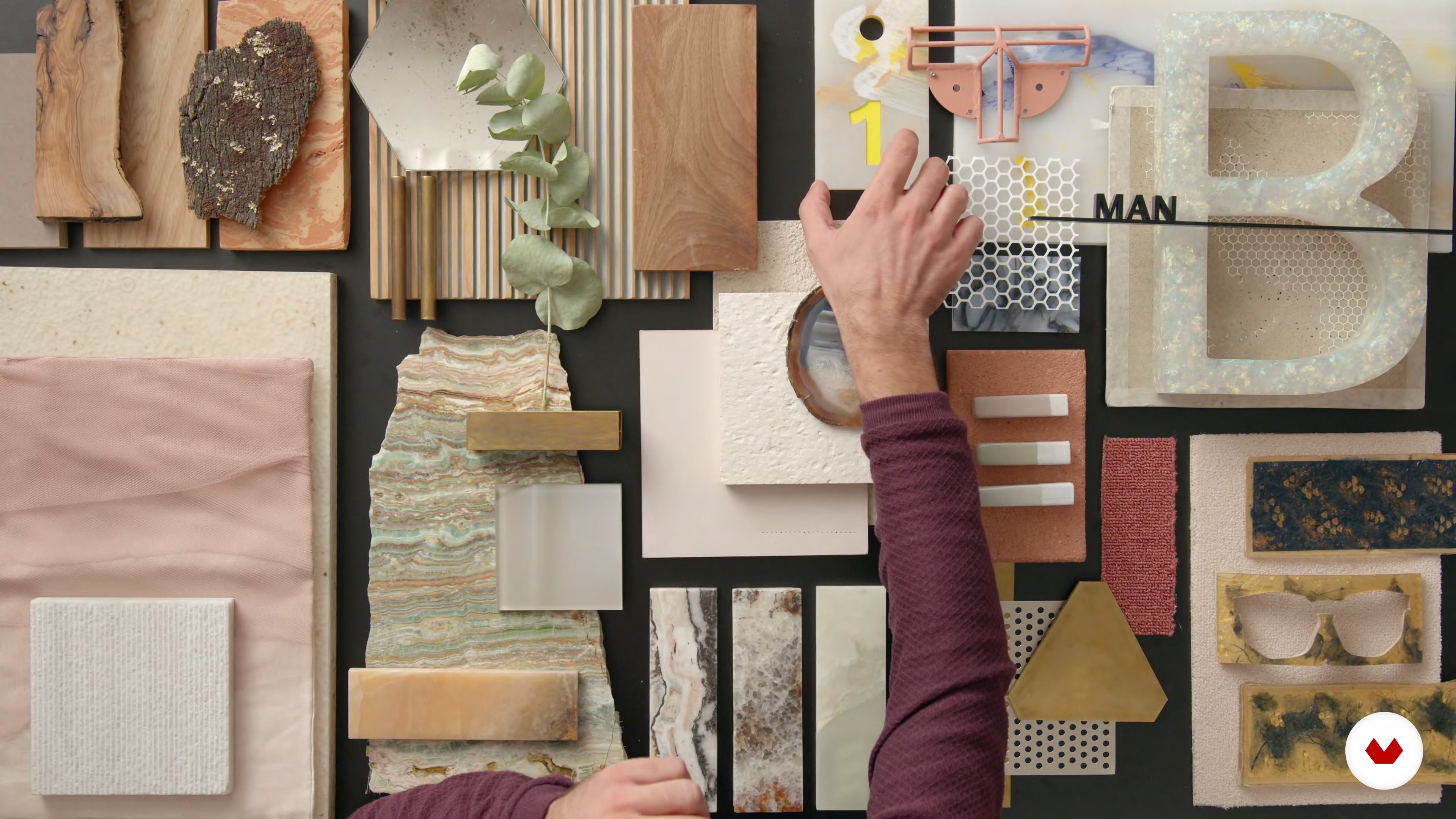
Unique Materials and Bespoke Solutions
7 minutes, 55 seconds
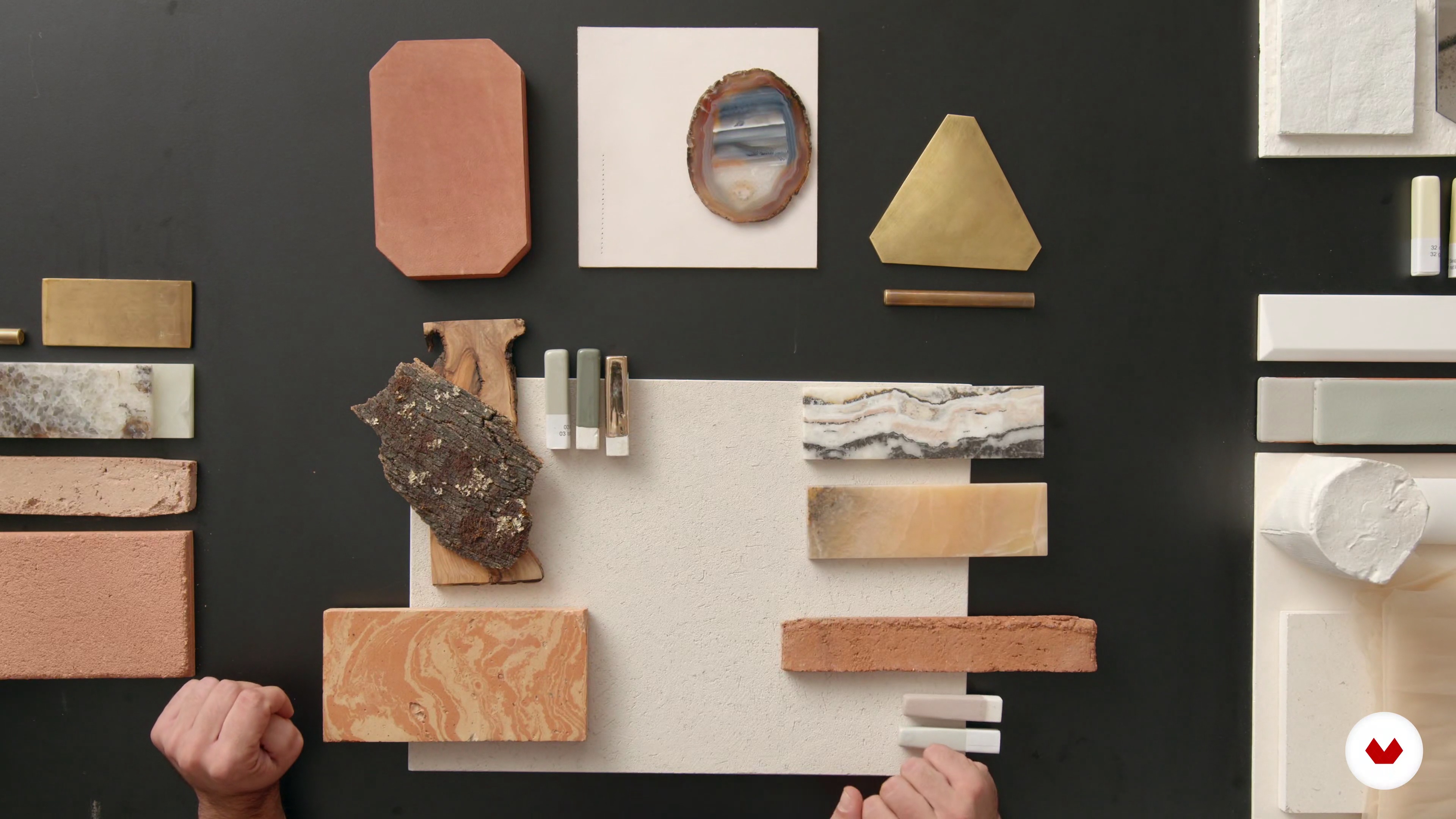
The Final Mood Board
7 minutes, 3 seconds
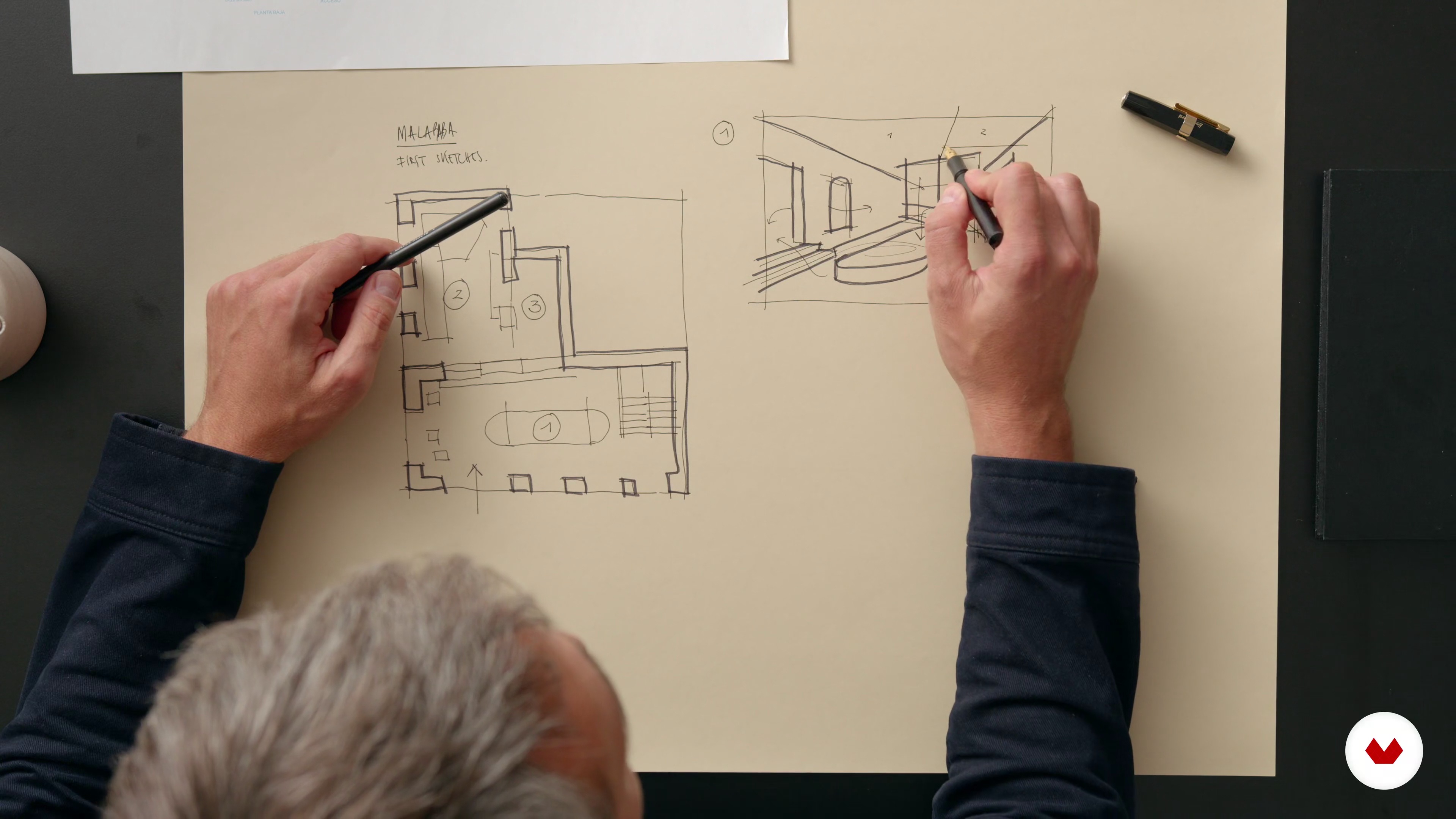
Visual Representation
18 minutes, 55 seconds
What's included in this course?
Get started on your design journey with Matteo and Andrea. They introduce you to their studio and go through some of their greatest influences before briefly discussing the project that will be done in this course: designing the interior of a flagship store for a high-end fashion brand.
Learn how to compile a design brief that brings together the functional and aesthetic requirements needed to develop the space’s interior. Matteo and Andrea point out some essential things to focus on, including how to analyze a project’s needs, why it’s important to understand your client, and how to transmit your vision for the space.
Leave your analytical self behind and start using the right half of your brain. Dive into the more creative side of the project, using all five senses to define a preliminary concept and craft it into a tangible mood board with unique images, colors, materials, textures, and finishes.
Map out the journey a guest will follow when they visit the space and start developing your final proposal. Begin shaping the idea that was established during the research phase and explore different designs with some simple 3D views. Start modeling the space and the furniture in Rhinoceros before applying materials with Keyshot. Finally, add some details before creating a final general overview of the space.
Matteo and Andrea give you some tips for how to sell or win a project, and how you can use technology and online platforms to put your client inside a 3D space. Finally, see how to make impactful images of your mood boards and learn some tricks for developing a persuasive final pitch.
What is this course's project?
Develop a unique design project for a functional and attractive retail space. Matteo and Andrea will be developing a bespoke design for a high-end brand shop based on a range of special factors.

Projects by course students


Who is this online course for?
This course is for entry-level and intermediate designers. For each phase of the design process, Matteo and Andrea will suggest different deliverables based on your skills and experience, from true beginner to design professional.
Requirements and materials
Passion, dedication, and commitment are necessary to get the most out of this course.
For beginners, some basic notions of drawing are nice to have, as well as some computer skills like knowing how to create a presentation and using Adobe Photoshop or Illustrator to visualize your ideas. For advanced students, like those in design or architecture, 2D and 3D design software are recommended to get the most professional results (i.e. Rhinoceros, Autocad, Sketch-up, Keyshot, etc.).
Materials used in this course include: a black pen (Muji 0.5mm or similar), an A4 notebook with blank white paper, and some felt pens or ABT Tombow markers in light colors.

Reviews
- javosanvalPLUS11 months ago
El curso es bueno, solo que es mas como seguir un proyecto especifico, no era lo que estaba buscando pero no esta mal.
- 1 year ago
Credo che questo sia una dei corsi più preziosi su Domestika. Dalmas e Ferrari sono due professionisti di altissimo livello, che non si tirano minimamente indietro quando si tratta di condividere le loro conoscenze. Ho anche trovato estremamente interessanti tutte le risorse aggiuntive che hanno messo a disposizione nelle varie unità, non sono solo materiali a completamente del video ma veri e propri approfondimenti che arricchiscono e ampliano il corso.
- 1 year ago
No está mal, pero es más sobre cómo formular un proyecto en general.
- 1 year ago
Curso simple de seguir, interesantes ideas
- 1 year ago
I'm still watching it, but I'm glad it's easy to understand.

Industrial designers and architects by trade, the studio works to combine their 360º design vision with their clients’ specific needs, from the practical to the eye-catching. Their client list includes Loewe, Zara, Aesop, Max&Co., Bershka, Ambrosia, and Malababa, which was awarded the best retail store by The New York Times magazine in 2019. You can find a range of their products online and at select locations across the globe, including MoMa New York.
Content
- U1
Introduction
- Presentation
- Influences
- What We Will Do in the Course?
- U2
The Brief
- What is a Design Brief?
- Client DNA, How to Get to Know Your Client
- Getting to Know the Space
- U3
The Design of an Unique Space - Finding Inspiration and Creating Your Mood Board
- References
- The Concept
- Unique Materials and Bespoke Solutions
- The Final Mood Board
- U4
Project Development
- The Experience
- Visual Representation
- Creative Development and Execution
- U5
Post-production
- Handling the Project to Your Client
- Share Your Work
- FP
Final project
- Designing Unique Luxury Spaces
What to expect from a Domestika course
Learn at your own pace
Enjoy learning from home without a set schedule and with an easy-to-follow method. You set your own pace.
Learn from the best professionals
Learn valuable methods and techniques explained by top experts in the creative sector.
Meet expert teachers
Each expert teaches what they do best, with clear guidelines, true passion, and professional insight in every lesson.
Certificates
PLUSIf you're a Plus member, get a custom certificate signed by your teacher for every course. Share it on your portfolio, social media, or wherever you like.
Get front-row seats
Videos of the highest quality, so you don't miss a single detail. With unlimited access, you can watch them as many times as you need to perfect your technique.
Share knowledge and ideas
Ask questions, request feedback, or offer solutions. Share your learning experience with other students in the community who are as passionate about creativity as you are.
Connect with a global creative community
The community is home to millions of people from around the world who are curious and passionate about exploring and expressing their creativity.
Watch professionally produced courses
Domestika curates its teacher roster and produces every course in-house to ensure a high-quality online learning experience.
FAQs
Yes, this course is designed for intermediate-level designers looking to expand their skills in upcycling, experimental furniture design, and spatial innovation.
You should have a basic understanding of design principles. Access to sketching tools, a laptop with SketchUp, and materials for mockups like laser measures or drawing supplies are recommended.
You’ll learn how to integrate architectural thinking with product design to create innovative solutions for retail and interior spaces, focusing on workflow, collaboration, and holistic design strategies.
Yes, the course teaches how to work with artisans and other professionals, emphasizing collaborative methods for unique furniture and spatial projects.
Absolutely. The course covers retail store design, display solutions, zoning, and strategies to enhance shop window visibility and customer experience.
The curriculum covers choosing materials, finishes, and lighting, with an emphasis on aligning these elements with brand identity and spatial atmosphere.
You will apply empathy and user persona analysis to create adaptable, future-proof spaces that meet both functional and emotional needs.