Dynamic Design: Introduction to Flexible Visual Identities
A course by Martin LorenzGraphic Designer
A course by Martin Lorenz, Graphic Designer

Learn to create visual identities with elements that work as their own language and explore the potential of dynamic systems
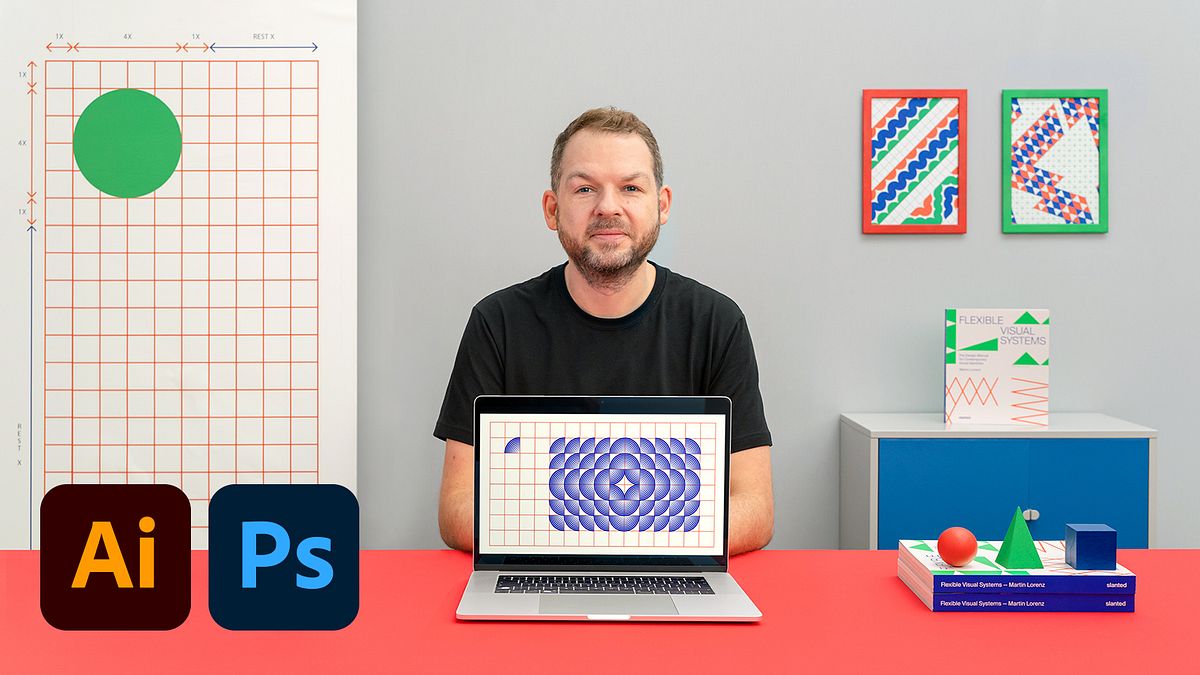
In this online course, Martin Lorenz teaches you how to design flexible systems for visual identities step by step. For more than 20 years, the graphic designer, communicologist, and cofounder of TwoPoints.Net has been developing visual languages that always respond to new requirements, contexts, and content. Through his work he has carved out a new design paradigm known as "flexible visual systems."
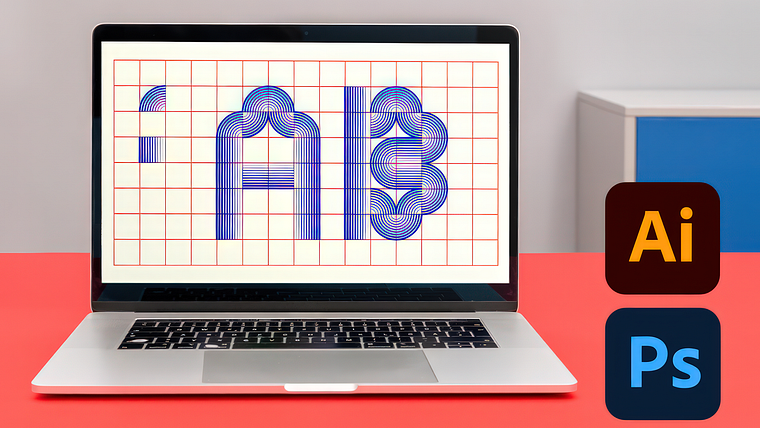
With Martin's help, learn how to devise visual identities adapted to all kinds of formats. Discover the theoretical foundations of this creative process and develop a design manual to present your project.
What will you learn in this online course?
11 lessons & 17 downloads
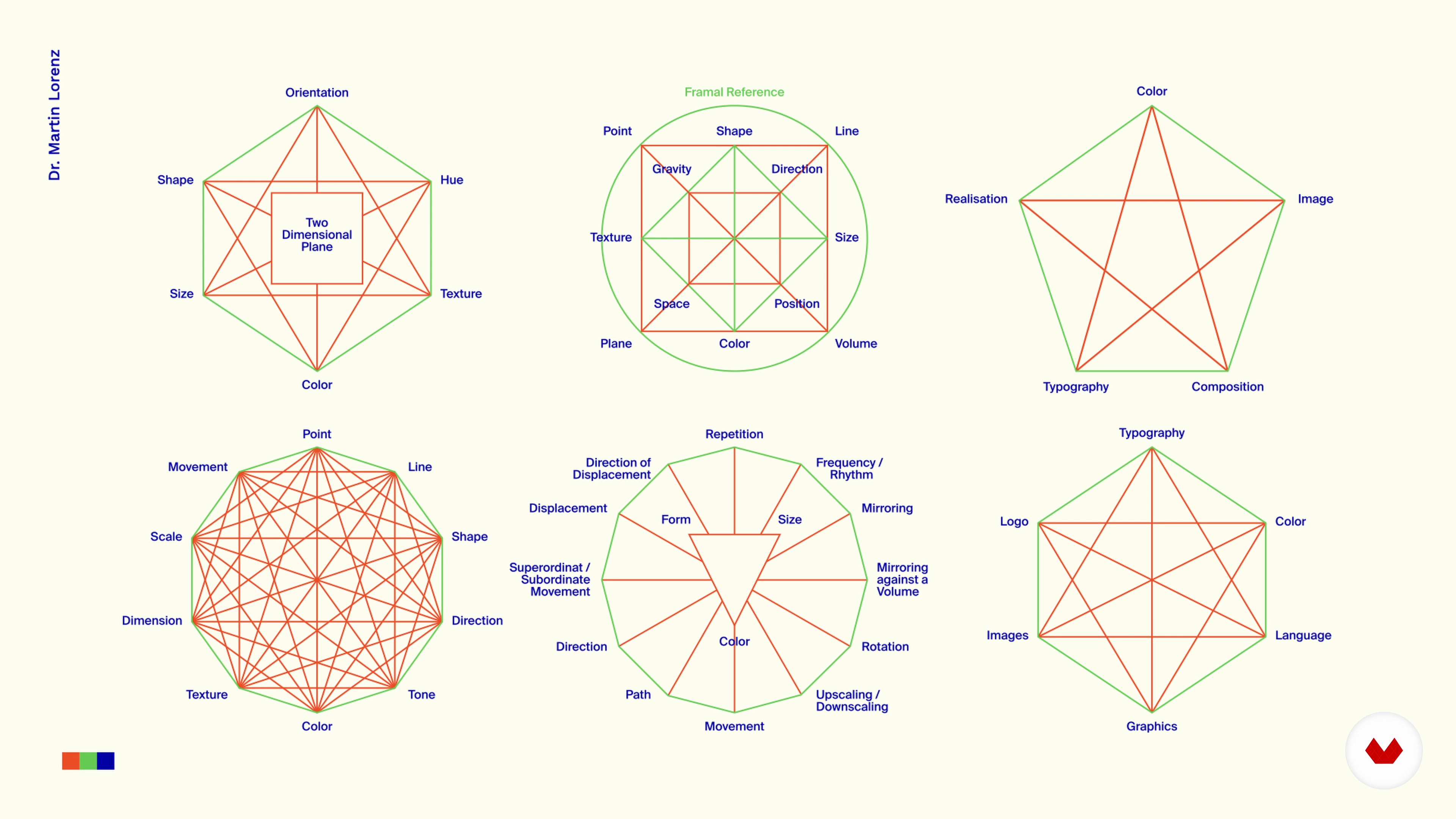
Paradigm Shift in Design
7 minutes, 17 seconds
Changing Working Methods
2 minutes, 1 second
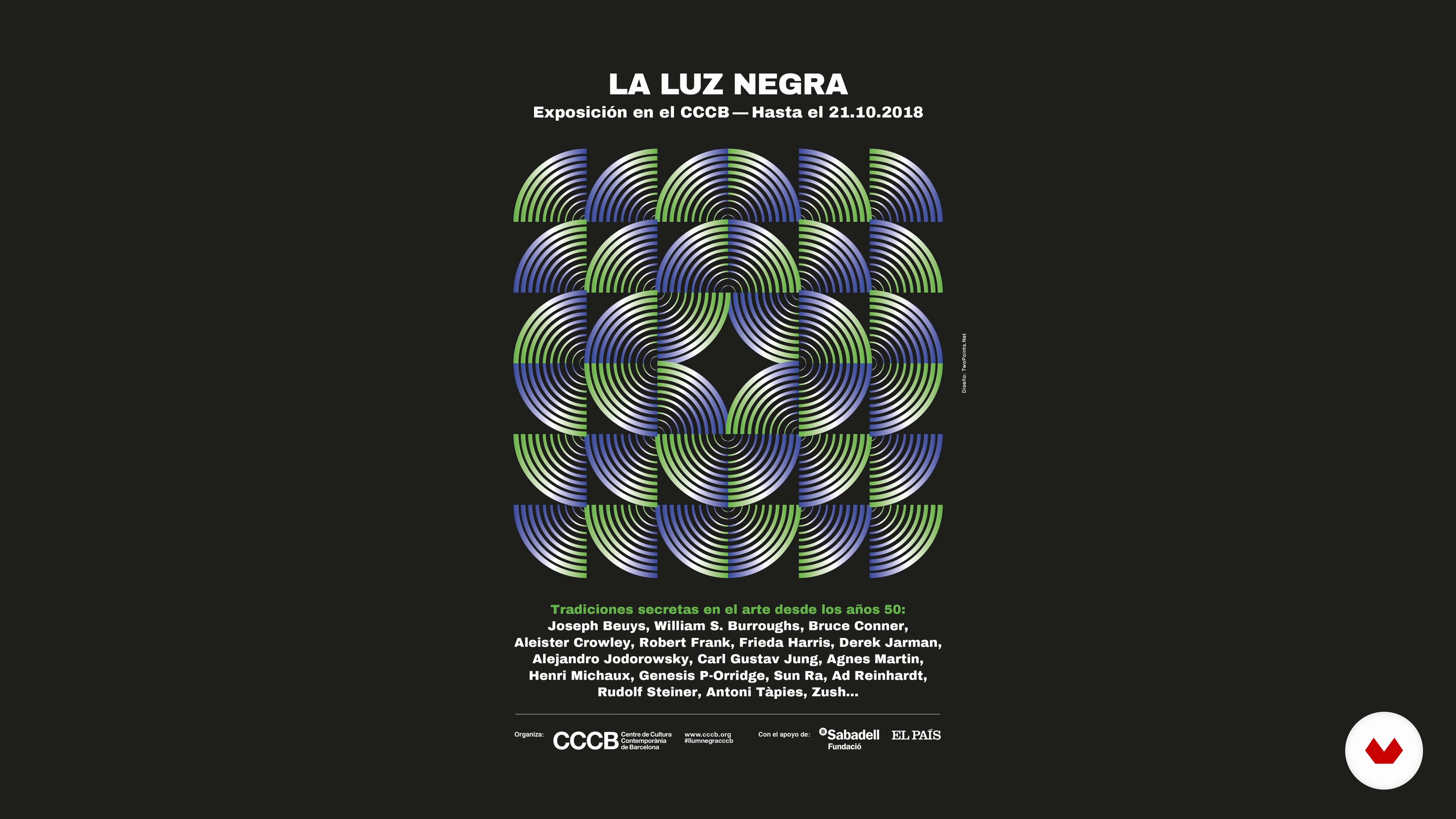
Briefing
5 minutes, 42 seconds
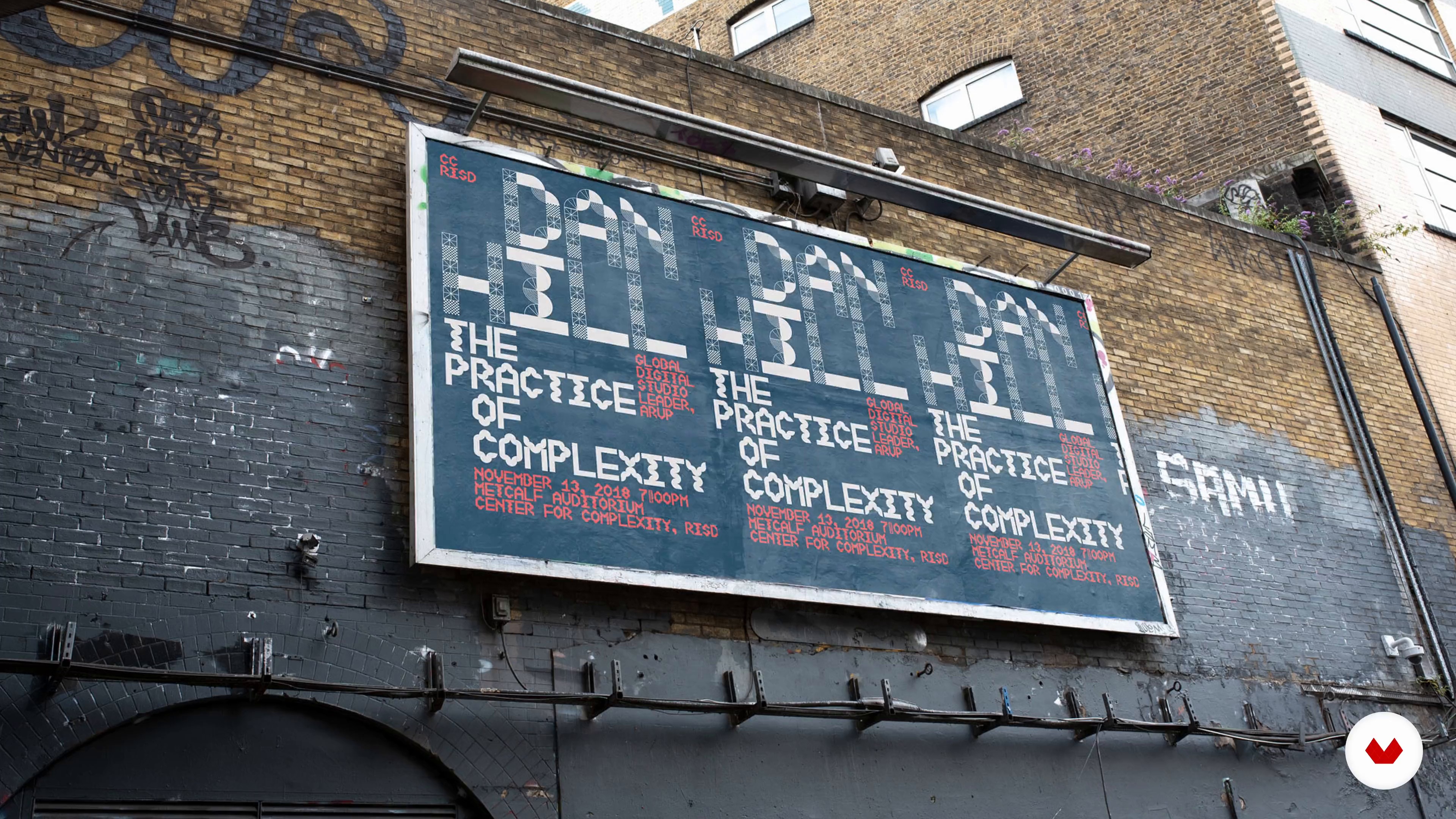
Visual Parameters
2 minutes, 27 seconds
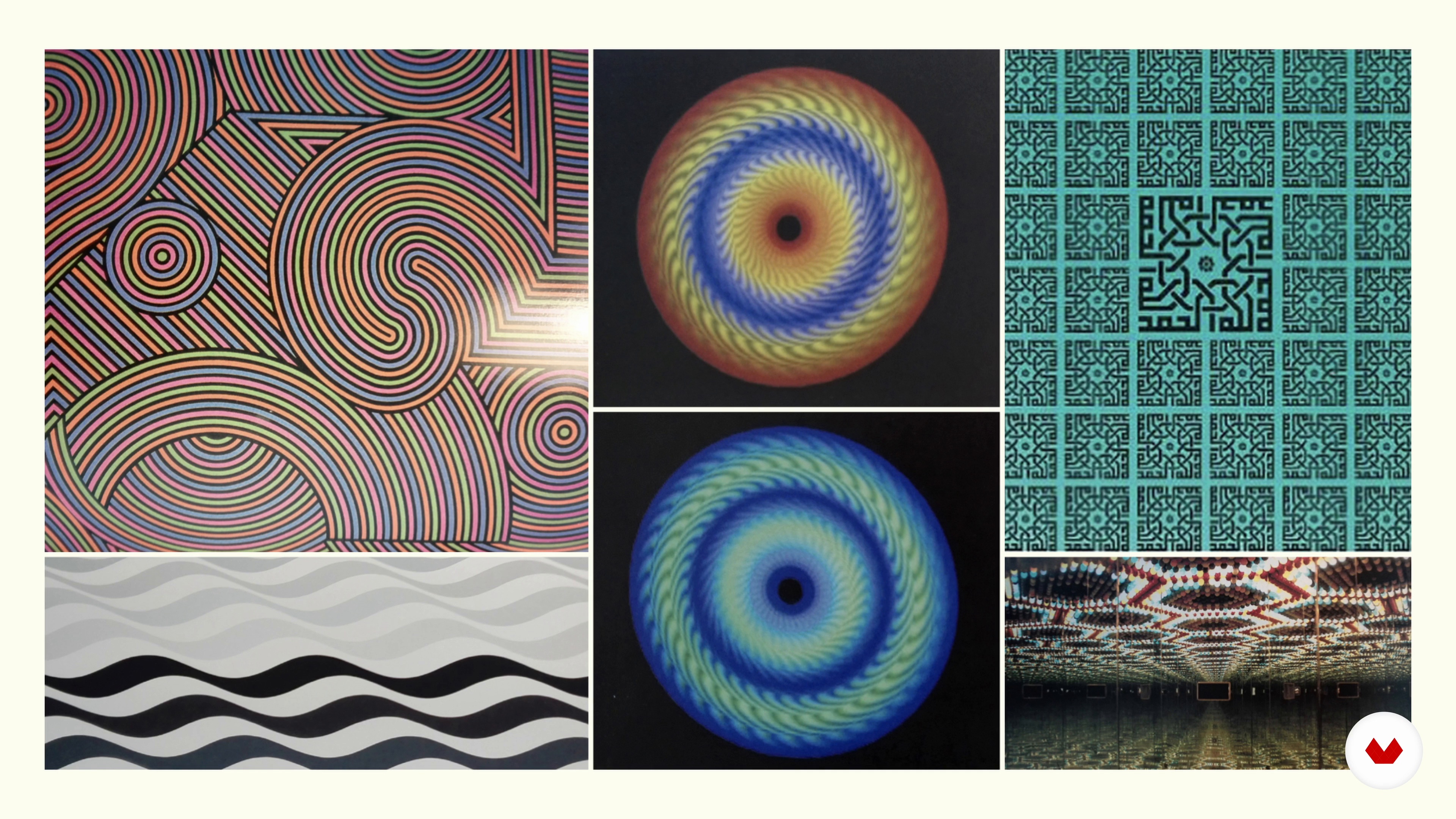
Research
3 minutes, 42 seconds
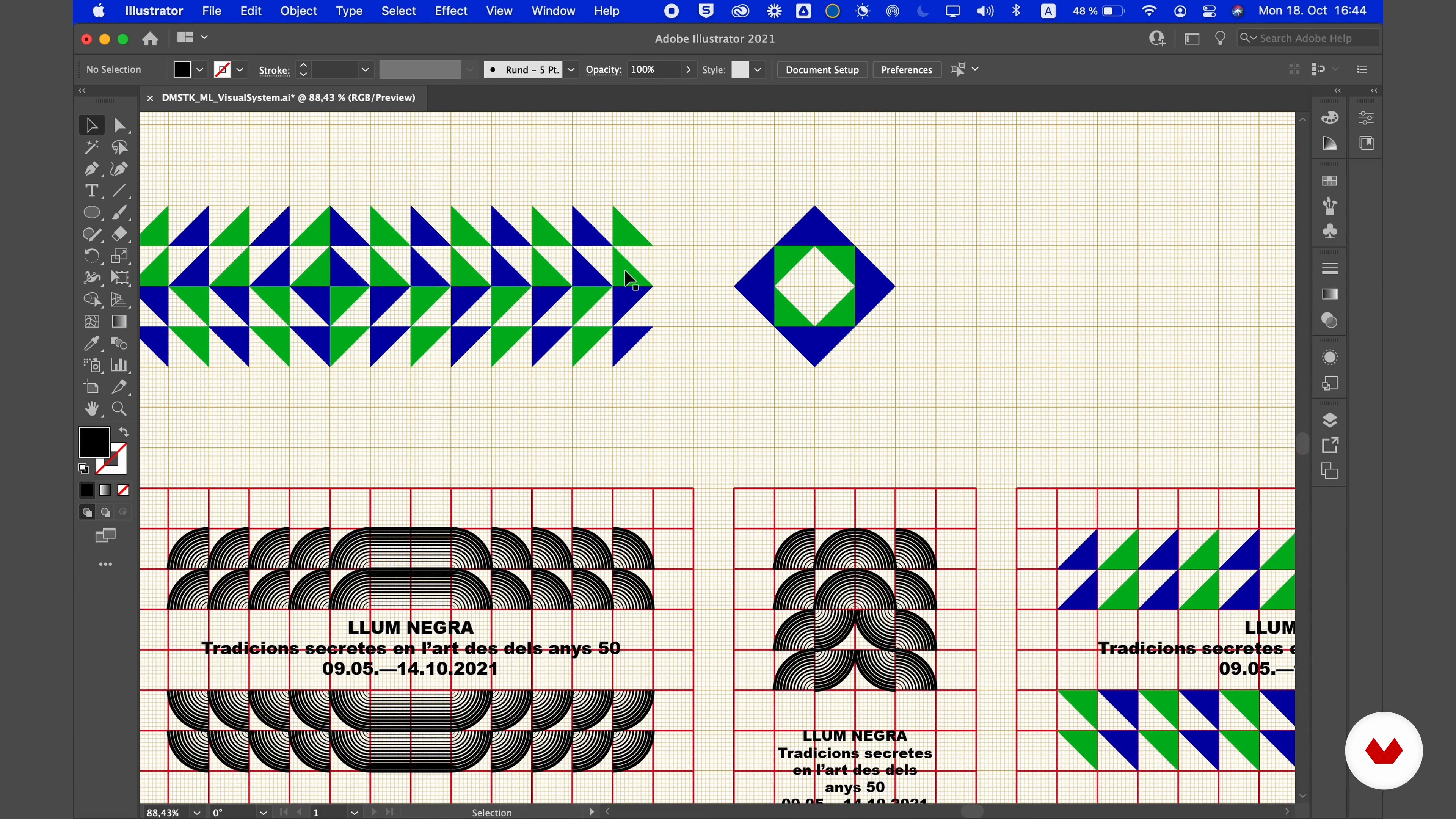
Visual System
15 minutes, 21 seconds
What's included in this course?
Begin this online course by meeting your teacher Martin Lorenz. He tells you all about his professional background and influences.
Next, he introduces you to flexible visual identities, which represent a major paradigm shift in the design industry. Then he explains how to effectively organize your work process and what it takes to prepare a good brief.
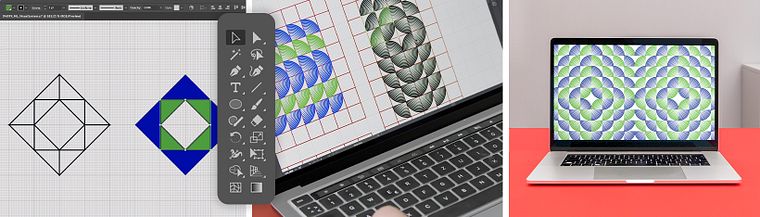
Learn how to develop a project from scratch using a TwoPoints.Net assignment. Martin shows you how to structure a visual system based on shapes, establishing the artistic parameters of the project and getting to know the product.
Later, discover how to develop a design manual for your model and look at some different ways to present it properly. Finally, your teacher discusses the potential of modular systems as well as exploring other possible applications.
What is this course's project?
Develop a flexible system for the visual identity of a company, an organization, an event, or a product of your choice.
Projects by course students

Who is this online course for?
Anyone who wants to explore how to design a modern visual identity.
Requirements and materials
Basic knowledge of Illustrator and Photoshop would be useful.
For your final project, you need to have access to both programs.
Reviews
- 4 months ago
muito bom
- 5 months ago
Un corso interessante, con argomenti che meritano di essere approfonditi. Non vedo l'ora di leggere il suo libro, citato nel corso :)
- 10 months ago
great course
- 1 year ago
It was a good course.
- alicepennentePLUS1 year ago
A wonderful course — a breath of fresh air and new ideas for my upcoming projects. I rediscovered a new sense of creativity and a different way of thinking. Sometimes, we’re so immersed in our daily routines that it becomes difficult to think outside the box.

He is cofounder of the design studio TwoPoints.Net, which has collaborated with clients such as Nike, ESPN, UNIQLO, Bershka, Harvard, and MIT Media Lab from its offices in Hamburg and Barcelona. He is also coauthor of several publications by Viction:ary, Gestalten, and Actar. He teaches at Elisava, Barcelona and at the Royal Academy of Fine Arts in The Hague, as well as at conferences and workshops.
Content
- U1
Introduction
- About Me
- Inspirations
- U2
Development of Visual Identities
- Paradigm Shift in Design
- Changing Working Methods
- Briefing
- U3
Design
- Visual Parameters
- Research
- Visual System
- U4
Postprocessing
- What Is a Design Manual?
- Mockups and Presentations
- This Course Was Just the Beginning
- FP
Final project
- Dynamic Design: Introduction to Flexible Visual Identities
What to expect from a Domestika course
Learn at your own pace
Enjoy learning from home without a set schedule and with an easy-to-follow method. You set your own pace.
Learn from the best professionals
Learn valuable methods and techniques explained by top experts in the creative sector.
Meet expert teachers
Each expert teaches what they do best, with clear guidelines, true passion, and professional insight in every lesson.
Certificates
PLUSIf you're a Plus member, get a custom certificate signed by your teacher for every course. Share it on your portfolio, social media, or wherever you like.
Get front-row seats
Videos of the highest quality, so you don't miss a single detail. With unlimited access, you can watch them as many times as you need to perfect your technique.
Share knowledge and ideas
Ask questions, request feedback, or offer solutions. Share your learning experience with other students in the community who are as passionate about creativity as you are.
Connect with a global creative community
The community is home to millions of people from around the world who are curious and passionate about exploring and expressing their creativity.
Watch professionally produced courses
Domestika curates its teacher roster and produces every course in-house to ensure a high-quality online learning experience.
FAQs
This course is aimed at designers with basic skills who want to create flexible visual systems and identities for brands, publishers, or digital media.
You should have basic graphic design skills and be familiar with programs like Adobe Illustrator. Experience with design processes is helpful but not required.
You’ll learn how to conceptualize flexible visual identities, develop design systems, apply color theory, typography, and grids, and create design solutions for various media and formats.
The course covers developing flexible, recognizable visual systems for brands, publishers, and digital applications, focusing on color, typography, grids, modular assets, and design manuals.
The course suits advanced learners and motivated beginners. Basic knowledge of graphic design and design software is recommended.
You’ll work on practical tasks: from brainstorming and research to target audience analysis and creating flexible visual identities with mockups and design manuals.
In the course, you’ll learn book concept development, layout design, creating modular assets, and workflows between different design programs for flexible book design.