Creating Your First Ceramic Vessel
A course by Lilly Maetzig, Ceramist

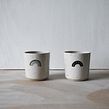
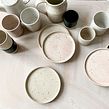
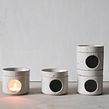

Learn the entire process of working with clay at home, from the initial design to the final glaze

The objects we use throughout our day to day have the power to create a more enjoyable experience every time we use them. It’s the coffee mug you use in the morning, the vase for your flowers, or the pot that keeps your tea warm. Now, imagine making your own original ceramic object, without leaving the house. If you’ve visualized it, Lilly can help you materialize it in this course. With over ten years of experience creating bespoke objects for her brand Mäe Ceramics, she shows you her easy-to-follow method for creating your own ceramic vessel.
Learn how to mold clay, use the tools, create your unique design, and build your object. Discover the firing process, how to use glaze to enhance your work, and decorate your home with handmade ceramic objects. Are you ready to discover the meditative art of ceramics?
What will you learn in this online course?
21 lessons & 24 downloads


What's included in this course?
Meet Lilly, discover how she got into ceramics, and why she fell in love with sculpting unique objects. Learn how ceramics, fashion, nature, and architecture inspire her work before getting a brief overview of what you’ll do in the course.
Start the course by setting up your home workspace and going through the tools you’ll be using to create your project. Learn about the main types of clay, what each one is best used for, and how to prepare your clay. Understand how pots are made by making a basic pinch pot, a coil pot, and a slab pot.
Next, it’s time to get to work on your final project! See Lilly’s method for defining the design of your vessel, including how to draw shapes and create templates. Prepare your clay and see how to cut out shapes. Using Lilly’s guidance, assemble your vessel step by step and add adornments until you are happy with the result.
See the best way to transport your vessel for firing and learn about the stages that clay goes through before becoming ceramic. See how to apply a glaze to your bisque vessel and fire it once more to discover your finished ceramic piece! Finish the course with Lilly’s tips on how to recycle your clay scraps.
- 4.9 100% positive ratings (338)
- 14,853 students
- 21 lessons (3h 41m)
- 24 additional resources (11 files)
- Online and at your own pace
- Available on the app
- Audio: English, Spanish, French, Italian, Portuguese, Turkish
- English · Spanish · Portuguese · German · French · Italian · Polish · Dutch · Turkish
- Level: Beginner
- Unlimited access forever
What is this course's project?
Design and make a flat-slab ceramic vessel or vase with clay.

Projects by course students




Who is this online course for?
This course is for those who want to learn how to create custom objects at home. No previous experience is necessary to take this course, as Lilly starts with the basics. Those with some experience in working with clay will learn new techniques to implement in their work.
Requirements and materials
No previous experience is necessary.
As for materials, you’ll need 2-5kg of clay (ideally stoneware or earthenware), a rolling pin, some guides (like flat sticks of wood or magazines), a knife, a wooden knife tool, a potters pin, rubber, metal or wooden kidneys, or old credit cards, a ruler, a paintbrush, sponges (some which can be cut up or have sharp edges for detail work), a bowl of water, pens, pencils, paper, scissors, a wire to cut the clay, an extra board to work on, and plastic sheets (plastic bags, cling film, or other).
To complete some of the course's practical exercises, you'll need to have access to a kiln or visit a ceramics workshop where you can rent one.
Optional tools: a scoring tool, a water spray bottle, ceramic glaze, a measuring jug, a large bowl, and a mixing brush.

Reviews

Lilly Maetzig
A course by Lilly Maetzig
Lilly Maetzig is a ceramist from New Zealand who is based in London. After experimenting with clay in art school, Lilly decided to further her pottery skills with classes and has been sculpting ever since.
Lilly founded her own ceramics brand Mäe Ceramics in 2016. Her work explores the contrast between the texture of raw and glazed clay to expose the natural qualities of her finished objects. She sells her objects through retail and wholesale channels, with most of her customers finding her through Instagram where her work is appreciated by over 45K followers. Her clients include restaurants and cafés around the globe, design shops like Yonobi Studio in Copenhagen, and events like Google Playtime.
Content
-
U1
Introduction
-
Introduction
-
Influences
-
What Will We Do in This Course?
-
-
U2
An Introduction to Clay and Ceramics
-
Setting Up
-
Introduction to Clay and Ceramics
-
Pinch Pots
-
Coil Pots 1
-
Coil Pots 2
-
Slab Pots 1
-
Slab Pots 2
-
-
U3
Final Make: Vessel
-
Designing
-
Getting Slabs Ready
-
Cutting
-
Assembling Vessel 1
-
Assembling Vessel 2
-
Adding Adornments 1
-
Adding Adornments 2
-
-
U4
Finishing
-
Finishing and Transporting
-
Firing
-
Glazing
-
Workspace Clean up and Clay Scraps
-
-
FP
Final project
-
Creating Your First Ceramic Vessel
-
What to expect from a Domestika course
-
Learn at your own pace
Enjoy learning from home without a set schedule and with an easy-to-follow method. You set your own pace.
-
Learn from the best professionals
Learn valuable methods and techniques explained by top experts in the creative sector.
-
Meet expert teachers
Each expert teaches what they do best, with clear guidelines, true passion, and professional insight in every lesson.
-
Certificates
PlusIf you're a Plus member, get a custom certificate signed by your teacher for every course. Share it on your portfolio, social media, or wherever you like.
-
Get front-row seats
Videos of the highest quality, so you don't miss a single detail. With unlimited access, you can watch them as many times as you need to perfect your technique.
-
Share knowledge and ideas
Ask questions, request feedback, or offer solutions. Share your learning experience with other students in the community who are as passionate about creativity as you are.
-
Connect with a global creative community
The community is home to millions of people from around the world who are curious and passionate about exploring and expressing their creativity.
-
Watch professionally produced courses
Domestika curates its teacher roster and produces every course in-house to ensure a high-quality online learning experience.
FAQs
Yes, this course is designed for beginners and covers the basics of hand-building pottery using pinch, coil, and slab techniques. No prior experience is required.
You’ll need clay (such as stoneware or earthenware), basic tools like a rolling pin, guide sticks, a rubber rib, sponges, and access to a kiln for firing. Some projects also use air-dry clay if a kiln isn’t available.
You’ll learn pinch, coil, and slab building techniques, clay preparation, joining methods, surface finishing, recycling clay, firing, glazing basics, and designing unique vessels. The course also covers safe studio setup and sustainable practices.
Yes, all projects in this course use hand-building techniques—no pottery wheel is required. You’ll use your hands and simple tools to shape and assemble clay.
Pinching involves shaping clay by hand, coils use rolled clay ropes stacked and joined, and slabs use flat sheets of clay cut and assembled. Each method offers unique forms and creative possibilities.
To prevent cracks, keep clay at the right moisture level, join pieces securely using scoring and slip, remove air bubbles, and control drying slowly and evenly.
Yes, air-dry clay can be used for some projects that don’t require kiln firing. The course explains differences between air-dry and ceramic clays and when each is suitable.

Great tutorial
Loved the course. Well explained and it has everything you need to start in ceramics.
Excelente curso!
Céramiste très agréable à suivre, donnant des explications très claires.
Excelente curso, recomendado!