Advanced Cinematography Techniques
A course by David CurtoCinematographer
A course by David Curto, Cinematographer

Learn lighting techniques to be able to develop the look of any audiovisual project in a professional way
The lens, the framing, and the color temperature are just some of the decisive elements that can help an image convey the emotions that the director intended. David Curto, a cinematographer who has worked with producers like Netflix, teaches you how to master the skills needed to face any audiovisual project.
In this course, learn advanced lighting and camera concepts to apply in your productions and tell your story effectively from a technical, emotional, and narrative point of view. Go one step further than David's first course, Introduction to Film Photography Direction, and discover how to light your sets like a professional.
What will you learn in this online course?
15 lessons & 22 downloads
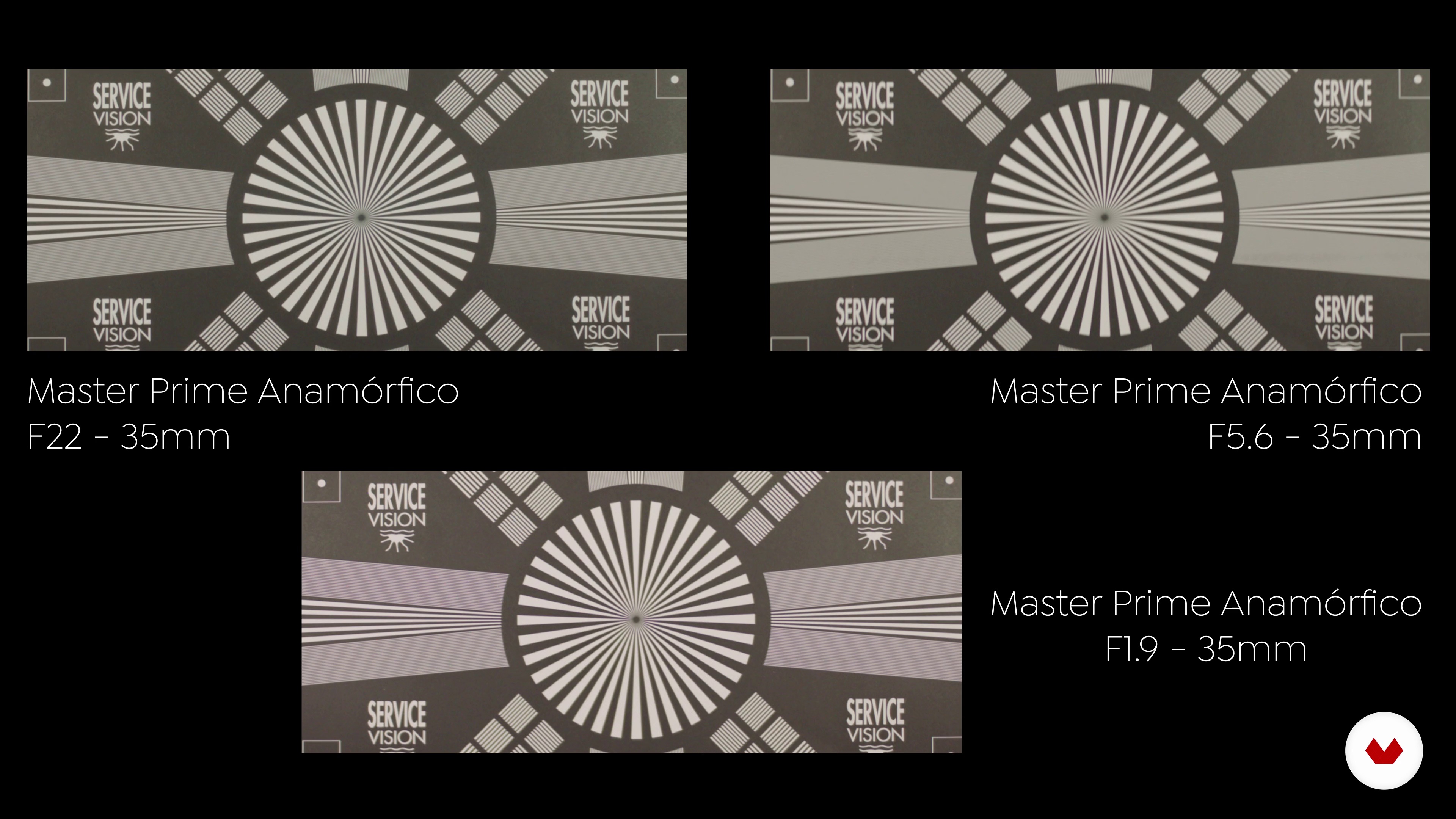
Spherical and anamorphic optics
9 minutes, 21 seconds
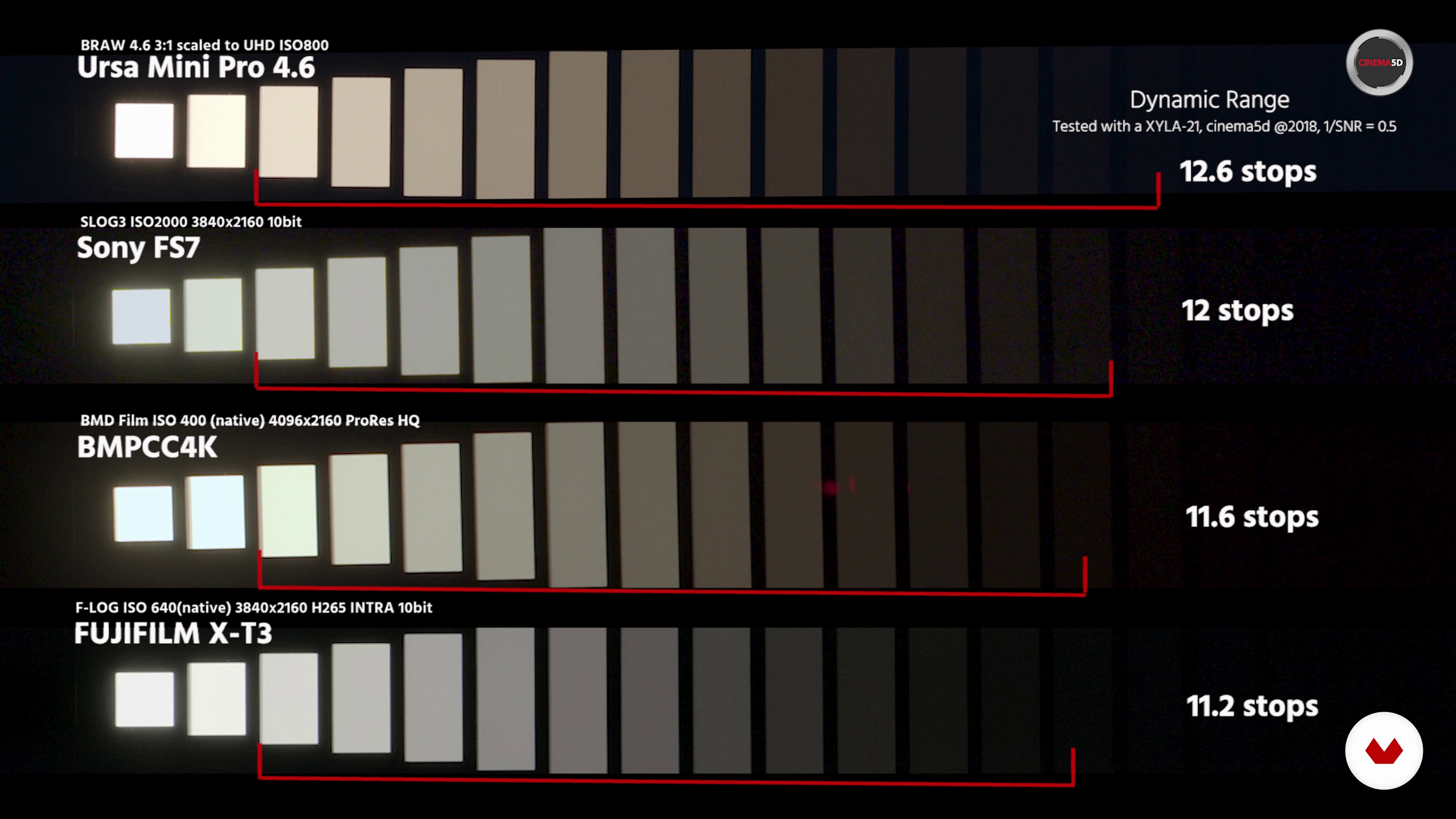
Sensitometry
6 minutes, 22 seconds
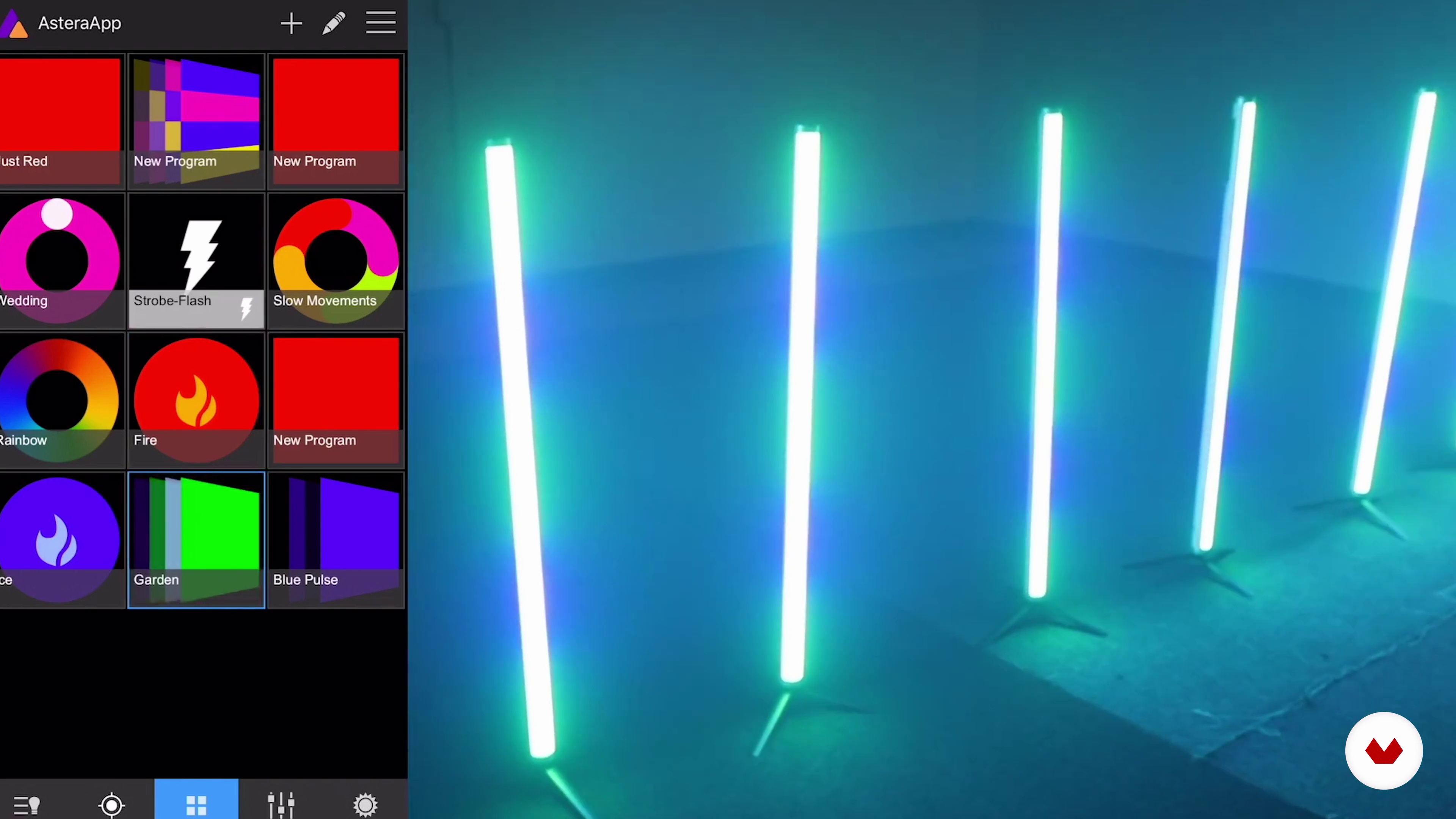
Types of light
6 minutes, 30 seconds
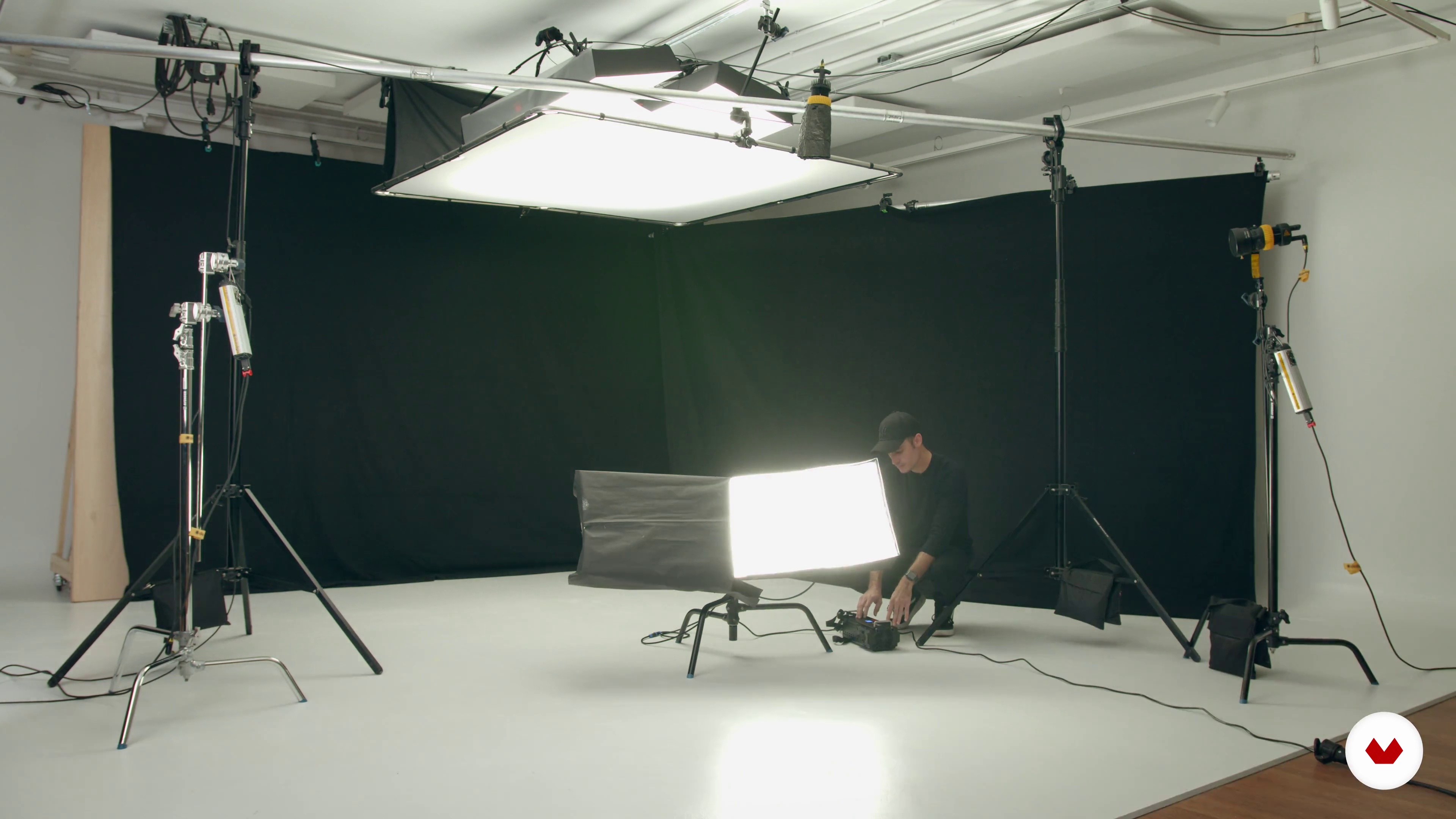
Assembling the set
10 minutes, 3 seconds
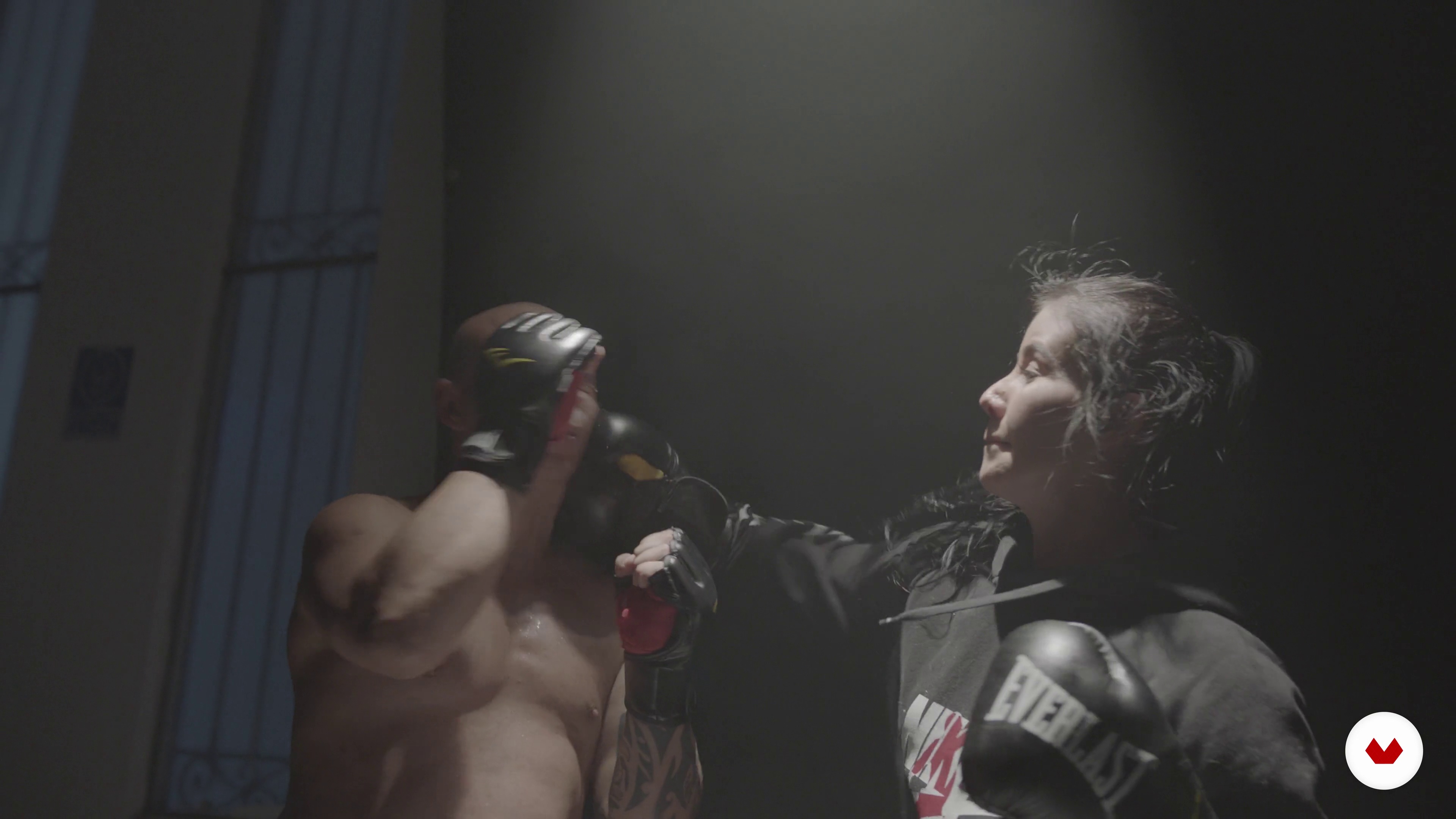
Shooting the sequence shot
4 minutes, 10 seconds
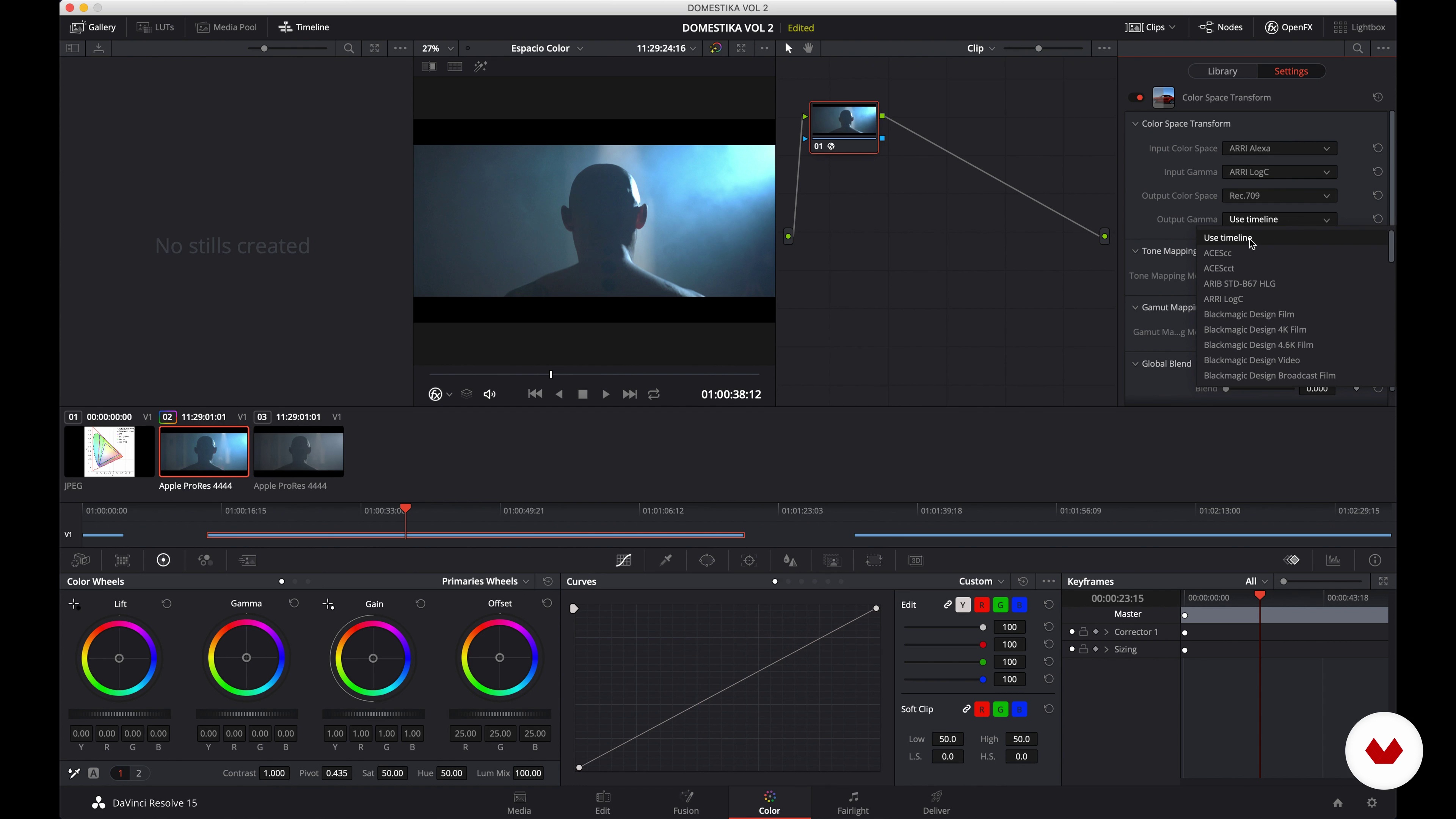
Color spaces
6 minutes, 14 seconds
What's included in this course?
Begin by meeting David Curto and going through his professional career, including his interest in film and even his early work shooting weddings. Discover some of the artists that inspire his work, such as Hoyte Van Hoytema or Todd Hiddo, among others.
Next, review the different tools and get to know the optics, camera sensors, and different types of lights. This way, you will know which ones to choose to tell each story.
Lights, camera… action! Begin to prepare the shoot by setting up the scene. Then, see how one scene can be filmed in different ways, either in one or in several shots, and learn how to assess each of your decisions before hitting the record button.
Finally, David shows you the most used color spaces, how to make your own LUT (Look Up Table), and how to colorize your work according to the environment and mood you want. Finally, watch the finished piece and compare the sensations of the one-shot and multi-shot versions.
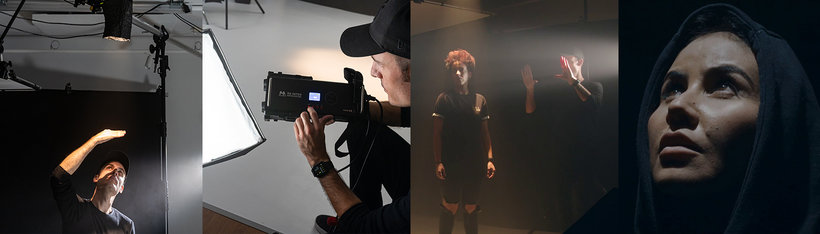
What is this course's project?
Tell a story by making a short piece—documentary or fiction—in which you apply the techniques and concepts learned throughout the course.
Projects by course students


Who is this online course for?
All photography, cinema, and image lovers in general. Also, people who work in the audiovisual field and want to acquire new knowledge to apply in their projects.
Requirements and materials
To take this course, you will need knowledge of the basic concepts of photography.
In terms of materials, you will need a computer, editing software, a phone or video camera, and the light sources that you would like to use in your project, from a common lamp to professional equipment.
Reviews
- 3 months ago
Muy buen curso. Me gustaría un curso con mas practica o profundizar en que hacer de un director de fotografía.
- 5 months ago
Excelente curso para comprender mejor el lenguaje cinematográfico y cómo transmitir emociones a través de la imagen. La explicación es clara, práctica y fácil de aplicar incluso para quienes están comenzando en dirección audiovisual.
Me ayudó a entender mejor la construcción de escenas, narrativa visual y composición cinematográfica para proyectos documentales y de investigación.
Muy recomendado para quienes quieran llevar sus producciones a un nivel más profesional.
- 5 months ago
Tres inspirant
- 6 months ago
Muy buen curso Muy bien explicado cada tema Tal vez haría falta más practicas usando los diferentes tipos de luz y mezclar diferentes tempreturas de color en una misma escena
- 8 months ago
Practical experience is always useful, great course.

He has worked for brands such as Motorola, Honda, Ford, Avianca, Nestlé, and Heineken and has filmed music videos for artists like Sebastian Yatra, David Bisbal, Juan Magán, Aitana, Ana Guerra, Lalo Ebratt, Greeicy, Tini, and others. He worked as the director of photography on films such as The Boy by Craig Macnaill, Fucking Games and Anthropos by Spiros Stathoulopoulos, and Bad Lucky Goat by Samir Oliveros, presenting the latter worldwide at the SXSW festival in Austin (USA).
Content
- U1
Introduction
- Presentation
- Influences
- What will we do in the course?
- U2
Materials and technical tools
- Spherical and anamorphic optics
- Sensitometry
- Camera sensors
- Types of light
- Light conditions
- U3
Filming
- Assembling the set
- Shooting the sequence shot
- Shooting of several planes
- U4
Everything makes sense in the "post"
- Color spaces
- How to do a LUT
- Colorization
- Final piece
- FP
Final project
- Advanced Cinematography Techniques
What to expect from a Domestika course
Learn at your own pace
Enjoy learning from home without a set schedule and with an easy-to-follow method. You set your own pace.
Learn from the best professionals
Learn valuable methods and techniques explained by top experts in the creative sector.
Meet expert teachers
Each expert teaches what they do best, with clear guidelines, true passion, and professional insight in every lesson.
Certificates
PLUSIf you're a Plus member, get a custom certificate signed by your teacher for every course. Share it on your portfolio, social media, or wherever you like.
Get front-row seats
Videos of the highest quality, so you don't miss a single detail. With unlimited access, you can watch them as many times as you need to perfect your technique.
Share knowledge and ideas
Ask questions, request feedback, or offer solutions. Share your learning experience with other students in the community who are as passionate about creativity as you are.
Connect with a global creative community
The community is home to millions of people from around the world who are curious and passionate about exploring and expressing their creativity.
Watch professionally produced courses
Domestika curates its teacher roster and produces every course in-house to ensure a high-quality online learning experience.
FAQs
You’ll learn directing techniques, camera operation, lighting, lens selection, postproduction workflows, and creative strategies for film, music videos, commercials, and short films.
This is an intermediate-level course, perfect for those with basic audiovisual knowledge who want to deepen their skills in professional cinematography and photography.
You need basic audiovisual production knowledge and access to a digital camera or smartphone. No professional experience is required, but familiarity with image and editing concepts is recommended.
The course covers natural and artificial lighting, soft light use, bounced light techniques, color temperature control, camera movement, handheld shooting, long takes, and set setups.
You’ll explore the differences between anamorphic and spherical lenses, compare flares and bokeh, adjust apertures, test breathing, and choose optics based on story and format.
It prepares you for advanced roles in director of photography, expanding your portfolio, technical skills, and ability to lead fiction, documentary, advertising, and music video projects.
Yes, the course includes techniques and resources tailored for shooting home shorts and independent projects using accessible cameras and basic gear.