Introduction to Sustainable Graphic Design
A course by Núria Vila PunzanoCreative Director and Graphic Designer
A course by Núria Vila Punzano, Creative Director and Graphic Designer

Learn to go further than simple aesthetics and reduce the environmental impact of your projects
Did you know that approximately seventy percent of a design project’s environmental impact is decided during its initial phase? Caring for your design while you care for the planet is possible. Discover how to carry out your work with more sustainable methods by taking inspiration from nature and going a step beyond aesthetics.
In this course, you’ll learn the key elements of sustainable design to help create projects that are better for the planet. Together with Núria Vila, creative director and graphic designer, learn about different environmental criteria and discover the impact each one has in order to minimize the ecological footprint of your projects.
What will you learn in this online course?
18 lessons & 27 downloads
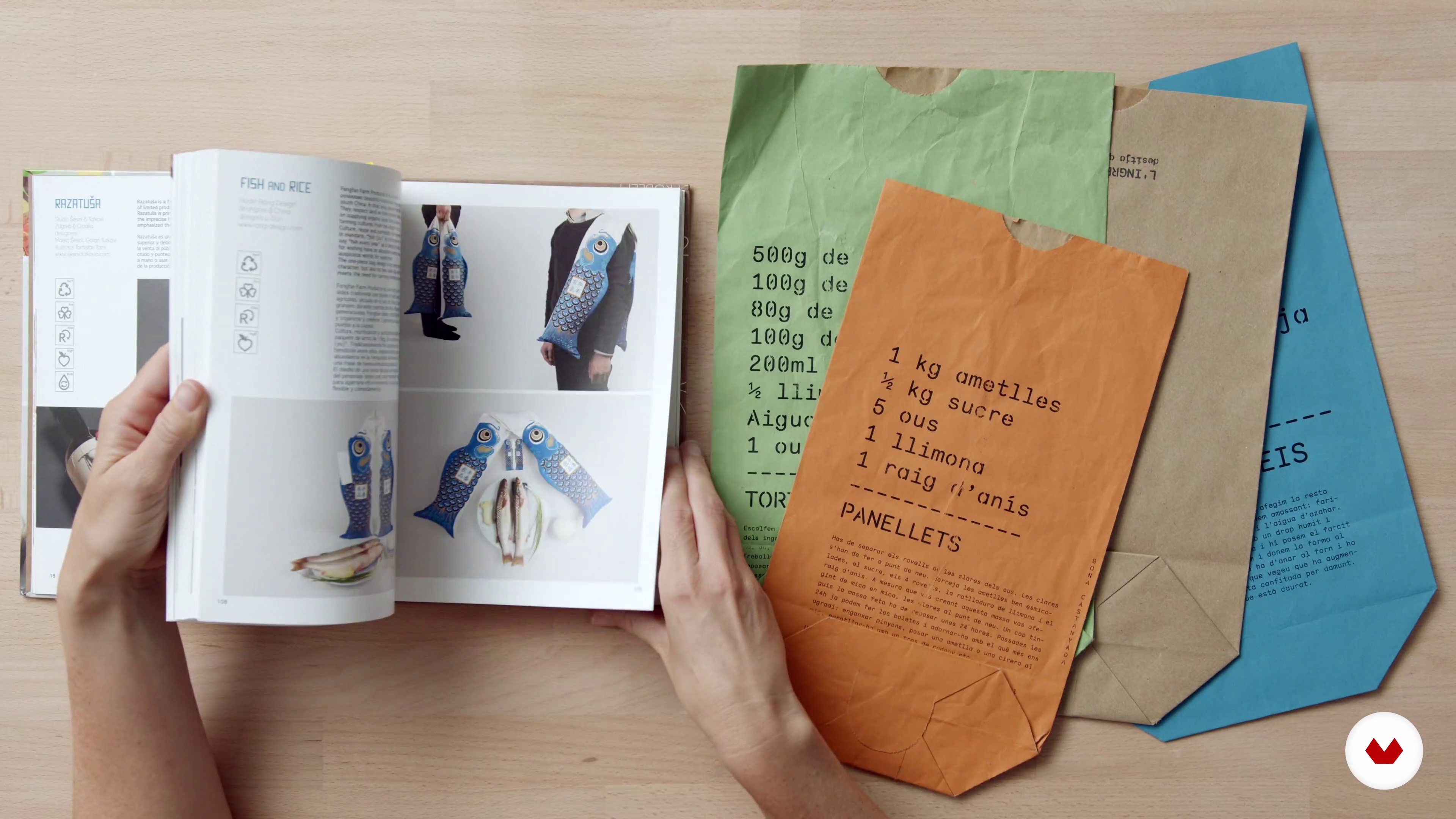
What will we do in the course?
3 minutes, 51 seconds
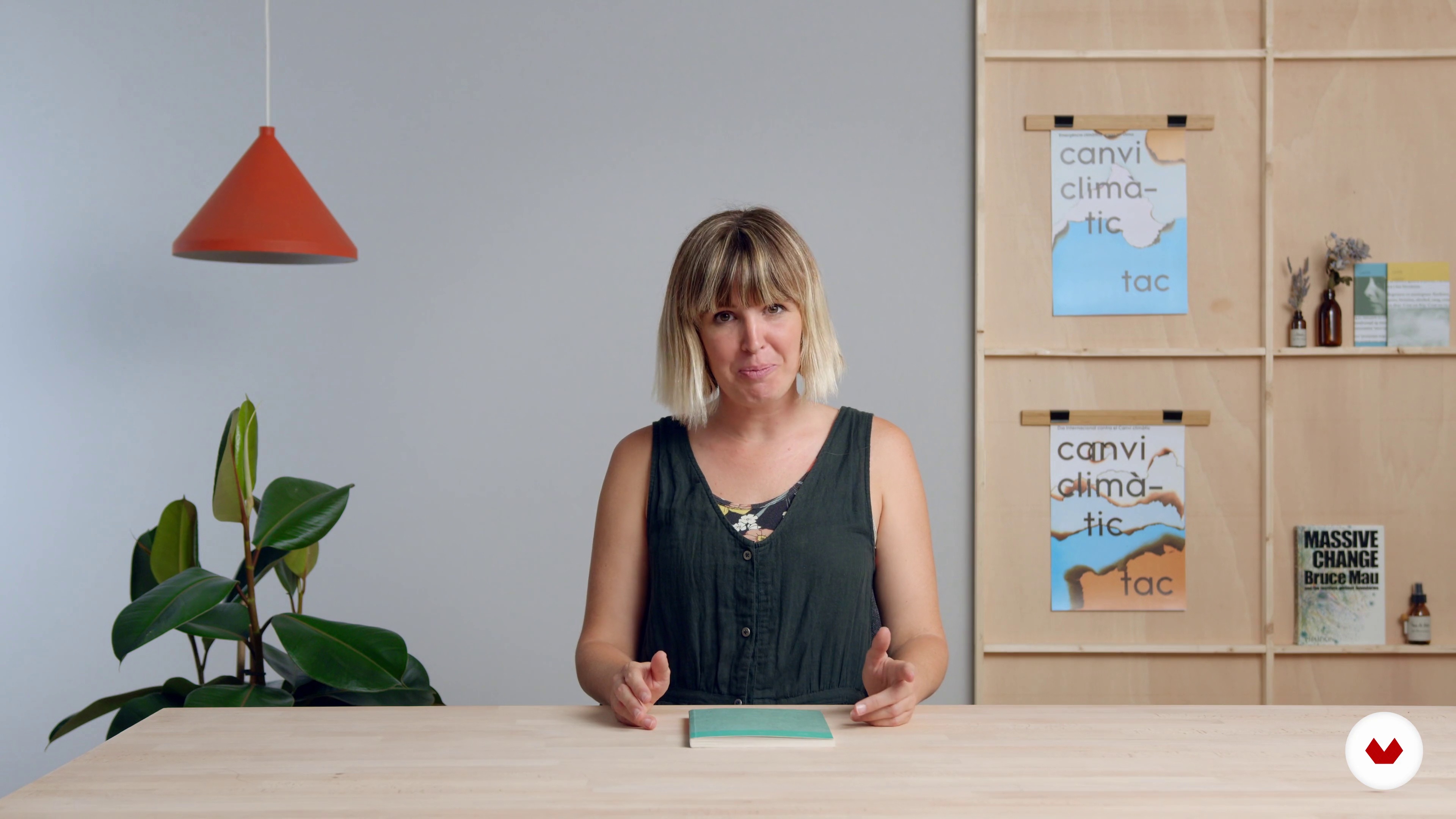
Sustainability
8 minutes, 39 seconds
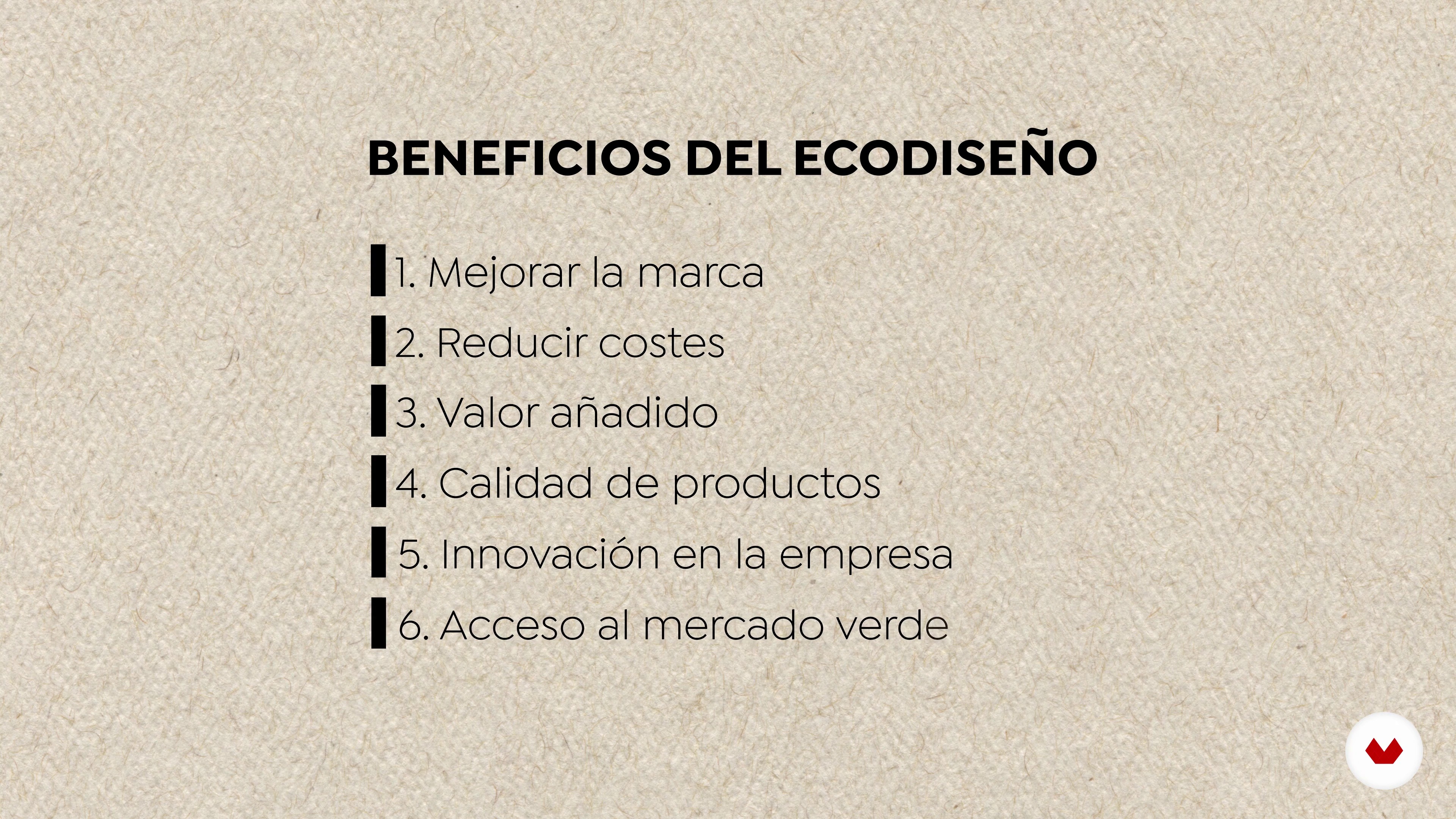
Ecodesign
9 minutes, 48 seconds
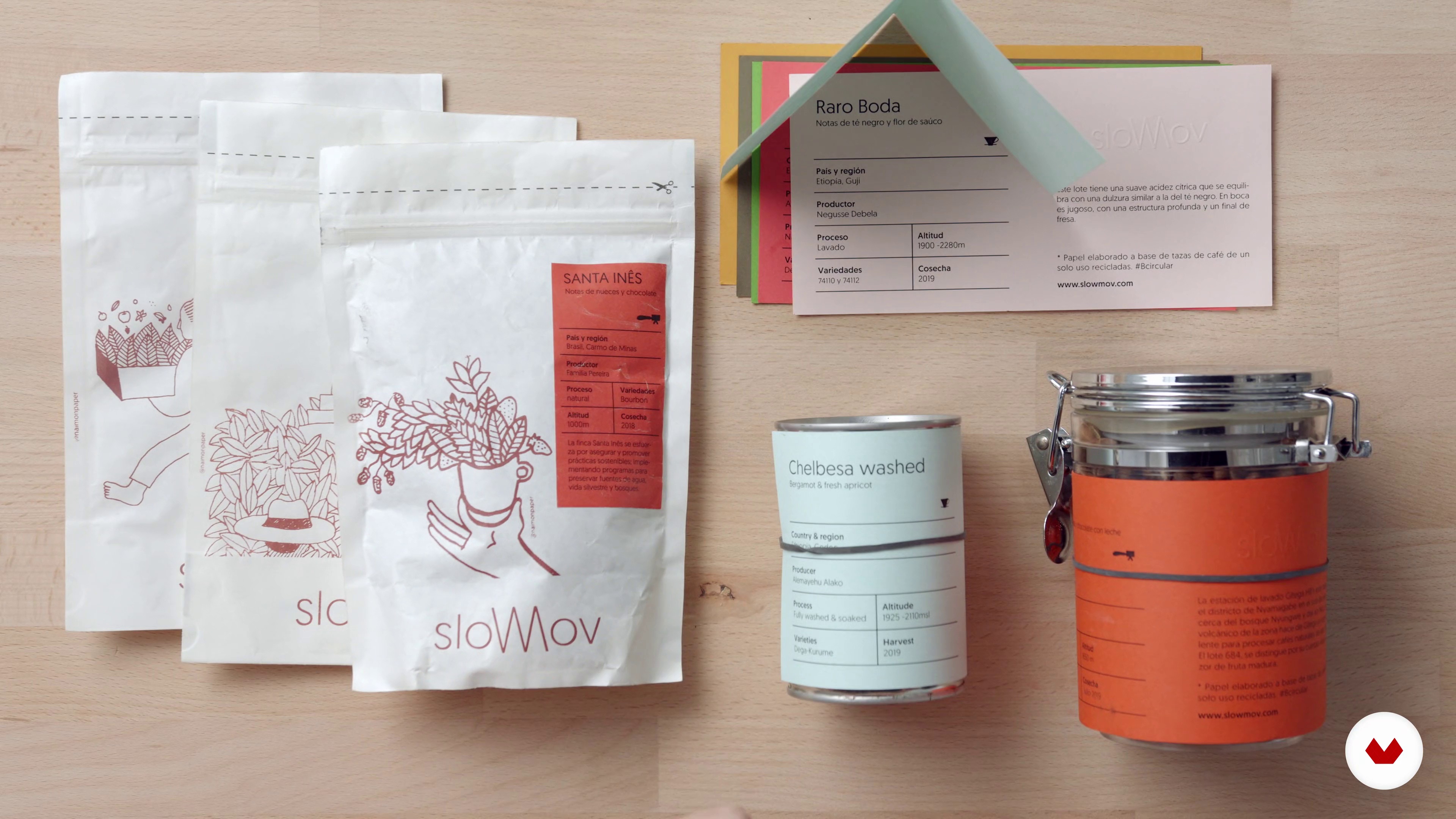
Circular economy
11 minutes, 21 seconds
Charge
4 minutes, 51 seconds
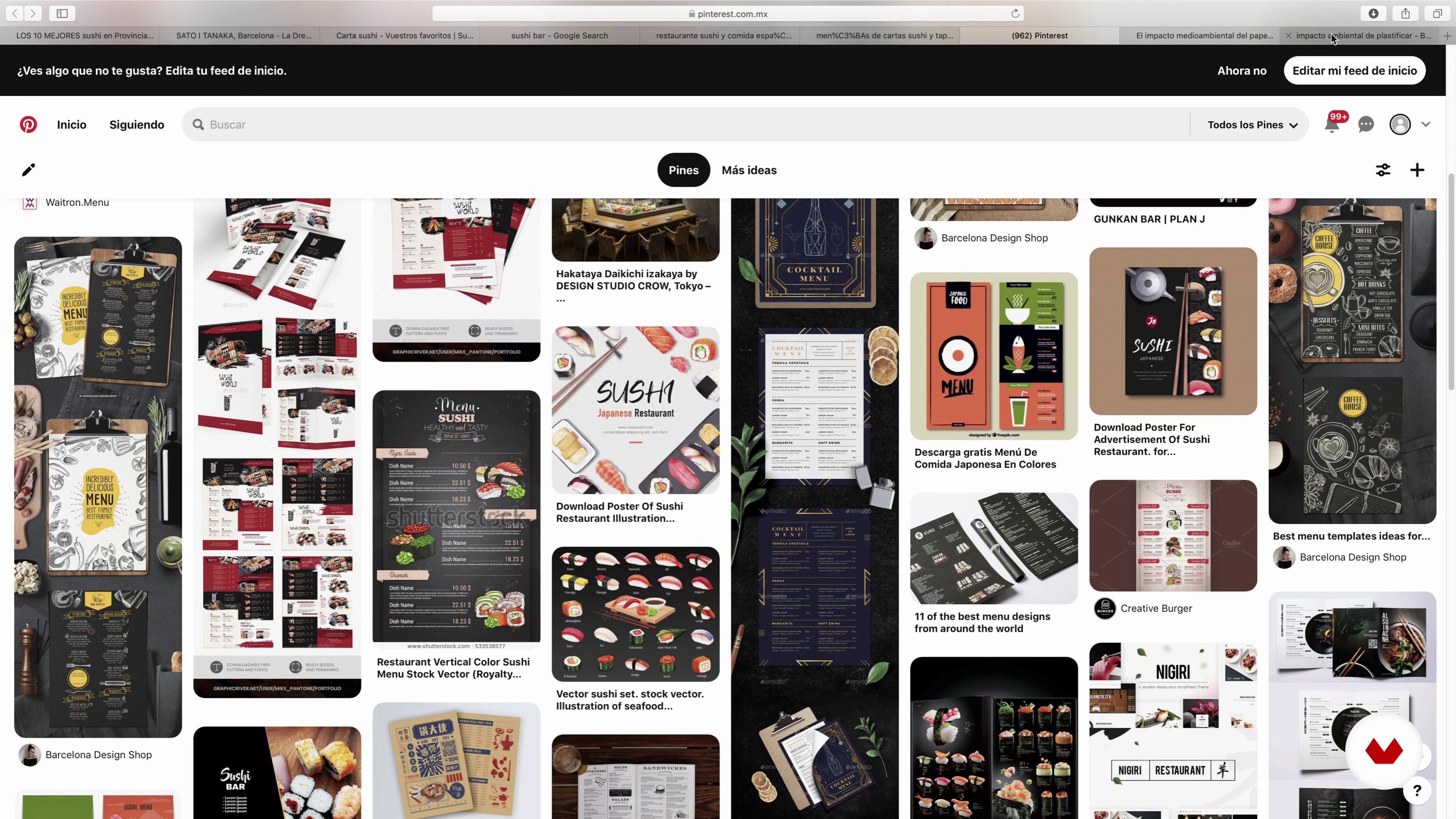
Initial analysis
6 minutes, 23 seconds
What's included in this course?
According to Núria Vila, life is a cluster of decisions that determines who you are. So, start the course by discovering how Núria came to realize who she really is and what influenced her to start designing in a more sustainable and conscious way.
Continue to contextualize and better understand some key concepts like sustainability, eco-design, and circular economy. To do so, analyze the consequences of climate change and learn about how we can meet our design needs while minimizing our ecological footprint.
Now comes the action step. Learn how to apply sustainability concepts in your design: from your first contact with the brief, to your choice of materials and formats. You should also take into account the life cycle of a product, always facilitating the options of recycling, reusing, and repairing it before being thrown away.
Next, lay the foundation for everything you have learned. Begin by assessing the improvements you’ve achieved. Then, discover the importance of being able to communicate them effectively. Finally, Núria gives some advice on best practices so you can apply them to your next project.
What is this course's project?
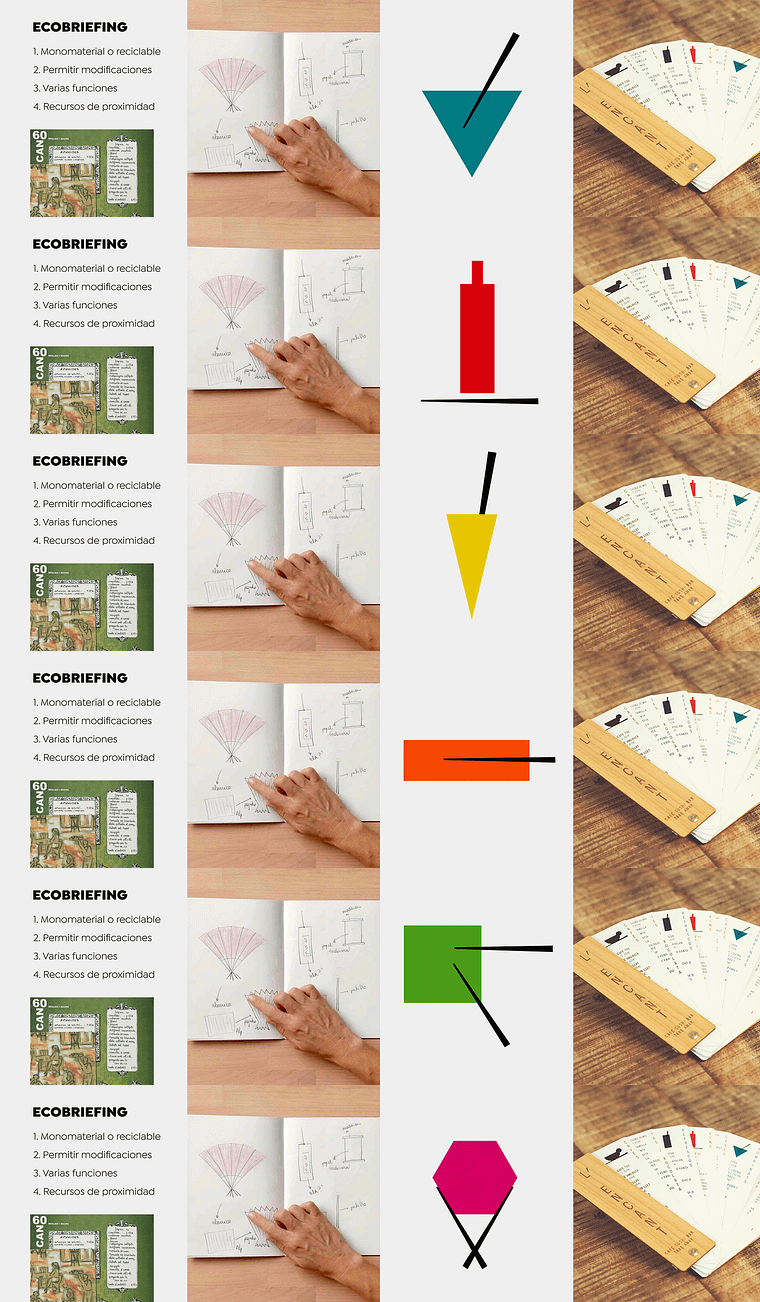
Redesign a recent project that you’ve made or are currently working on. Apply your new knowledge to reduce its ecological footprint.
Projects by course students


Who is this online course for?
Anyone who has notions of graphic design and would like to go a step beyond aesthetics to create projects with a reduced environmental impact.
Requirements and materials
To take this course you need basic notions of design and a commitment to taking better care of the planet.
Regarding the materials, you need the same tools that you used to create the project that you will be redesigning.
Reviews
- crolleriPLUS2 months ago
muy bueno, muy claro. perfecto para comenzar con el ecodiseño
- 6 months ago
muito bom
- 2 years ago
muy útil, gracias por el curso!
- 2 years ago
Curso incrível e essencial para criar projetos mais sustentável e responsável.
- evertongonPLUS3 years ago
Excelente e inspirador, era o conteúdo que eu precisava para repensar meus projetos.

Currently, she works for different types of clients, from cultural entities like the Rural Life Museum, to public administrations like the Barcelona Provincial Council. She has collaborated with large clients like the supermarket chain Ametller Origen, and smaller ones that allow her to experiment, such as the SlowMov cafeteria. In addition, she teaches several classes in different design schools.
Content
- U1
Introduction
- Presentation
- Influences
- What will we do in the course?
- U2
Introduction to sustainable design
- Sustainability
- Ecodesign
- Circular economy
- U3
Action
- Charge
- Initial analysis
- Concept
- materials
- Formats
- Production technique and finishes
- Use and consumption
- Final management
- Redesign
- U4
Tips and final analysis
- Assessment of environmental improvements
- How to communicate
- Good practice tips
- FP
Final project
- Introduction to Sustainable Graphic Design
What to expect from a Domestika course
Learn at your own pace
Enjoy learning from home without a set schedule and with an easy-to-follow method. You set your own pace.
Learn from the best professionals
Learn valuable methods and techniques explained by top experts in the creative sector.
Meet expert teachers
Each expert teaches what they do best, with clear guidelines, true passion, and professional insight in every lesson.
Certificates
PLUSIf you're a Plus member, get a custom certificate signed by your teacher for every course. Share it on your portfolio, social media, or wherever you like.
Get front-row seats
Videos of the highest quality, so you don't miss a single detail. With unlimited access, you can watch them as many times as you need to perfect your technique.
Share knowledge and ideas
Ask questions, request feedback, or offer solutions. Share your learning experience with other students in the community who are as passionate about creativity as you are.
Connect with a global creative community
The community is home to millions of people from around the world who are curious and passionate about exploring and expressing their creativity.
Watch professionally produced courses
Domestika curates its teacher roster and produces every course in-house to ensure a high-quality online learning experience.
FAQs
Sustainable graphic design aims to reduce environmental impact by using recycled materials, eco-friendly inks, and responsible processes. It differs from traditional design by emphasizing ethics, reuse, and waste reduction at every stage of the creative process.
The course is designed for people with intermediate graphic design skills, but those with a basic background in creativity and sustainability can also participate. You don’t need to be an expert, though some basic design and material handling experience is recommended.
You’ll learn to apply sustainability principles, create homemade plant-based inks, choose responsible materials, reduce your projects’ ecological footprint, and develop sustainable visual identities for exhibitions and public spaces.
You’ll need basic graphic design supplies, reusable household items, ingredients for plant-based inks, recycled paper, access to digital tools and manuals, and a willingness to experiment with eco-friendly techniques.
Plant-based inks are made by extracting pigments from plants and foods like red cabbage or avocado. Their benefits include lower toxicity, less waste, and a smaller environmental footprint compared to conventional inks.
Eco-design is a methodology that incorporates environmental criteria at every stage of a project, from material selection to recycling. It helps reduce resource consumption and extends the lifespan of graphic products.
Calculating the ecological footprint helps identify and reduce the environmental impact of materials, processes, and graphic products, optimizing resources and enhancing each project’s sustainability.