Illustration and Creation of a Paper Theater
A course by Elena Odriozola BelásteguiIllustrator
A course by Elena Odriozola Belástegui, Illustrator

Illustrate and create a paper theater using a scene from a book
Interpreting a text in a unique way and expressing it through different techniques is the result of many years of experimentation and hard work. Elena Odriozola, illustrator and winner of the National Illustration Award 2015 (Spain), has over 21 years of experience interpreting texts from a different point of view. She's published over 100 children's and youth literature books in countries such as Spain, France, the United Kingdom, Mexico, and Taiwan.
Her quest to work with new processes and techniques has helped her evolve her style and discover new ways to create magical illustrations. In this course, Elena teaches you how to illustrate a character and different setting elements to build a paper theater.
What will you learn in this online course?
12 lessons & 9 downloads
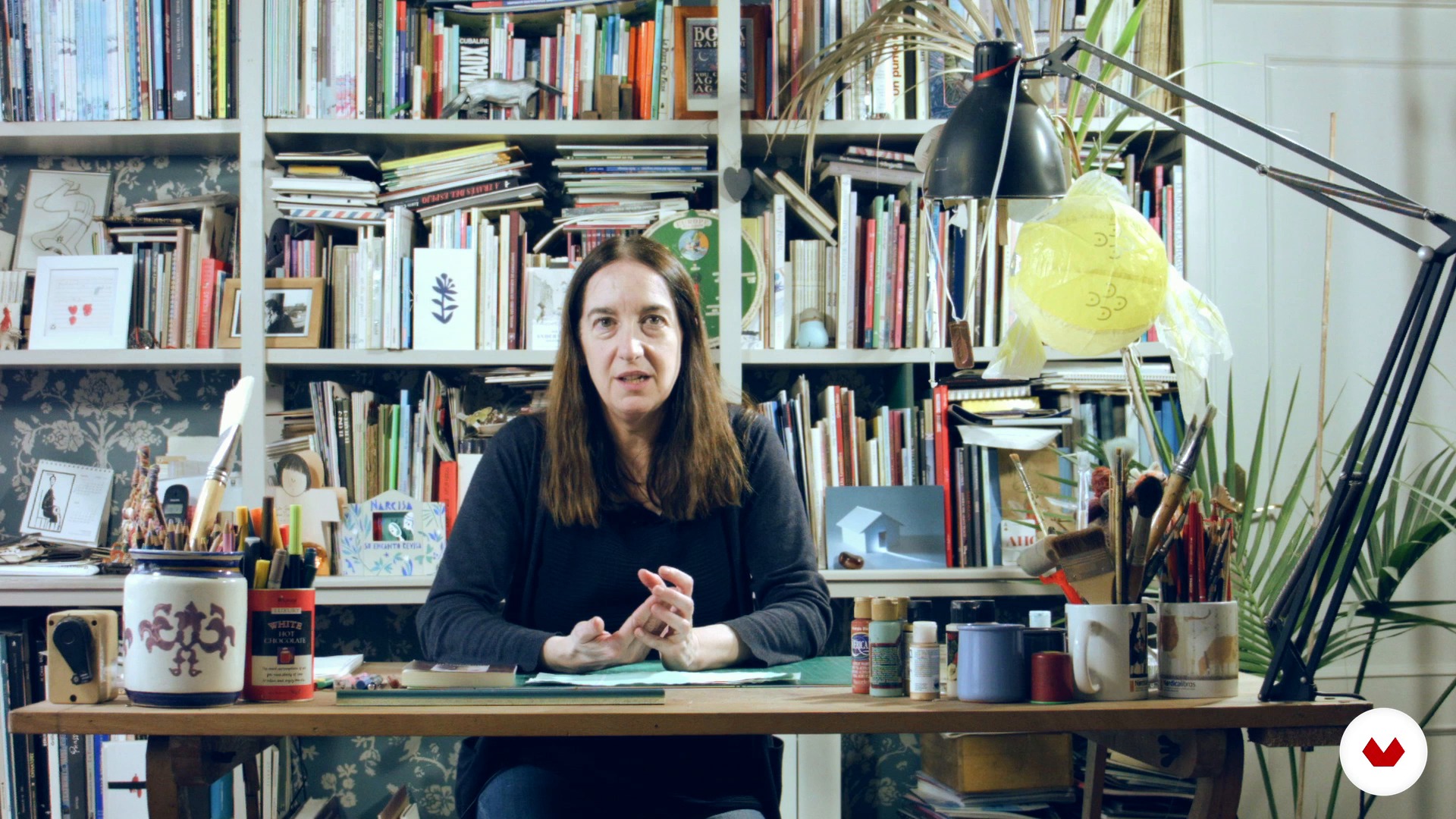
Read the Book and Think: Trial and Error
6 minutes, 53 seconds
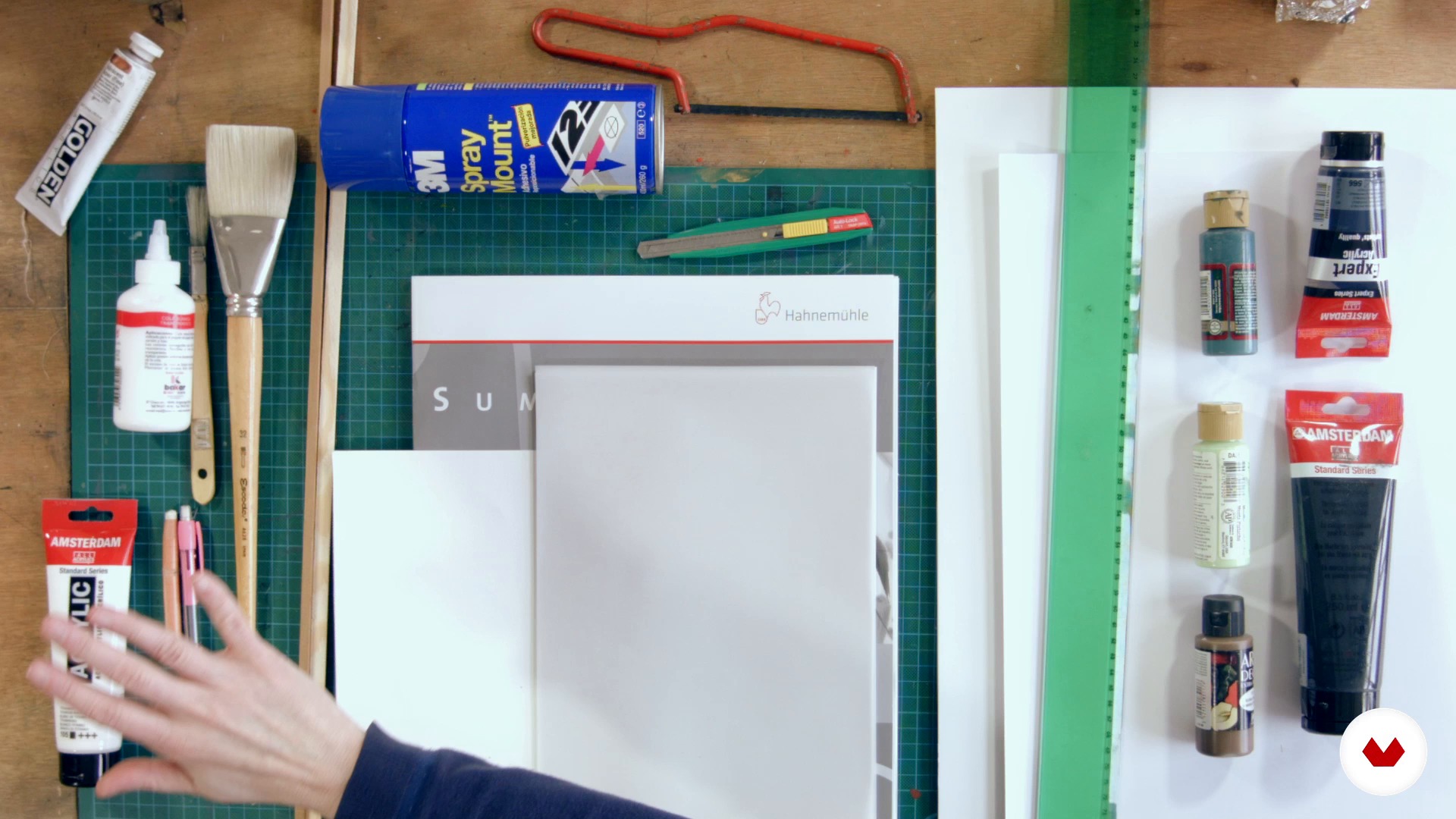
Materials
4 minutes, 36 seconds
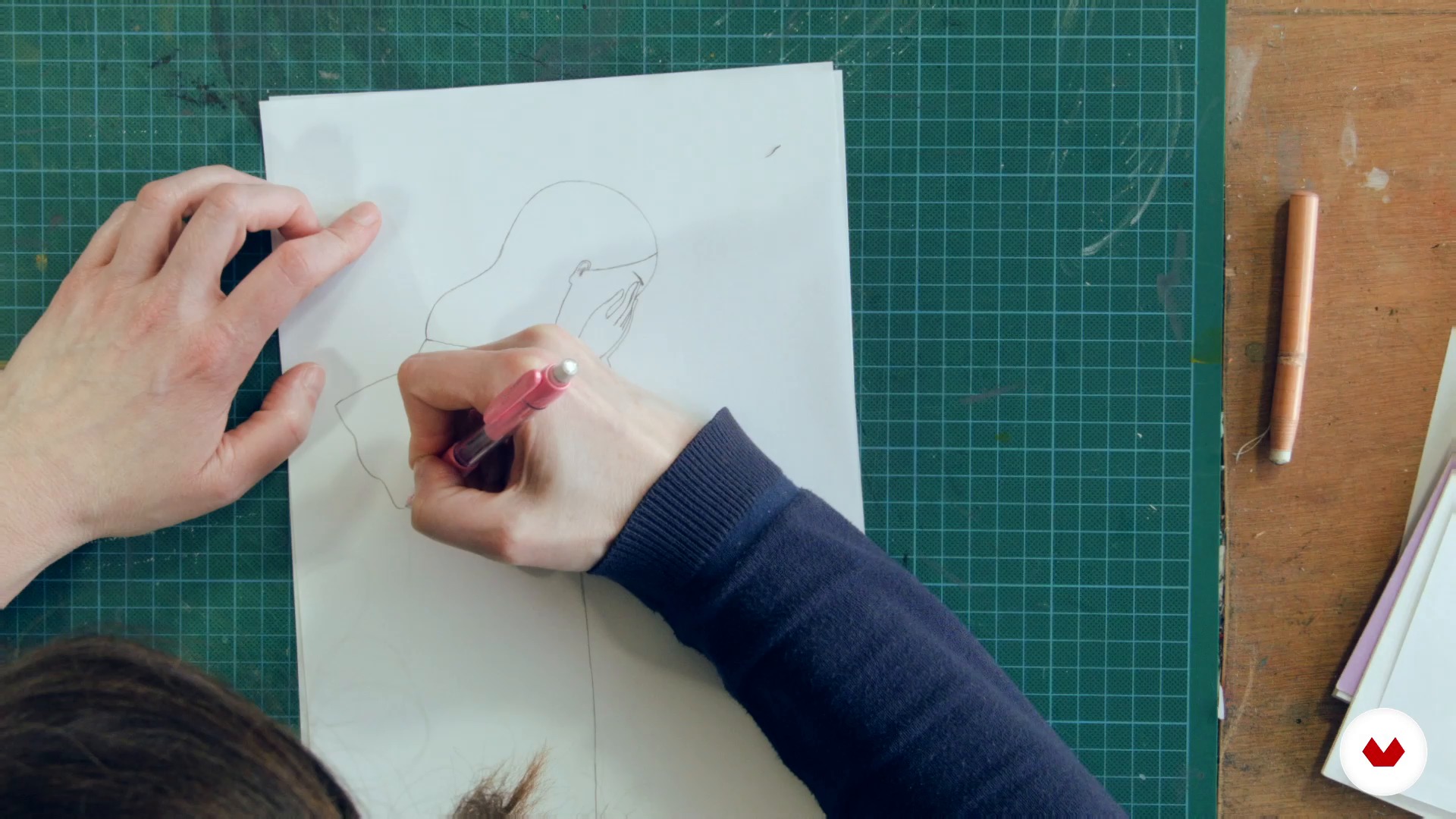
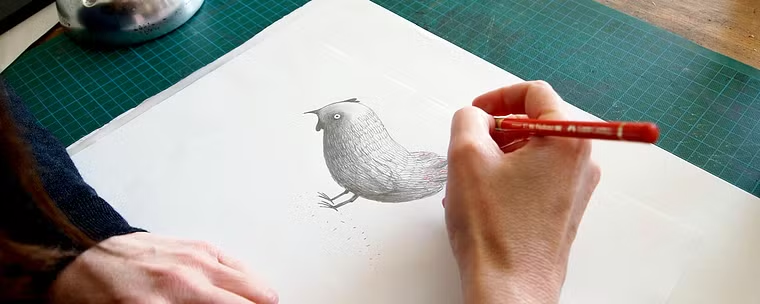
Sketch of the Character
9 minutes, 32 seconds
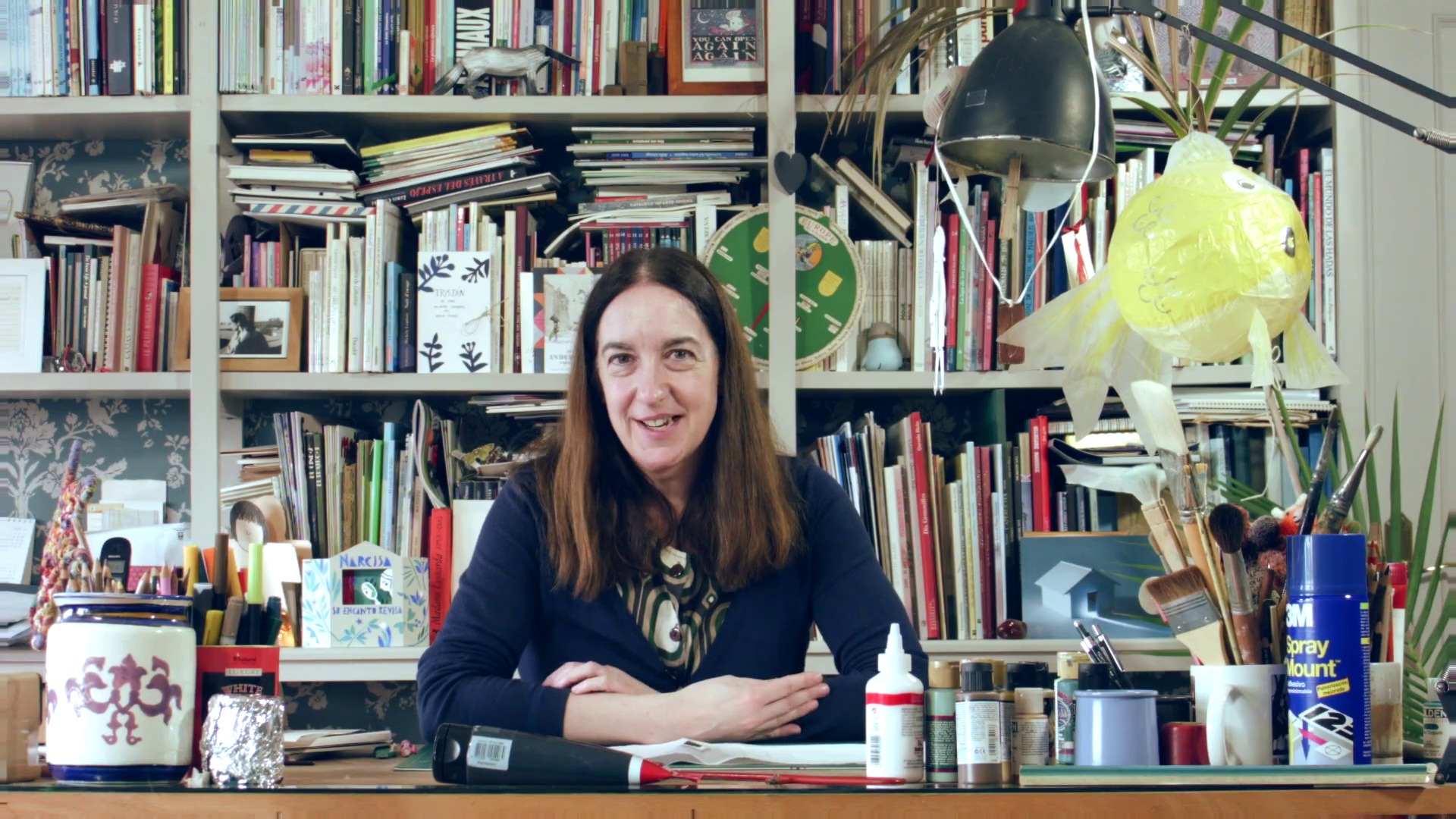
Sketch of the Stage
3 minutes, 43 seconds
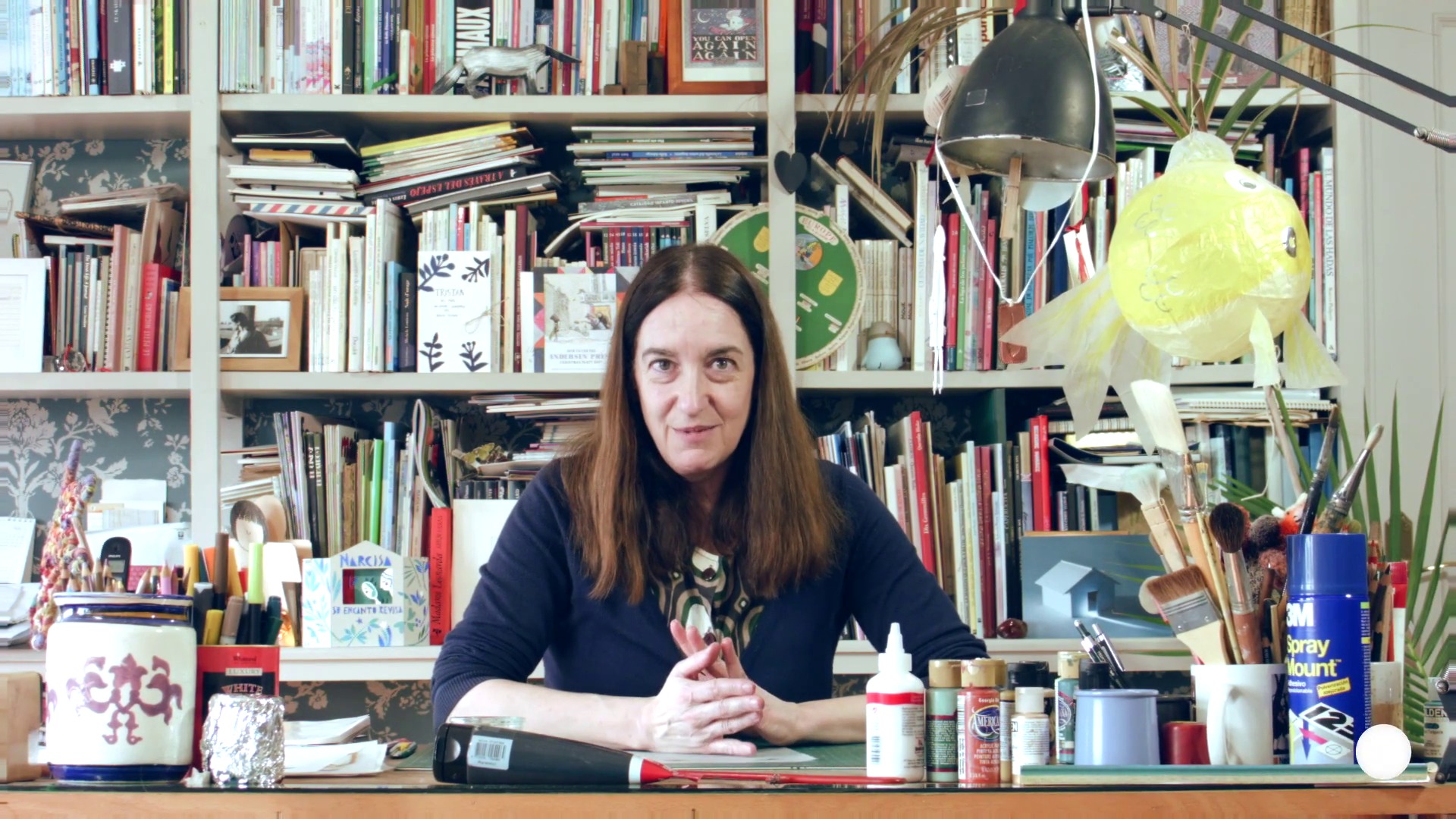
Make the Character
18 minutes, 45 seconds
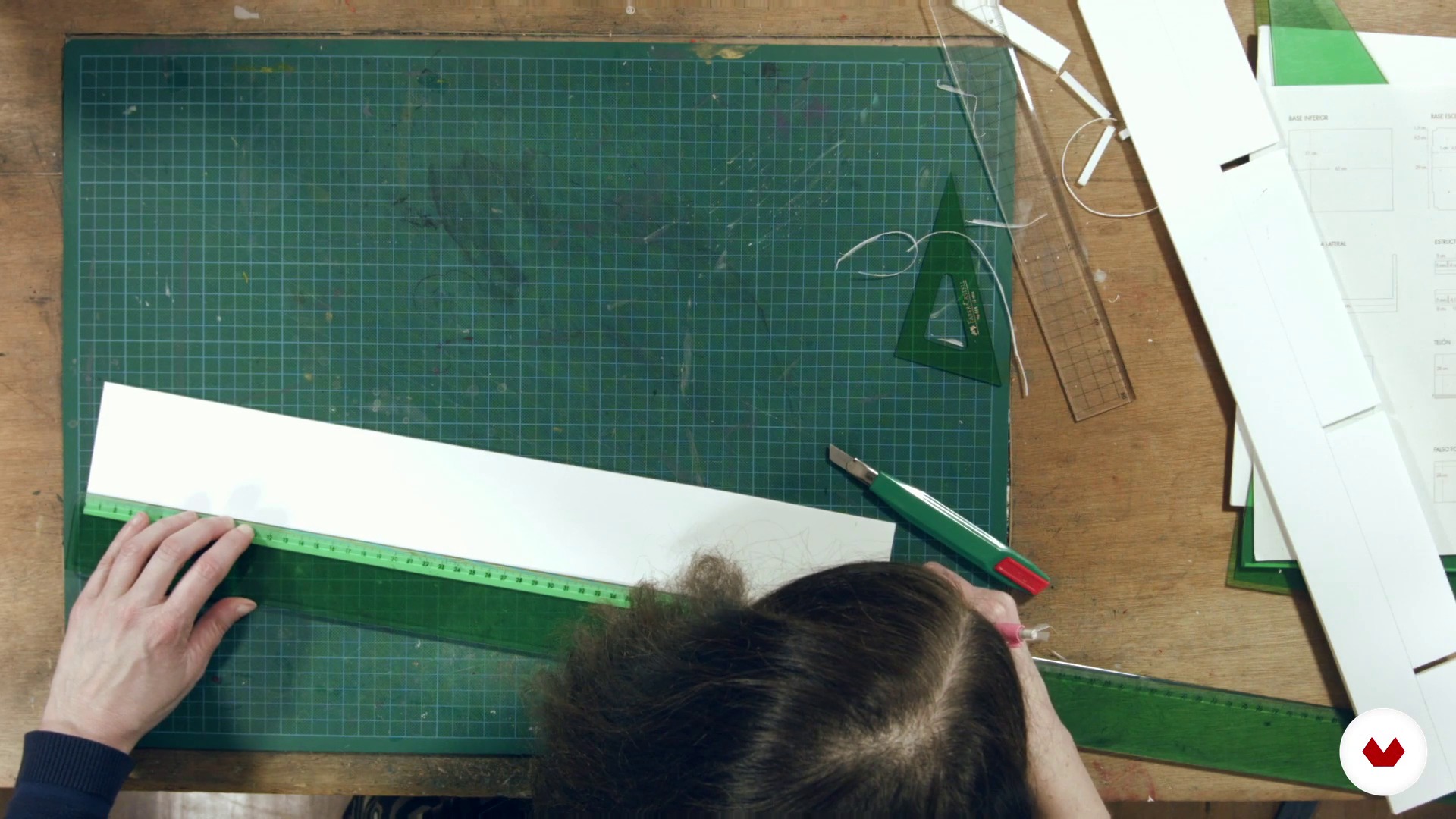
Make the Stage: The Structure
21 minutes, 17 seconds
What's included in this course?
Start the course by getting to know Elena Odriozola, her most distinguished work in the illustration field, and the main influences that have inspired her throughout her career.
Next, enter the pre-production phase. Read a book or a chapter and reflect on the character and setting before creating your first sketches.
Move on to the materials and what you need to build your theater. Then, discover the working method your teacher used to create the characters for her interpretation of Mary Shelley's Frankenstein and apply it to any story you like.
Using your sketches and the techniques Elena teaches you, create a character and build your theater, including the structure, facades, and decorations. Learn how to paint all the elements, as well as shape and strengthen the figures.
To wrap up, Elena walks you through the photography process alongside Perdinande Sancho—photographer for the paper theater adaptation of Mary Shelley's Frankenstein—and how to capture your creation like a professional.
Recommended software & tools for this course
What is this course's project?
Illustrate a character and the elements of a scene from a literary text to then build a paper theater.
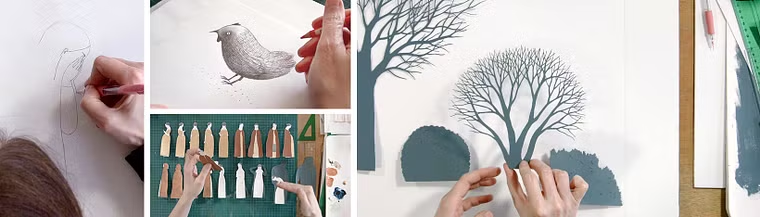
Projects by course students


Who is this online course for?
Illustrators, designers, creatives, and anyone who wants to learn about Elena Odriozola's work process and the world of children's illustration.
Requirements and materials
Previous drawing knowledge is required, although it can be compensated for with a great deal of enthusiasm and imagination.
In terms of materials, you need a computer with Adobe Photoshop, a camera, paper (sumi-e or similar), acrylic paint, rigid cardboard, foam board (two thicknesses), card stock, tracing paper, a utility knife, a pencil, an eraser, brushes, a wooden rod, glue, and spray glue.
Reviews
- 5 months ago
Muy importante como apoyo para realización de mis proyectos. Admirable ilustradora.
- 1 year ago
Enamorada de los contenidos! Muero por empezar mi proyecto :)
- 1 year ago
This lecture provides very detailed explanations.
- 1 year ago
Es muy hermoso el curso. Me gustó mucho la originalidad de la propuesta y la delicadeza de las ilustraciones. Aprendí mucho.
- 2 years ago
Cours très inspirant !!

She began her creative journey illustrating textbooks before moving on to stories, forging her career path slowly but surely. She admits that illustration was something that came to her by itself, as if it were her unstoppable destiny, and that she will keep on doing it as long as she enjoys it. Her illustrations are characterized by delicate, intimate strokes and a soft and limited color palette that's used effectively both technically and conceptually.
Throughout her career, she has received numerous awards, including the Second Prize from the Spanish Ministry of Culture for the Best Children's and Youth Books published in 2005 for La princesa que bostezaba a todas horas, and an award at the third edition of the CJ Picture Book Awards (South Korea) for Oda a una estrella. Her work was also selected for the exhibition Ilustrísimos when Spain was guest of honor at the Bologna Children's Book Fair in 2005, where she exhibited again in 2010.
Content
- U1
Introduction
- Presentation
- Influences
- U2
Behind the Scenes
- Read the Book and Think: Trial and Error
- Materials
- Sketch of the Character
- Sketch of the Stage
- U3
Rehearsing the Work
- Make the Character
- Make the Stage: The Structure
- Make the Stage: The Facade
- Make the Stage: Decoration
- Make the Scenario: The Final Result
- U4
A Scene
- Make the Photos
- FP
Final project
- The illustration process of Mary Shelley's Frankenstein
What to expect from a Domestika course
Learn at your own pace
Enjoy learning from home without a set schedule and with an easy-to-follow method. You set your own pace.
Learn from the best professionals
Learn valuable methods and techniques explained by top experts in the creative sector.
Meet expert teachers
Each expert teaches what they do best, with clear guidelines, true passion, and professional insight in every lesson.
Certificates
PLUSIf you're a Plus member, get a custom certificate signed by your teacher for every course. Share it on your portfolio, social media, or wherever you like.
Get front-row seats
Videos of the highest quality, so you don't miss a single detail. With unlimited access, you can watch them as many times as you need to perfect your technique.
Share knowledge and ideas
Ask questions, request feedback, or offer solutions. Share your learning experience with other students in the community who are as passionate about creativity as you are.
Connect with a global creative community
The community is home to millions of people from around the world who are curious and passionate about exploring and expressing their creativity.
Watch professionally produced courses
Domestika curates its teacher roster and produces every course in-house to ensure a high-quality online learning experience.
FAQs
You’ll learn how to interpret children’s texts, design minimalist characters, create illustrated scenes, and build a paper theater, blending traditional and digital techniques to craft original, narrative-driven, three-dimensional compositions.
Yes, this course is designed for those with basic illustration skills who want to deepen their knowledge of composition, visual storytelling, and stage design applied to books and paper theaters.
You’ll need foam board, a craft knife, cardstock, Sumié paper, pencils, acrylic paints, brushes, a lightbox, glue, a scanner, and access to Photoshop if you want to digitize your work.
The course covers sketching, pen drawing, pencil shading, acrylic and wash painting, plus methods to add expression and volume to characters and settings.
Basic drawing skills are recommended, but the course guides you step-by-step through text interpretation, sketching, and composition, helping you improve as you go.
A paper theater is a three-dimensional stage model that lets you experiment with visual depth, composition, and storytelling—perfect for illustrators looking to explore new ways to tell stories.
You’ll create sketches, characters, and backgrounds, interpret a scene from Frankenstein, build a paper theater, and learn how to photograph and present your model as part of an illustrated book.