
Introduction to CNC Router Furniture Design
A course by Daniel Romero / TuuxIndustrial Designer
A course by Daniel Romero / Tuux, Industrial Designer

Learn how to design and produce sustainable furniture: from sketch to CAD drawing to the final piece
Do you want to learn about new ways to design and produce sustainable furniture? Industrial designer and partner at the TUUX studio and production workshop, Daniel Romero is here to help. His studio specializes in product, furniture, interior design, and architecture and they won the Red Dot Design Award in 2019, as well as having their work recognized and selected in three Ibero-American Design Biennials.
In this course, Daniel teaches you the basic concepts of computer-assisted drawing (CAD), focused on production with a CNC flat bed router (CAM). Learn in a practical way all the advantages of this production system, as well as the step-by-step process, and achieve designs with strong and feasible assemblies. Develop a customizable bench without the use of hardware or glue: from the computer drawing to the cutting, to the finish.
What will you learn in this online course?
16 lessons & 21 downloads
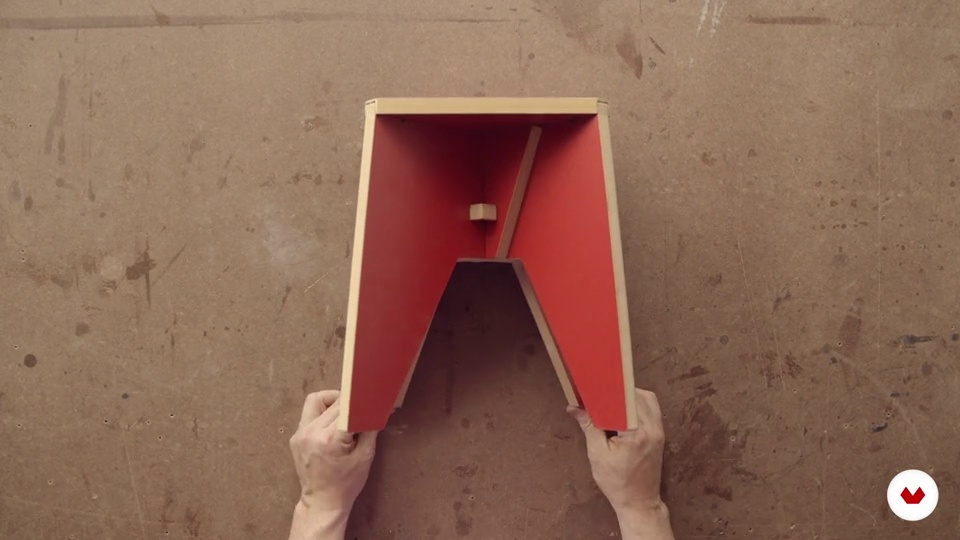
What will we do in the course?
2 minutes, 57 seconds
Digital manufacturing; CNC What are they and how do they work?
3 minutes, 26 seconds
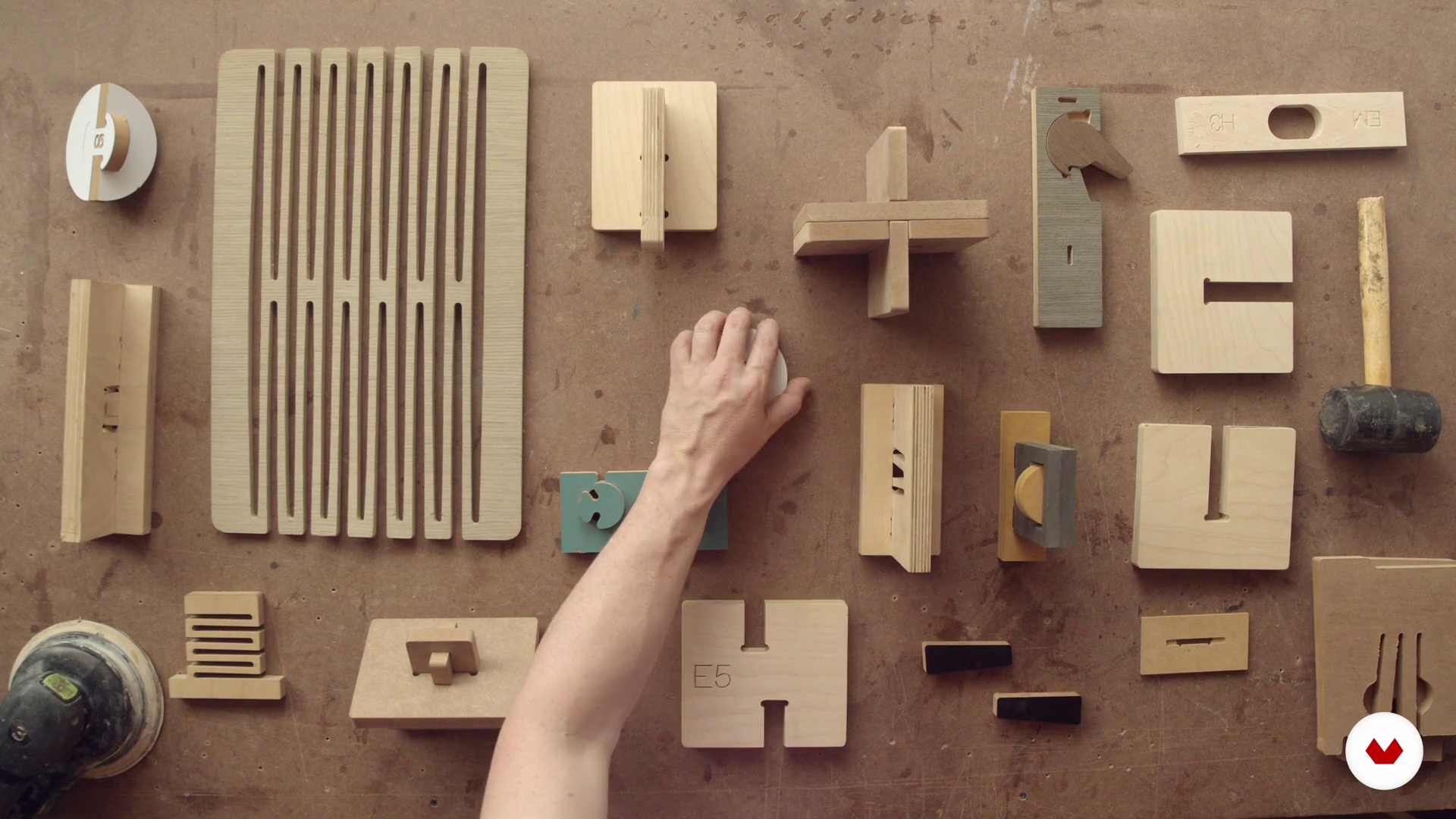
Wood, a renewable material; wooden base boards
8 minutes, 29 seconds
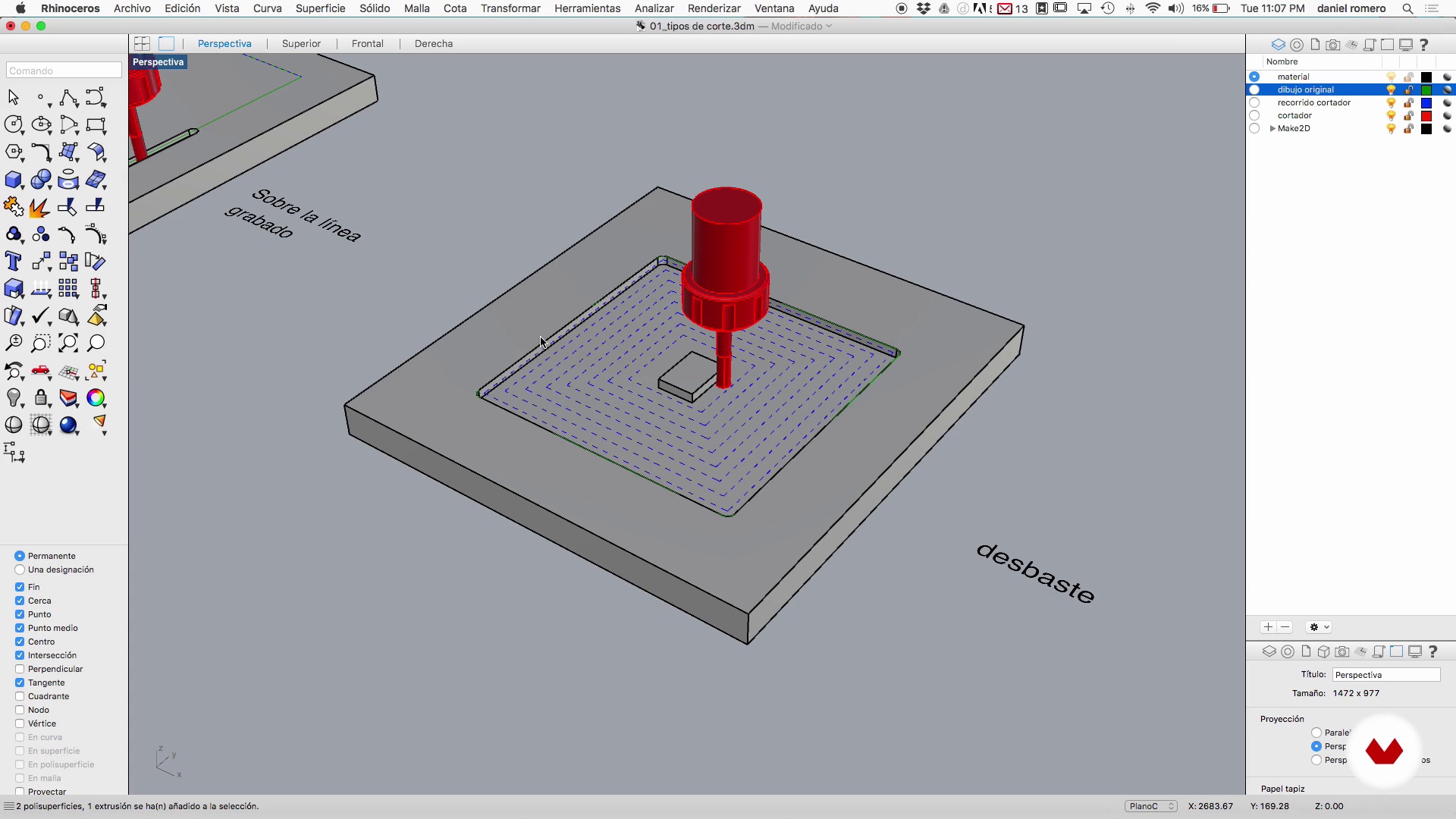
Types of cutting in CNC
6 minutes, 25 seconds
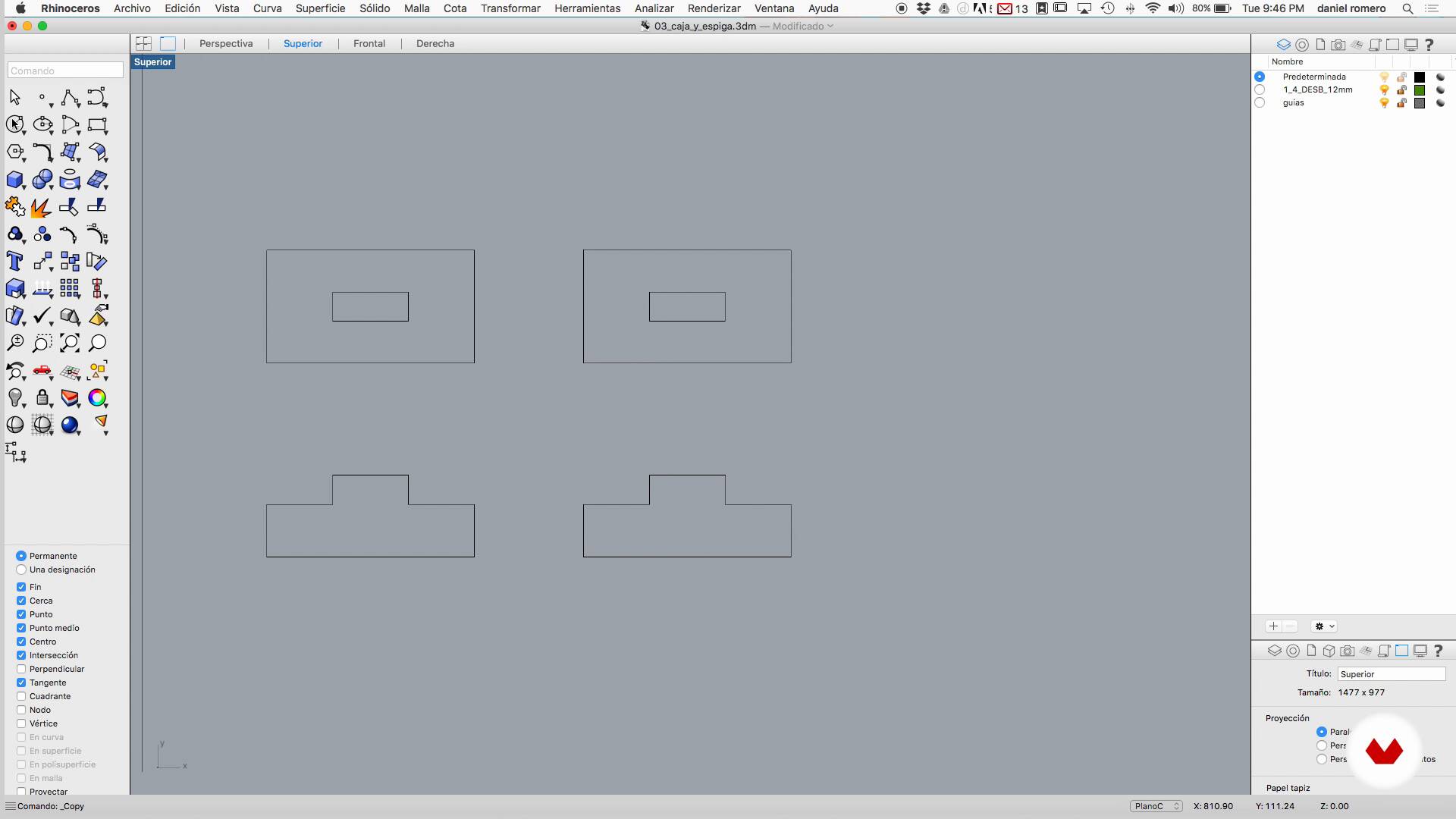
Some basic assemblies. Blind mortise and tenon joint
8 minutes, 6 seconds
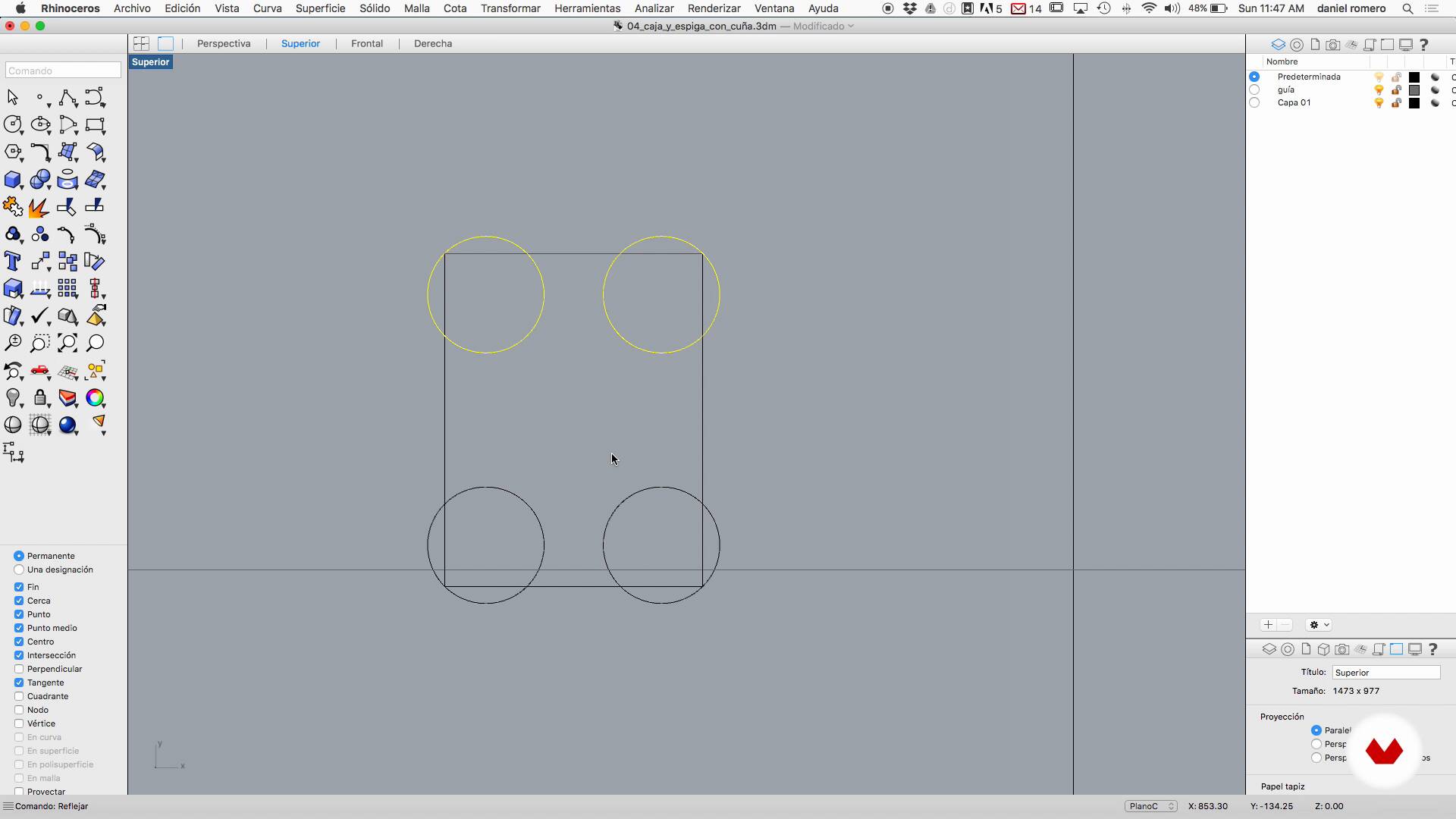
CNC Assemblies, Case & Wedge Dowel
9 minutes, 56 seconds
What's included in this course?
Meet Daniel as he tells you about his career as an industrial designer, shows you some of his outstanding projects within TUUX, and talks to you about his top references.
Get your first introduction to digital manufacturing, delving into the world of CNC flat bed routers and all the advantages and disadvantages of manufacturing with this method. Learn how a CNC machine works and review the materials that can be used, always keeping in mind to choose renewable ones.
Enter the practical part of the course. Daniel uses Rhinoceros 5, but any CAD program will do. Explore the most common types of CNC cutting and delve into the problems and solutions for the inner corner radii generated by circular cutters. Learn the importance of measuring the material correctly in order to assemble the parts. Then, see the most common assemblies such as the box and pin, and a variant with a wedge.
Start drawing the bench with Rhinoceros (or the software you choose); unlike the assemblies you made, here you can work on the same file until it's ready to be cut. Daniel tells you how to make your design decisions step by step. You can customize your own design to achieve a unique aesthetic.
Adjust the last parameters to send the pieces to be cut, reviewing everything you need to ask your trusted workshop. Finish the course with the basics to venture into creating your own designs and materializing them with the help of a CNC machine.
Recommended software & tools for this course
What is this course's project?
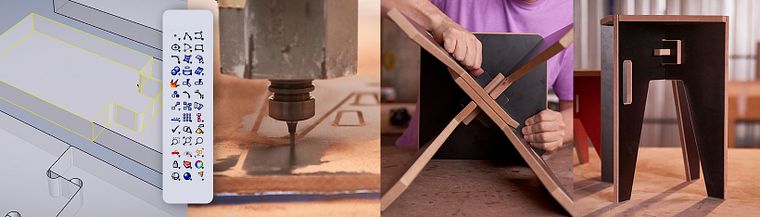
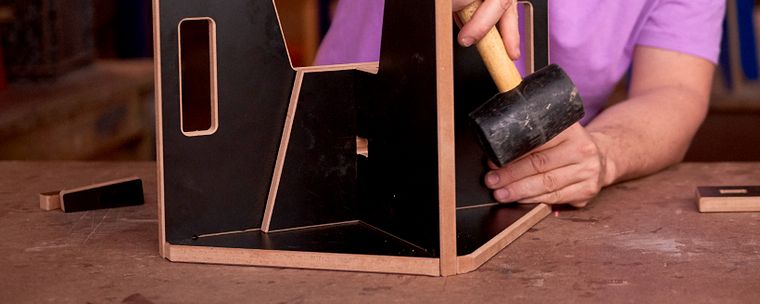
Build a bench with a 7-piece plywood board, half-timbered assemblies, dowels, boxes, and wedges, with no need for glue or hardware for the final assembly. You can intervene or customize the design to your liking.
Projects by course students


Who is this online course for?
For those who want to make their ideas happen, instead of leaving them in a drawing or render. For designers, architects, teachers, students, entrepreneurs, or any creative person who wants to understand this manufacturing process.
Requirements and materials
You will need to have basic knowledge of CAD. In this course, the teacher uses a Mac computer with Rhinoceros 5, but you can use whichever CAD software you have, such as Autodesk AutoCAD or Sketchup.
In addition to your computer with the software installed, for the practical part of the workshop, you will need to have access to a CNC router near your home, work, or school to cut your bench. You only need a 1/4 inch type of cutter, we recommend the use of a 5 or 6-inch diameter orbital polisher (for the final details) and 120 and 240 grit sandpaper. Finally, you will need linseed oil to give the furniture an optimal finish.
Reviews
- 2 months ago
Genial
- 2 months ago
👌🏻
- diazesteban059PLUS5 months ago
muy bueno
- 6 months ago
Excelente! Daniel sabe mucho. Y además me encantó haber aprendido sobre el ecosistema industrial que rodea la producción de madera. Por ejemplo, la importancia de que provenga de fuentes sustentables con el medio ambiente. Diez puntos.
- 8 months ago
very good course with basic information about cnc

In addition to his role at Tuux, he is a partner and jury member at the Abierto Mexicano de diseño competition, professor of the design, furniture, and ergonomics workshop at the CIDI (UNAM), and founder and designer of Hecho y Derecho, an online sales platform for furniture and accessories. On top of it all, he also collaborates on projects for other companies as a freelancer.
His work, both individually and through his studio, has earned numerous awards, most notably: winner of 2019 Red Dot Design Award (Germany), a spot on the list of the 100 most important Mexican creatives in the world (Forbes Magazine, Mexico), as well as winner and runner-up at three Ibero-American Design Biennials (Madrid 2014, 2016, and 2018).
Content
- U1
Introduction
- Presentation
- Influences
- What will we do in the course?
- U2
CNC Principles and Materials
- Digital manufacturing; CNC What are they and how do they work?
- Wood, a renewable material; wooden base boards
- U3
CAD drawing principles, most common cut types and CNC router assemblies
- Types of cutting in CNC
- The problem of internal corners and radii to save the assembly
- Material measurement and how it affects assemblies
- Some basic assemblies. Blind mortise and tenon joint
- CNC Assemblies, Case & Wedge Dowel
- U4
Tijuana bench, computer drawing
- Design decisions and first steps of the bench
- Assemblies, Roughing, and Drawing Details
- Customize the bench and arrangement of the pieces
- U5
Bench production
- Files for CNC cutting
- Review and adjustment of details
- Finish
- FP
Final project
- Introduction to CNC Router Furniture Design
What to expect from a Domestika course
Learn at your own pace
Enjoy learning from home without a set schedule and with an easy-to-follow method. You set your own pace.
Learn from the best professionals
Learn valuable methods and techniques explained by top experts in the creative sector.
Meet expert teachers
Each expert teaches what they do best, with clear guidelines, true passion, and professional insight in every lesson.
Certificates
PLUSIf you're a Plus member, get a custom certificate signed by your teacher for every course. Share it on your portfolio, social media, or wherever you like.
Get front-row seats
Videos of the highest quality, so you don't miss a single detail. With unlimited access, you can watch them as many times as you need to perfect your technique.
Share knowledge and ideas
Ask questions, request feedback, or offer solutions. Share your learning experience with other students in the community who are as passionate about creativity as you are.
Connect with a global creative community
The community is home to millions of people from around the world who are curious and passionate about exploring and expressing their creativity.
Watch professionally produced courses
Domestika curates its teacher roster and produces every course in-house to ensure a high-quality online learning experience.
FAQs
You’ll learn how to design, prepare digital files, and build furniture using CNC technology, applying hardware-free joinery, sustainable material choices, and modular, flat pack design principles.
The course is aimed at students with intermediate skills in design or carpentry, but you don’t need to be a CNC expert. Basic familiarity with CAD software and digital manufacturing processes is recommended.
You’ll need access to a computer with CAD software (like Rhino or Fusion 360), a CNC machine for hands-on practice, materials such as MDF or plywood, a digital caliper, and basic carpentry tools for assembly.
By the end of the course, you’ll be able to design and build modular furniture, benches, chairs, and other wooden pieces using CNC cutting and hardware-free assembly techniques.
The course covers selecting FSC-certified materials, minimizing waste, supporting local production, and efficiently using wood-based panels to create eco-friendly furniture.
Yes, having basic skills in Rhino, Fusion 360, or other CAD software is recommended since part of the course focuses on creating and editing CNC cutting files.
Flat pack design makes furniture easier to transport, store, and assemble, cutting logistics costs and enabling efficient, sustainable designs.