Worldbuilding: Discover the Fantasy Narrative
A course by Alberto ChimalWriter and Creative Writing Teacher
A course by Alberto Chimal, Writer and Creative Writing Teacher

Learn to create fictional worlds, from the environment to the characters and time period, for your novels, comics, movies, podcasts or video games
Create your own fictional world from scratch and watch all the stories you could possibly imagine come to life. The world's your oyster, or clam... You decide! Delve into narrative genres such as science fiction, supernatural horror, and fantasy alongside novel and short story writer Alberto Chimal.
In his first course, Alberto gives you an introduction to narrative writing, and in this one he teaches you the basics of worldbuilding: the invention and preparation of a narrated world, in other words, the surroundings you invent that can be used as a base to create as many stories as you like in whatever medium, such as novels, comics, movies, podcasts, or video games.
What will you learn in this online course?
13 lessons & 31 downloads
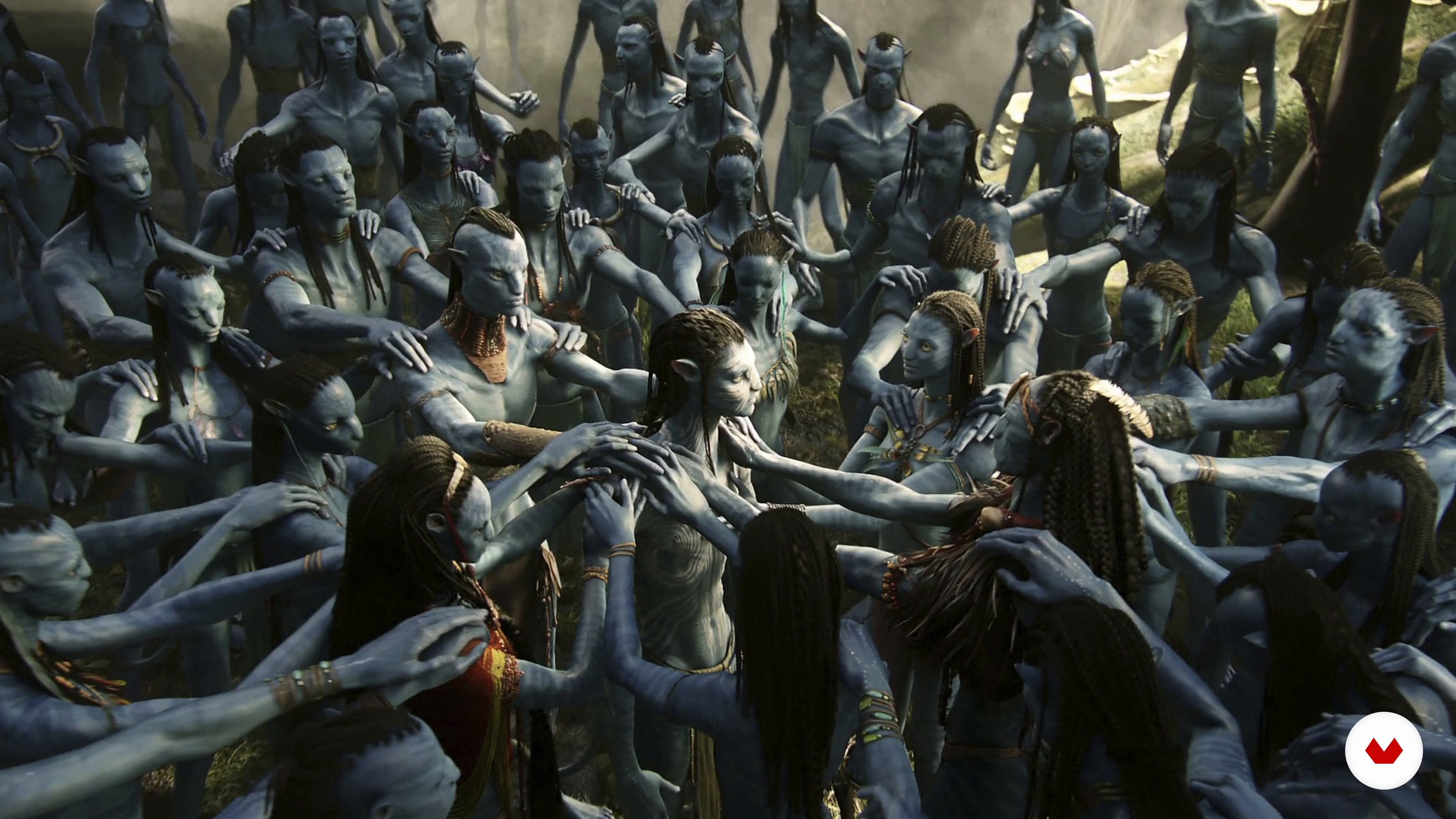
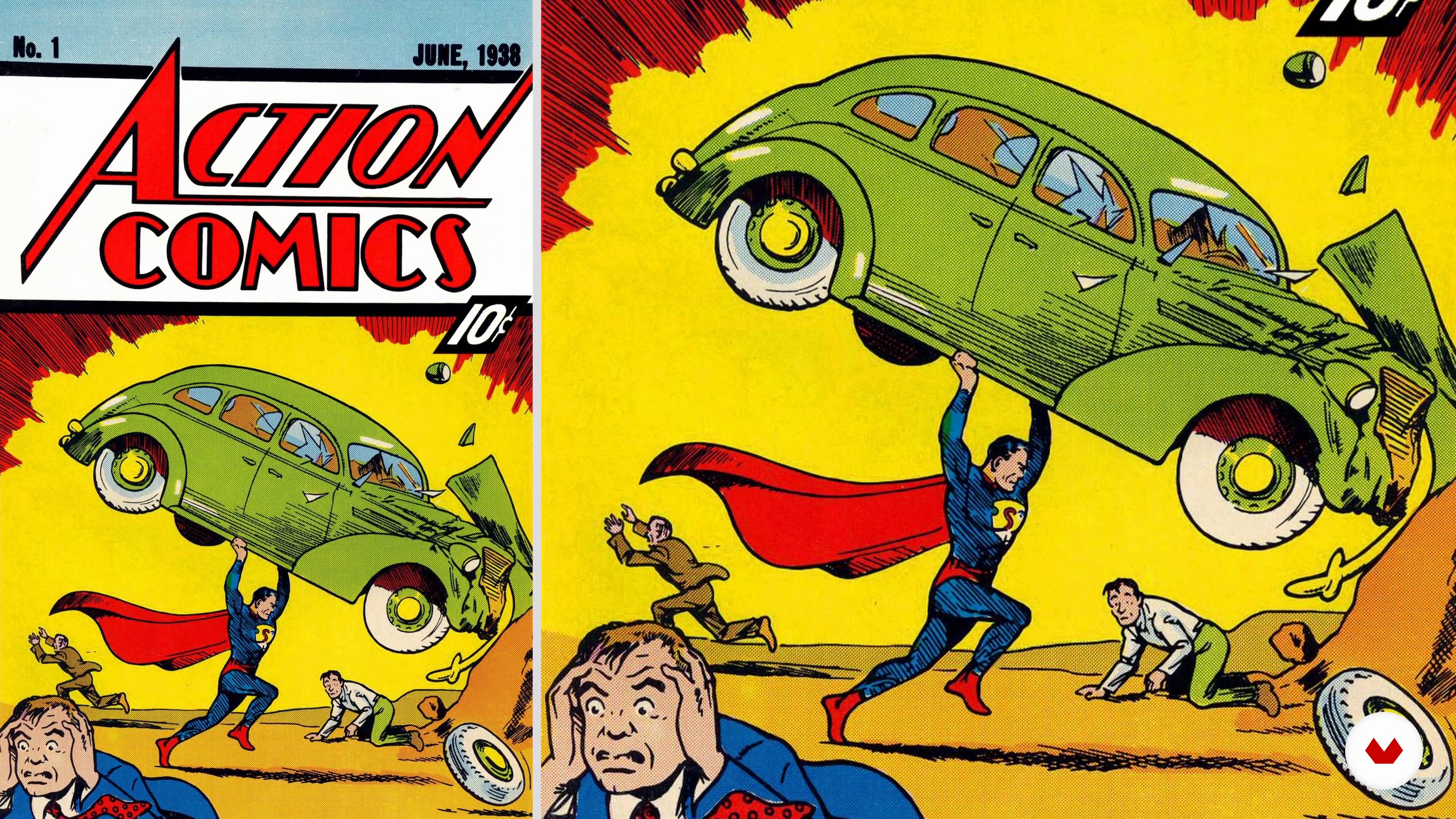
How to work a certain genre
6 minutes, 44 seconds
Imagine your world: environment, time and characters
16 minutes, 44 seconds
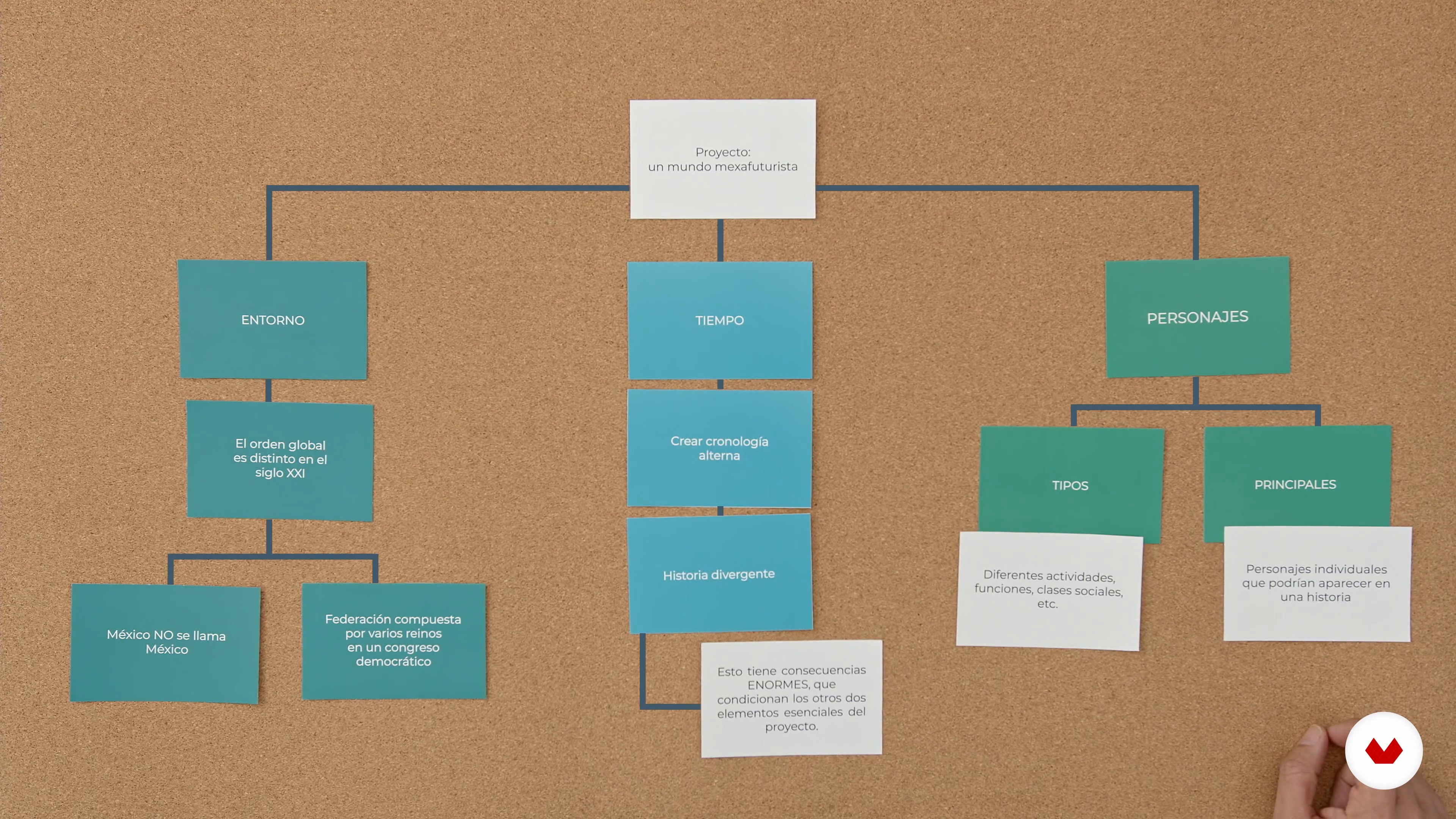
How to organize the creation of your world
12 minutes, 18 seconds
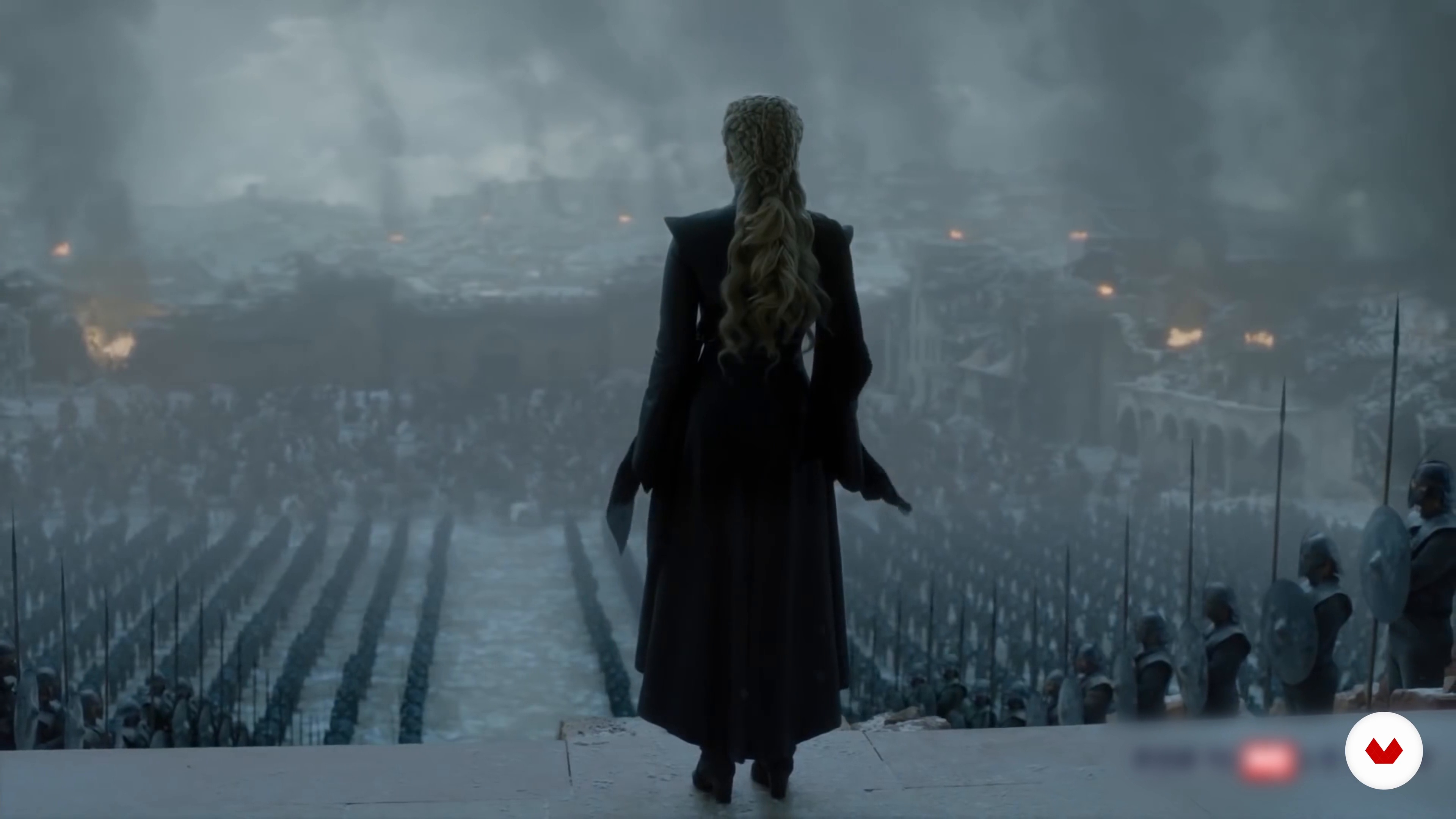
What stories do you want to tell in your world?
11 minutes, 33 seconds

Preparation of materials: chronology and character sheet
17 minutes, 54 seconds
Preparation of materials: concordance tables and maps
12 minutes, 12 seconds

Create the general guide of your world
10 minutes, 46 seconds
What's included in this course?
Start the course by getting to know Alberto, who talks about three pieces of his work in which he uses fictional worlds, his creative process, and his greatest artistic influences.
Learn what worldbuilding is exactly and all you need to start creating your fictional world. Tackle basic concepts like characters, time, and space before moving on to the genre of the story. Then, take a more detailed look at the work materials with Alberto.
Start by thinking about stories within the world of fiction and the genre you have chosen. Discover some tools for organizing all your ideas and make a general guidebook containing the timeline and characters. Create an outline of the story with a plot.
Alberto shows you how to create different resources for your world's guidebook such as architectural designs, clothing, animated sequences, musical compositions, and much more. Finally, put the finishing touches on your first ever worldbuilding narrative project.
What is this course's project?
Develop your own fictional world that you can use as the setting for as many stories as you like.

Projects by course students

Who is this online course for?
Anyone interested in creating stories, regardless of the storytelling medium they wish to use. Short story and novel writers, scriptwriters, filmmakers, cartoonists, podcasters, video game creators, or anyone who wants to give structure and depth to their fictional worlds.
Requirements and materials
It is essential to have basic knowledge of writing and specifically within a fantasy genre like science fiction, epic fantasy, supernatural horror, etc. You also need to know how to operate a word processor of your choice. If you want to make part of your project in podcast format, you need knowledge and experience in audio creation and editing, as well as how to use the tools involved.
In terms of materials, you need a pencil, colors (in the drawing format you like most), paper, a computer with a word processor, digital tools for organizing concepts and mind maps (optional), a digital drawing and painting tool like Photoshop or similar, and a scanner for digitizing your finished work.

Reviews
- jasmina_392PLUS2 months ago
Muy claro, inspirador y pedagógico. Muy buenas herramientas dadas paso a paso. ¡Me encanta!
- 7 months ago
I loved the course. It was really motivating! Step by step guide to create big worlds.
- 9 months ago
Me parece un curso muy importante, pues nos ayuda a estructurar mejor nuestras obras. Además, en el pasado un amigo me regaló un libro de Carlos Chimal y ahora me siento feliz y emocionada de poder tomar un curso de un gran escritor en esta plataforma. Gracias Doméstika :)
- 10 months ago
He sacado información muy valiosa tras hacer este curso. Si bien mi proyecto es muy ambicioso, luego de ver las clases y aplicando los consejos y proyectos en mi trabajo, he de decir que la riqueza de mi universo ha crecido.
<3
- 1 year ago
Another excellent course by Mr. Alberto, as always, with a comprehensive approach to the subject.

He has published more than forty books, including novels and collections of short stories, and is currently writing the screenplay for his second feature film.
Content
- U1
Introduction
- Presentation
- Influences
- U2
The fictional worlds
- How to work a certain genre
- Imagine your world: environment, time and characters
- How to organize the creation of your world
- U3
From the essentials to the details
- What stories do you want to tell in your world?
- Preparation of materials: chronology and character sheet
- Preparation of materials: concordance tables and maps
- Create the general guide of your world
- Your first argument
- U4
Keep exploring
- How to create props for your world
- Developing the argument: how and where
- Final Recommendations
- FP
Final project
- Worldbuilding: Discover the Fantasy Narrative
What to expect from a Domestika course
Learn at your own pace
Enjoy learning from home without a set schedule and with an easy-to-follow method. You set your own pace.
Learn from the best professionals
Learn valuable methods and techniques explained by top experts in the creative sector.
Meet expert teachers
Each expert teaches what they do best, with clear guidelines, true passion, and professional insight in every lesson.
Certificates
PLUSIf you're a Plus member, get a custom certificate signed by your teacher for every course. Share it on your portfolio, social media, or wherever you like.
Get front-row seats
Videos of the highest quality, so you don't miss a single detail. With unlimited access, you can watch them as many times as you need to perfect your technique.
Share knowledge and ideas
Ask questions, request feedback, or offer solutions. Share your learning experience with other students in the community who are as passionate about creativity as you are.
Connect with a global creative community
The community is home to millions of people from around the world who are curious and passionate about exploring and expressing their creativity.
Watch professionally produced courses
Domestika curates its teacher roster and produces every course in-house to ensure a high-quality online learning experience.
FAQs
Worldbuilding is the process of creating and organizing all the elements of a fictional world—like settings, characters, and rules. It helps bring coherence and depth to fantasy, sci-fi, or alternate reality stories.
You don’t need prior experience, but having an interest in creative writing and fantasy storytelling is recommended. The course is designed for those wanting to dive deeper into worldbuilding techniques and develop their own narrative universes.
All you need is a notebook, paper, pens, and if you like, simple mind-mapping apps like Mindnode. No specialized software is required, but having materials to take notes and organize ideas is advised.
You’ll learn how to build coherent worlds, develop characters and cultures, create alternative timelines, organize ideas with mind maps, and document your narrative universe in a structured guide for your stories.
Yes, the course includes techniques for creating complex, believable characters that fit their worlds, plus methods to organize character sheets and categorize them by culture, history, and role in your universe.
Yes, you’ll learn to design maps, layouts, and visualize fictional environments to enrich your story’s setting and spatial consistency, using both analog and simple digital tools.
The course teaches how to use mind maps, timelines, and structured guides to organize and systematize your world’s information, making it easier to expand and keep your narrative universe consistent.