
Cactus Characters
von Kami Goertz @kamigoertz
- 604
- 12
- 0
Introduction
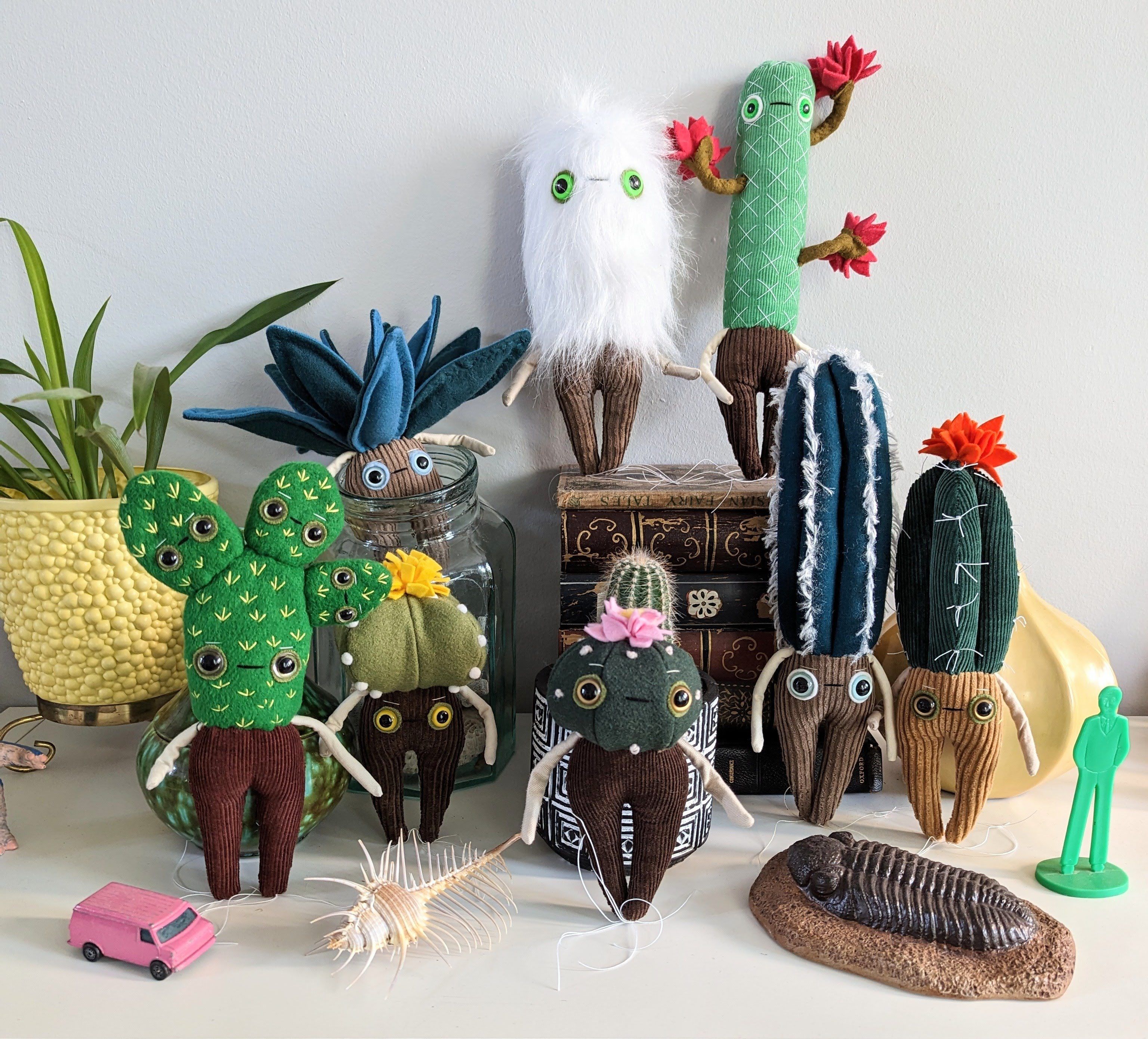
I created a plush cactus garden inspired by my cactus collection. Using various textures of fabric and different stitching techniques to showcase the variety in nature.
Supplies
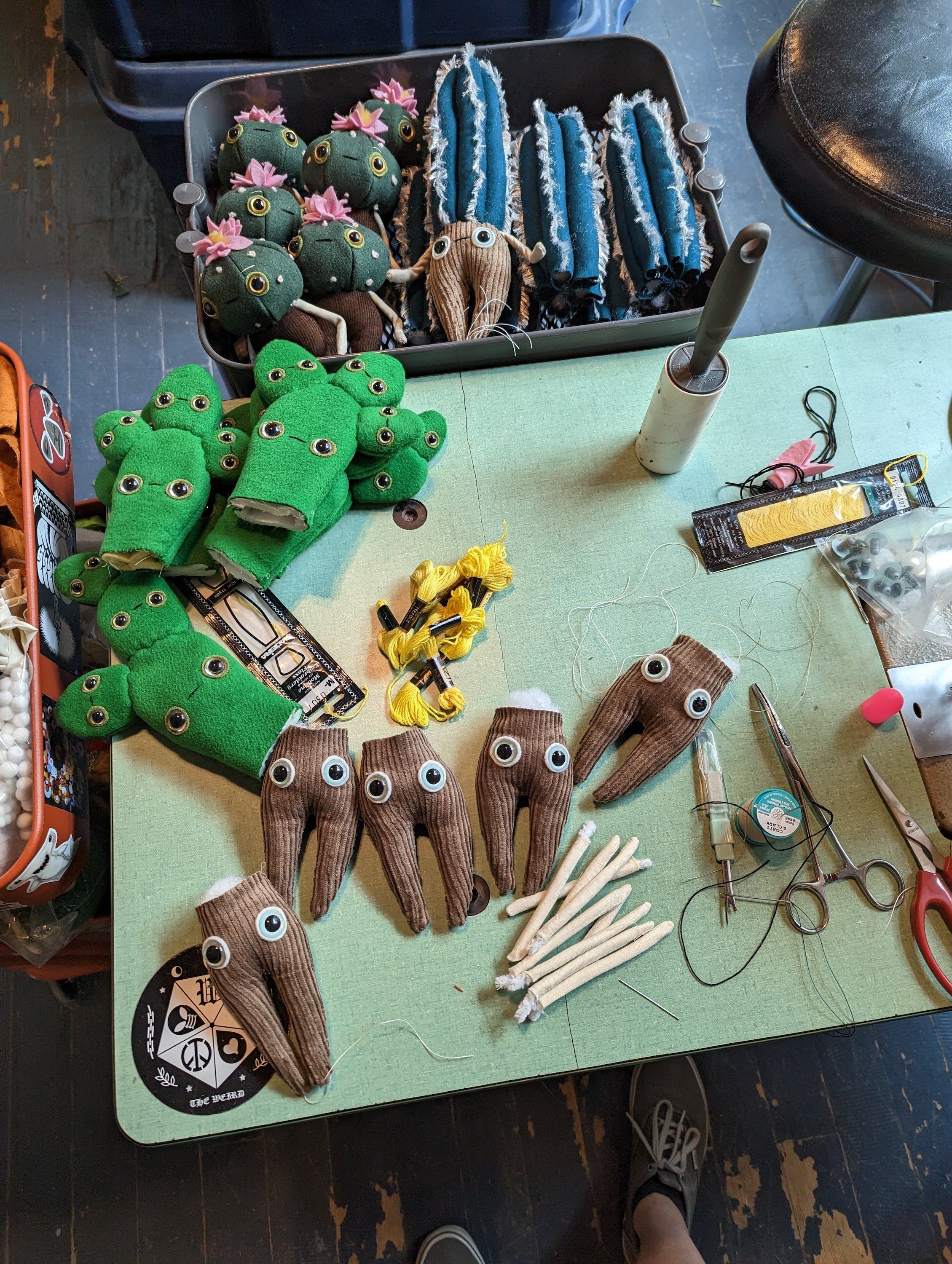
To create this collection of plush cacti characters, I used different textures of fabrics, a sewing machine, needle and thread, safety eyes, embroidery floss, faux fur, pompoms, and polyfill for stuffing.
Step 1: Study your subject
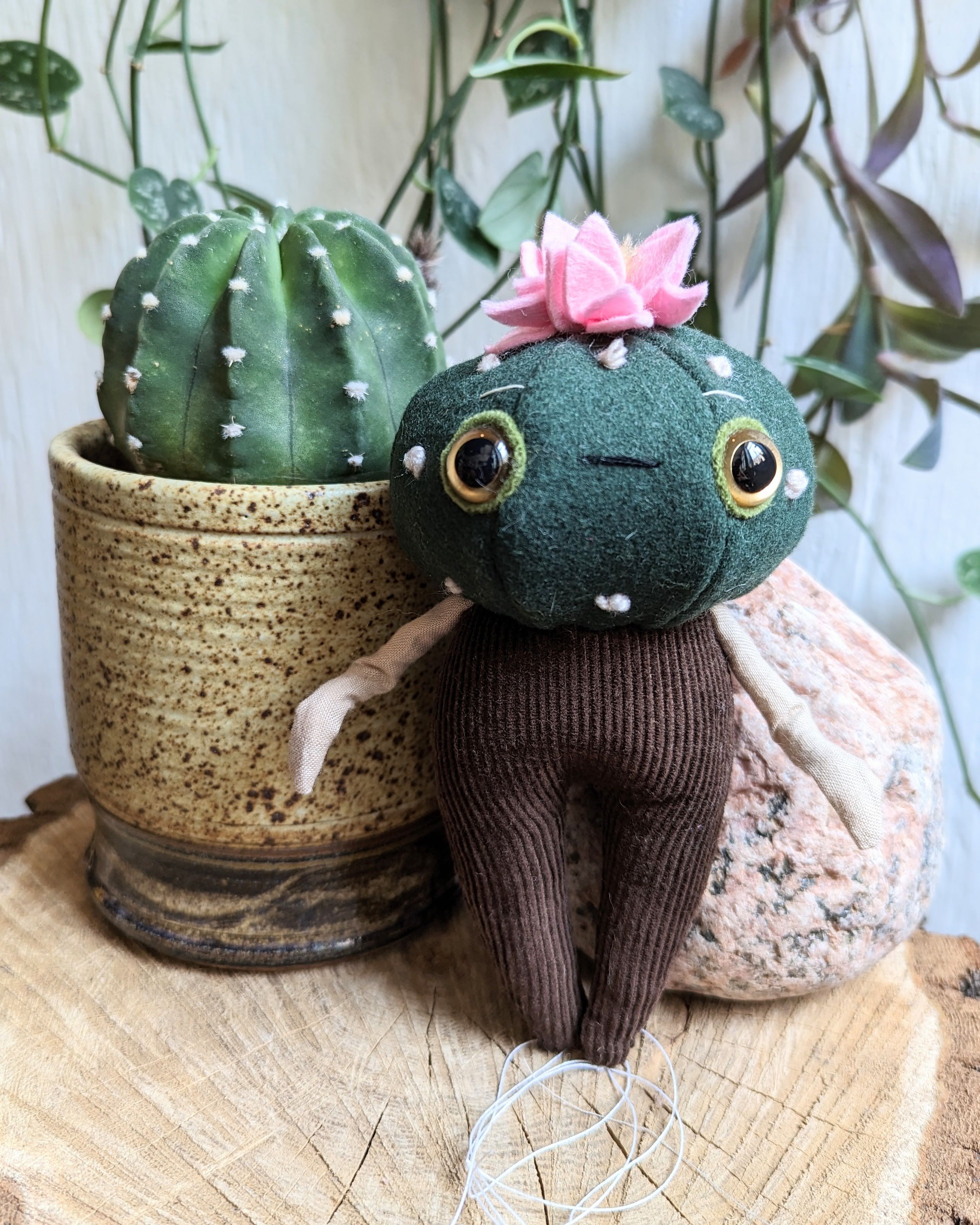
I begin by studying the forms of the plants I want to mimic in character form. I observe the shapes and various spike patterns on the cacti in my collection. I ask myself questions to get an idea about the plant. Is it tall or short, round, how many sections does it have, what are the spikes like, are they long, or short. This will give me an idea of how to represent the plant as a character once I begin putting it together.
Step 2: Characterization
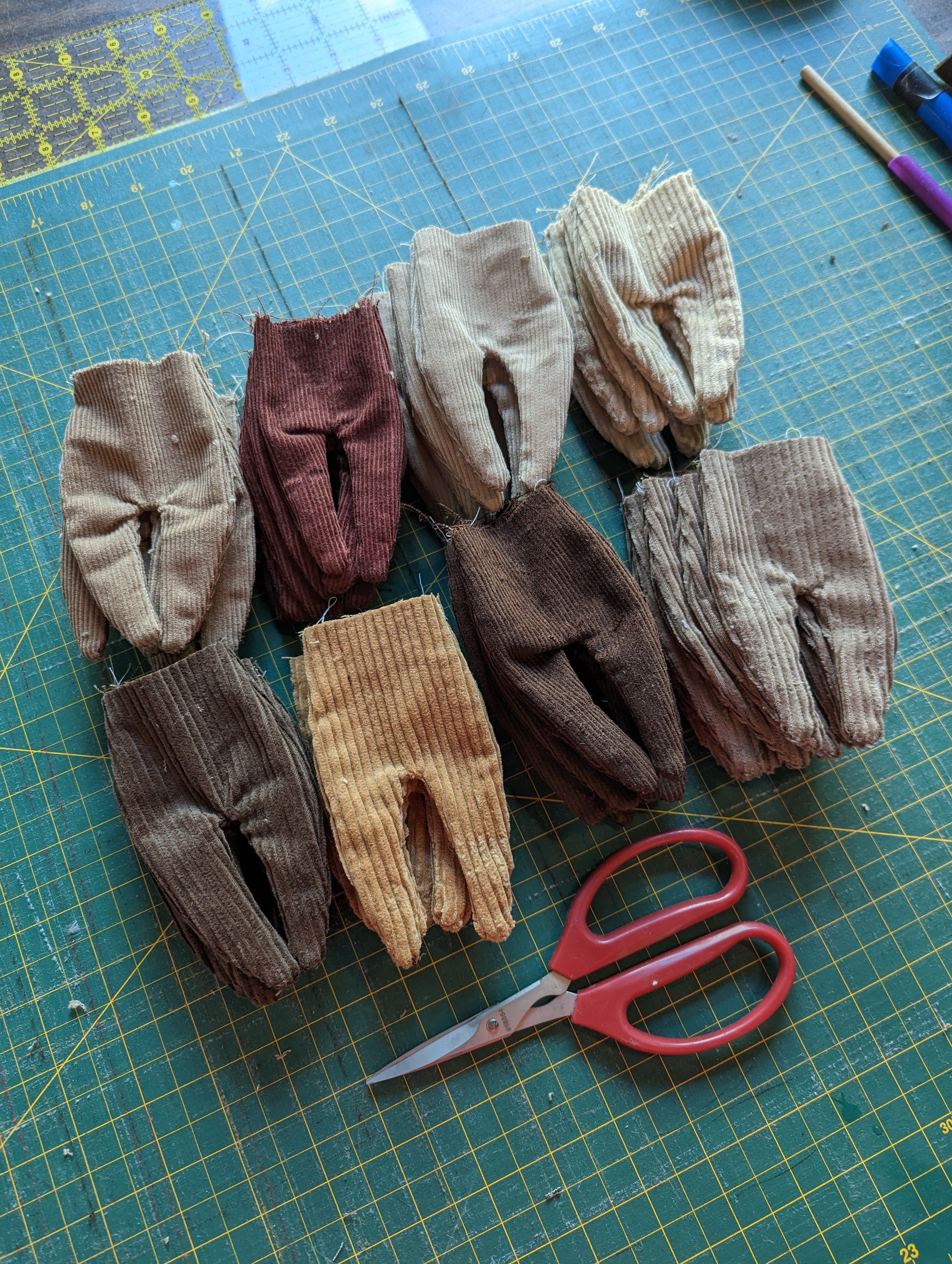
I want to represent a plant as a character, so I imagine that the roots of the plant will be the legs. For this, I choose to use textured corduroy fabric in brown to be the bottom part of my plant character. This will also allow my character to stand, or be displayed in a pot or a cup. I draw out the leg forms on the back of the fabric and then use a sewing machine to create the forms.
Step 3: The top
The top of the cactus character can have a face, or the face can be added on to the leg portion of the body, depending on the way I want the character to be expressed and where the details will be placed.
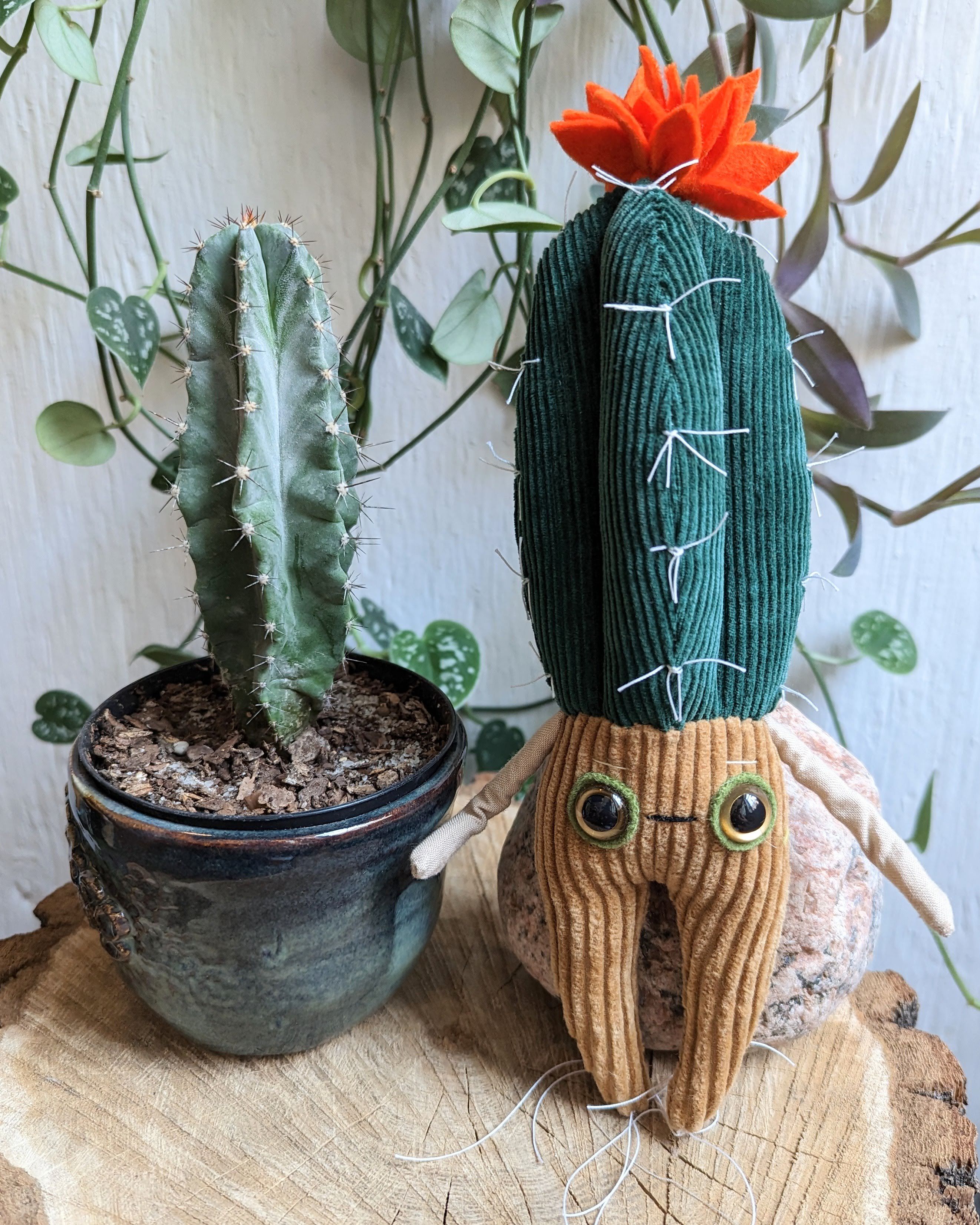
Different types of cacti have various textures and spike patterns so I study the plants I have around me to create the top forms. In the photo below, I wanted to create a cactus with different sections on top, so the face will be placed on the brown part of the bottom. Adding a flower made from felt adds a touch of colour!
Step 4: Details
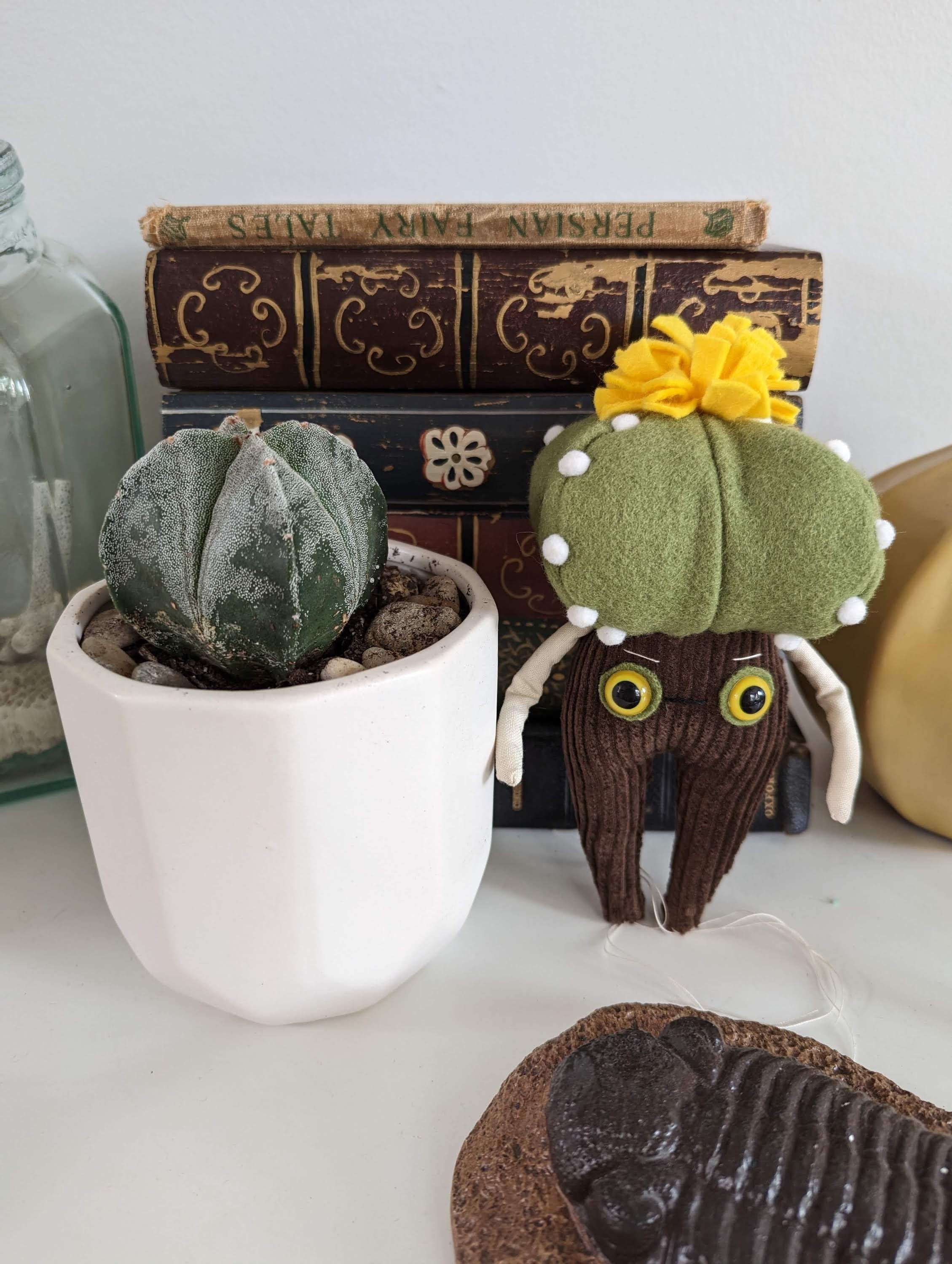
The spike details of the cacti can be created using different techniques. I use pompoms to represent the small cluster spikes on this cactus. I also use various knots of thread to represent long spikes, or a cross stitch to place x markings along the sides. I like to experiment with different techniques to represent the spike details on different types of cacti.
Step 5: Display
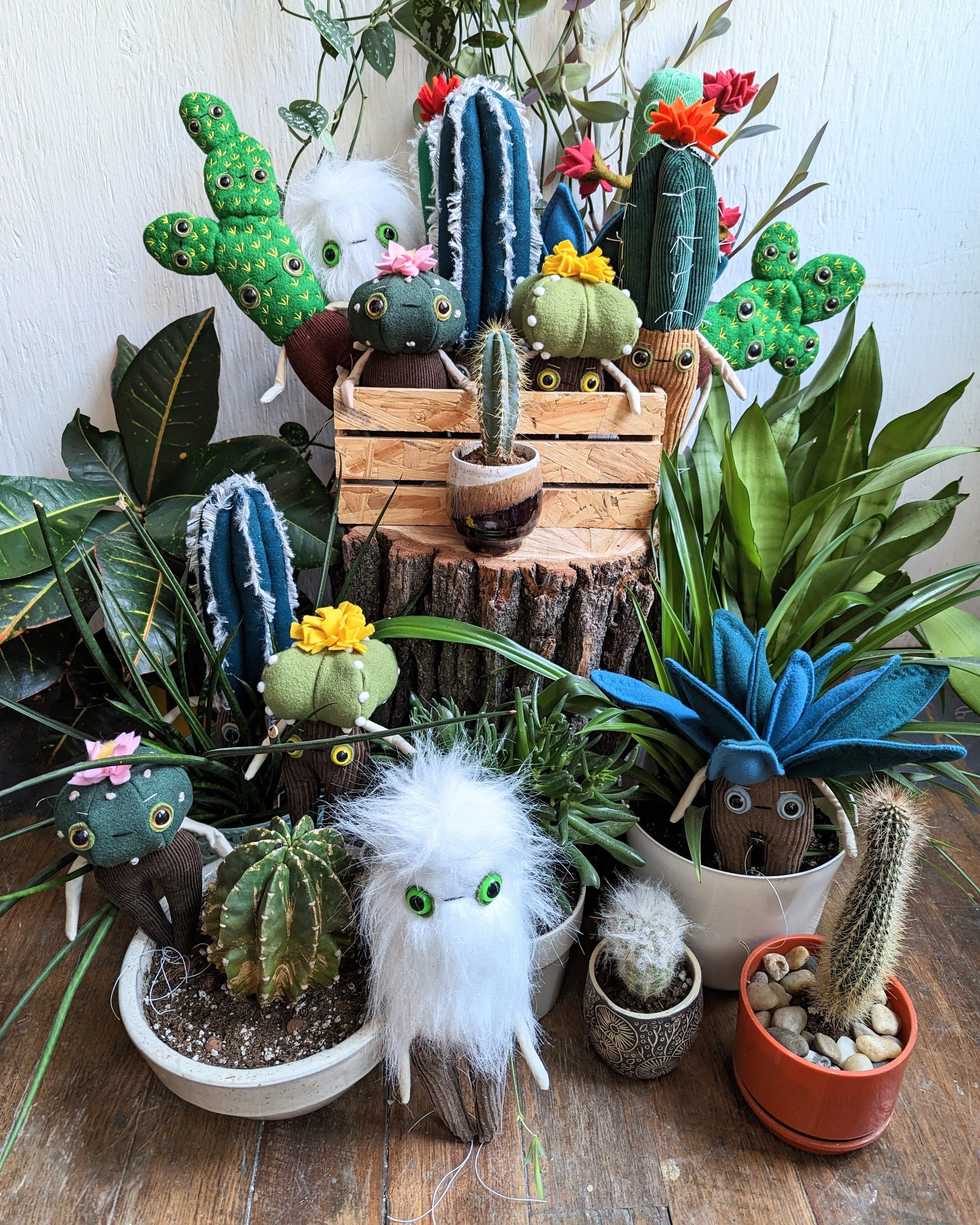
Once I have created a number of different characters, I can arrange them in a group along side some real plants. Observe the different styles of spikes and forms from tall to short, round and flat that can be possible in fabric. The different textures and colours create a dynamic display.


+0 Kommentare
Melden Sie sich an oder melden Sie sich kostenlos an, um zu kommentieren