3D Animation for Non Animators with Cinema 4D
Zigor Samaniego tarafından verilen bir kurs , İllüstratör ve 3D tasarımcı

Haziran 2009 ye katıldı
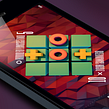



Learn to create express animations for social media
Haziran 2009 ye katıldı



Zigor Samaniego, who you may know from other Domestika courses such as Express Introduction to 3D: From Zero to Render with Cinema 4D and 3D Lettering: Modelling and Texturizing with Cinema 4D, has been working as a 3D illustrator for many years and has built his own style that has been sought out by clients such as Prada, American Express, Nestlé, and Wired. During this time, Zigor has built his own ecosystem full of characters, many of them animated, who tell their own story and have already become a trademark.
These three-dimensional characters make constant appearances on his social media, helping Zigor show the world how he works. In this online course, he teaches you how to make the most of all the possibilities that Cinema 4D offers you to create 3D animations, simply and quickly, and that help you make your projects stand out on Facebook, Twitter, or Instagram.
Bu çevrimiçi kursta ne öğreneceksiniz?
1 ders & 1 indirme

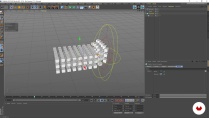
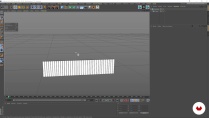

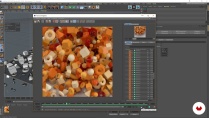

- 1 öğrenci
- 1 ders ( 3h 45m )
- 1 ek kaynak (1 dosya)
- Çevrimiçi ve kendi hızınızda
- Uygulamada mevcut
- Ses: İspanyol, İngilizce, Fransızca, İtalyan, Portekizce, Türkçe
- İspanyol · İngilizce · Portekizce · Almanca · Fransızca · İtalyan · Lehçe · Flemenkçe · Türkçe · Romence · Endonezyalı
- Seviye: Orta seviye
- Sonsuza kadar sınırsız erişim
Bu kurs için önerilen yazılım ve araçlar
 Adobe After Effects
 Cinema 4D
 OctaneRender
Bu kursun projesi nedir?
Zigor proposes three projects: the first consists of animating hard and soft elements, for which he proposes "mistreating" a head; the second is animating a furry, dancing doll; and in the third, integrating an animation into a video recorded by you.
Kurs öğrencilerinin projeleri


Bu çevrimiçi kurs kimlere yöneliktir?
Illustrators, designers, animators, and anyone with an interest in 3D, animation, and motion graphics.
Gereksinimler ve materyaller
It is necessary to have basic knowledge of Cinema 4D, After Effects, or any other video post-production program.
As for materials, you need a computer with Cinema 4D and After Effects. For the renders, Zigor uses Cinema 4D and Octane, but you can choose the one you like the most, since in this course the most important thing is the animation.

Adobe After Effects da yeni misiniz? Bu durumda yazılımın nasıl kullanılacağını öğrenmek için Domestika Basics kurslarını almanızı öneririz: After Effects'e Giriş .

Zigor Samaniego
Zigor Samaniego tarafından verilen bir kurs
Zigor'un 3D tasarımcı olarak çalıştığı 10 yıldan fazla süre boyunca, video oyunları için grafiklerin oluşturulmasından reklamlara, yazılara ve hatta karakterlerin yaratılmasına kadar bu disiplinin çeşitli dallarında deneme yapma fırsatı buldu. Zigor'un sosyal ağlarında düzenli olarak gösterdiği ve kişisel bir proje olarak yarattığı bu yaratıklar, ona Prada, Maxon, Nickelodeon veya Nestlé gibi birçok müşteriyle çalışmanın kapılarını açtı.
İçerik
-
U 1
Introduction
-
Presentation
-
Influences
-
-
U 2
Mograph module
-
Cloning modes
-
Mograph effects I
-
Mograph II effects
-
More module options + animate with Capuccino
-
-
U 3
Hard things, soft and dynamic things
-
Hard things
-
Soft stuff
-
Mini project: mistreating a head I
-
Mini project: mistreating a head II
-
-
U 4
Bailongo doll
-
Make the dancing doll
-
Render with Cinema 4D
-
Render with Octane
-
Putting everything together in After Effects
-
-
U 5
Track a video
-
Integration with real image
-
Editing with After Effects
-
-
FP
Bitirme projesi
-
3D animation for non-animators with Cinema 4D
-
Bir Domestika kursundan neler beklenebilir?
-
Kendi hızınızda öğrenin
Belirli bir program olmadan ve takip edilmesi kolay bir yöntemle evden öğrenmenin tadını çıkarın. Kendi hızınızı kendiniz belirlersiniz.
-
En iyi profesyonellerden öğrenin
Yaratıcı sektörün en iyi uzmanlarının açıkladığı değerli yöntem ve teknikleri öğrenin.
-
Uzman öğretmenlerle tanışın
Her uzman, her derste açık yönergelerle, gerçek tutkuyla ve profesyonel anlayışla en iyi yaptıkları şeyi öğretir.
-
Sertifikalar
ArtıPlus üyesiyseniz her kurs için öğretmeninizden imzalı bir özel sertifika alın. Portföyünüzde, sosyal medyada veya istediğiniz yerde paylaşın.
-
Ön sıra koltukları alın
En yüksek kalitede videolar sayesinde tek bir ayrıntıyı kaçırmazsınız. Sınırsız erişim sayesinde tekniğinizi mükemmelleştirmek için bunları istediğiniz kadar izleyebilirsiniz.
-
Bilgi ve fikirleri paylaşın
Sorular sorun, geri bildirim isteyin veya çözümler sunun. Öğrenme deneyiminizi topluluktaki, yaratıcılığa sizin kadar tutkulu olan diğer öğrencilerle paylaşın.
-
Küresel bir yaratıcı toplulukla bağlantı kurun
Topluluk, dünyanın her yerinden meraklı ve yaratıcılıklarını keşfetme ve ifade etme konusunda tutkulu milyonlarca insana ev sahipliği yapıyor.
-
Profesyonelce hazırlanmış kursları izleyin
Domestika, yüksek kaliteli bir çevrimiçi öğrenme deneyimi sağlamak için öğretmen kadrosunu seçer ve her dersi kendi bünyesinde üretir.
SSS
Domestika kursları, yeni beceriler öğrenmenizi ve inanılmaz projeler yaratmanızı sağlayan online derslerdir. Tüm kurslarımız, çalışmanızı diğer öğrenciler ve/veya öğretmenlerle paylaşma fırsatı sunarak aktif bir öğrenme topluluğu yaratır. Farklı formatlar sunuyoruz:
Orijinal Kurslar: Belirli bir projeyi baştan sona gerçekleştirmek için videoları, metinleri ve eğitim malzemelerini birleştiren eksiksiz dersler.
Basics Kursları: Belirli yazılım araçlarını adım adım öğrendiğiniz uzmanlaşmış eğitimler.
Uzmanlaşma Kursları: Aynı konuda birden fazla uzman öğretmenle öğrenme yolları, farklı yaklaşımlardan öğrenerek uzman olmak için mükemmel.
Rehberli Kurslar: Belirli becerileri doğrudan edinmek için ideal pratik deneyimler.
Yoğun Kurslar (Deep Dives): Yapay zeka araçlarına dayalı yeni yaratıcı süreçler, derinlemesine ve dinamik bir anlayış için erişilebilir bir formatta.
Tüm kurslar %100 çevrimiçi olduğundan, yayınlandıktan sonra kurslar istediğiniz zaman başlayıp bitebilir. Sınıfın temposunu siz belirlersiniz. Geri dönüp sizi en çok ilgilendiren konuları gözden geçirebilir ve zaten bildiklerinizi atlayabilir, sorular sorabilir, soruları yanıtlayabilir, projelerinizi paylaşabilir ve daha fazlasını yapabilirsiniz.
Kurslar farklı birimlere ayrılmıştır. Her biri, ek tamamlayıcı kaynaklar ve indirmelerle birlikte projenizi adım adım gerçekleştirmenize yardımcı olacak dersler, bilgilendirici metinler, görevler ve pratik alıştırmalar içerir. Ayrıca öğretmenle ve diğer öğrencilerle etkileşime girebileceğiniz, çalışmalarınızı ve kurs projenizi paylaşabileceğiniz, kurs çevresinde bir topluluk oluşturabileceğiniz özel bir foruma da erişebileceksiniz.
 Adobe After Effects
 Cinema 4D
 OctaneRender