Professional Modeling of 3D Cartoon Characters
Eğitmen: Juan Solís GarcíaKarakter modelleyici
Eğitmen: Juan Solís García, Karakter modelleyici

Learn to design characters for animation with ZBrush and 3ds Max
Character modeler Juan Solís has dedicated his career to creating countless 3D cartoon characters over the past two decades, working for top studios like Disney Animation, DreamWorks, Ilion Animation Studios, and Blur Studio on high-profile projects such as Frozen, Trollhunters, Spiderman, and Tadeo Jones.
If there's one thing he's learned through experience, it's that there are notable differences between modeling 3D characters for a personal project and doing so for a professional production. In this course, Juan teaches you how to model characters in collaboration with the art department and prepare them to star in an epic animated production.
Bu çevrimiçi kursta ne öğreneceksiniz?
1 ders & 1 indirme
Briefing
10 dakika, 15 saniye
Search for references and look and feel
6 dakika, 18 saniye
The lace
16 dakika, 46 saniye
Detailed and sculpted I
14 dakika, 11 saniye
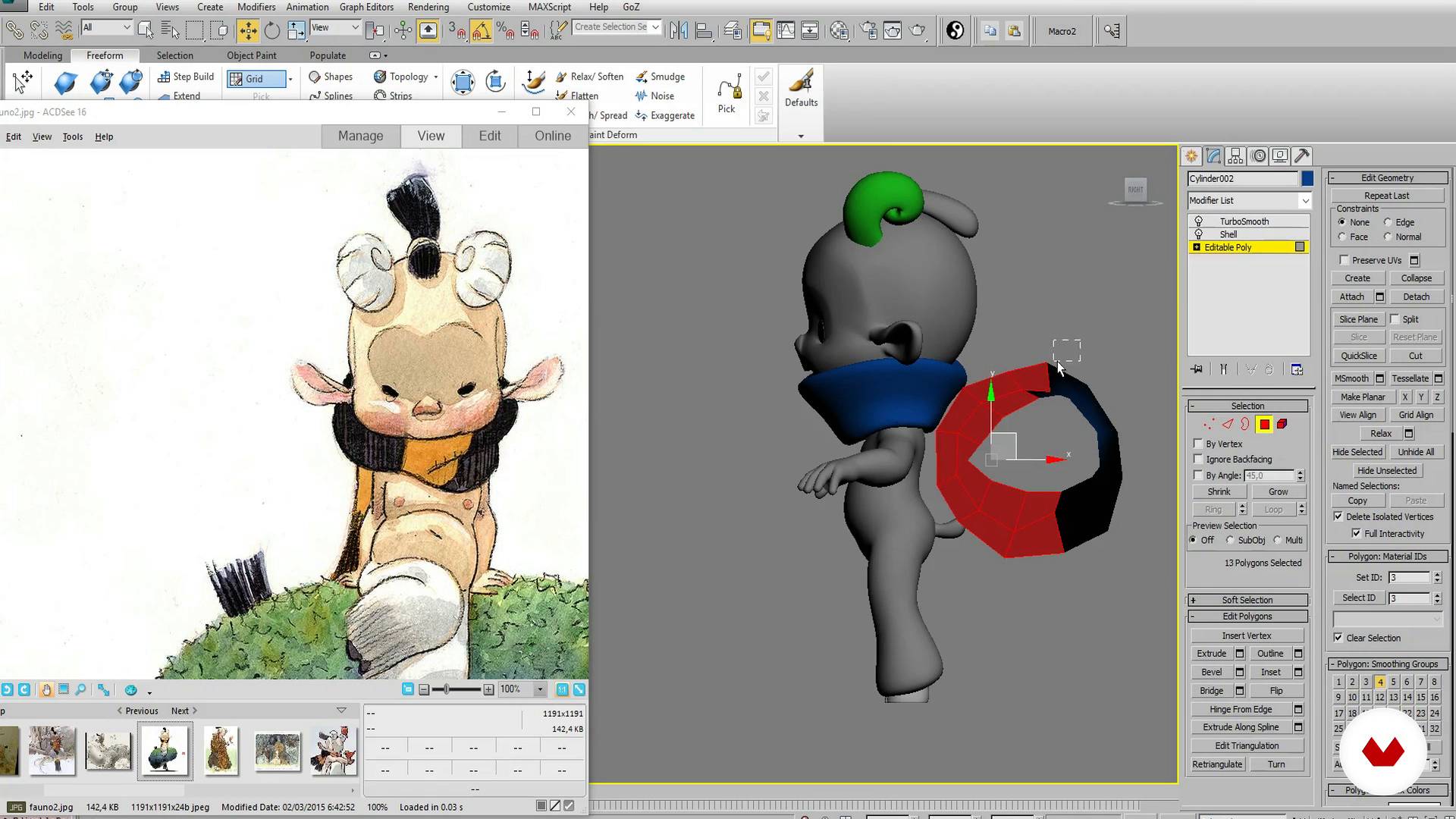
Detailed and sculpted II
17 dakika, 25 saniye
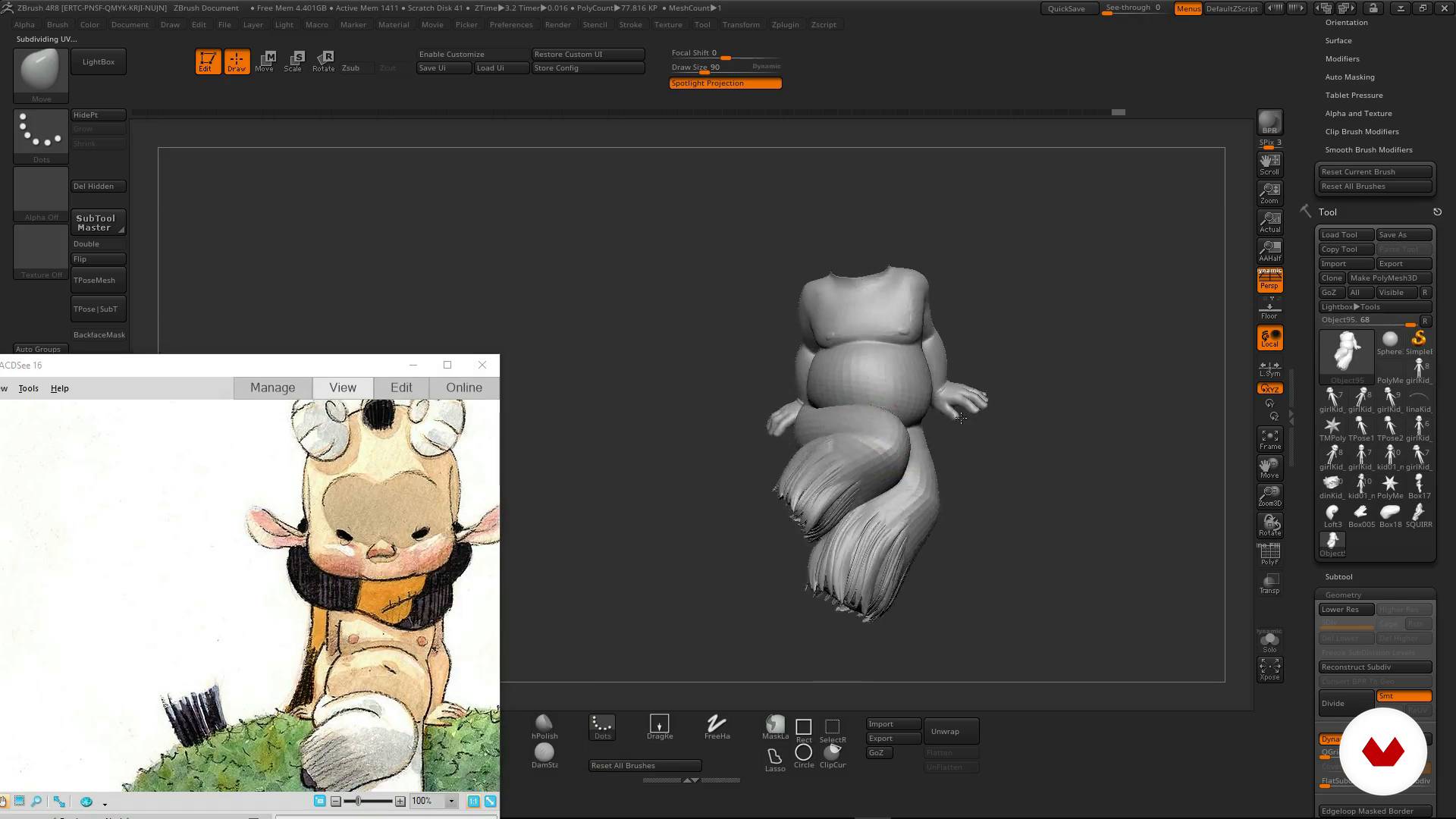
Landed
12 dakika, 30 saniye
Bu kursa neler dahil?
Get started by exploring Juan Solís's work and his influences as he gives you a tour of the projects and artists that have inspired him.
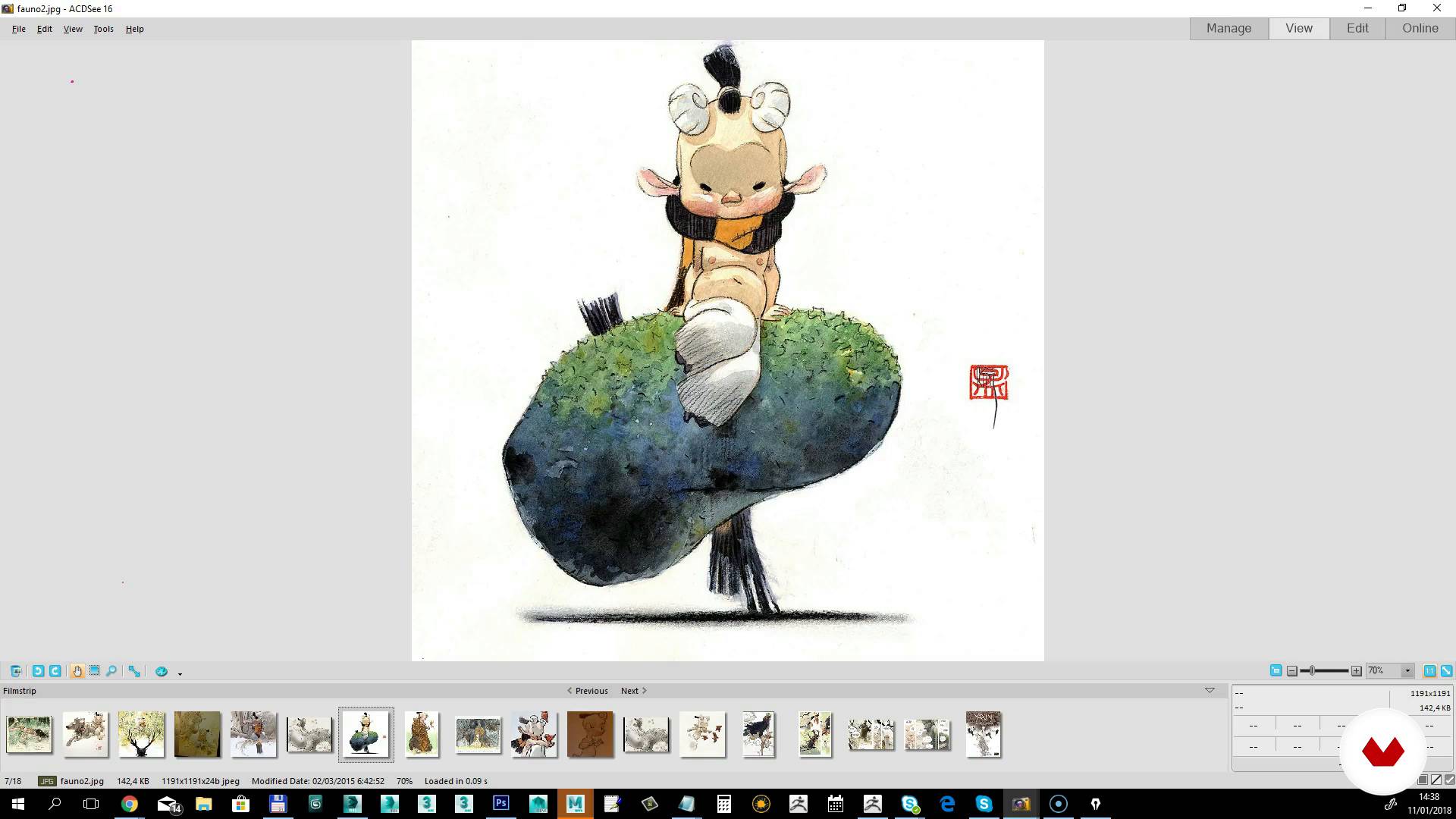
Learn to analyze a brief and search for references to define the look and feel of your project and sketch out a first draft of your character.
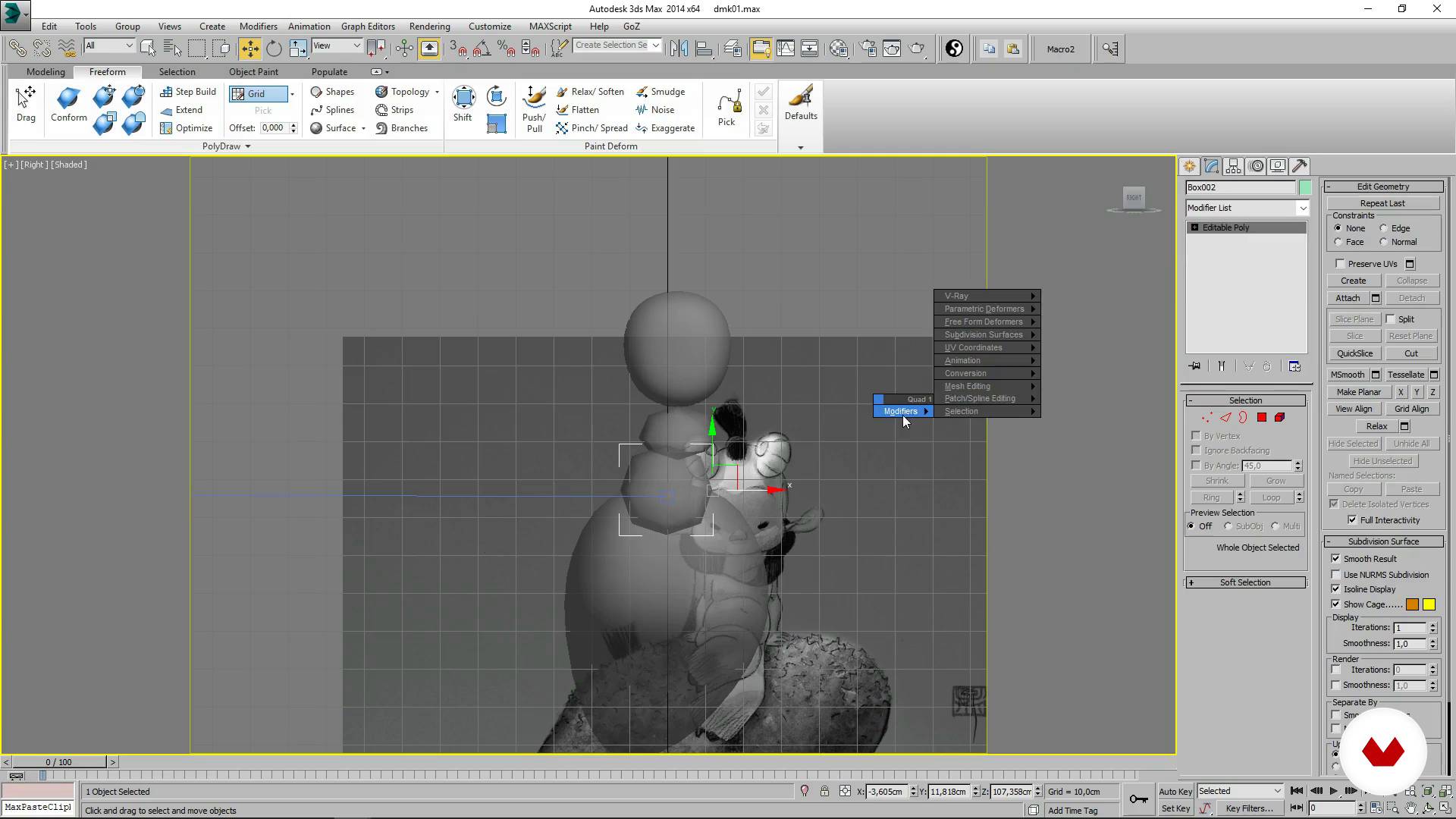
Next, start modeling by blocking in your character's basic shapes, ensuring its proportions are correct. Move on to the sculpting phase to add detail to your character and shape its pose.
Once you've finished this first stage, prepare a presentation for your client with a turnaround animation and various stills depicting the character from different angles.
Then take a deep dive into more technical aspects, making corrections to the character's topology and UVs to prepare it for painting.
To tie everything together, Juan Solís provides some tricks you can apply to model your 3D cartoon characters in a more professional way.
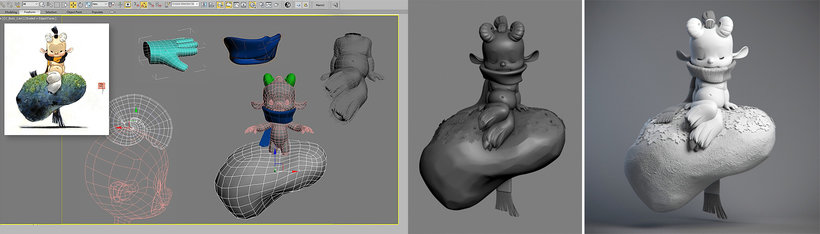
Bu kurs için önerilen yazılım ve araçlar
Bu kursun projesi nedir?
Model a 3D character, from the initial concept to its final pose, and prepare it for an animated production.
Kurs öğrencilerinin projeleri


Bu çevrimiçi kurs kimlere yöneliktir?
Character designers and creators with prior modeling experience who want to master the workflow involved in creating 3D characters for any type of professional production.
Gereksinimler ve materyaller
You need a computer with 3D modeling software (such as 3ds Max, Maya, or Blender) and ZBrush, as well as a basic working knowledge of these programs. A graphics tablet is also recommended.

Yorumlar
- 16 gün önce
El curso fue bueno, el instructor proporcionó una guía detallada y los conocimientos adquiridos generales.
- graficstudio_90PLUS3 ay önce
escelente curso lo vi en plus gratis decidi comprarlo
- 3 ay önce
Great course.
- 5 ay önce
The course was good, the instructor provided detailed guidance, and the knowledge gained can be applied to Blender software.
- 1 yıl önce
Genial directo a lo que necesites saber si tienes conocimiento previos.

İçerik
- U 1
Introduction
- Presentation
- Influences
- U 2
Charge
- Briefing
- Search for references and look and feel
- U 3
We start modeling!
- The lace
- Detailed and sculpted I
- Detailed and sculpted II
- Landed
- Render and presentation to the client
- U 4
Final modeling and delivery
- Final topology
- Uvs for production
- Analysis of the work done and advice
- FP
Bitirme projesi
- Cartoon character modeling for production
Bir Domestika kursundan neler beklenebilir?
Kendi hızınızda öğrenin
Belirli bir program olmadan ve takip edilmesi kolay bir yöntemle evden öğrenmenin tadını çıkarın. Kendi hızınızı kendiniz belirlersiniz.
En iyi profesyonellerden öğrenin
Yaratıcı sektörün en iyi uzmanlarının açıkladığı değerli yöntem ve teknikleri öğrenin.
Uzman öğretmenlerle tanışın
Her uzman, her derste açık yönergelerle, gerçek tutkuyla ve profesyonel anlayışla en iyi yaptıkları şeyi öğretir.
Sertifikalar
PLUSPlus üyesiyseniz her kurs için öğretmeninizden imzalı bir özel sertifika alın. Portföyünüzde, sosyal medyada veya istediğiniz yerde paylaşın.
Ön sıra koltukları alın
En yüksek kalitede videolar sayesinde tek bir ayrıntıyı kaçırmazsınız. Sınırsız erişim sayesinde tekniğinizi mükemmelleştirmek için bunları istediğiniz kadar izleyebilirsiniz.
Bilgi ve fikirleri paylaşın
Sorular sorun, geri bildirim isteyin veya çözümler sunun. Öğrenme deneyiminizi topluluktaki, yaratıcılığa sizin kadar tutkulu olan diğer öğrencilerle paylaşın.
Küresel bir yaratıcı toplulukla bağlantı kurun
Topluluk, dünyanın her yerinden meraklı ve yaratıcılıklarını keşfetme ve ifade etme konusunda tutkulu milyonlarca insana ev sahipliği yapıyor.
Profesyonelce hazırlanmış kursları izleyin
Domestika, yüksek kaliteli bir çevrimiçi öğrenme deneyimi sağlamak için öğretmen kadrosunu seçer ve her dersi kendi bünyesinde üretir.
SSS
Kurs, temel 3D modelleme bilgisi olan ve karikatür karakterlerde yeteneklerini geliştirmek isteyenler için uygun; yani orta seviye için ideal.
3D modelleme ve 3D Studio veya ZBrush gibi yazılımları temel düzeyde kullanabilme bilgisine sahip olmalısınız ki içeriği rahat takip edebilin.
3D Studio (3ds Max) ve ZBrush erişiminiz olmalı, ayrıca bu programları çalıştırabilecek bir bilgisayar ve görsel referanslar için internet bağlantısı gerekiyor.
Karikatür karakter tasarlamayı, modellemeyi, dokulamayı ve render almayı öğreneceksiniz; profesyonel üretim için topoloji ve UV optimizasyonu yapacak, görsel referansları kullanacak ve karikatür anatomisi ile stilizasyon tekniklerini uygulayacaksınız.
Pinterest gibi platformlarda görsel referansları nasıl bulup düzenleyeceğinizi, stilleri analiz etmeyi ve konsept sanatçıları ile heykel örneklerinden ilham almayı öğretiyor.
Karikatür modelleme stilize, net siluetler ve ifade dolu oranlara öncelik verirken, gerçekçi modelleme anatomiyi ve doğal detayları birebir taklit etmeye çalışır.
Topolojiyi optimize etmeyi, düzenli UV haritaları oluşturmayı ve animasyon, dokulama ile rigging işlemlerini kolaylaştıracak ayarlamalar yapmayı öğreneceksiniz.