
3D Illustration with Cinema 4D
A course by Aarón MartínezDesigner și ilustrator
A course by Aarón Martínez, Designer și ilustrator

Learn to create compositions integrating characters and typography, from the sketch to the final render
Perhaps, the name of Aaron Martinez-illustrator and 3D designer-is familiar to you from other courses such as Design of characters in Cinema 4D: from sketch to 3D printing or Prototyping and product visualizations in Cinema 4D . In them I taught you to design behind the screen, and in this course, in addition to teaching you how to create 3D illustrations in Cinema 4D, it will show you how to use in different media.
You will learn about their 3D illustration process, from the creation of an idea to the final render. In addition, it will explain how to adapt your design to different media: a printed poster, a moving poster, banners for social networks and stickers.
Ce vei învăța în acest curs online?
1 lecție & 1 descărcare
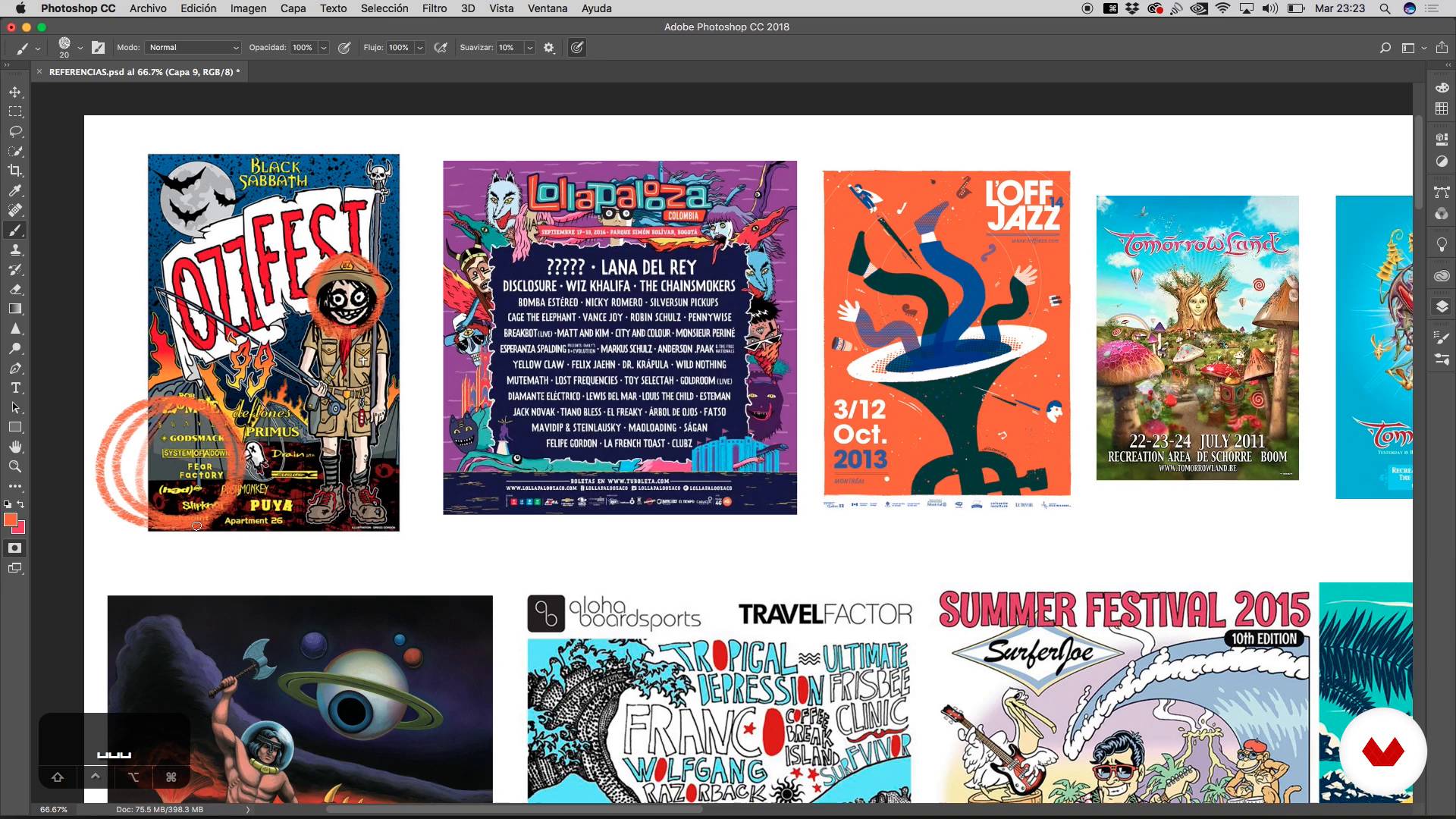
References
1 minut, 1 secundă
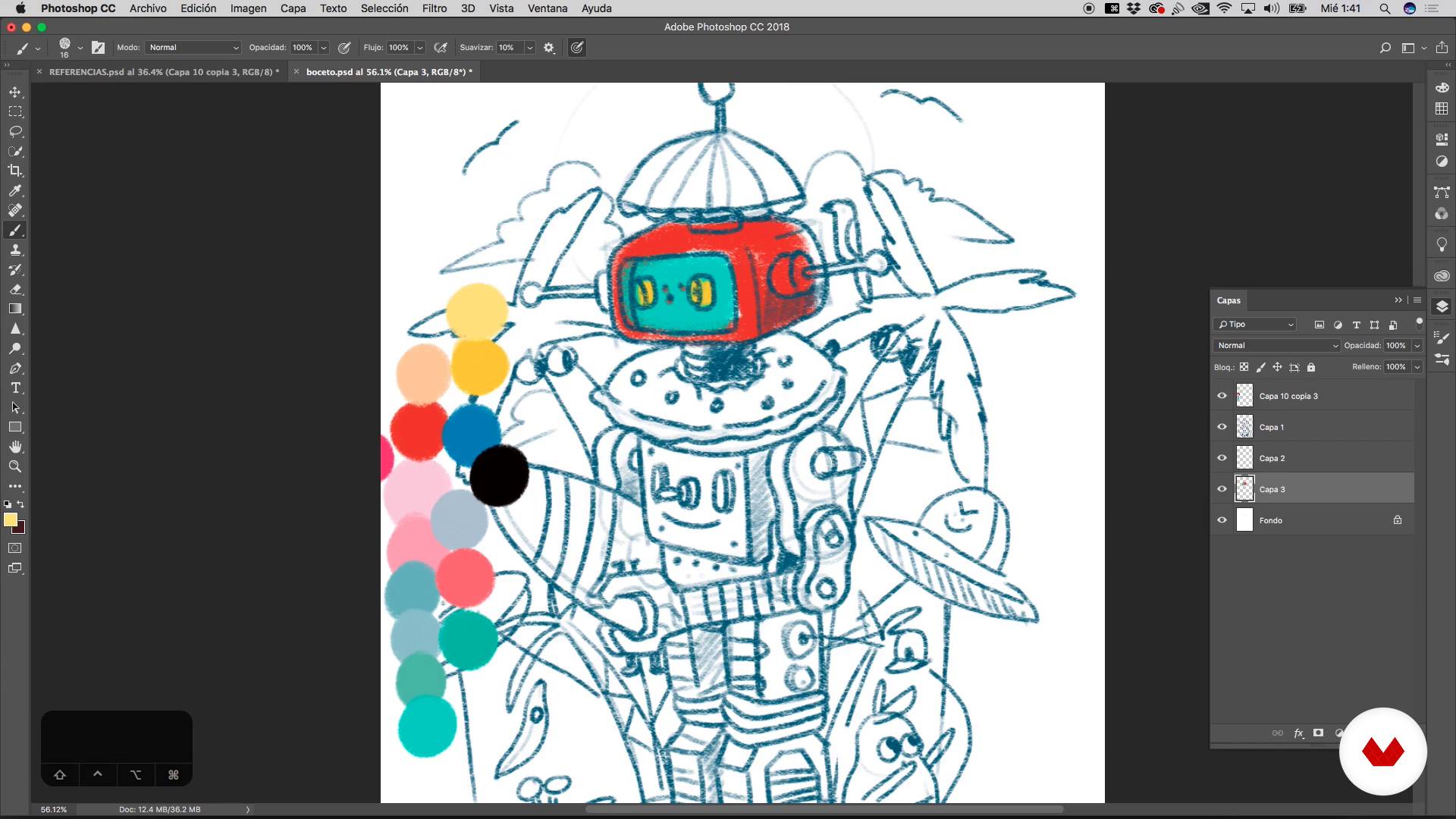
Sketch
1 minut, 1 secundă
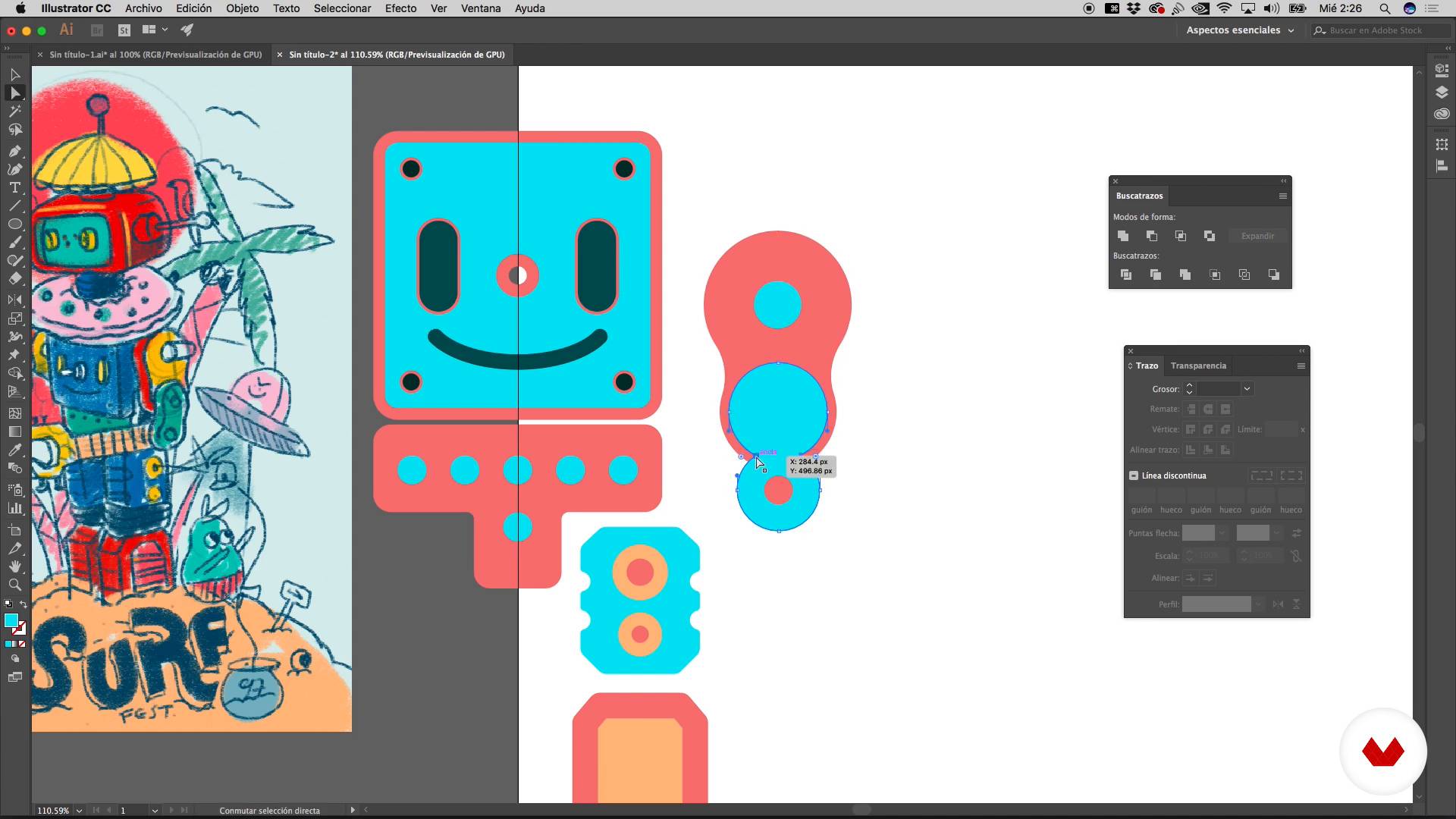
Vectorization
1 minut, 1 secundă
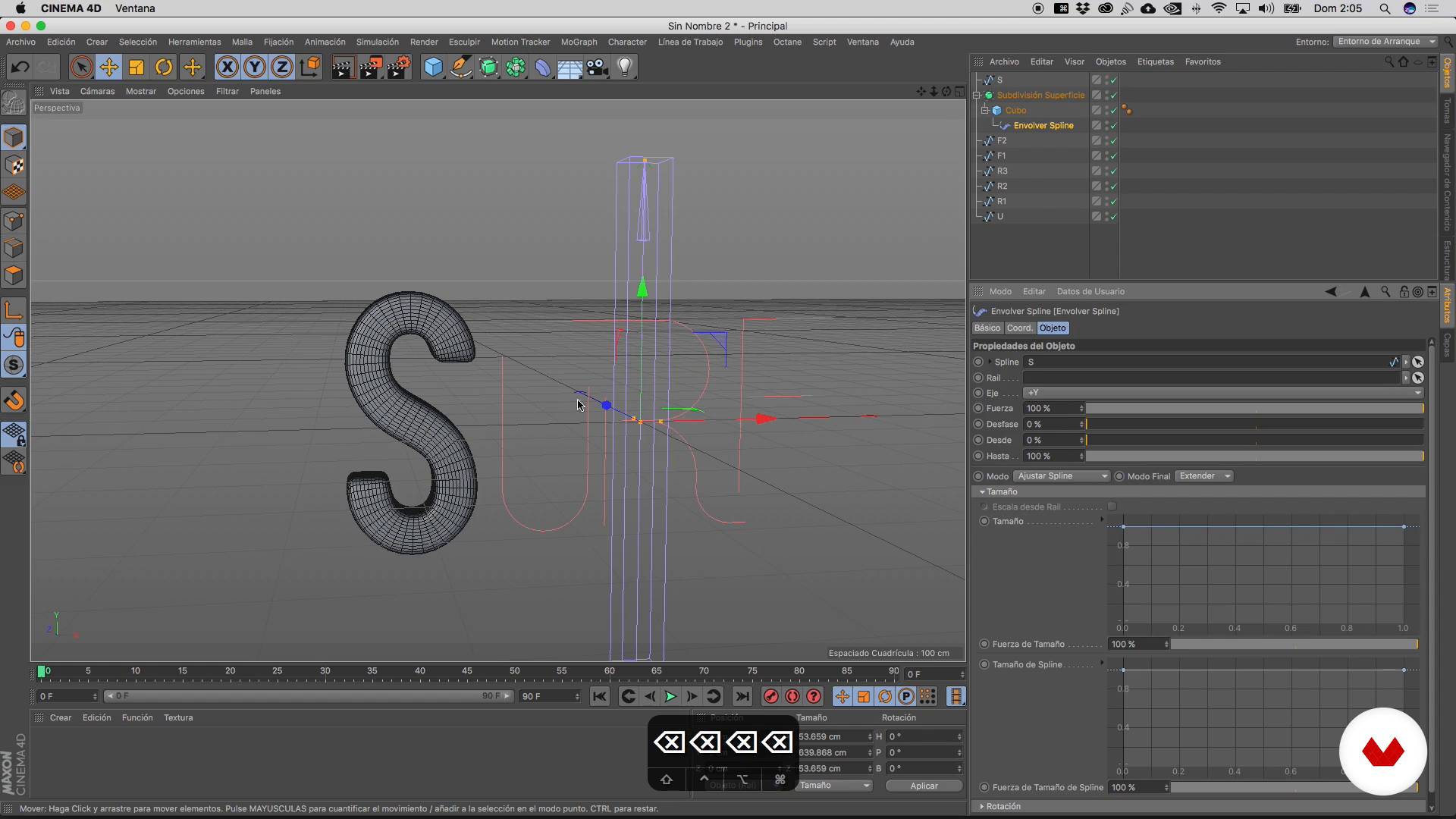
Typography
1 minut, 1 secundă
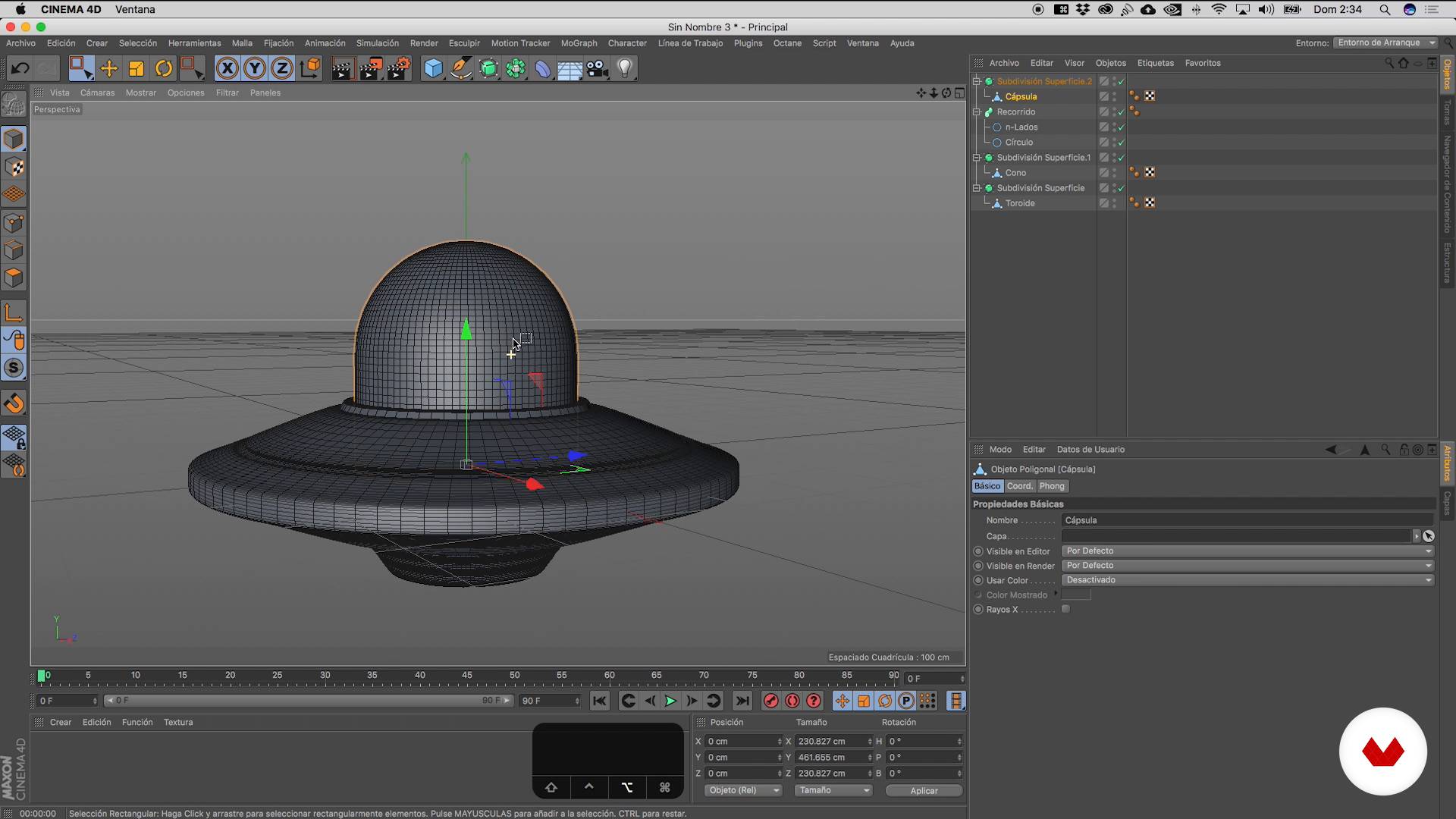
Simple elements I
1 minut, 1 secundă
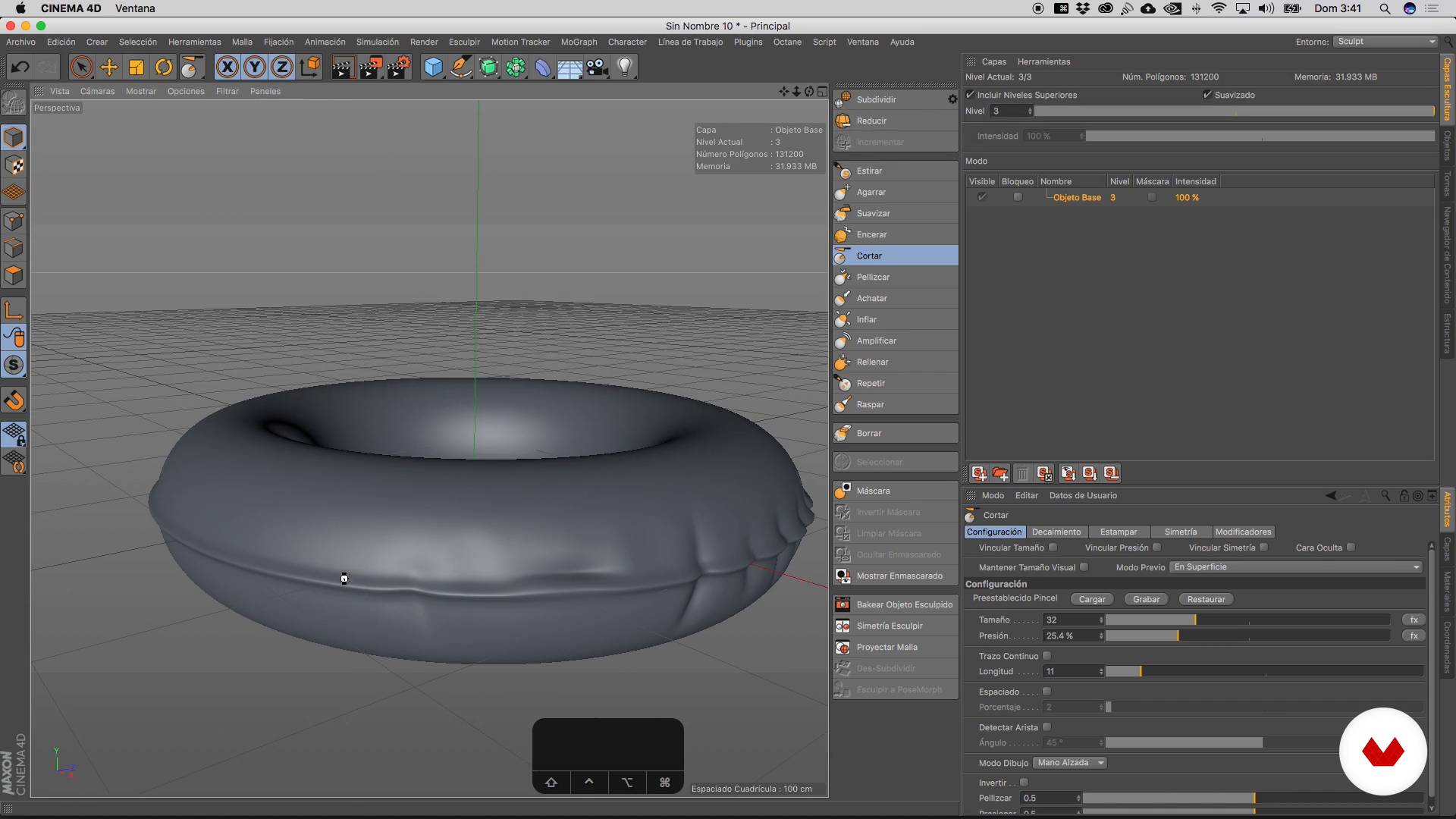
Simple elements II
1 minut, 1 secundă
Ce include acest curs?
You will start knowing the work of Aaron Martinez and will talk about what inspires him most. Then, you will carry out your moodboard, collecting the ideas that will help you shape your illustration.
Once you have clear what you want to do, you will make the first sketch, in which you will include the elements that will be part of your composition: simple, complex objects, typography and characters. And with this ready, you will begin to make your final illustration; some elements you will create from vectors and others you will make directly with Cinema 4D.
Next, you will bring your composition to life by animating all the elements. You will see how to add dynamism to the typography, objects and characters using deformers and morph pose.
You will make a render scene with Octane from scratch, you will generate materials and you will pass all the elements to Photoshop in order to generate an animated gif.
From this digital poster, you will also generate a file in CMYK to print your poster; create graphics for social networks from the elements of the poster, and even create a series of stickers with your characters.
Recommended software & tools for this course
What is this course's project?
You will make a digital illustration in 3D, where you will integrate characters, typography and various elements.

Proiecte ale studenților cursului


Who is this online course for?
To illustrators, designers and anyone interested in learning to illustrate in 3D.
Requirements and materials
Intermediate knowledge of Cinema 4D and Illustrator is necessary. In addition, you must have a computer with Cinema 4D R15 onwards, a rendering engine (Aaron will use Octane), Illustrator and Photoshop.

Recenzii
- 1 lună în urmă
Excelente curso, muy practico y divertido
- 2 ani în urmă
Excelente profesor muy practico, muy contento con el curso
- 3 ani în urmă
buen curso explica bien
- 4 ani în urmă
Muy bueno Aarón es muy bueno para explicar
- 4 ani în urmă
Si no tienes conocimientos previos es demasiado avanzado :(
Domeniul de aplicare al activității sale este foarte larg și se întinde de la crearea de imagini pentru media tipărită până la design web și imprimare 3D.
...
Conţinut
- U 1
Introduction
- Presentation
- Influences
- U 2
Base of the poster
- References
- Sketch
- Vectorization
- U 3
Modeling elements
- Typography
- Simple elements I
- Simple elements II
- Complex elements I
- Complex elements II
- Characters I
- Characters II
- Personality I
- Personality II
- U 4
Composition and finishes
- Poster composition
- Render scene
- Creation of materials
- Final framing
- U 5
Movement
- Encouraging Typography
- Moving the elements
- Moving the characters
- U 6
Render and exit to media
- Animation rendering
- Output for printing
- Banners
- Stickers
- FP
Proiect final
- x 3D illustration in Cinema 4D
La ce să te aștepți de la un curs Domestika
Învață în ritmul tău propriu
Bucură-te de învățarea de acasă, fără un program fix și cu o metodă ușor de urmat. Tu îți stabilești propriul ritm.
Învață de la cei mai buni profesioniști
Învață metode și tehnici valoroase explicate de experți de top din sectorul creativ.
Întâlnește profesori experți
Fiecare expert predă ceea ce face cel mai bine, cu îndrumări clare, pasiune adevărată și perspicacitate profesională în fiecare lecție.
Certificates
PLUSIf you're a Plus member, get a certificat personalizat signed by your teacher for every course. Share it on your portfolio, social media, or wherever you like.
Obțineți locuri în primul rând
Videoclipuri de cea mai înaltă calitate, pentru a nu rata niciun detaliu. Cu acces nelimitat, le poți viziona de câte ori este nevoie pentru a-ți perfecționa tehnica.
Împărtășește cunoștințe și idei
Pune întrebări, solicită feedback sau oferă soluții. Împărtășește-ți experiența de învățare cu alți studenți din comunitate care sunt la fel de pasionați de creativitate ca și tine.
Conectează-te cu o comunitate creativă globală
Comunitatea găzduiește milioane de oameni din întreaga lume, curioși și pasionați de explorarea și exprimarea creativității lor.
Urmărește cursuri produse profesional
Domestika își gestionează lista de profesori și produce fiecare curs intern pentru a asigura o experiență de învățare online de înaltă calitate.
Întrebări frecvente
You’ll learn how to conceptualize, sketch, model, animate, and render 3D scenes and characters, blending typography and visual elements into digital and print compositions using Cinema 4D, Octane, and Illustrator.
This is an intermediate-level course, and it’s recommended that you have basic illustration skills and some experience with programs like Cinema 4D and Illustrator.
You’ll need a compatible computer, Cinema 4D R15 or later, Octane Render, and Adobe Illustrator. Photoshop is also recommended for post-production and exporting animations.
Animation is done using deformation techniques, pose morphs, spline paths, keyframes, and hierarchies to bring both typography and custom characters to life in 3D scenes.
Yes, this course prepares you to design versatile characters, mascots, and environments tailored for video games, advertising campaigns, mobile apps, and other commercial formats.
You’ll learn how to set up materials, lighting, and cameras in Octane Render, fine-tuning settings to produce realistic, high-quality images for your 3D projects.
The course covers exporting files in CMYK format, adjusting resolution and dimensions, and preparing layouts ready for printing stickers, covers, and commercial posters.