Stop Motion: animacja klatka po klatce
A course by Coke Riobóo y Lourdes VillagómezArtyści
A course by Coke Riobóo y Lourdes Villagómez, Artyści

Stwórz swój własny film animowany za pomocą plasteliny, piasku lub wycinanek
Together, Goya award-winning musician, composer, and animator Coke Riobóo and Lourdes Villagómez, animation director and producer who has worked for Fundación Telefónica and the Reina Sofía Museum, teach you different stop motion techniques so you can make your own films at home, with homemade materials and without the need for a large budget.
Czego nauczysz się na tym kursie online?
llekcji: 19 & liczba dodatkowych zasobów: 14
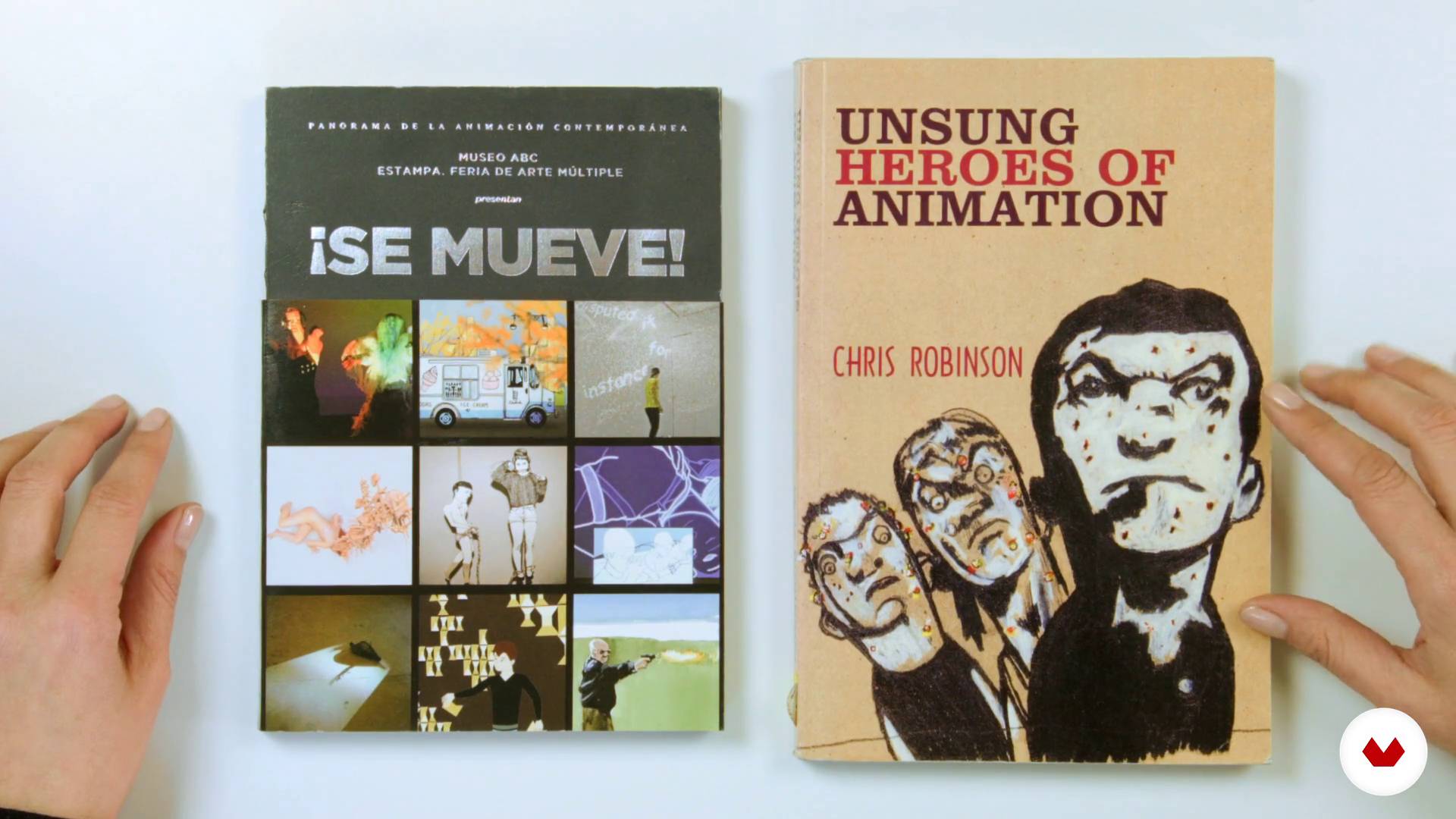
Lourdes & influences
8 min, 28 sek.
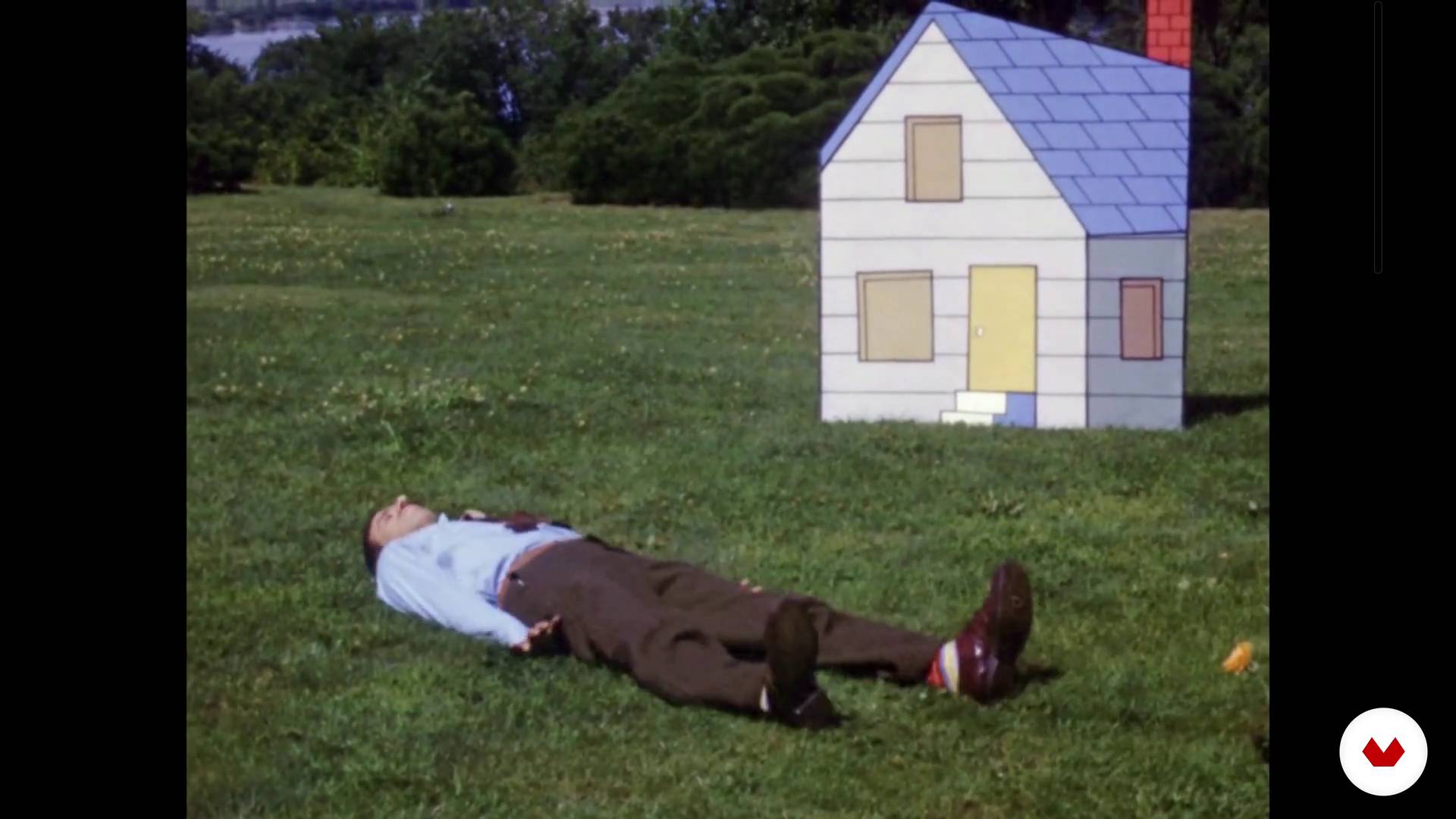
Brief personal history of stop motion
11 min, 38 sek.
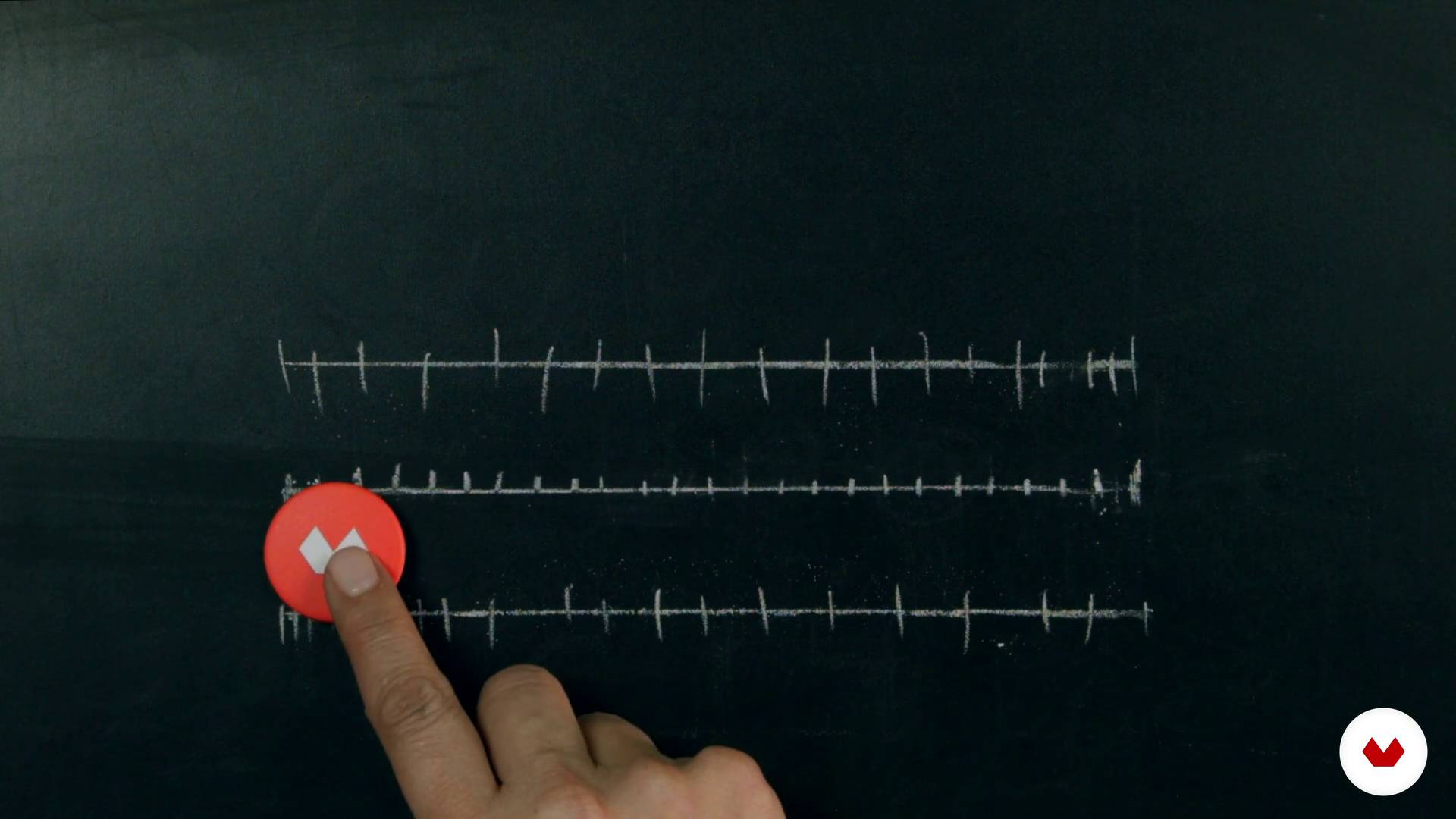
Basic concepts of animation
7 min, 55 sek.
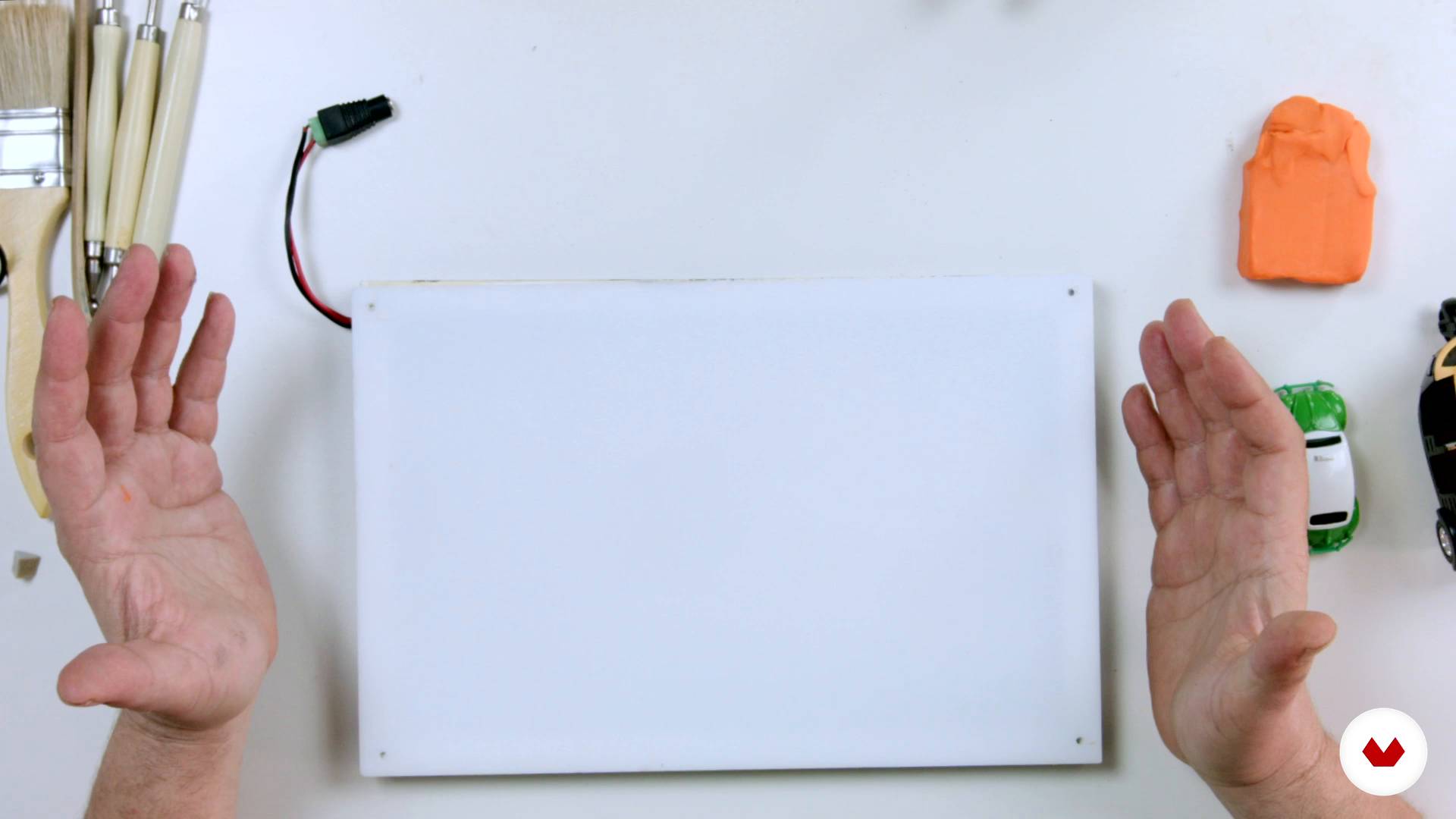
Materials and tools
9 min, 42 sek.
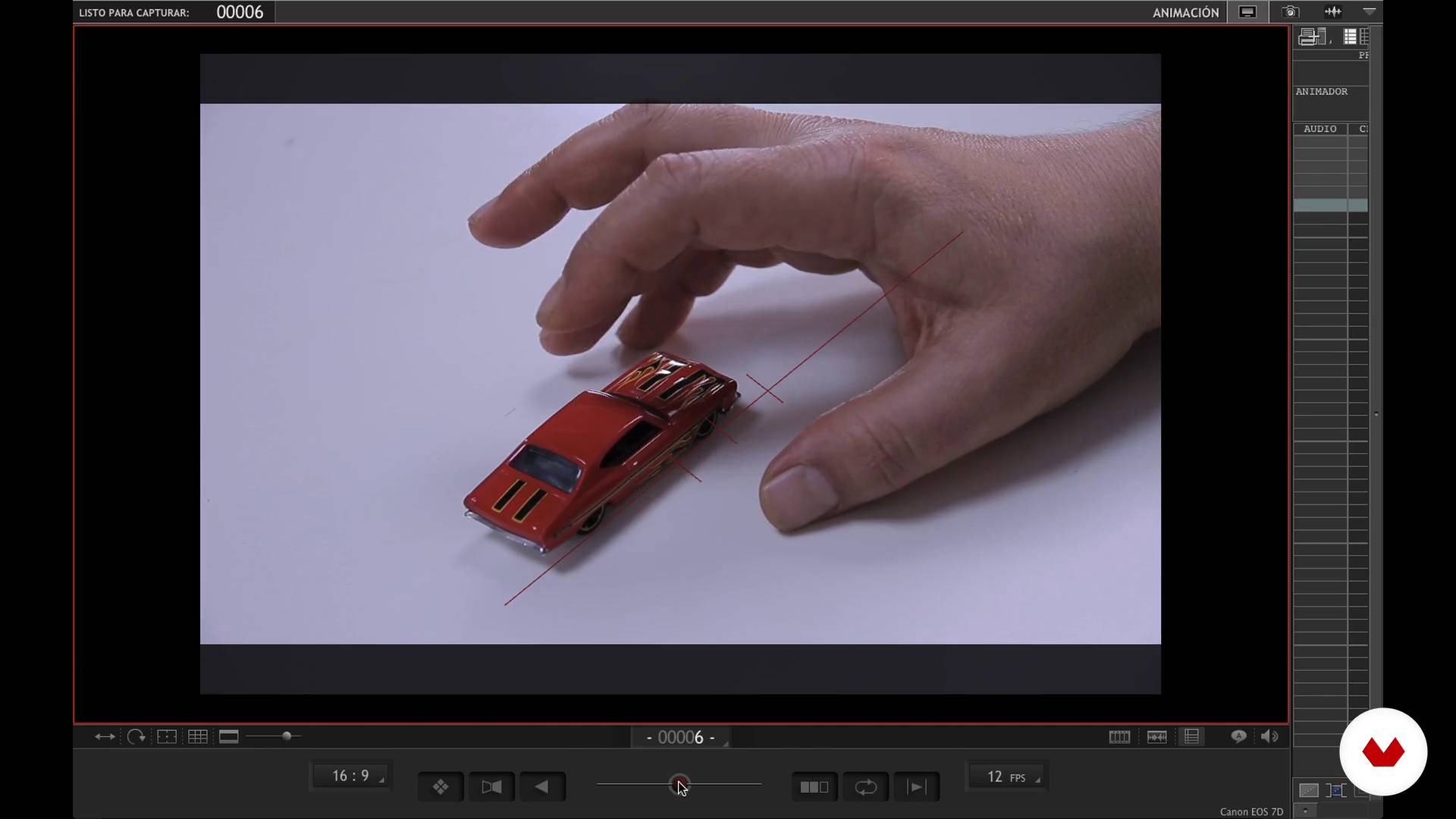
Animation software
18 min, 36 sek.
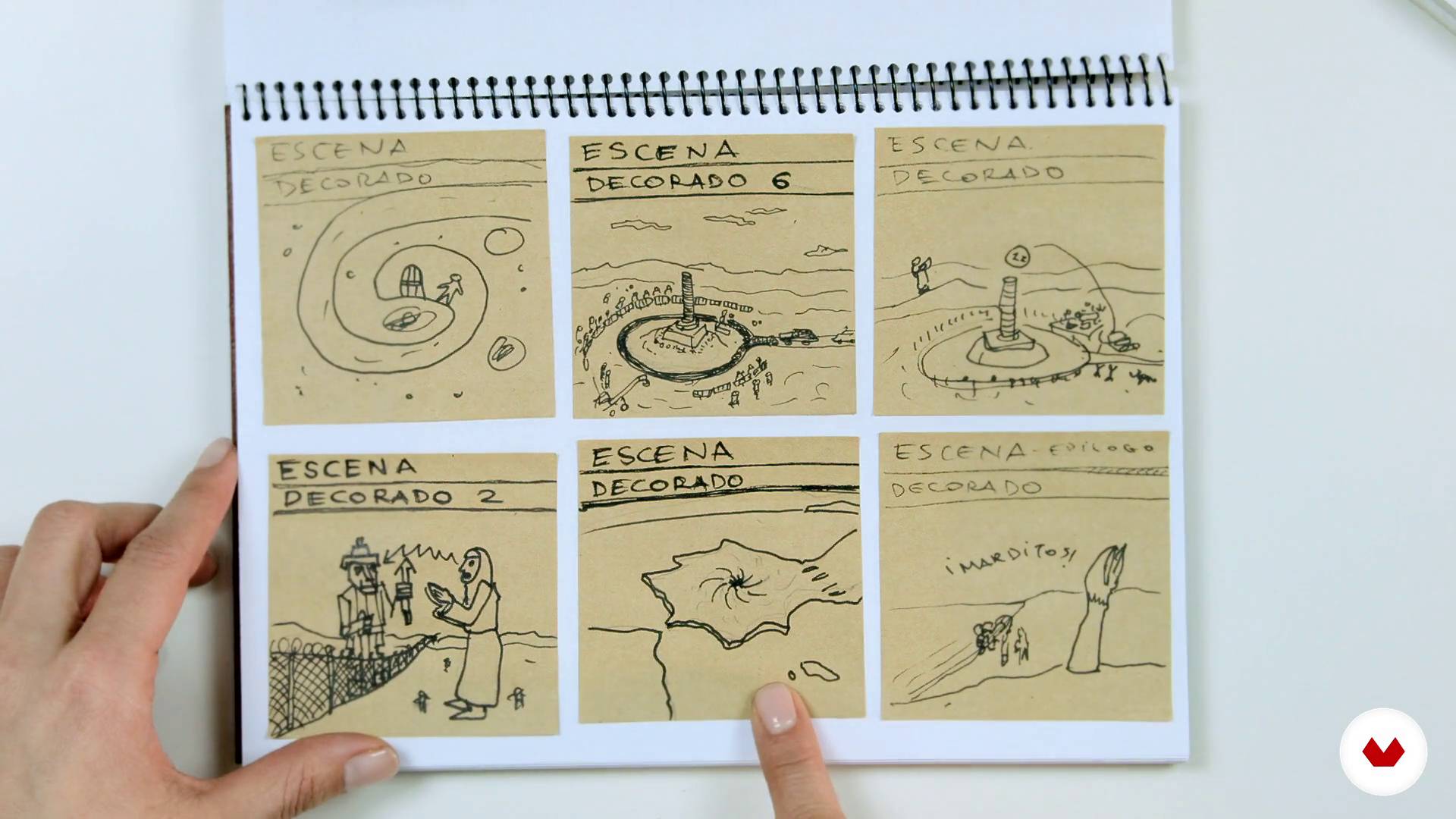
Create a story concept and storyboard
5 min, 32 sek.
Co obejmuje ten kurs?
Begin by learning more about the work and influences of Coke and Lourdes and get a brief introduction to the history of stop motion and its different techniques.
Discover some basic animation concepts like how to create movement through variations in size, color, shape, and position, what frame rate, continuous movement, acceleration, and deceleration are, as well as the materials and tools necessary to make your first animated piece and the essential software.
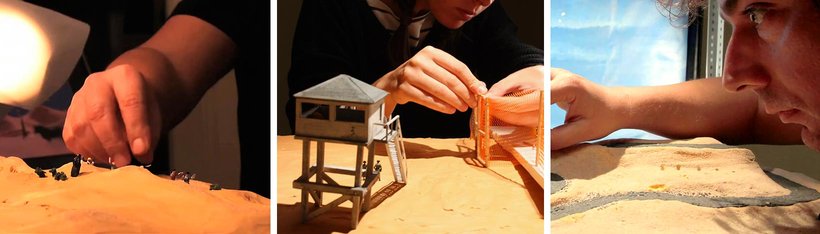
Now it's time to get to work! Start by defining the concept and putting together a storyboard. Then learn to make basic animations with different mediums: objects, cutouts, sand, and modeling clay on a light table, and how to use them to bring your stories to life.
To wrap up the course, your teachers give some final tips on how to apply for grants and the process for participating in festivals.
Recommended software & tools for this course
What is this course's project?
Create a bumper or short animation (10-20 seconds long) using the technique and theme of your choice. It could be an animated note, an event announcement, a piece of microfiction—the choice is yours!
Projekty uczestników kursu


Who is this online course for?
Artists, illustrators, students, and creatives in general, who want to set their ideas in motion and create their own films without a large budget or expensive production equipment.
Requirements and materials
No previous experience with drawing, modeling, or sculpture is necessary to take the course, although basic notions of photography, digital retouching, and video and audio editing would make for more professional results. In terms of materials, you need a series of household objects. You also need aluminum wire, but you can also substitute for some common materials you already have on hand. As for equipment, it's essential to have a worktable, a computer, a camera (web or any digital camera), a tripod, and a couple of homemade lights. During the course, you work with the Dragonframe program, but your teachers also give several different software options for capturing the frames, editing them, and adding audio.

Oceny
- 3 miesiące temu
Curso extraordinario y divertido. Desarrolla tu cretividad de forma ludica.
- mip65PLUS5 miesięcy temu
El curso es ¡¡¡EXCELENTE!!! Muy bien explicado. Gracias
- 8 miesięcy temu
Es un curso muy entretenido, con herramientas muy útiles para iniciar en la animación.
- 9 miesięcy temu
muy buen curso para iniciar en el stop motion
- 11 miesięcy temu
Interesting course.

Skomponował ścieżkę dźwiękową do wielu filmów krótkometrażowych i trzech filmów fabularnych, był laureatem nagrody Goya za El Viaje de Said (2007) oraz nominacji Goya za Made in Spain w 2017 roku.
Lourdes Villagómez jest niezależnym reżyserem i producentem animacji. Studiował animację eksperymentalną w CalArts (Los Angeles), a jego prace były prezentowane na różnych festiwalach, muzeach i galeriach na całym świecie.
Wyprodukowała projekty dla takich klientów jak Fundación Telefónica i Museo Reina Sofía, aw 2008 roku została nominowana do nagrody Ariel za swój film krótkometrażowy Síndrome de Línea Blanca (2003).
W 2008 roku stworzyli LIA (Laboratorium Animowanego Obrazu), warsztaty objazdowe, w których uczą animacji na całym świecie.
Zawartość
- Cz.1
Introduction
- Presentation
- Coke & influences
- Lourdes & influences
- Brief personal history of stop motion
- Cz.2
Beginning lesson
- Basic concepts of animation
- Materials and tools
- Animation software
- Cz.3
Let's do it
- Create a story concept and storyboard
- Characters and sets
- Animation of objects I
- Animation of objects II
- Animation of cut-outs I
- Animation of cutouts II
- Animation with cutouts III
- Animation of sand and plasticine on glass I / I
- Animation of sand and plasticine on glass I / II
- Animation of sand and plasticine on glass II / I
- Animation of sand and plasticine on glass II / II
- Cz.4
Final recommendations
- How to look for grants and festivals
- PK
Projekt końcowy
- Stop Motion: frame by frame animation
Kurs Domestika - czego możesz się spodziewać?
Nauka we własnym tempie
Radość z nauki w domu, bez wyznaczonych terminów. Szybko przyswajasz wiedzę, a swój plan zajęć układasz wedle uznania.
Nauka z najlepszymi ekspertami
Przydatne metody oraz ciekawe techniki przedstawione i wyjaśnione przez najlepszych specjalistów z branży kreatywnej.
Doświadczeni prowadzący
Wszyscy prowadzący są specjalistami w swojej dziedzinie. Przekazują wiedzę z pasją, tłumaczą zagadnienia w jasny sposób, a podczas zajęć kładą nacisk na praktyczne zastosowanie zdobytej wiedzy.
Certificates
PLUSIf you're a Plus member, get a spersonalizowany certyfikat signed by your teacher for every course. Share it on your portfolio, social media, or wherever you like.
Miejsca w pierwszym rzędzie
Wysoka jakość wideo sprawia, że nie umknie Ci żaden szczegół. Dzięki nieograniczonemu dostępowi możesz obejrzeć nagrania tyle razy, ile potrzebujesz, aby przyswoić nowe umiejętności.
Dzielenie się wiedzą i pomysłami
Zadawaj pytania, nie wahaj się poprosić o opinię czy poszukać rozwiązania. Podziel się swoimi wrażeniami z nauki z pozostałymi członkami społeczności, którzy tak jak Ty uwielbiają tworzyć.
Łączność z kreatywną społecznością z całego świata
Społeczność kilku milionów użytkowników z całego świata, pełnych ciekawości oraz chęci odkrywania i wyrażania swojej kreatywności.
Profesjonalna realizacja kursów
Domestika starannie dobiera prowadzących i produkuje wszystkie kursy we własnym zakresie, aby zapewnić wysoką jakość nauki online.
Często zadawane pytania
Experimental animation uses innovative techniques like collage, object manipulation, and stop motion, focusing on creativity and visual exploration rather than traditional hand-drawn or digital methods.
This is an intermediate-level course, perfect for those with basic animation or visual arts knowledge who want to explore experimental and stop motion techniques.
You’ll need accessible materials like clay, cardboard, everyday objects, a camera or phone, a lightbox (optional), LED strips, and software like Dragonframe or mobile stop motion apps.
You’ll learn to create animated shorts, manipulate objects and clay, plan projects, design characters, build sets, use lightboxes, sync audio, and apply visual storytelling and timing techniques.
You can use your phone for stop motion animation; the course shows you how to make the most of apps and accessible techniques without professional gear.
The course explores influences like Jan Švankmajer and techniques such as collage, object manipulation, and experimental animation to help you develop personal, surreal visual stories.
Internal consistency ensures all visual and narrative elements work together smoothly, making your short film easier to understand and more impactful, even if it’s abstract or surreal.