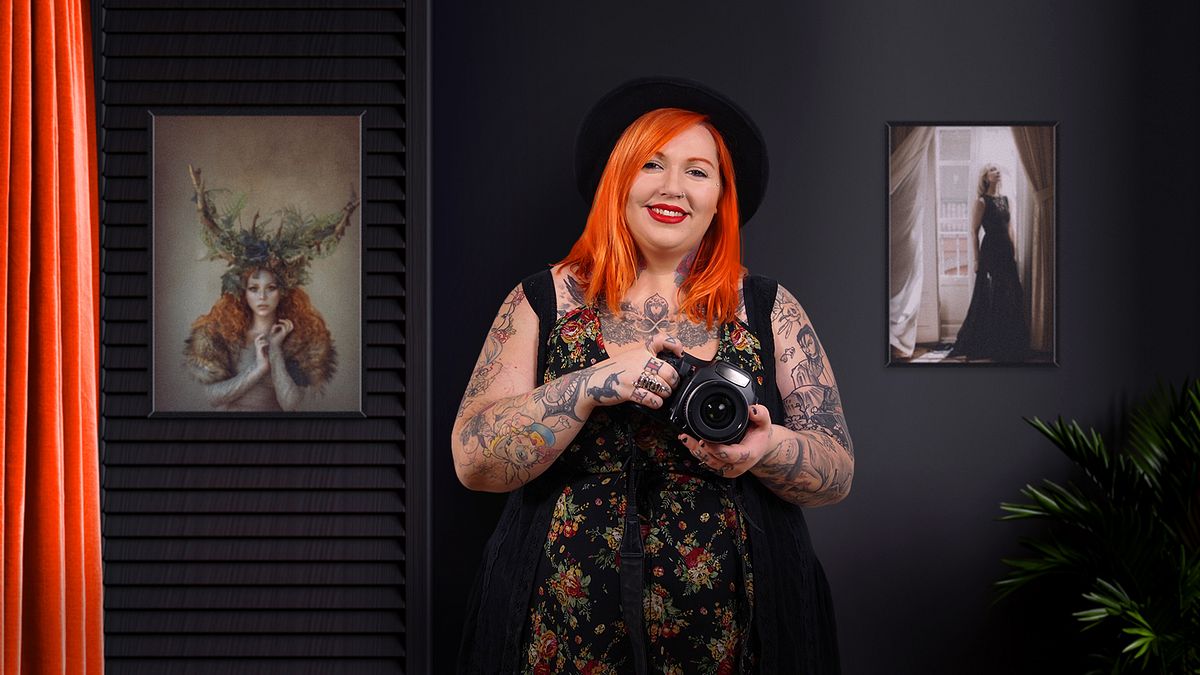
Fotografia mody i obróbka cyfrowa
Kurs prowadzi Rebeca SarayFotograf i retuszer
Kurs prowadzi Rebeca Saray, Fotograf i retuszer

Stwórz edytorial modowy – od pomysłu do publikacji
Looking to create professional fashion editorials in both color and black and white? Photographer and digital artist Rebeca Saray is ready to show you her step-by-step process for doing just that.
Follow along as she guides you through the pre-production of the idea, the materials you need, the process of casting and directing models, lighting techniques for color and black-and-white photography, and retouching techniques to prepare your images for publication.
Czego nauczysz się na tym kursie online?
llekcji: 21 & liczba dodatkowych zasobów: 9
What is a fashion editorial? Commission or own production
21 min, 2 sek.
Creative team
17 min, 56 sek.
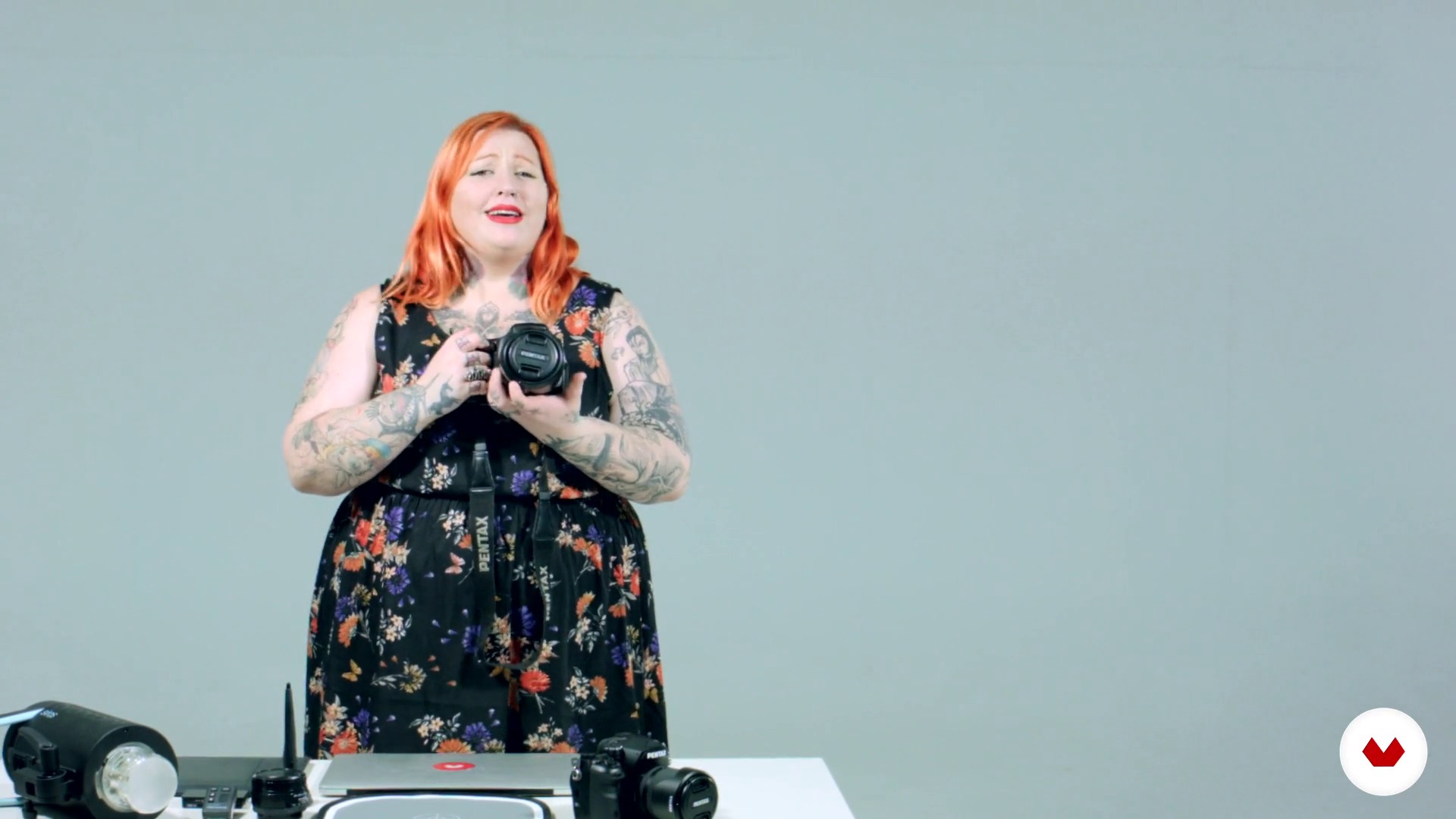
Technical team
3 min, 43 sek.
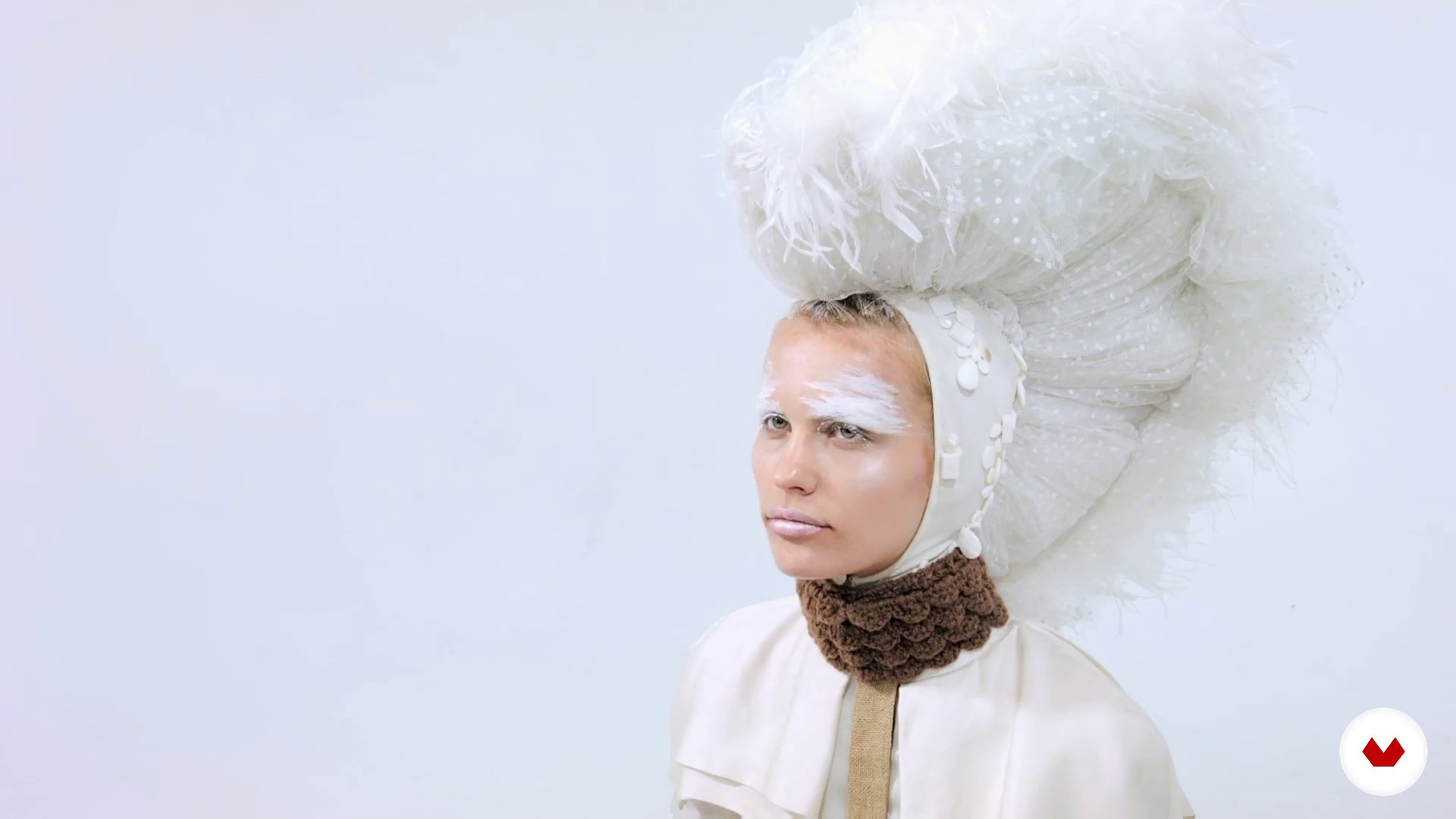
Teamwork
2 min, 20 sek.
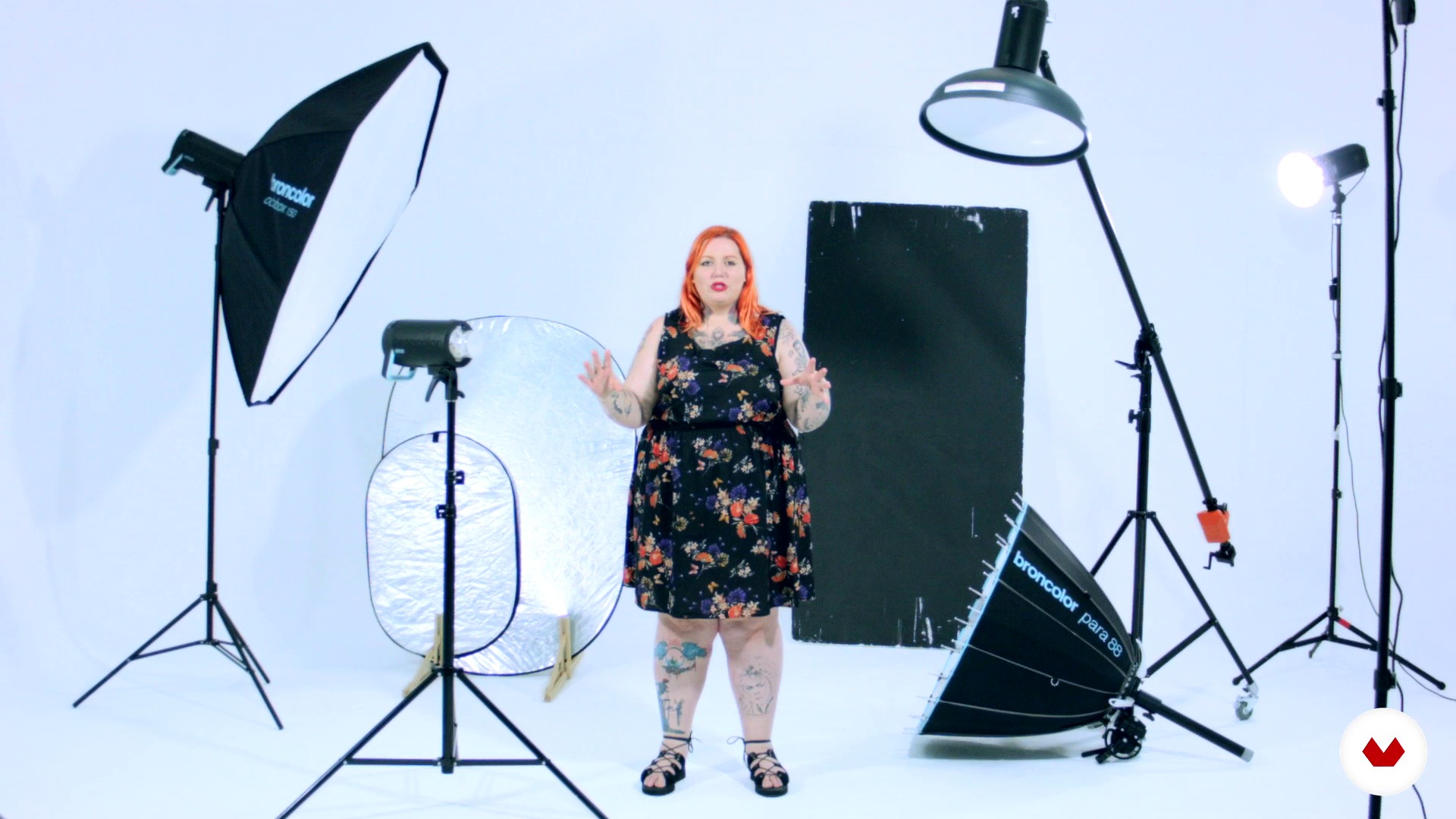
Lighting schemes and light tests
6 min, 13 sek.
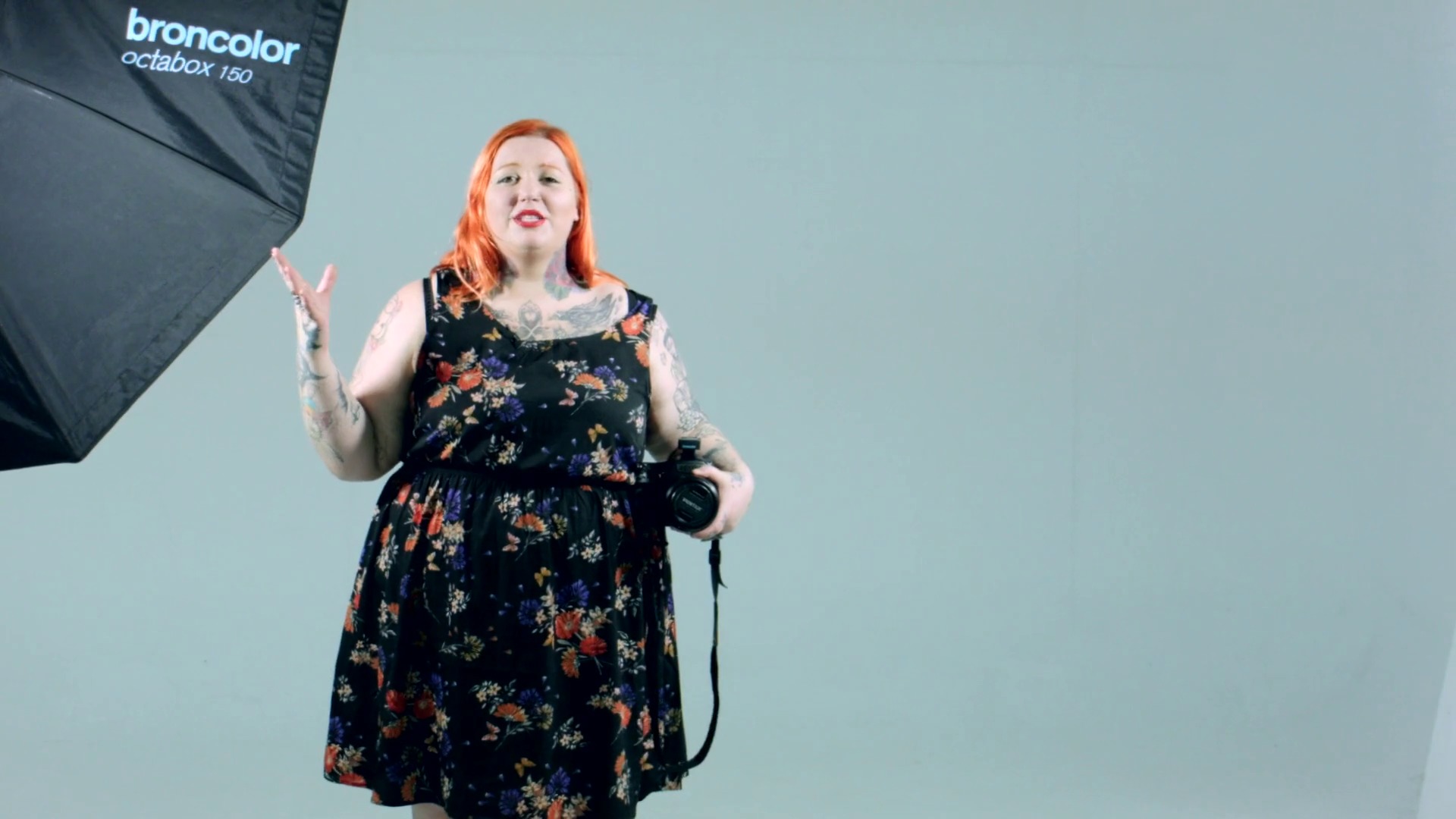
Tips before shooting in studio
6 min, 4 sek.
Co obejmuje ten kurs?
Kick off the course by learning more about fashion photographer Rebeca Saray, her career, and her influences.
Next, dig into the details of what a fashion editorial is and how to approach this type of assignment both in color and in black and white. Rebeca then introduces you to the different creatives involved in this team-based process and the materials you should have ready.
Before taking photos in the studio, Rebeca reviews some important elements to keep in mind, discusses lighting setups and the tests she performs, and offers some tips for photographing people.
Once your images are ready, learn to select the best ones and retouch them, taking full advantage of the possibilities the RAW format has to offer.
To close out the course, discover how to clean up backgrounds, blend and reframe photos, touch up skin imperfections, illuminate, correct color, add atmosphere, and prepare the final art in PDF so you can send it to magazines.
Zalecane oprogramowanie i narzędzia do tego kursu
Jaki jest projekt kursu?
Design, shoot, and edit a professional fashion editorial from the initial idea all the way up through preparing your material for publication.
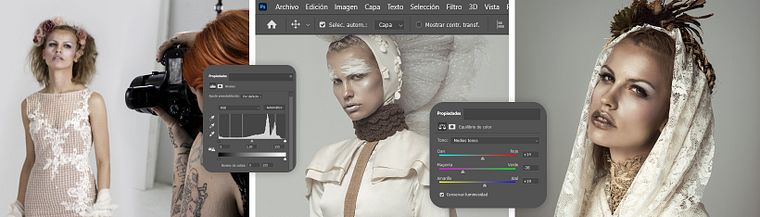
Projekty uczestników kursu


Do kogo jest skierowany ten kurs online?
Photographers; designers; fashionistas; specialists in editorial design, advertising, and brand identity; and anyone else who wants to dive into the world of fashion photography.
Wymagania i materiały
Previous knowledge of manual camera usage and basic retouching in Photoshop is required.
In terms of materials, you need a camera, an SD or Compac Flash card, a card reader, a computer, Photoshop, and Adobe Camera Raw. A graphics tablet is recommended but not essential.

Oceny
- 8 miesięcy temu
MUY BIEN EXPLICADO, TODO MUY ORGAAANIZADO Y DETALLADO
- luiselc16PLUS9 miesięcy temu
Muy buen curso
- rok temu
excelente curso nunca habia aprendido tanto
- rok temu
Una excelente referencia y muy impecable trabajo, claro y fácil de entender, muchísimas gracias
- rok temu
Muy buen curso, muy util

Zawartość
- Cz.1
Introduction
- Presentation
- Influences
- Cz.2
Preproduction
- What is a fashion editorial? Commission or own production
- Creative team
- Cz.3
Production
- Technical team
- Teamwork
- Lighting schemes and light tests
- Tips before shooting in studio
- Working with model- Acting. Editorial 1
- Working with model- Acting. Editorial 2
- Cz.4
Postproduction
- The selection
- The retouch
- Retouch from the Raw
- Background cleaning
- Liquify filter and reframe
- Skin Retouching I
- Skin Retouch II
- Illuminations
- Color correction
- Atmosphere and final finish
- Delivery of the work and preparation of the PDF to send to the magazines
- PK
Projekt końcowy
- Fashion photography and digital retouching
Kurs Domestika - czego możesz się spodziewać?
Nauka we własnym tempie
Radość z nauki w domu, bez wyznaczonych terminów. Szybko przyswajasz wiedzę, a swój plan zajęć układasz wedle uznania.
Nauka z najlepszymi ekspertami
Przydatne metody oraz ciekawe techniki przedstawione i wyjaśnione przez najlepszych specjalistów z branży kreatywnej.
Doświadczeni prowadzący
Wszyscy prowadzący są specjalistami w swojej dziedzinie. Przekazują wiedzę z pasją, tłumaczą zagadnienia w jasny sposób, a podczas zajęć kładą nacisk na praktyczne zastosowanie zdobytej wiedzy.
Certyfikaty
PLUSJeśli masz subskrypcję Plus, za każdy kurs otrzymasz spersonalizowany certyfikat podpisany przez prowadzącego. Udostępnij go w portfolio, w mediach społecznościowych lub gdziekolwiek chcesz.
Miejsca w pierwszym rzędzie
Wysoka jakość wideo sprawia, że nie umknie Ci żaden szczegół. Dzięki nieograniczonemu dostępowi możesz obejrzeć nagrania tyle razy, ile potrzebujesz, aby przyswoić nowe umiejętności.
Dzielenie się wiedzą i pomysłami
Zadawaj pytania, nie wahaj się poprosić o opinię czy poszukać rozwiązania. Podziel się swoimi wrażeniami z nauki z pozostałymi członkami społeczności, którzy tak jak Ty uwielbiają tworzyć.
Łączność z kreatywną społecznością z całego świata
Społeczność kilku milionów użytkowników z całego świata, pełnych ciekawości oraz chęci odkrywania i wyrażania swojej kreatywności.
Profesjonalna realizacja kursów
Domestika starannie dobiera prowadzących i produkuje wszystkie kursy we własnym zakresie, aby zapewnić wysoką jakość nauki online.
Często zadawane pytania
You’ll learn how to plan, produce, and retouch fashion editorials, integrating digital illustration, art direction, managing creative teams, and professional lighting and Photoshop editing techniques.
It’s designed for those with intermediate photography and editing skills; basic experience with manual camera settings and Photoshop is recommended.
You should have a basic understanding of photography, manual camera operation, and some digital editing knowledge, especially in Photoshop.
You’ll need a DSLR or mirrorless camera, interchangeable lenses, an external flash, reflectors, and access to a computer with Photoshop installed.
Yes, you’ll learn to work with natural light, continuous lighting, and flash in both studio and outdoor settings, adapting lighting setups to fit the visual story and styling.
Yes, the course covers everything from efficient workflow to professional skin retouching techniques, frequency separation, digital liquify, and color correction.
Yes, you’ll learn how to coordinate styling, makeup, models, and assistants, as well as manage professional communication and collaboration.