Vertel een stripverhaal met balpen
Een cursus van Miguel GallardoCartoonist en illustrator
Een cursus van Miguel Gallardo, Cartoonist en illustrator

Leer een stripverhaal opbouwen vanuit persoonlijke ervaring
In this course by Miguel Gallardo, comic book illustrator and illustrator of publications such as La Vanguardia, Herald Tribune and The New Yorker - you will learn to build the story of a graphic novel with minimal material resources based on your own experiences , those of your environment or family memories.
Gallardo will teach you to narrate in an exciting and fun way as life itself, just as he does in the novels dedicated to his daughter with autism, "María and I" and "María is 20 years old" , por those received by the National Prize of the Generalitat in the comic section and the Grand Prix of the Barcelona Comic Fair for its entire career.
You will discover how to define the relevant facts of a story and structure it clearly, with emotion and humor. That is the secret of the recipe. "The closest source of stories we have is our own life and experiences, as well as that of the circle closest to us, family, friends ... that's where the good stories come from." , as Miguel Gallardo admits.
Wat leer je tijdens deze online cursus?
13 lessen & 8 aanvullende bronnen
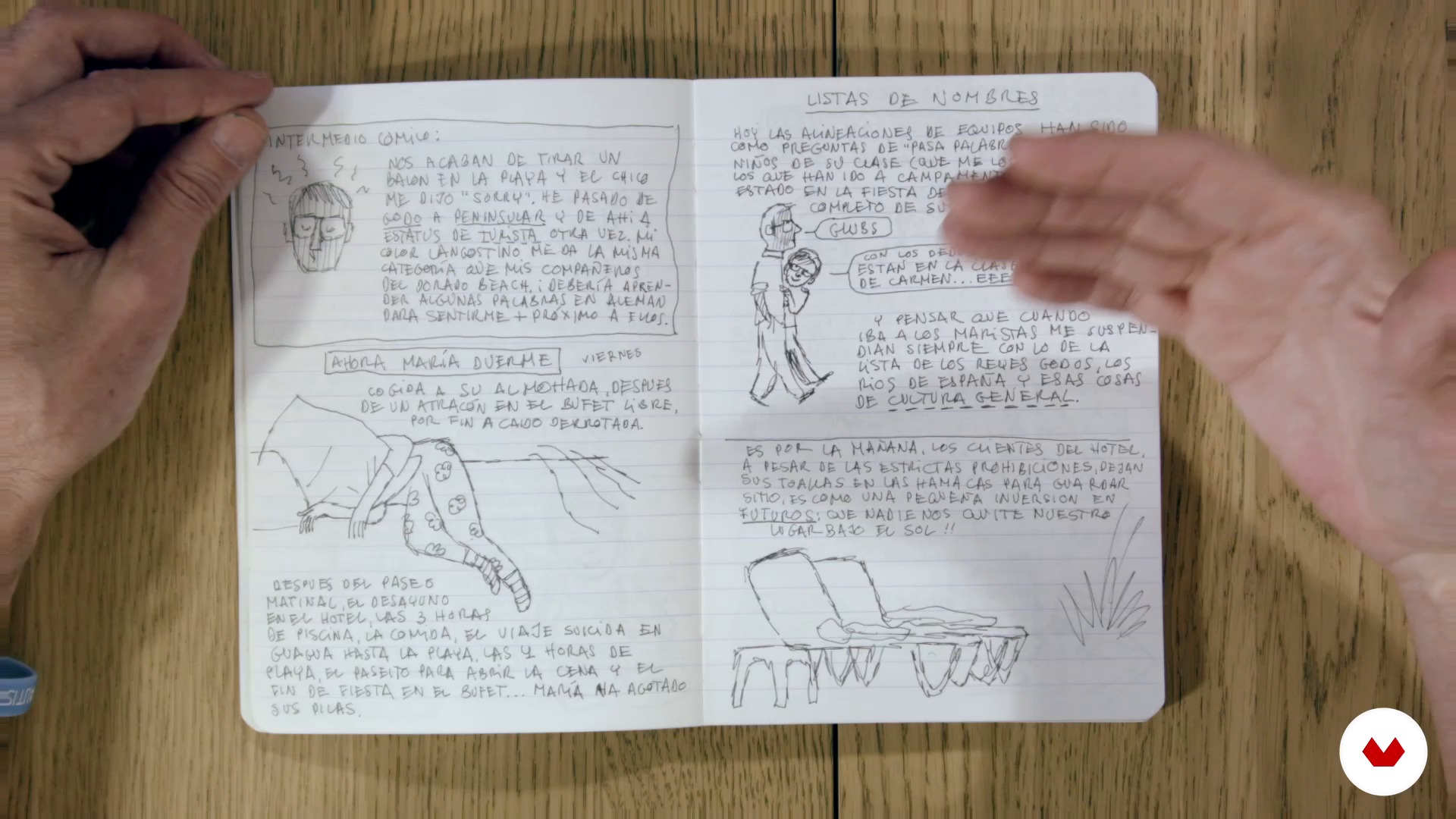
Maria and I
8 minuten, 24 seconden
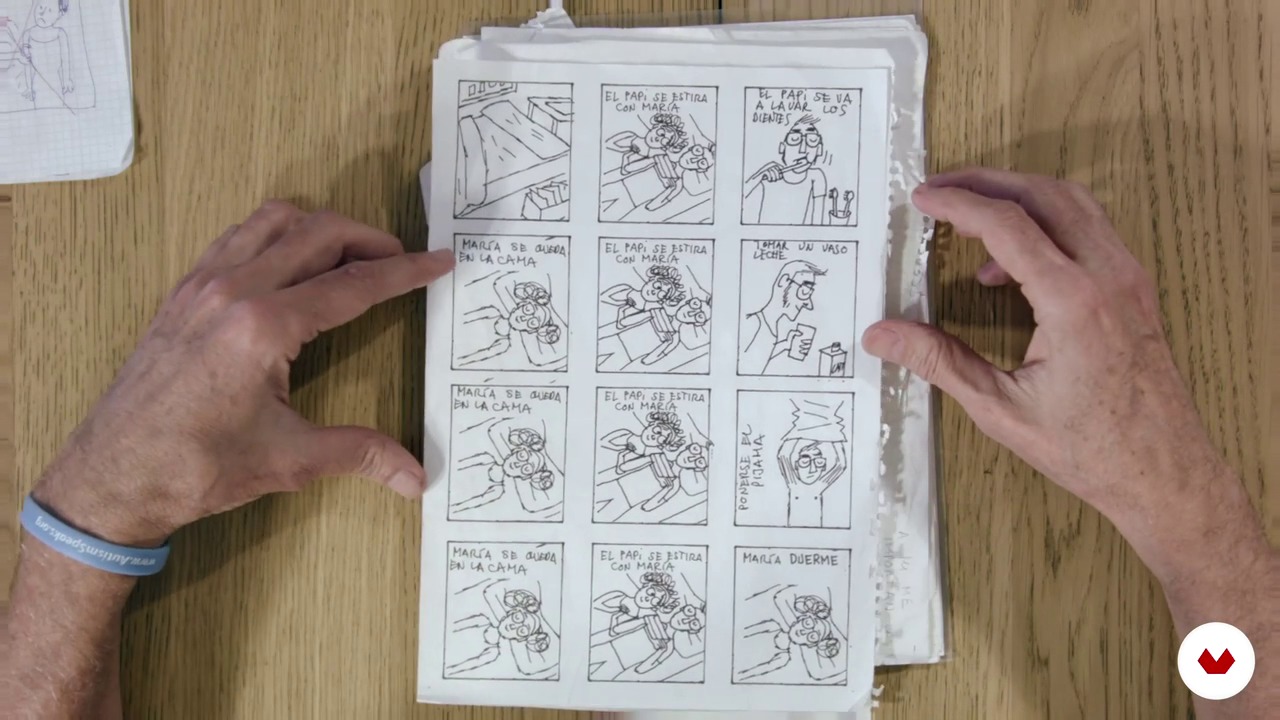
The project
3 minuten, 58 seconden
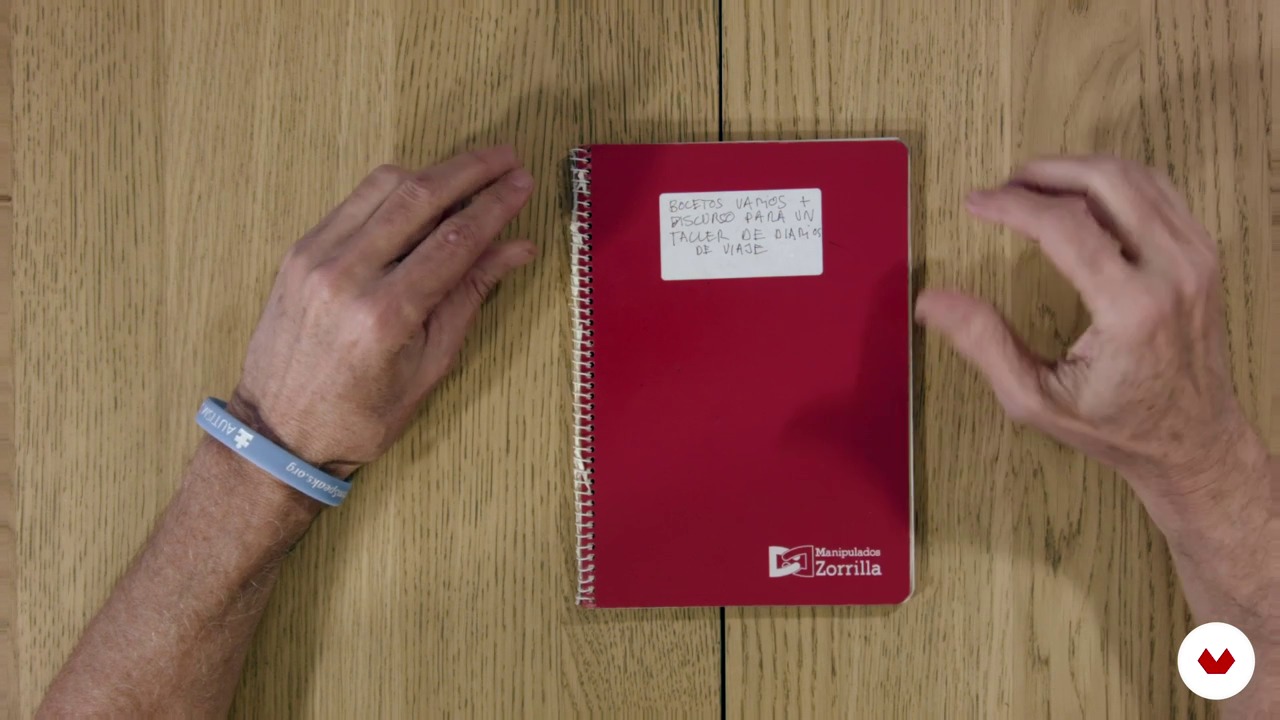
Material
2 minuten, 16 seconden
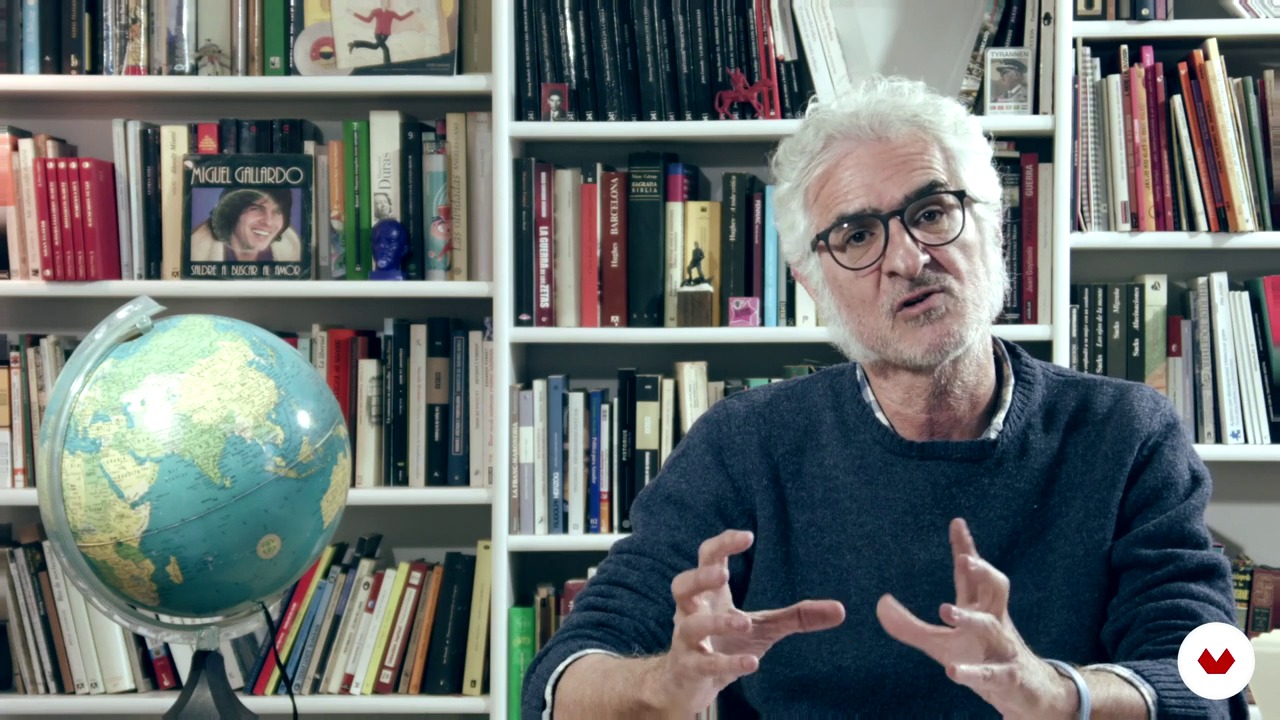
Written script
4 minuten, 24 seconden
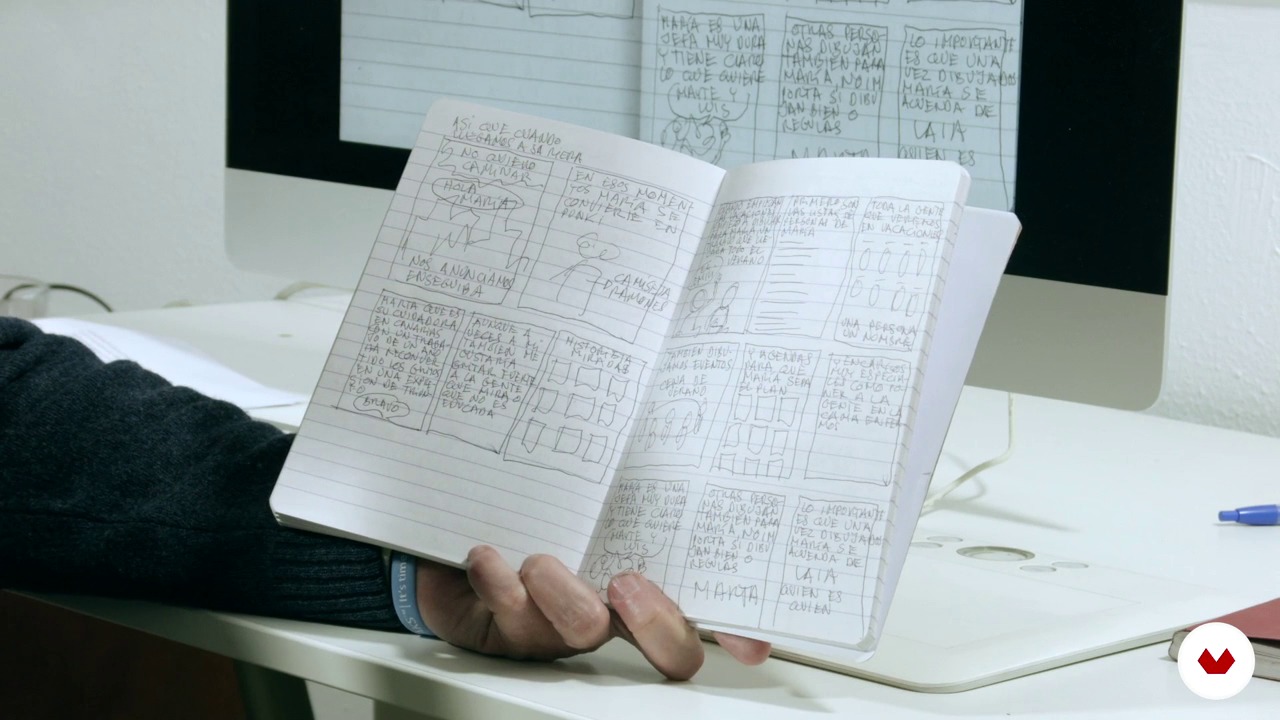
Storyboard script
7 minuten, 27 seconden
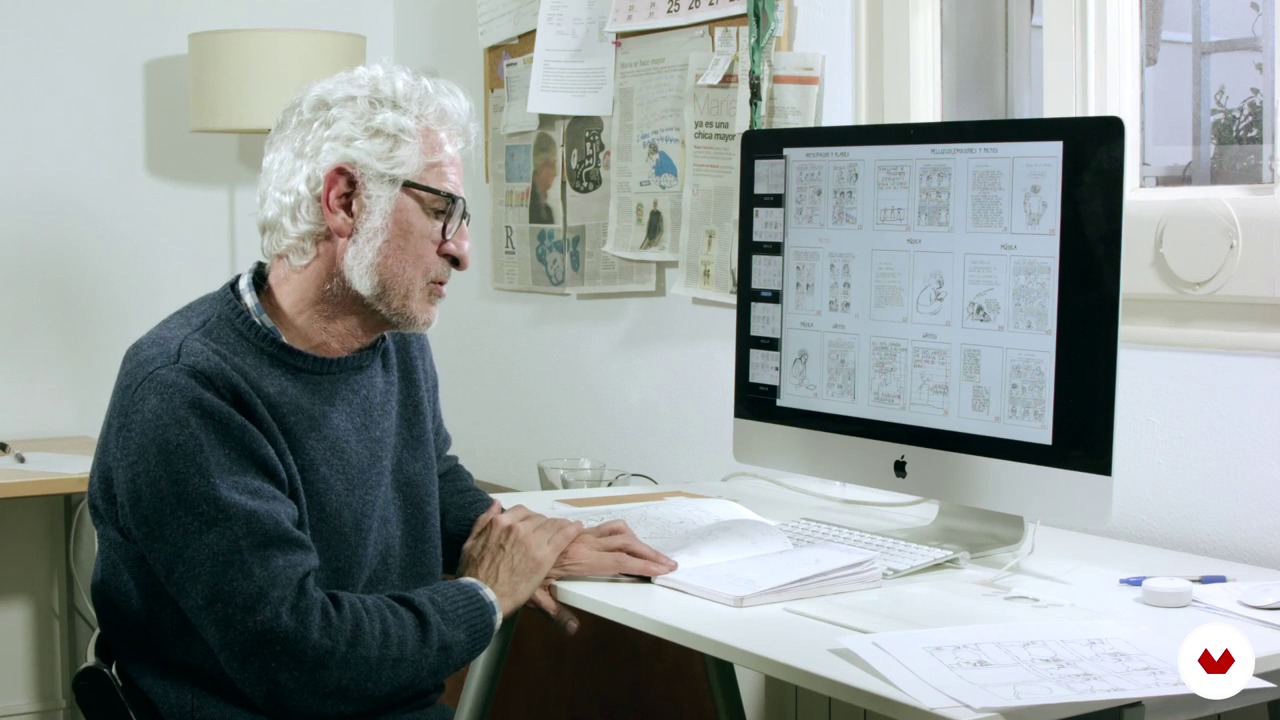
Collect images
5 minuten, 22 seconden
Wat is inbegrepen in deze cursus?
First you will know the works and influences of this famous Catalan illustrator for being the author of Makoki.
Then, look for references for your story such as photographs, childhood anecdotes, notes, sketches, diaries, notebooks and diaries ... everything you need until you know what you are going to tell.
Later, with a notebook and a pen as allies, you will create a character based on your own physical characteristics and your personality, exaggerating or showing features that will help you to narrate the experience you are going to tell. Then it will be time to make the written script divided into three parts, in the classic way: presentation, node and ending.
This script will be passed to drawings in the Storyboard distributing the story among the 4 pages that will compose your comic without forgetting to place the action of the characters, put them in an unexpected situation and see how they react by measuring the times well and the emotions.
In addition, you will work different variations of the same vignette trying out different framings, postures, expressions ...
Later you will assemble the pages and incorporate the dialogues. At this point, one of Miguel's advice is that "the history and the images that accompany it are inevitably linked. They have to go together, no matter what level of drawing you think you have, the important thing is that you understand the story you're going to tell " .
Finally you will put the final touches to your comic on the computer.
In addition, Miguel Gallardo will also teach you some questions about contracts, billing and dissemination of your work.

Wat is het cursusproject?
Create a 3-page comic book plus the cover that narrates a personal experience with the precise dose of drama and comedy using minimal materials such as a pad of graph paper and a pen, your imagination and resources such as photographs, cuts, sketches or anything that you inspire You can also pull stories of your environment or a family memory without having to be especially true to reality.
There will be no distractions of styles, techniques or grammages of paper. Only you and the blank page, because it has always been that way.
Projecten van studenten van de cursus


Voor wie is deze online cursus bedoeld?
To all the people who want to learn to narrate, applicable to any discipline.
Vereisten en materialen
Notebooks, papers, slips, back of invoices, any pen at your fingertips and a computer with scanner for the final phase.
A tip from the teacher: "do not be fooled by the style of the notebook, the more humble the better, it's about looking for a support that does not scare, smudge and wrinkle".

Beoordelingen
- 1 jaar geleden
Genial!!!
- 1 jaar geleden
muy bueno e interesante
- 1 jaar geleden
Genial! gracias Miguel
- 1 jaar geleden
The course is relatively simple but it is still inspiring for beginners like me and adds another perspective on the process of illustrating stories.
- 2 jaar geleden
Muy inspirador. Curso recomendado

Hij begon zijn professionele carrière door strips – hij was een van de auteurs van MAKOKI , een iconisch undergroundpersonage – te combi...
Inhoud
- U1
We introduce Maria and me
- Presentation of my work
- Influences
- Maria and I
- U2
How to start a story and what do I need
- The project
- Material
- Written script
- Storyboard script
- U3
How to make the story
- Collect images
- Final Art - Mount the pages
- General Review
- The cover
- U4
Follow up, do not abandon your creation.
- Practice of life
- Give diffusion to your work
- EP
Eindproject
- Narrate in bullets with a pen
Wat kan je verwachten van een cursus van Domestika
Leer in je eigen tempo
Geniet van thuis leren, zonder lesroosters en in je eigen tempo. Jij beslist wanneer je verder gaat met het volgende onderdeel.
Leer met de beste professionals
Leer de meest bruikbare methoden en technieken van de beste professionals in de creatieve industrie.
Ontmoet deskundige docenten
Iedere docent brengt kennis met passie over, biedt duidelijke uitleg en een professioneel perspectief bij elke les.
Certificaten
PLUSAls Plus-lid krijg je voor elke cursus een persoonlijk certificaat, ondertekend door je docent. Deel het in je portfolio, op social media of waar je maar wilt.
Zorg dat je op de voorste rij zit
Dankzij de hoge kwaliteit van de video's mis je geen enkel detail. Dankzij de onbeperkte toegang kun je de lessen zo vaak bekijken als nodig is om je vaardigheden te perfectioneren.
Deel kennis en ideeën
Stel vragen, krijg feedback en bied oplossingen aan. Deel je leerervaringen met andere studenten in de community die net als jij een passie hebben voor creativiteit.
Maak contact met een wereldwijde creatieve community
Deze community heeft miljoenen gebruikers van over de hele wereld, nieuwsgierig en enthousiast om hun creativiteit te verkennen en te uiten.
Geef cursussen op een professionele manier
Domestika selecteert zorgvuldig haar docenten en produceert iedere cursus in eigen huis om een uitstekende online leerervaring te garanderen.
Veelgestelde vragen
Je leert persoonlijke ervaringen in beeldverhalen te vertellen, een script te ontwikkelen, storyboards te maken, met pen te tekenen, pagina's te digitaliseren en op te maken, covers te ontwerpen en je werk te promoten via sociale media en zelfpublicatieplatforms.
De cursus is gericht op een gemiddeld niveau, ideaal voor wie al basiskennis heeft van tekenen of verhalen vertellen en zich wil verdiepen in het maken en uitgeven van persoonlijke strips.
Je hebt alleen papier, een pen, een eenvoudig notitieboekje en toegang tot een scanner of camera nodig om je tekeningen te digitaliseren. Een computer met basis grafische bewerkingsprogramma's wordt ook aanbevolen.
Je leert hoe je je boek promoot op sociale media, je doelgroep segmenteren, je pagina's als advertenties plaatsen en online communiceren met lezers om de zichtbaarheid en verkoop te vergroten.
Ja, de cursus leert je opvallende covers ontwerpen, kleuren kiezen, beelden samenstellen en het ontwerp aanpassen om op te vallen in boekhandels en digitale platforms.
Ja, er wordt aandacht besteed aan contracten, onderhandelingen over auteursrechten, facturatie en het inschrijven als zelfstandige, plus basisjuridisch advies voor illustratoren.
Je werkt aan het tekenen van stripplaatjes met pen, pagina-indeling, de integratie van tekst en beeld, handmatig en digitaal lettering, en de narratieve structuur van persoonlijke en fictieve verhalen.