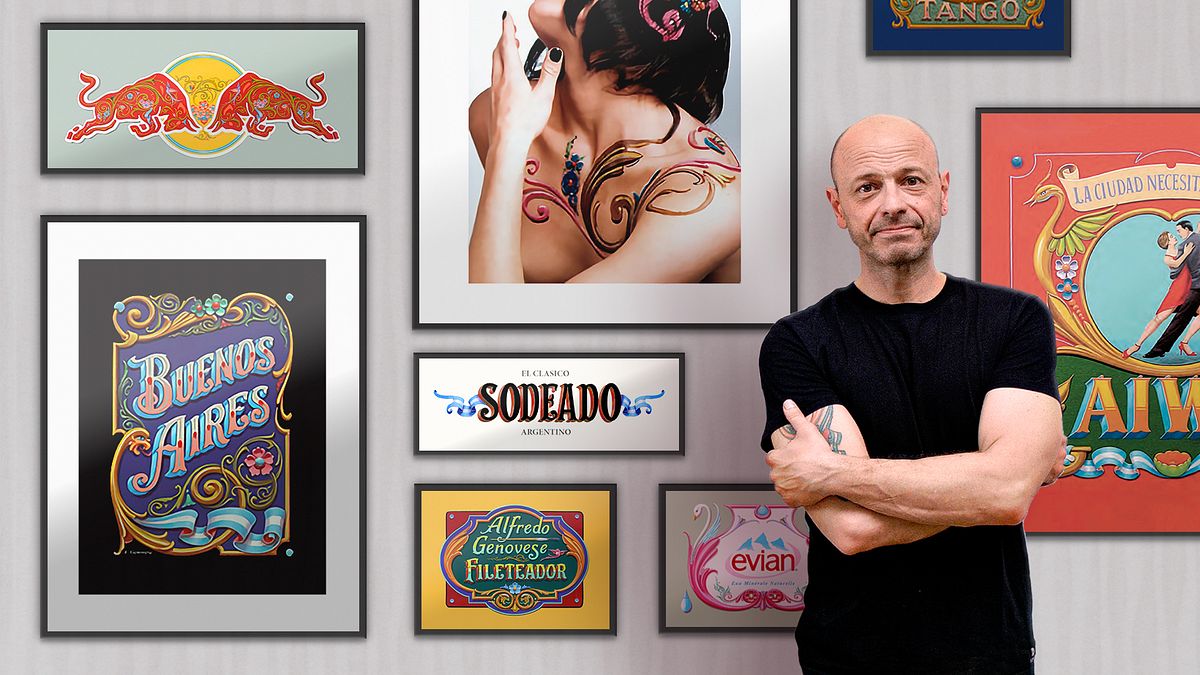
Posters illustreren en versieren
A course by Alfredo GenoveseSchilder en illustrator
A course by Alfredo Genovese, Schilder en illustrator

Leer een poster ontwerpen en schilderen met de typische kunst van Buenos Aires
Alfredo Genovese, a painter and teacher specialized in the filete porteño technique applied to packaging, advertising, body painting, and tattoos teaches you what exactly this style is and how to make a poster from start to finish with this technique.
Learn about the history of the filete technique and its applications, draw its main iconographic elements, and discover the rules that govern the design of this traditional painting technique with synthetic enamel and long-haired brushes.
If a tango is a sad thought that can be danced, a [i]filete is a happy thought that can be painted.[/i] (Ricardo Gómez, filete artist).
Fileteado is a pictorial and traditional art technique that was born in Buenos Aires at the end of the 19th century to embellish cars, trucks, and urban buses (called colectivos) and that over time became the iconographic emblem that best represents the city. The word filete derives from the Latin filum, which means thread, and refers to a line that serves as decoration.
It's characterized by highly stylized forms, the use of bright colors, and a dense composition. These pieces also include text, which can be witty phrases, poetic sayings, or names drawn in ornate Gothic or cursive letters.
The painter who decorated cars was called a fileteador and carried out this type of work with long-haired brushes or filete brushes. Over time, fileteado became a particular type of design that was applied to advertising, body painting, and tattoos.
In December 2015, the filete porteño technique was declared an Intangible Cultural Heritage of Humanity by Unesco.
Wat leer je tijdens deze online cursus?
22 lessen & 20 aanvullende bronnen
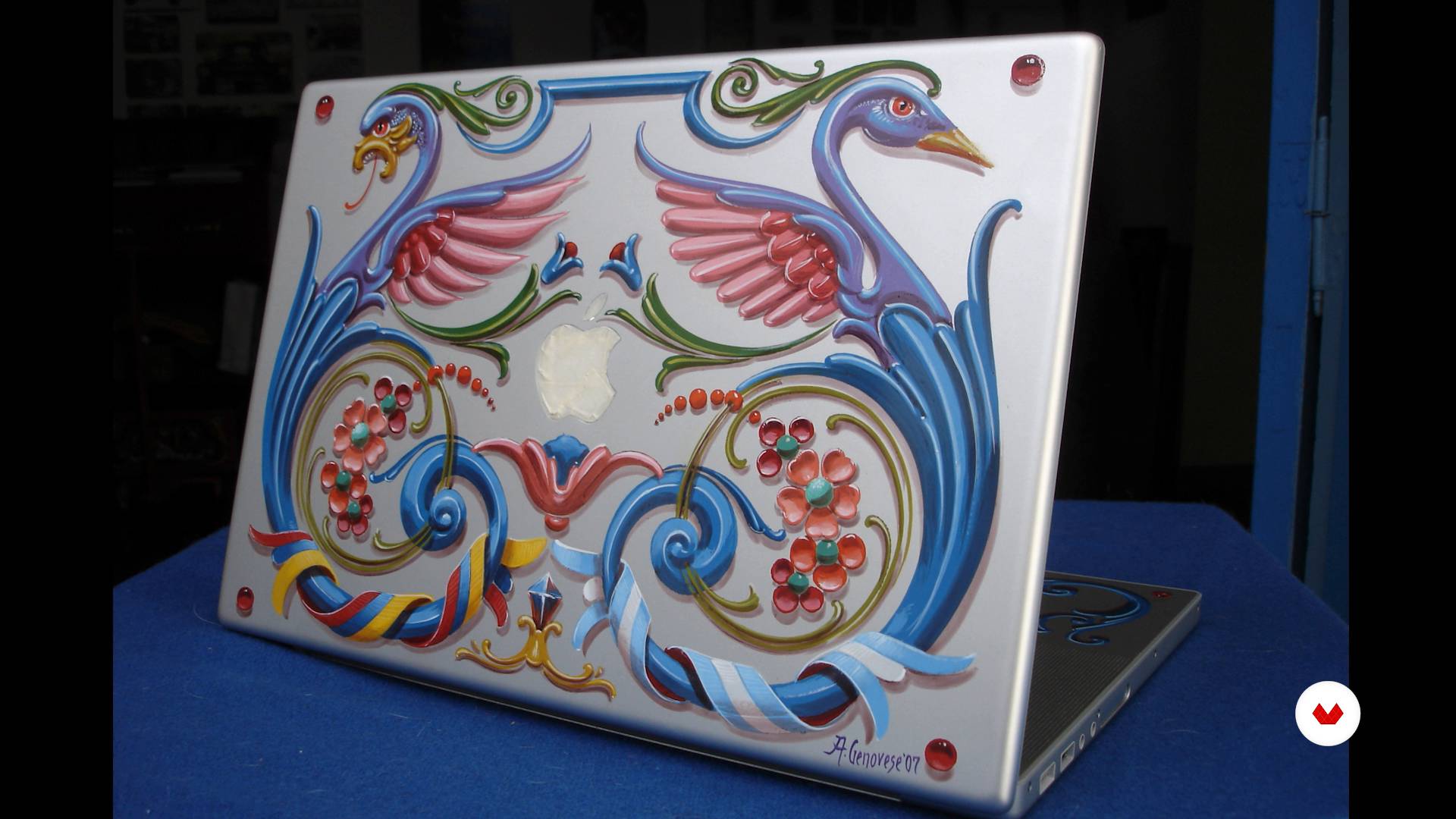
Some works and bibliography I
10 minuten, 21 seconden
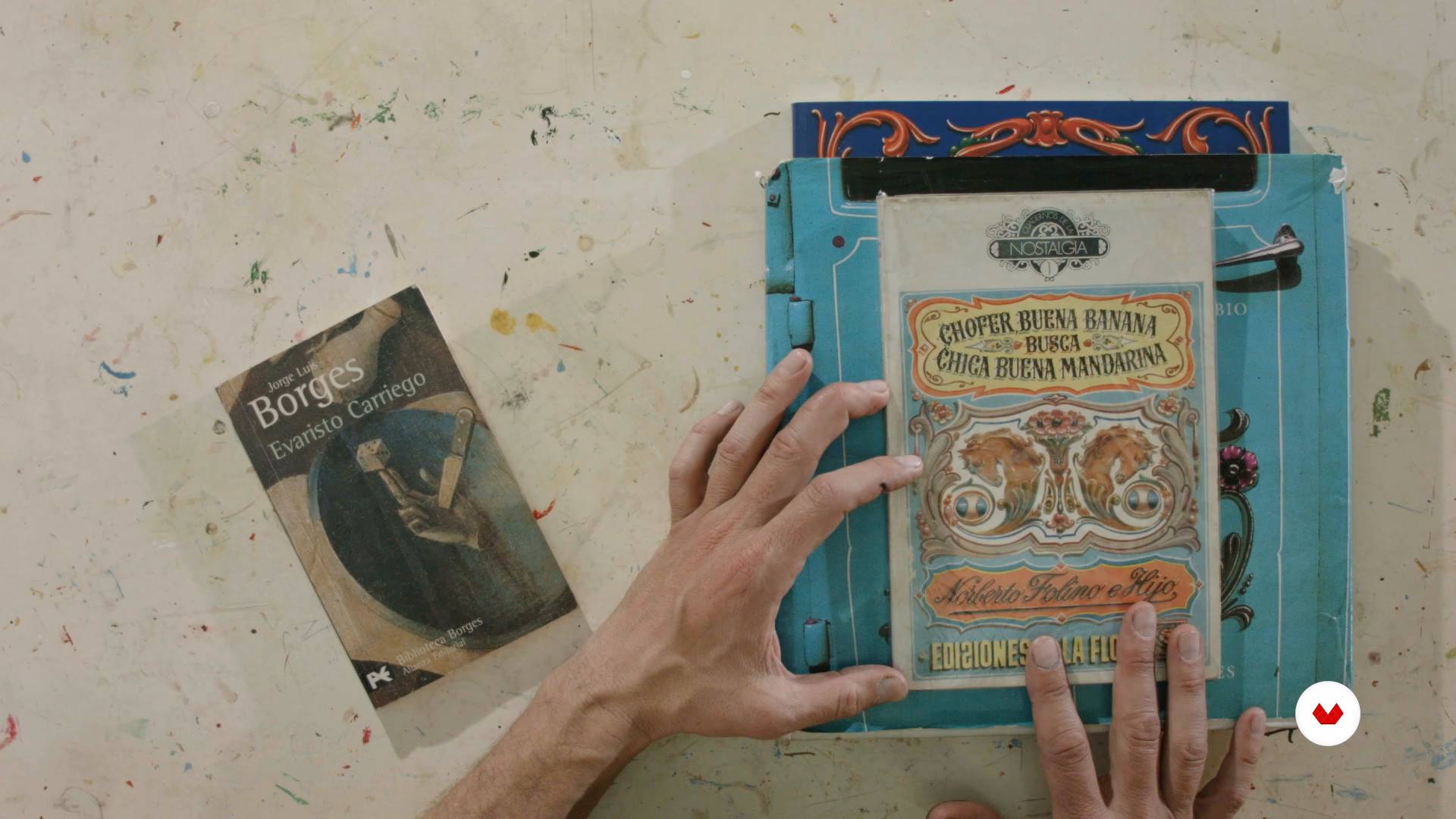
Some works and bibliography II
14 minuten, 10 seconden
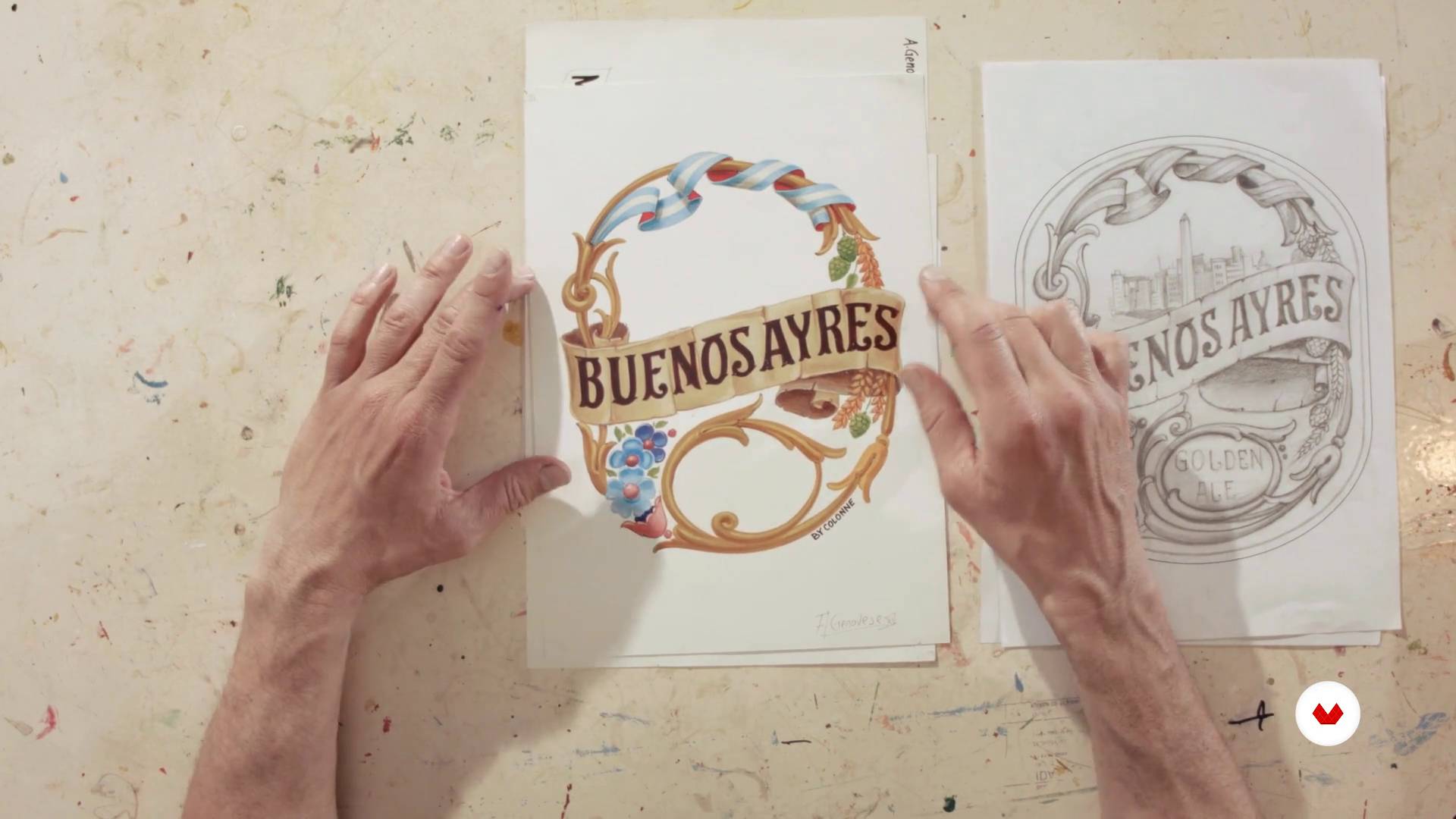
Facing a project
9 minuten, 37 seconden
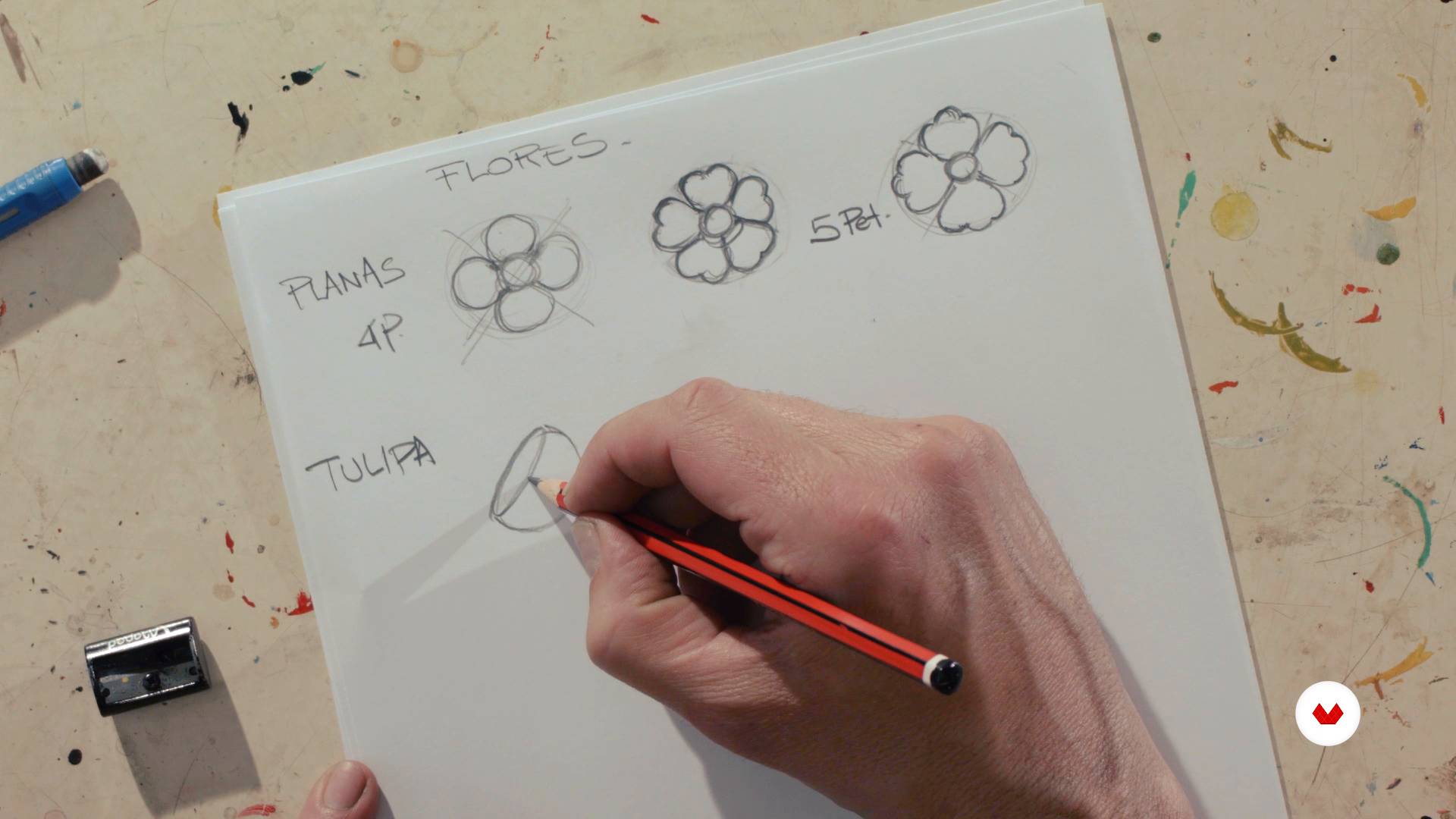
The Drawing, the basis of everything 1
9 minuten, 8 seconden
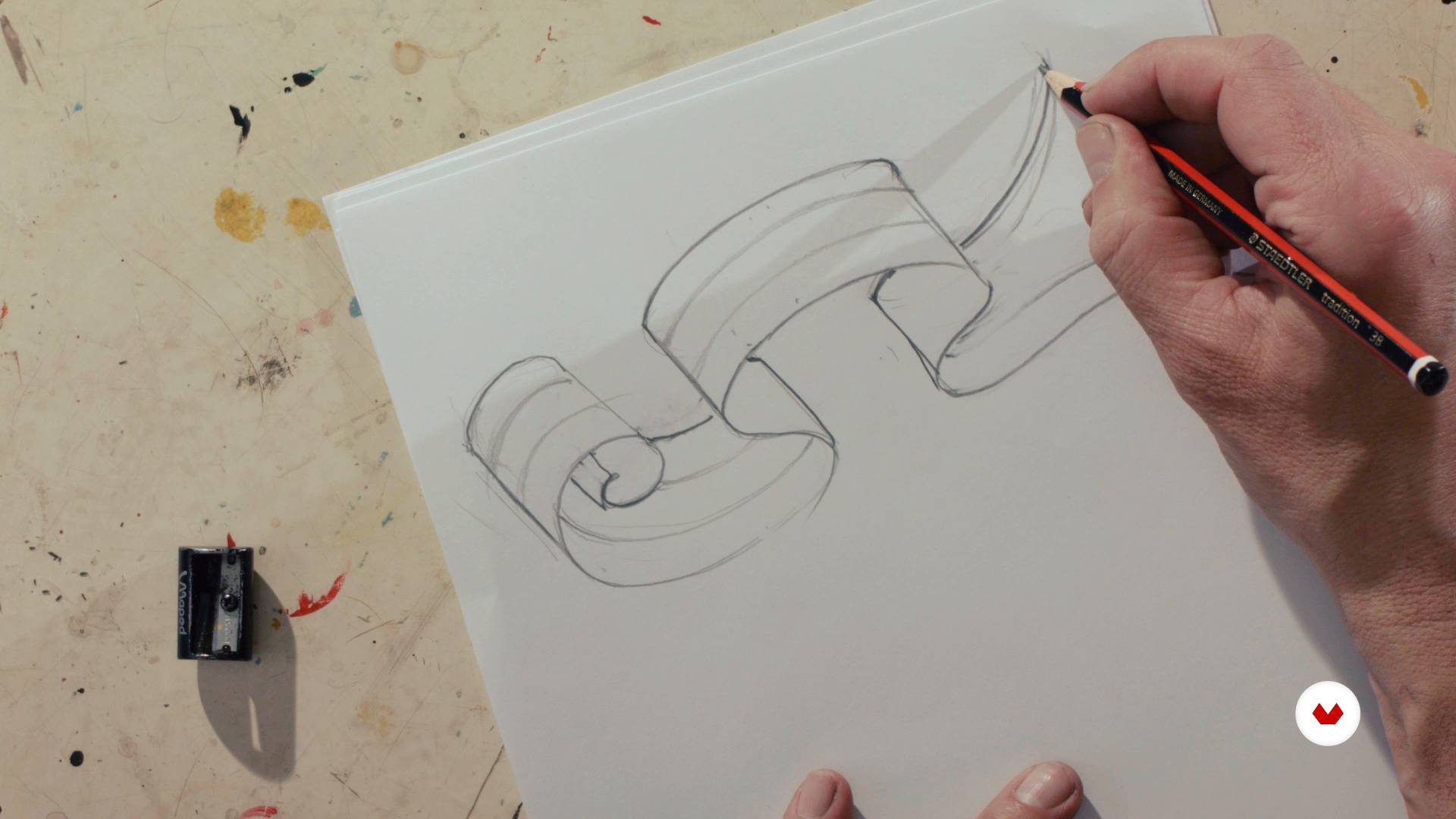
The Drawing, the basis of everything 2
13 minuten, 2 seconden
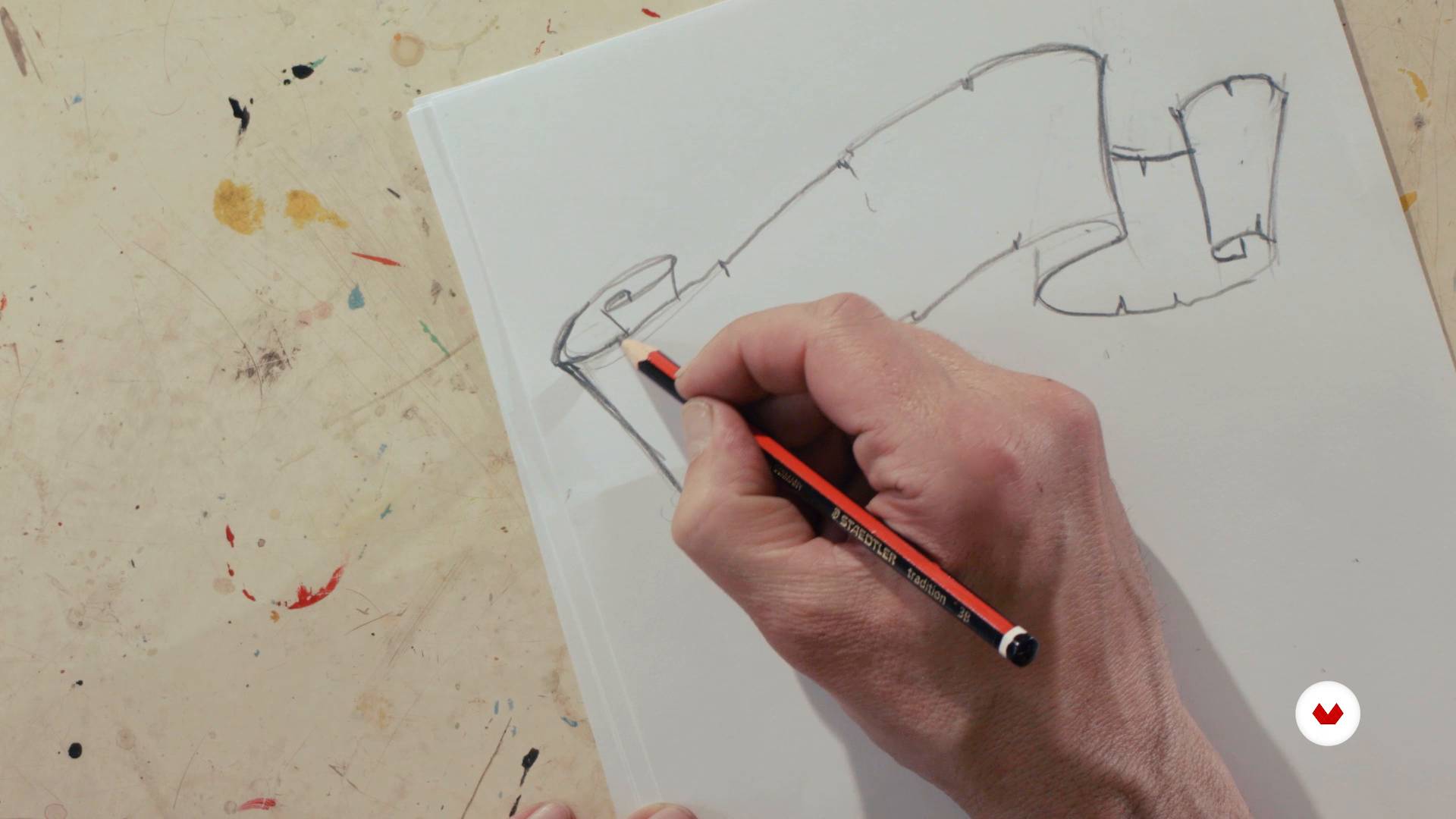
The Drawing, the basis of everything 3
14 minuten, 16 seconden
Wat is inbegrepen in deze cursus?
Begin by learning more about Alfredo Genovese's work and influences as well as his fileteado teachers outside of the fine arts university department.
Next, learn about the design rules of fileteado, how to draw the main elements or shapes for its composition, how to apply volume and long-haired brushstrokes, and how to prepare the support and apply a base color.
Now it's time to get down to work and start painting. Start with the flat colors and the letters of the filete design, paint in the lighter areas, prepare the Yapan (semi-transparent mixture used to paint the shadows), and apply the shadows and highlights.
Finally, Genovese gives you some tips on finishing your piece with varnish and digitally editing your poster.
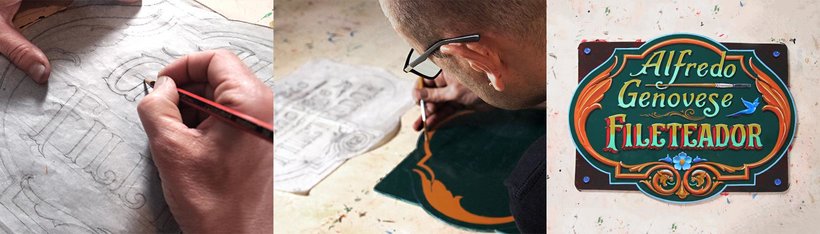
What is this course's project?
In this course, create a poster with the filete technique to use as a graphic piece for your portfolio.
You can also use this technique for some of your own designs or in any lettering, calligraphy, or illustration project.
Projecten van studenten van de cursus


Who is this online course for?
Illustrators, designers, lettering artists, calligraphers, painters, and creatives who are interested in learning about the filete porteño technique and style.
Requirements and materials
All you need is curiosity. No prior knowledge is required for this course.
As for materials, you will need: a pencil, A4 sheets of paper, tracing paper, wood paper, white and yellow chalk, charcoal, a sewing needle, talc, a 3mm MDF or multi-laminated panel (although you can do it on other supports if you prefer), long-haired brushes (for lettering or fileteado), synthetic enamel in various colors, a foam rubber roller, a thinner, and transparent varnish.

Beoordelingen
- 6 maanden geleden
Excelente curso. El mejor que he hecho hasta ahora.
- 8 maanden geleden
Excelente curso! muy bien explicado y con muy buen material adicional!
- 9 maanden geleden
Excelente curso! Muy didáctico. Muchas gracias por introducirme al fileteado porteño!
- 9 maanden geleden
De la mano de Alfredo Genovese todo es posible. Encantada con el curso, ya lo recomende muchas veces !!
- 1 jaar geleden
Es excelente, muy completo!!!

Inhoud
- U1
Introduction
- What is the fileteado porteño and what do I do?
- Influences
- Some works and bibliography I
- Some works and bibliography II
- U2
Drawing the idea
- Facing a project
- The Drawing, the basis of everything 1
- The Drawing, the basis of everything 2
- The Drawing, the basis of everything 3
- Design of a simple filleted composition 1
- Design of a simple filleted composition 2
- The volume in drawing 1
- The volume in drawing 2
- U3
Designing the poster
- Design of a poster
- Materials and preparation of the support 1
- Materials and preparation of the support 2
- Stroke exercises to warm the hand
- U4
We start painting!
- Flat colors
- Painting of light planes 1
- Painting of light planes 2
- Application of shadows
- Glitter paint
- Final tips
- EP
Eindproject
- Fileteado porteño: illustration and ornamentation of posters
Wat kan je verwachten van een cursus van Domestika
Leer in je eigen tempo
Geniet van thuis leren, zonder lesroosters en in je eigen tempo. Jij beslist wanneer je verder gaat met het volgende onderdeel.
Leer met de beste professionals
Leer de meest bruikbare methoden en technieken van de beste professionals in de creatieve industrie.
Ontmoet deskundige docenten
Iedere docent brengt kennis met passie over, biedt duidelijke uitleg en een professioneel perspectief bij elke les.
Certificates
PLUSIf you're a Plus member, get a persoonlijk certificaat signed by your teacher for every course. Share it on your portfolio, social media, or wherever you like.
Zorg dat je op de voorste rij zit
Dankzij de hoge kwaliteit van de video's mis je geen enkel detail. Dankzij de onbeperkte toegang kun je de lessen zo vaak bekijken als nodig is om je vaardigheden te perfectioneren.
Deel kennis en ideeën
Stel vragen, krijg feedback en bied oplossingen aan. Deel je leerervaringen met andere studenten in de community die net als jij een passie hebben voor creativiteit.
Maak contact met een wereldwijde creatieve community
Deze community heeft miljoenen gebruikers van over de hele wereld, nieuwsgierig en enthousiast om hun creativiteit te verkennen en te uiten.
Geef cursussen op een professionele manier
Domestika selecteert zorgvuldig haar docenten en produceert iedere cursus in eigen huis om een uitstekende online leerervaring te garanderen.
Veelgestelde vragen
Porteño fileteado is a traditional decorative art from Buenos Aires used to beautify vehicles, signs, and objects. Learning it lets you bring this art into creative projects, restoration work, and modern design.
This is an intermediate-level course, perfect for those with basic drawing or painting skills who want to deepen their knowledge of porteño fileteado techniques and applications.
You’ll need brushes, synthetic enamels, paper, pencil, sturdy surfaces like wood or glass, and some auxiliary tools. Access to Photoshop is also recommended for digital exercises.
You’ll learn the history, drawing and painting techniques, composition, design transfer methods, and how to apply fileteado on both traditional and modern surfaces like murals, objects, tattoos, and digital media.
Yes, the course teaches you how to adapt porteño fileteado to contemporary items including laptops, bottles, textiles, industrial products, and more.
The course covers integrating fileteado into graphic design through digital sketches, Photoshop adaptations, and creating logos, posters, and labels in the fileteado style.
Yes, it includes methods and materials for restoring and decorating vintage vehicles like classic cars and Vespa scooters, honoring tradition while updating techniques.