Design and Construction of a Magazine
Kursus oleh Oscar MarinéDesainer grafis
Kursus oleh Oscar Mariné, Desainer grafis

Design a printed magazine from scratch
In this course by Óscar Mariné - National Design Prize 2010, graphic designer, illustrator, typographer and professional artist - you will learn to design a printed magazine with all the graphic elements that participate in it (reticles, interlining, typography, photographs, summary, box) , caption of photo ...) with the aim of giving maximum comfort to the reader and make the flow of information understandable.
For this, Óscar will explain step by step the process of editorial redesign that he made for the magazine El País Semanal, a leading magazine in its sector on news, reports, fashion and opinion articles with more than 30 years of history.
Apa yang akan Anda pelajari dalam kursus daring ini?
1 pelajaran & 1 unduhan
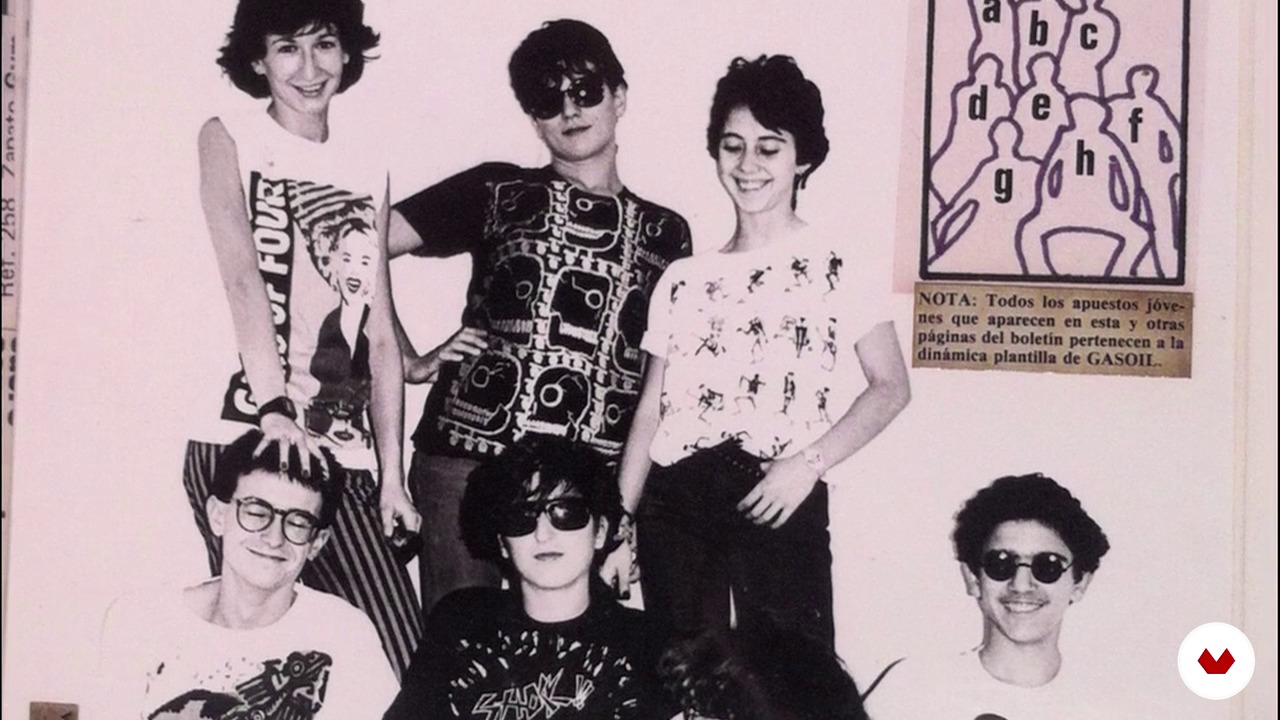
Where we come from
1 menit, 1 detik
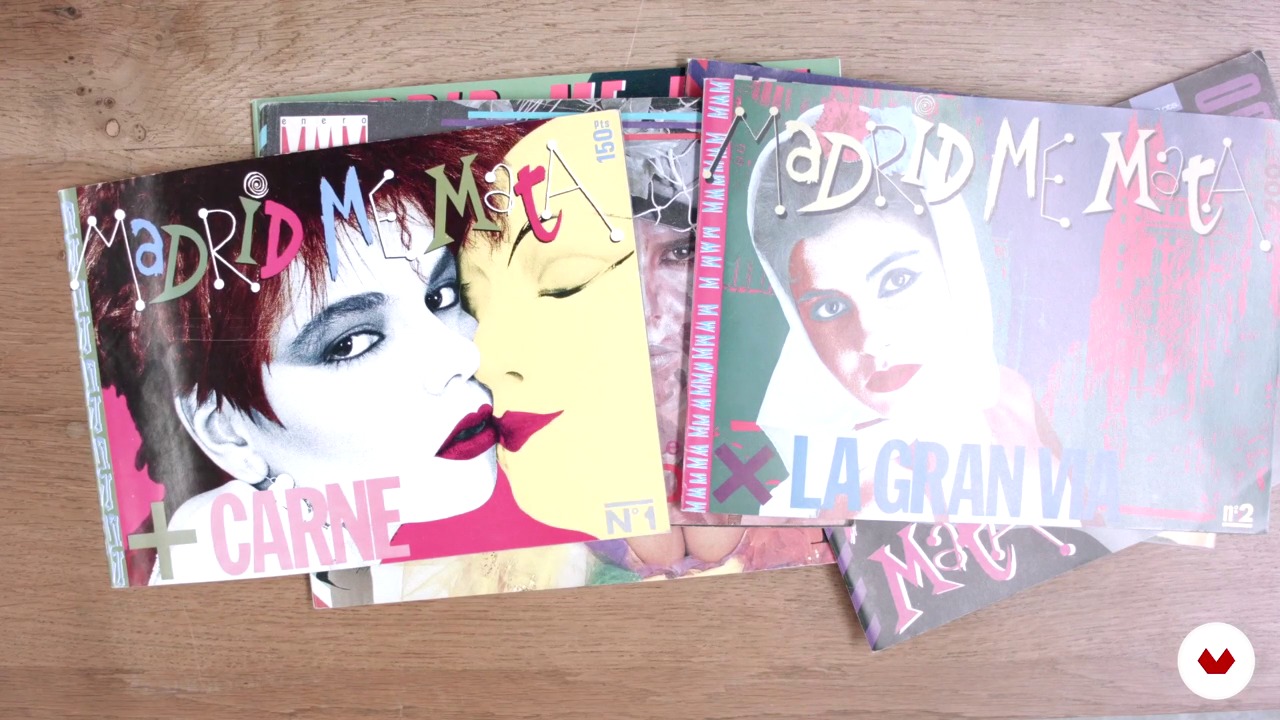
Editorial projects
1 menit, 1 detik
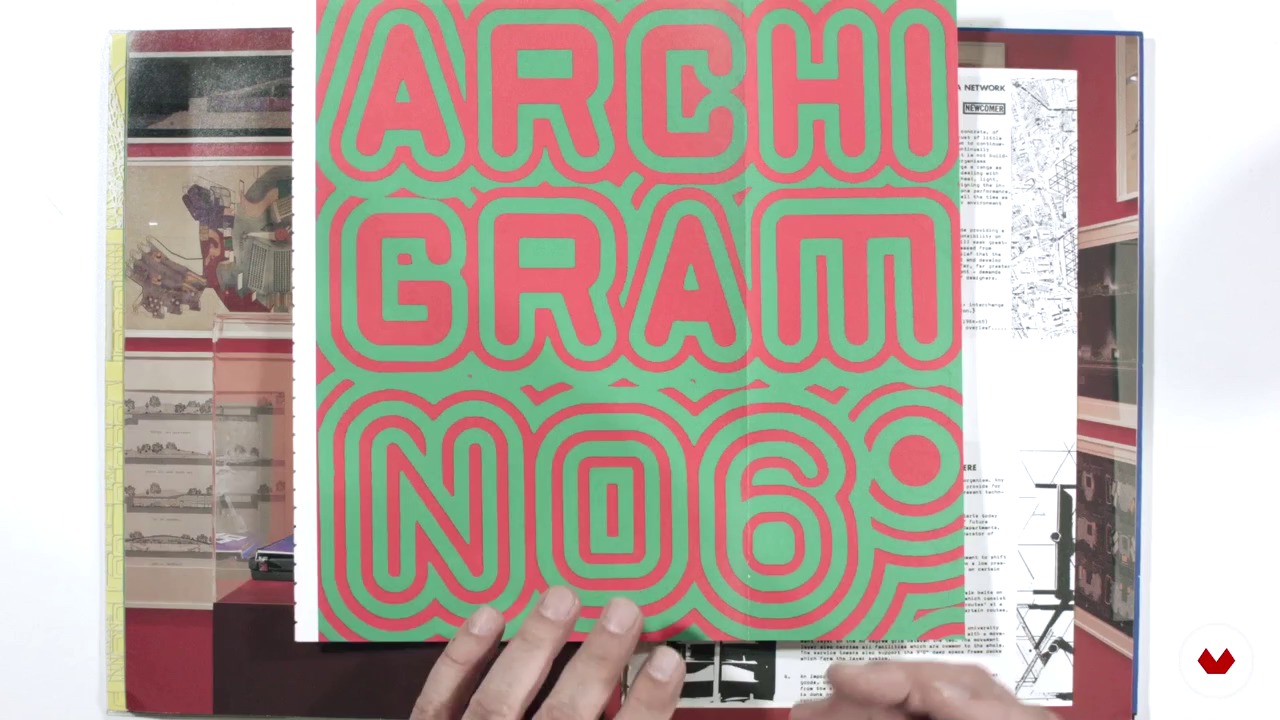
The suitcase I
1 menit, 1 detik
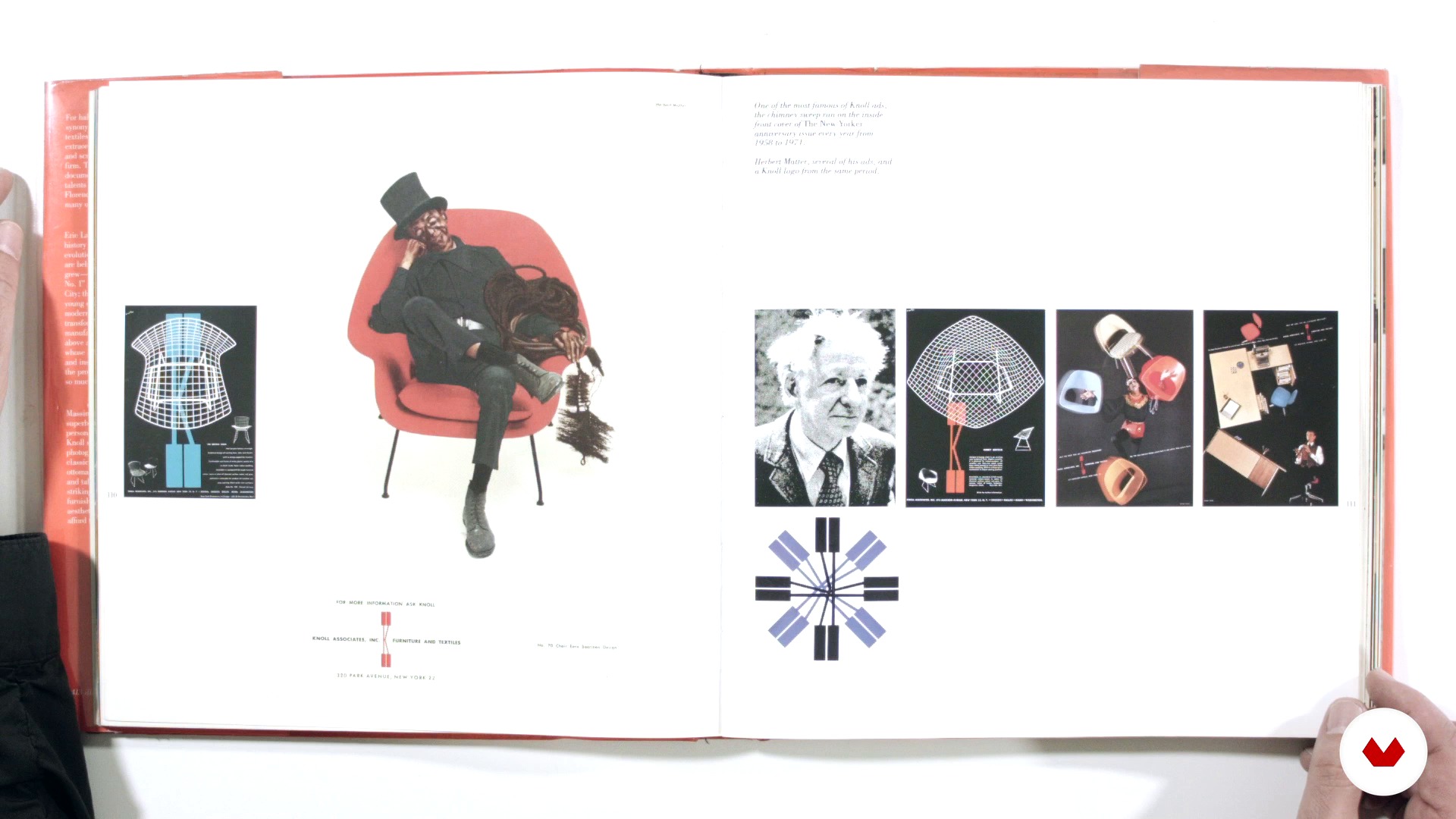
The Suitcase II
1 menit, 1 detik
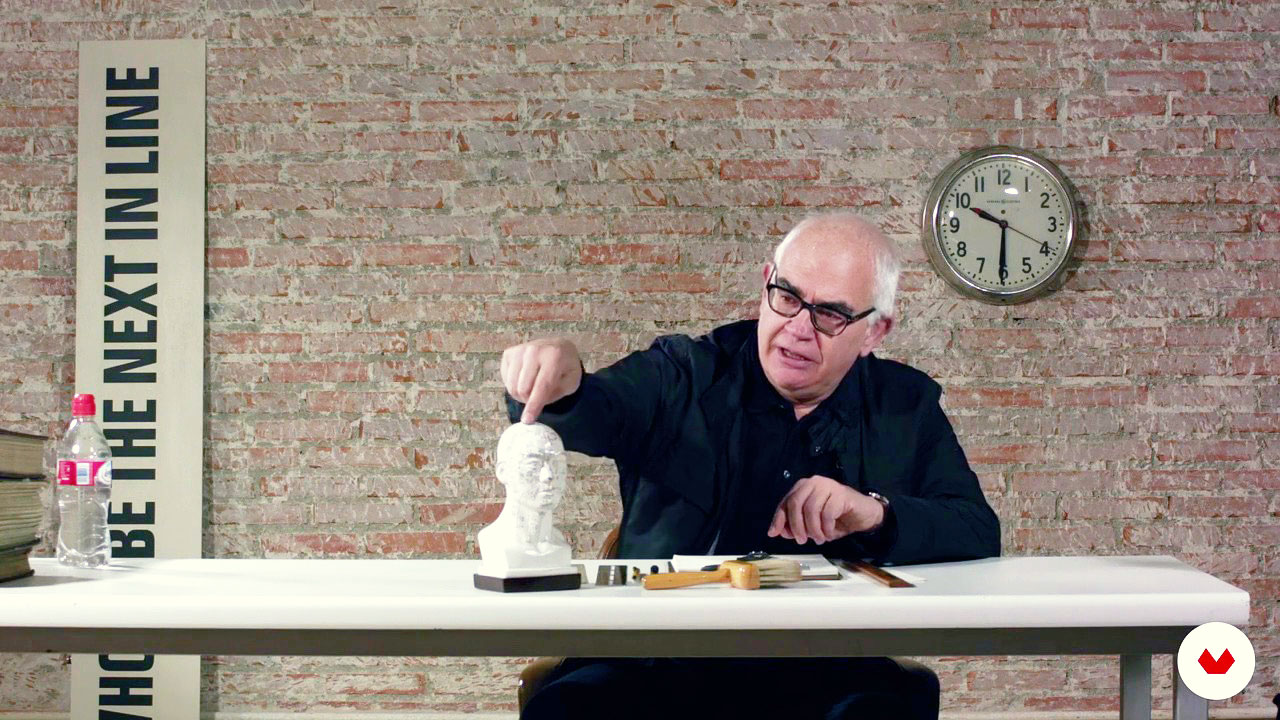
Introduction to the EL PAÍS redesign project
1 menit, 1 detik
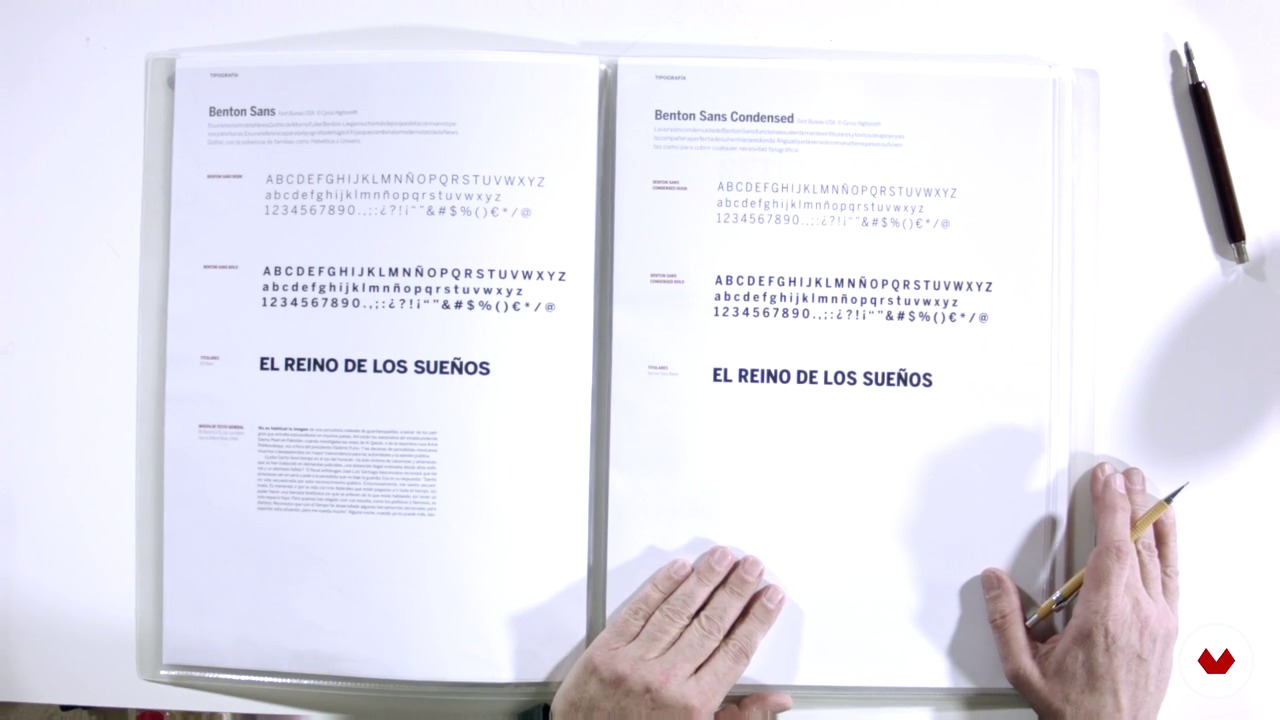
The use of typography
1 menit, 1 detik
Apa yang termasuk dalam kursus ini?
You will begin to learn a little more about the origins and career of Óscar Mariné, an off-road designer who has done editorial design projects, art direction, corporate identity, album covers, film posters and many more.
Óscar will further explain some of his most important editorial works - such as the magazine Madrid Me Mata, Diario 16, Marie Claire, Diseño & interior or the cover of Life magazine - and will talk about the assignment they made to redesign the Sunday supplement El País Semanal.
You will know what is a Manual of graphic standards for a printed publication and how to make it based on its different elements: the cover, the page, the double page, the summary, the opinion columns, the letters to the director, the in-depth interview, the great reports, the different sections (health, recipes, sex, psychology ...), etc.
Starting from the premise that graphic design has to be at the service of communication, you will learn to design favoring an excellent reading and working with the reticle, making a correct use of typography, line spacing, layout and photography. All this to create a magazine with rhythm, character and emotion.

Apa proyek kursus ini?
Design a printed publication of the theme that you like using the advice of the teacher, making the flow of information as understandable to the reader as possible.
Proyek oleh mahasiswa kursus


Untuk siapa kursus daring ini?
A journalist with concern to know how to build a magazine, graphic designers, photographers, art directors and all those interested in editorial design.
Persyaratan dan bahan
Be curious, have restlessness and have a sharp pencil by hand.

Ulasan
- 20 hari yang lalu
excelente!
- 2 bulan yang lalu
Me encantó
- 2 tahun yang lalu
Las explicaciones son amenas y entretenidas. El contenido tiene aplicación inmediata e n mis proyectos.
- 2 tahun yang lalu
Muy interesante!!
- 2 tahun yang lalu
Me a gustado, tiene otra perspectiva del diseño editorial que hay actualmente, valoro eso.

Isi
- U 1
Introduction
- Presentation
- About us
- Where we come from
- U 2
Editorial projects
- Editorial projects
- The suitcase I
- The Suitcase II
- U 3
Step by step: El País Weekly
- Introduction to the EL PAÍS redesign project
- The use of typography
- The cover, the index and the design of the first pages
- Long report, fixed sections and long interview
- Long interview 2. Typographic elements, summaries and large reports.
- Small sections
- U 4
Reflection
- Reflection and Closure
- FP
Proyek akhir
- Design and construction of a magazine
Apa yang diharapkan dari kursus Domestika
Belajar dengan kecepatan Anda sendiri
Nikmati belajar dari rumah tanpa jadwal tetap dan dengan metode yang mudah diikuti. Anda bisa mengatur kecepatan belajar Anda sendiri.
Belajar dari para profesional terbaik
Pelajari metode dan teknik berharga yang dijelaskan oleh para ahli terkemuka di sektor kreatif.
Bertemu dengan guru ahli
Setiap pakar mengajarkan apa yang paling mereka kuasai, dengan pedoman yang jelas, semangat yang membara, dan wawasan profesional dalam setiap pelajaran.
Sertifikat
PLUSJika Anda anggota Plus, dapatkan sertifikat khusus yang ditandatangani oleh pengajar Anda untuk setiap kursus. Bagikan di portofolio, media sosial, atau di mana pun Anda suka.
Dapatkan kursi baris depan
Video berkualitas tinggi, jadi Anda tidak akan melewatkan satu detail pun. Dengan akses tak terbatas, Anda dapat menontonnya sesering yang Anda butuhkan untuk menyempurnakan teknik Anda.
Berbagi pengetahuan dan ide
Ajukan pertanyaan, minta masukan, atau tawarkan solusi. Bagikan pengalaman belajar Anda dengan siswa lain di komunitas yang sama bersemangatnya dengan Anda dalam hal kreativitas.
Terhubung dengan komunitas kreatif global
Komunitas ini merupakan rumah bagi jutaan orang dari seluruh dunia yang ingin tahu dan bersemangat untuk mengeksplorasi dan mengekspresikan kreativitas mereka.
Tonton kursus yang diproduksi secara profesional
Domestika menyusun daftar guru dan memproduksi setiap kursus secara internal untuk memastikan pengalaman belajar daring berkualitas tinggi.
Tanya Jawab Umum
The course is aimed at people with basic to intermediate graphic design skills, but it’s also great for beginners interested in editorial design and publication creation.
You only need basic graphic design knowledge and access to a computer with layout programs like Adobe InDesign, Photoshop, or similar. Having an interest in editing and visual creativity is also recommended.
You’ll learn how to design covers, select photos, organize indexes, layout feature stories, choose fonts, and structure sections, plus composition techniques and art direction for both print and digital publications.
This course covers the entire editorial design process, from conceptualizing covers and summaries to creating features, interviews, and catalogs, including typography, photography, and art direction techniques.
Yes, the course explores creating punk fanzines, self-publishing, and strategies for independently distributing cultural and music publications.
Adobe InDesign and Photoshop are recommended for layout, photo editing, and typographic composition, though alternatives and basic analog tools are also mentioned.
You’ll learn how to pick quality images, edit them to maximize visual impact, and combine them with typographic elements on covers and inside pages.