3D Animation for Non Animators with Cinema 4D
Kursus oleh Zigor Samaniego , Ilustrator dan desainer 3D


Learn to create express animations for social media

Zigor Samaniego, who you may know from other Domestika courses such as Express Introduction to 3D: From Zero to Render with Cinema 4D and 3D Lettering: Modelling and Texturizing with Cinema 4D, has been working as a 3D illustrator for many years and has built his own style that has been sought out by clients such as Prada, American Express, Nestlé, and Wired. During this time, Zigor has built his own ecosystem full of characters, many of them animated, who tell their own story and have already become a trademark.
These three-dimensional characters make constant appearances on his social media, helping Zigor show the world how he works. In this online course, he teaches you how to make the most of all the possibilities that Cinema 4D offers you to create 3D animations, simply and quickly, and that help you make your projects stand out on Facebook, Twitter, or Instagram.
Apa yang akan Anda pelajari dalam kursus daring ini?
1 pelajaran & 1 unduhan



- 1 siswa
- 1 pelajaran ( 1 jam 1m )
- 1 sumber daya tambahan (1 berkas)
- Online dan sesuai kecepatan Anda sendiri
- Tersedia di aplikasi
- Audio: Spanyol, Bahasa inggris, Perancis, Italia, Portugis, Turki
- Spanyol · Bahasa inggris · Portugis · Jerman · Perancis · Italia · Polandia · Belanda · Turki · Rumania · Indonesia
- Tingkat: Intermediat
- Akses tak terbatas selamanya
Perangkat lunak & alat yang direkomendasikan untuk kursus ini
 Adobe After Effects
 Cinema 4D
 OctaneRender
Apa proyek kursus ini?
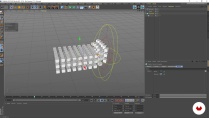
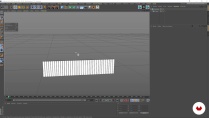
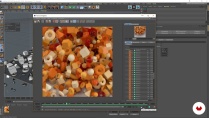
Zigor proposes three projects: the first consists of animating hard and soft elements, for which he proposes "mistreating" a head; the second is animating a furry, dancing doll; and in the third, integrating an animation into a video recorded by you.
Proyek oleh mahasiswa kursus


Untuk siapa kursus daring ini?
Illustrators, designers, animators, and anyone with an interest in 3D, animation, and motion graphics.
Persyaratan dan bahan
It is necessary to have basic knowledge of Cinema 4D, After Effects, or any other video post-production program.
As for materials, you need a computer with Cinema 4D and After Effects. For the renders, Zigor uses Cinema 4D and Octane, but you can choose the one you like the most, since in this course the most important thing is the animation.

Baru mengenal Adobe After Effects ? Jika demikian, kami sarankan Anda mengikuti kursus Domestika Basics untuk mempelajari cara menggunakan perangkat lunak ini: Pengantar After Effects .

Zigor Samaniego
Kursus oleh Zigor Samaniego
Selama lebih dari 10 tahun berkarier sebagai desainer 3D, Zigor berkesempatan bereksperimen di berbagai cabang disiplin ilmu tersebut, mulai dari membuat grafis untuk gim video, periklanan, huruf, hingga pembuatan karakter. Makhluk-makhluk ini, yang ru...
Isi
-
U 1
Introduction
-
Presentation
-
Influences
-
-
U 2
Mograph module
-
Cloning modes
-
Mograph effects I
-
Mograph II effects
-
More module options + animate with Capuccino
-
-
U 3
Hard things, soft and dynamic things
-
Hard things
-
Soft stuff
-
Mini project: mistreating a head I
-
Mini project: mistreating a head II
-
-
U 4
Bailongo doll
-
Make the dancing doll
-
Render with Cinema 4D
-
Render with Octane
-
Putting everything together in After Effects
-
-
U 5
Track a video
-
Integration with real image
-
Editing with After Effects
-
-
FP
Proyek akhir
-
3D animation for non-animators with Cinema 4D
-
Apa yang diharapkan dari kursus Domestika
-
Belajar dengan kecepatan Anda sendiri
Nikmati belajar dari rumah tanpa jadwal tetap dan dengan metode yang mudah diikuti. Anda bisa mengatur kecepatan belajar Anda sendiri.
-
Belajar dari para profesional terbaik
Pelajari metode dan teknik berharga yang dijelaskan oleh para ahli terkemuka di sektor kreatif.
-
Bertemu dengan guru ahli
Setiap pakar mengajarkan apa yang paling mereka kuasai, dengan pedoman yang jelas, semangat yang membara, dan wawasan profesional dalam setiap pelajaran.
-
Sertifikat
PlusJika Anda anggota Plus, dapatkan sertifikat khusus yang ditandatangani oleh pengajar Anda untuk setiap mata kuliah. Bagikan di portofolio, media sosial, atau di mana pun Anda suka.
-
Dapatkan kursi baris depan
Video berkualitas tinggi, jadi Anda tidak akan melewatkan satu detail pun. Dengan akses tak terbatas, Anda dapat menontonnya sesering yang Anda butuhkan untuk menyempurnakan teknik Anda.
-
Berbagi pengetahuan dan ide
Ajukan pertanyaan, minta masukan, atau tawarkan solusi. Bagikan pengalaman belajar Anda dengan siswa lain di komunitas yang sama bersemangatnya dengan Anda dalam hal kreativitas.
-
Terhubung dengan komunitas kreatif global
Komunitas ini merupakan rumah bagi jutaan orang dari seluruh dunia yang ingin tahu dan bersemangat untuk mengeksplorasi dan mengekspresikan kreativitas mereka.
-
Tonton kursus yang diproduksi secara profesional
Domestika menyusun daftar guru dan memproduksi setiap kursus secara internal untuk memastikan pengalaman belajar daring berkualitas tinggi.
Tanya Jawab Umum
Kursus Domestika adalah kelas daring yang memungkinkan Anda mempelajari keterampilan baru dan menciptakan proyek-proyek luar biasa. Semua kursus kami menawarkan kesempatan untuk berbagi hasil karya Anda dengan siswa dan/atau guru lain, menciptakan komunitas belajar yang aktif. Kami menawarkan berbagai format:
Kursus Asli : Kelas lengkap yang menggabungkan video, teks, dan materi pendidikan untuk menyelesaikan proyek tertentu dari awal hingga akhir.
Kursus Dasar : Pelatihan khusus di mana Anda menguasai perangkat lunak tertentu langkah demi langkah.
Kursus Spesialisasi : Jalur pembelajaran dengan berbagai guru ahli tentang topik yang sama, cocok untuk menjadi spesialis dengan belajar dari berbagai pendekatan.
Kursus Terbimbing : Pengalaman praktis yang ideal untuk memperoleh keterampilan tertentu secara langsung.
Kursus Intensif (Pendalaman) : Proses kreatif baru berdasarkan alat kecerdasan buatan dalam format yang mudah diakses untuk pemahaman yang mendalam dan dinamis.
Semua kursus 100% daring, jadi setelah dipublikasikan, kursus dimulai dan berakhir kapan pun Anda mau. Anda yang menentukan kecepatan kelas. Anda dapat kembali untuk meninjau apa yang paling Anda minati dan melewatkan apa yang sudah Anda ketahui, mengajukan pertanyaan, menjawab pertanyaan, membagikan proyek Anda, dan banyak lagi.
Kursus-kursus ini dibagi menjadi beberapa unit. Setiap unit mencakup pelajaran, teks informasi, tugas, dan latihan untuk membantu Anda menyelesaikan proyek langkah demi langkah, dengan sumber daya dan unduhan tambahan yang tersedia. Anda juga akan memiliki akses ke forum eksklusif tempat Anda dapat berinteraksi dengan pengajar dan siswa lain, serta berbagi pekerjaan dan proyek kursus Anda, sehingga menciptakan komunitas di sekitar kursus.
 Adobe After Effects
 Cinema 4D
 OctaneRender