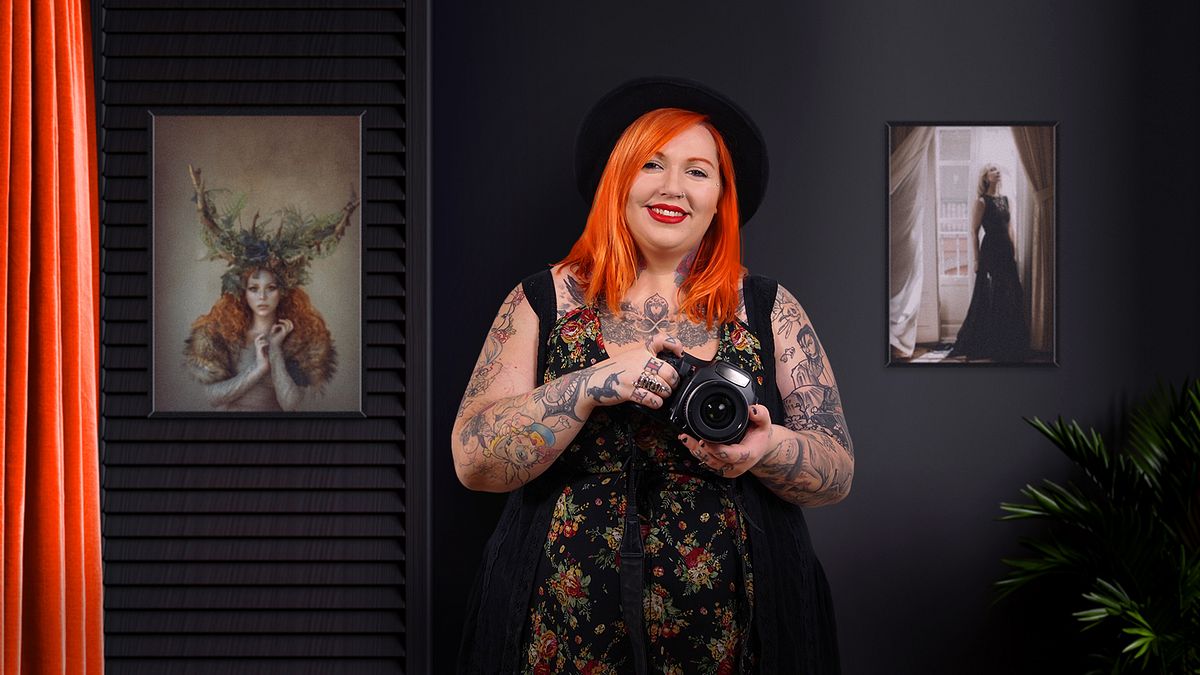
Modefotografie en digitale retouchering
A course by Rebeca SarayFotograaf en retoucheur
A course by Rebeca Saray, Fotograaf en retoucheur

Maak een redactioneel commentaar van idee tot publicatie in een modetijdschrift
Looking to create professional fashion editorials in both color and black and white? Photographer and digital artist Rebeca Saray is ready to show you her step-by-step process for doing just that.
Follow along as she guides you through the pre-production of the idea, the materials you need, the process of casting and directing models, lighting techniques for color and black-and-white photography, and retouching techniques to prepare your images for publication.
Wat leer je tijdens deze online cursus?
21 lessen & 9 aanvullende bronnen
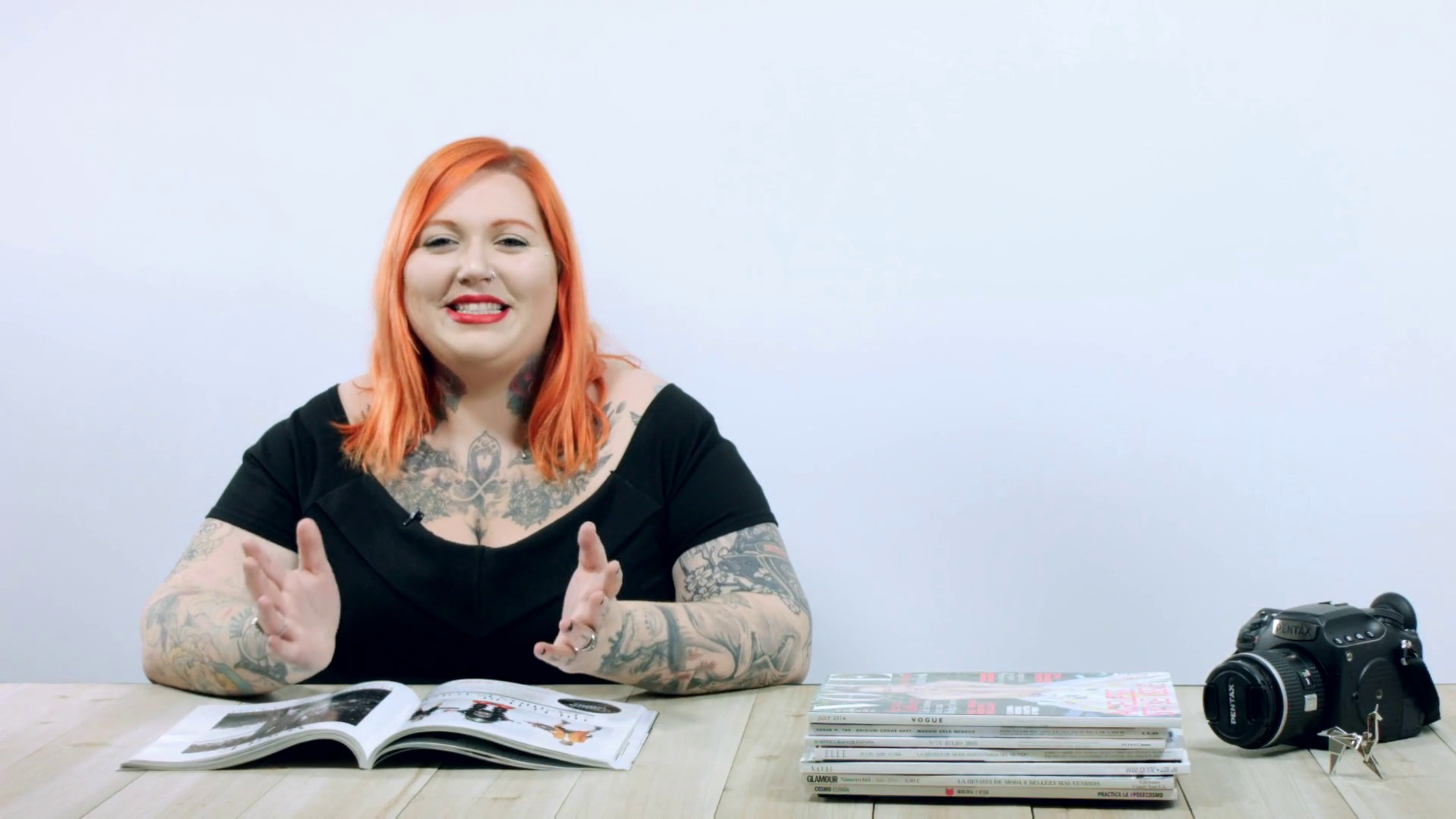
What is a fashion editorial? Commission or own production
21 minuten, 2 seconden
Creative team
17 minuten, 56 seconden
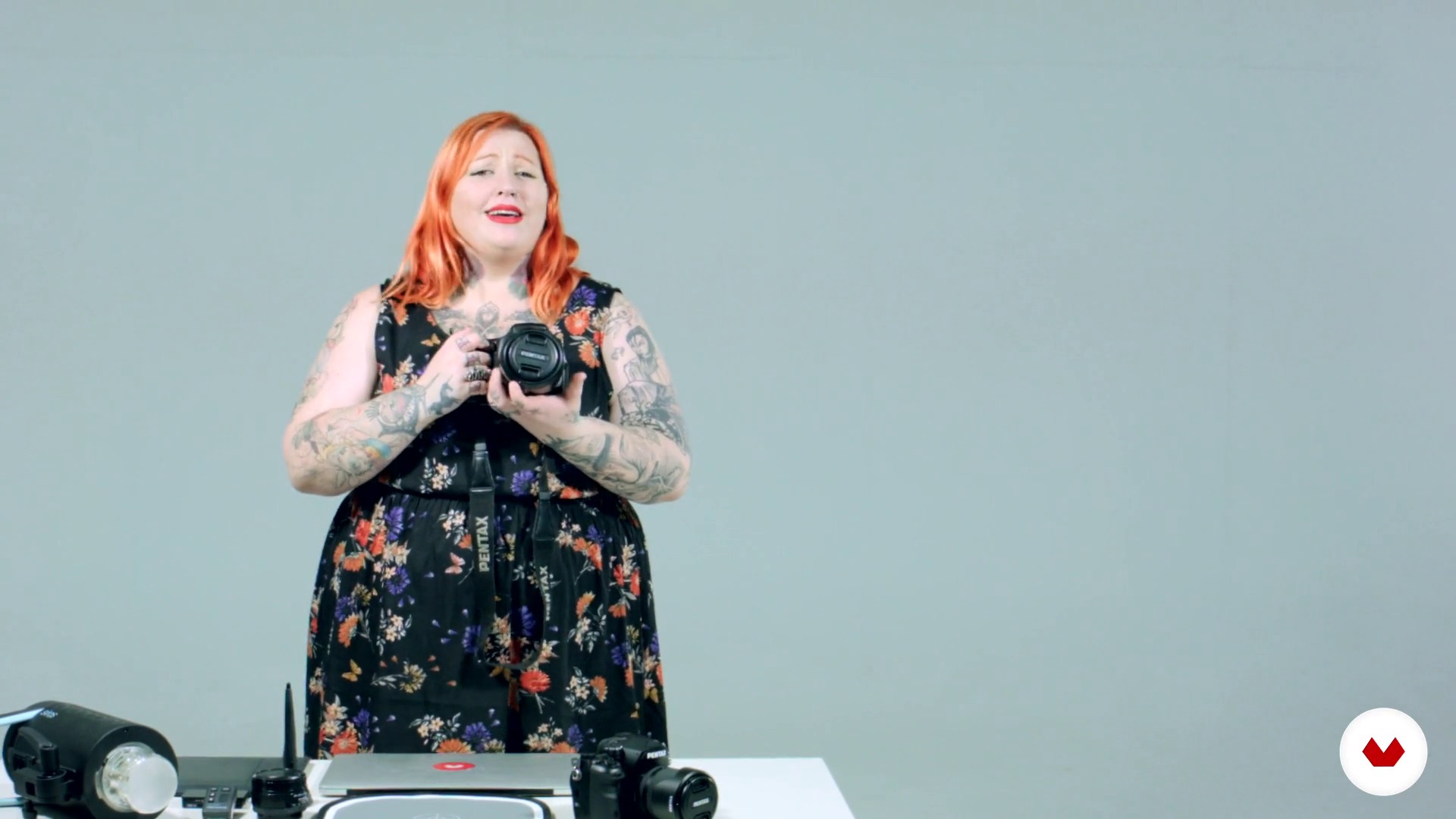
Technical team
3 minuten, 43 seconden
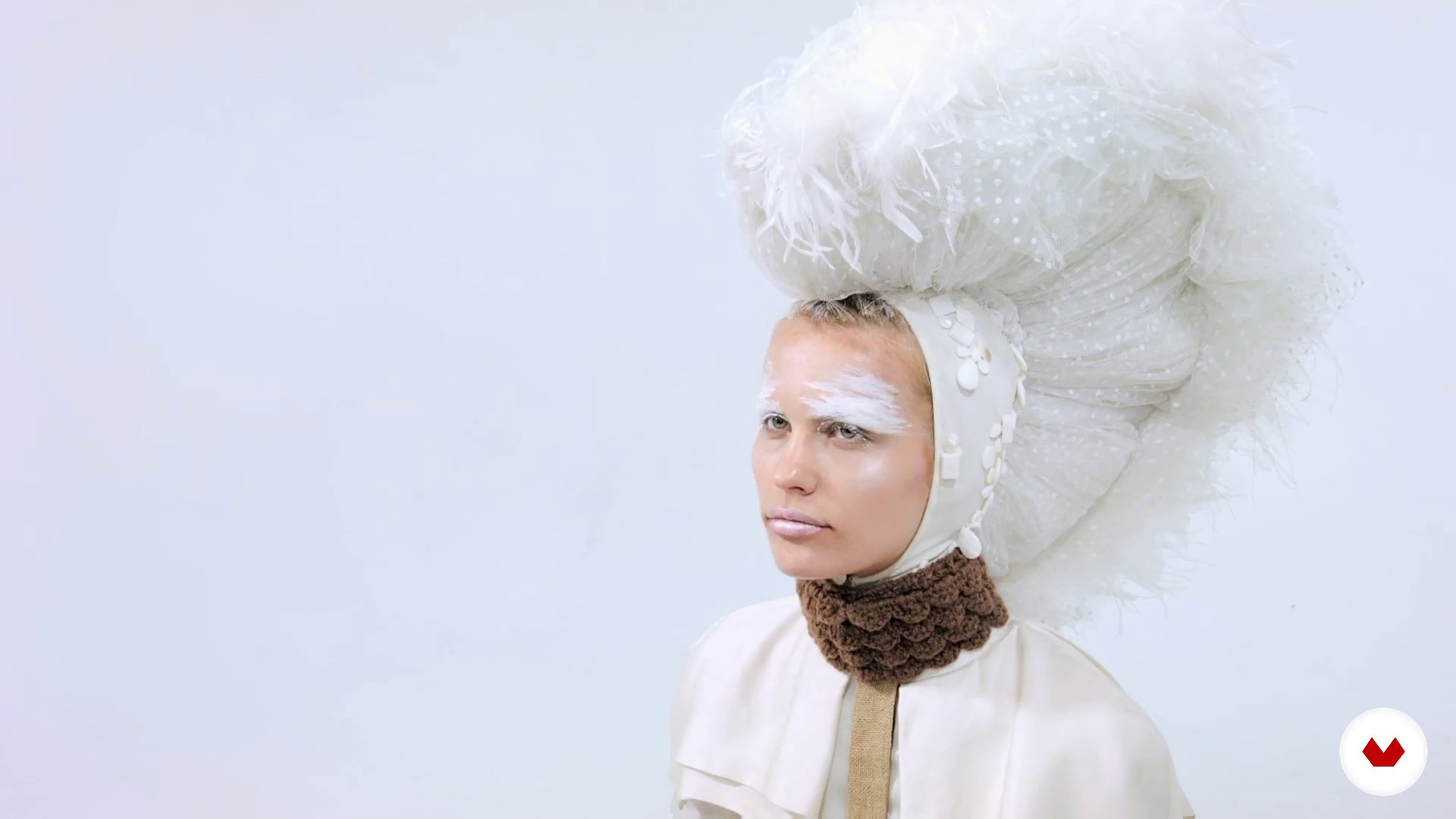
Teamwork
2 minuten, 20 seconden
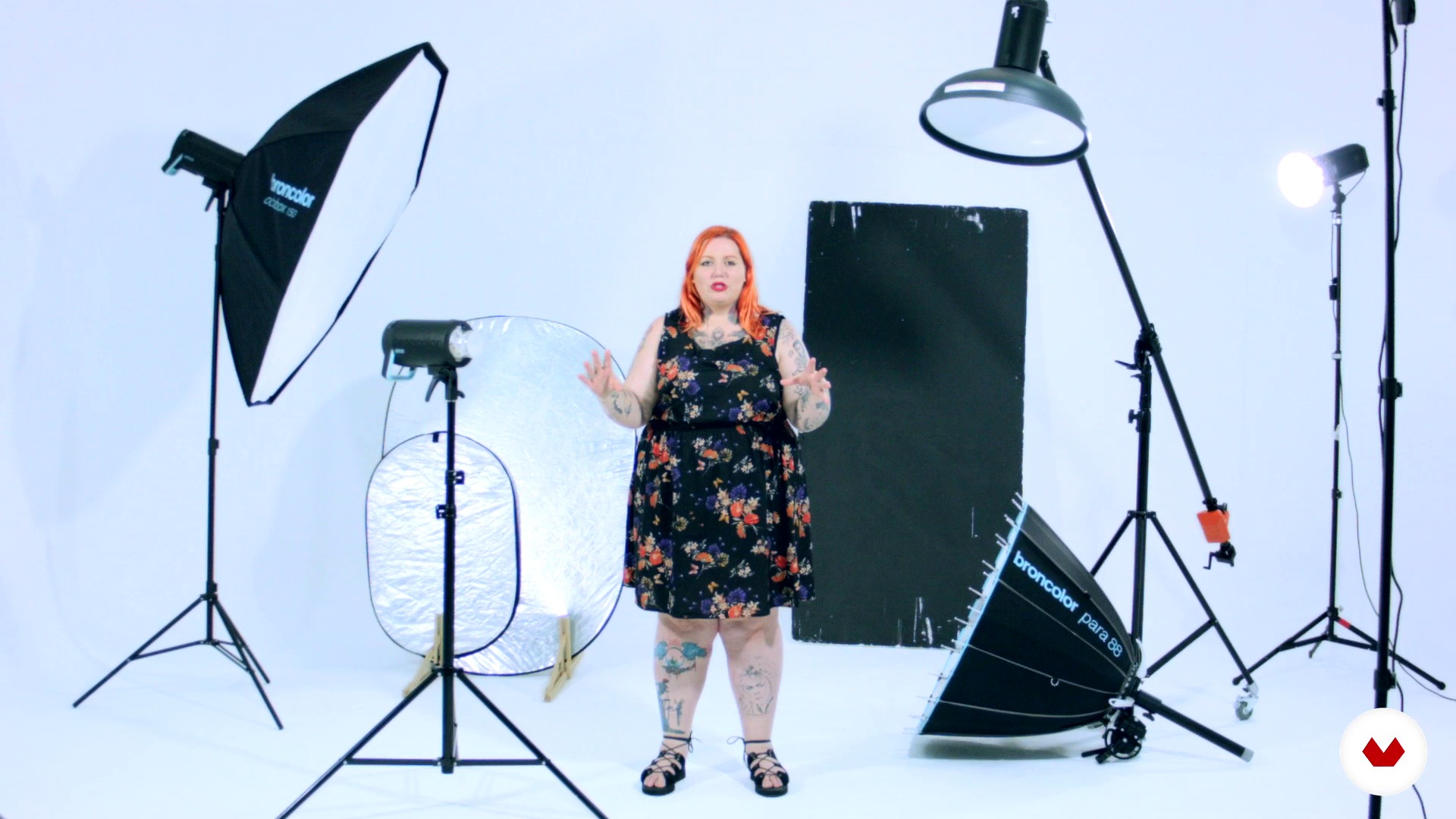
Lighting schemes and light tests
6 minuten, 13 seconden
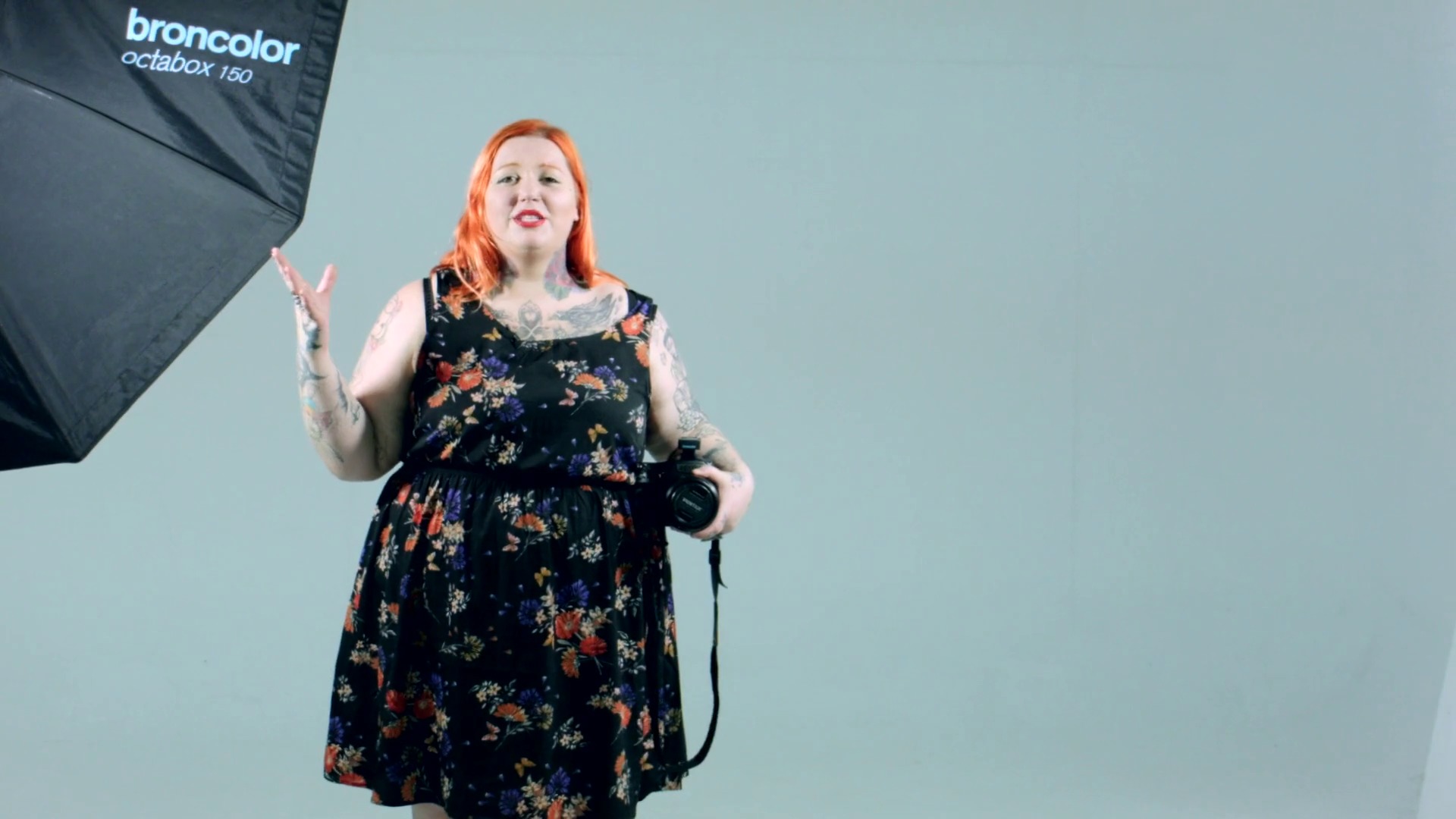
Tips before shooting in studio
6 minuten, 4 seconden
Wat is inbegrepen in deze cursus?
Kick off the course by learning more about fashion photographer Rebeca Saray, her career, and her influences.
Next, dig into the details of what a fashion editorial is and how to approach this type of assignment both in color and in black and white. Rebeca then introduces you to the different creatives involved in this team-based process and the materials you should have ready.
Before taking photos in the studio, Rebeca reviews some important elements to keep in mind, discusses lighting setups and the tests she performs, and offers some tips for photographing people.
Once your images are ready, learn to select the best ones and retouch them, taking full advantage of the possibilities the RAW format has to offer.
To close out the course, discover how to clean up backgrounds, blend and reframe photos, touch up skin imperfections, illuminate, correct color, add atmosphere, and prepare the final art in PDF so you can send it to magazines.
Recommended software & tools for this course
What is this course's project?
Design, shoot, and edit a professional fashion editorial from the initial idea all the way up through preparing your material for publication.
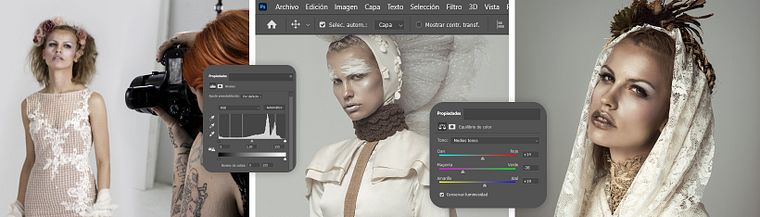
Projecten van studenten van de cursus


Who is this online course for?
Photographers; designers; fashionistas; specialists in editorial design, advertising, and brand identity; and anyone else who wants to dive into the world of fashion photography.
Requirements and materials
Previous knowledge of manual camera usage and basic retouching in Photoshop is required.
In terms of materials, you need a camera, an SD or Compac Flash card, a card reader, a computer, Photoshop, and Adobe Camera Raw. A graphics tablet is recommended but not essential.

Beoordelingen
- 8 maanden geleden
MUY BIEN EXPLICADO, TODO MUY ORGAAANIZADO Y DETALLADO
- luiselc16PLUS9 maanden geleden
Muy buen curso
- 1 jaar geleden
excelente curso nunca habia aprendido tanto
- 1 jaar geleden
Una excelente referencia y muy impecable trabajo, claro y fácil de entender, muchísimas gracias
- 1 jaar geleden
Muy buen curso, muy util

Inhoud
- U1
Introduction
- Presentation
- Influences
- U2
Preproduction
- What is a fashion editorial? Commission or own production
- Creative team
- U3
Production
- Technical team
- Teamwork
- Lighting schemes and light tests
- Tips before shooting in studio
- Working with model- Acting. Editorial 1
- Working with model- Acting. Editorial 2
- U4
Postproduction
- The selection
- The retouch
- Retouch from the Raw
- Background cleaning
- Liquify filter and reframe
- Skin Retouching I
- Skin Retouch II
- Illuminations
- Color correction
- Atmosphere and final finish
- Delivery of the work and preparation of the PDF to send to the magazines
- EP
Eindproject
- Fashion photography and digital retouching
Wat kan je verwachten van een cursus van Domestika
Leer in je eigen tempo
Geniet van thuis leren, zonder lesroosters en in je eigen tempo. Jij beslist wanneer je verder gaat met het volgende onderdeel.
Leer met de beste professionals
Leer de meest bruikbare methoden en technieken van de beste professionals in de creatieve industrie.
Ontmoet deskundige docenten
Iedere docent brengt kennis met passie over, biedt duidelijke uitleg en een professioneel perspectief bij elke les.
Certificates
PLUSIf you're a Plus member, get a persoonlijk certificaat signed by your teacher for every course. Share it on your portfolio, social media, or wherever you like.
Zorg dat je op de voorste rij zit
Dankzij de hoge kwaliteit van de video's mis je geen enkel detail. Dankzij de onbeperkte toegang kun je de lessen zo vaak bekijken als nodig is om je vaardigheden te perfectioneren.
Deel kennis en ideeën
Stel vragen, krijg feedback en bied oplossingen aan. Deel je leerervaringen met andere studenten in de community die net als jij een passie hebben voor creativiteit.
Maak contact met een wereldwijde creatieve community
Deze community heeft miljoenen gebruikers van over de hele wereld, nieuwsgierig en enthousiast om hun creativiteit te verkennen en te uiten.
Geef cursussen op een professionele manier
Domestika selecteert zorgvuldig haar docenten en produceert iedere cursus in eigen huis om een uitstekende online leerervaring te garanderen.
Veelgestelde vragen
You’ll learn how to plan, produce, and retouch fashion editorials, integrating digital illustration, art direction, managing creative teams, and professional lighting and Photoshop editing techniques.
It’s designed for those with intermediate photography and editing skills; basic experience with manual camera settings and Photoshop is recommended.
You should have a basic understanding of photography, manual camera operation, and some digital editing knowledge, especially in Photoshop.
You’ll need a DSLR or mirrorless camera, interchangeable lenses, an external flash, reflectors, and access to a computer with Photoshop installed.
Yes, you’ll learn to work with natural light, continuous lighting, and flash in both studio and outdoor settings, adapting lighting setups to fit the visual story and styling.
Yes, the course covers everything from efficient workflow to professional skin retouching techniques, frequency separation, digital liquify, and color correction.
Yes, you’ll learn how to coordinate styling, makeup, models, and assistants, as well as manage professional communication and collaboration.