Geluidsontwerp en postproductie voor video en animatie
Een cursus van Aimar Molero , Geluidsontwerper




Geluidsontwerp, postproductie en mastering met Logic Pro X en andere software

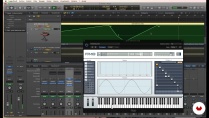
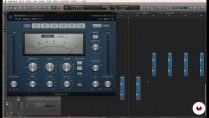
In this course by Aimar Molero, expert in sound design, learn how to add sound to a video or animation with Logic Pro X. Many of the solutions that Aimar proposes to the most common problems when adding sound and music to a piece are applicable to other software as well, such as GarageBand and Adobe Premiere.
The objective of the course is to provide all kinds of audiovisual professionals (animators, motion graphers, filmmakers, etc.) with useful resources and help them gain independence from the "sound guy" when working on different projects. The result is more than just correctly synchronizing image and sound—it's also about conveying emotions that round out an image and add realism to what is being represented.
Wat leer je tijdens deze online cursus?
27 lessen & 15 aanvullende bronnen
- 99% positieve beoordelingen (202)
- 6.162 studenten
- 27 lessen (6u 42m)
- 15 aanvullende bronnen (8 bestanden)
- Online en in je eigen tempo
- Beschikbaar in de app
- Audio: Spaans, Engels, Frans, Italiaans, Portugees, Türkçe
- Spaans · Engels · Portugees · Duits · Frans · Italiaans · Pools · Nederlands · Türkçe
- Niveau: Beginner
- Onbeperkte toegang voor altijd
Aanbevolen software en tools voor deze cursus
 Adobe Premiere
Wat is het cursusproject?
The final project is to sound an animation piece that either you or a friend has created, or one of the examples that are provided in the course, using the tools that are explained throughout the lessons.

Projecten van studenten van de cursus


Voor wie is deze online cursus bedoeld?
This course is for any audiovisual or motion-graphics professional who feels somewhat lost when they talk about audio or wants to gain independence in their work. The course is also appropriate for people who want to get started in the world of sound or those who are curious about learning about a different work methodology within sound design.
Vereisten en materialen
No prior knowledge of sound or Logic Pro X is required. However, experience working with a DAW or digital audio workstation and familiarity with sound and music basics will help you complete the course.
As for the materials, to take this course you need a computer with any program that allows you to work with different tracks, move and edit the audio regions, and add effects.
In addition, speakers other than those on your laptop or a set of headphones are necessary. The project and the lessons are completed in Logic Pro X, but you can use GarageBand (which is very similar to Logic and free) or even a video-editing program such as Adobe Premiere if it meets the requirements listed above. Some additional resources are provided to guide your work on other platforms.

Beoordelingen

Aimar Molero
Een cursus van Aimar Molero
Aimar Molero werd geboren in Barcelona, maar bracht zijn jeugd en adolescentie door in een klein stadje in Burgos. Hij begon daar met muziek maken en is sindsdien onafgebroken betrokken bij de audiowereld. Gelukkig is sound design, de discipline waarin...
Inhoud
-
U1
Introduction
-
Presentation
-
Influences
-
-
U2
Basic notions
-
Sound I
-
Sound II
-
Sound III
-
Music I
-
Music II
-
Music III
-
Union between video and sound I
-
Union between video and sound II
-
-
U3
Preproduction: how to get the material with which we will work
-
Raise our piece
-
How to get your sounds
-
Clean, name and organize your sounds I
-
Clean, name and organize your sounds II
-
-
U4
Production: 100% common in any software
-
Working the sound I
-
Working the sound II
-
Working the sound III
-
Working the sound IV
-
Working music I
-
Working music II
-
-
U5
Post-production: 90% common in any audio software
-
Typical operation of an audio software
-
Work more thoroughly the sound I
-
Work more thoroughly the sound II
-
Work more deeply on music I
-
Work more thoroughly music II
-
-
U6
"Masterize" and Export
-
Take out the master of your piece I
-
Remove the master of your piece II
-
-
EP
Eindproject
-
Sound Design and Postproduction for Video and Animation
-
Wat kan je verwachten van een cursus van Domestika
-
Leer in je eigen tempo
Geniet van thuis leren, zonder lesroosters en in je eigen tempo. Jij beslist wanneer je verder gaat met het volgende onderdeel.
-
Leer met de beste professionals
Leer de meest bruikbare methoden en technieken van de beste professionals in de creatieve industrie.
-
Ontmoet deskundige docenten
Iedere docent brengt kennis met passie over, biedt duidelijke uitleg en een professioneel perspectief bij elke les.
-
Certificaten
PlusAls Plus-lid krijg je voor elke cursus een persoonlijk certificaat, ondertekend door je docent. Deel het in je portfolio, op social media of waar je maar wilt.
-
Zorg dat je op de voorste rij zit
Dankzij de hoge kwaliteit van de video's mis je geen enkel detail. Dankzij de onbeperkte toegang kun je de lessen zo vaak bekijken als nodig is om je vaardigheden te perfectioneren.
-
Deel kennis en ideeën
Stel vragen, krijg feedback en bied oplossingen aan. Deel je leerervaringen met andere studenten in de community die net als jij een passie hebben voor creativiteit.
-
Maak contact met een wereldwijde creatieve community
Deze community heeft miljoenen gebruikers van over de hele wereld, nieuwsgierig en enthousiast om hun creativiteit te verkennen en te uiten.
-
Geef cursussen op een professionele manier
Domestika selecteert zorgvuldig haar docenten en produceert iedere cursus in eigen huis om een uitstekende online leerervaring te garanderen.
Veelgestelde vragen
Wat zijn de online cursussen van Domestika?
Domestika cursussen zijn online lessen waarmee je nieuwe vaardigheden kunt leren en ongelooflijke projecten kunt maken. Al onze cursussen bieden de mogelijkheid om je werk te delen met andere studenten en/of leraren, waardoor een actieve leergemeenschap ontstaat. We bieden verschillende formaten:
Originele Cursussen: Volledige lessen die video's, teksten en educatief materiaal combineren om een concreet project van begin tot eind te realiseren.
Basics Cursussen: Gespecialiseerde trainingen waarin je specifieke software-tools stap voor stap beheerst.
Specialisatie Cursussen: Leerpaden met verschillende expert-leraren over hetzelfde onderwerp, perfect om specialist te worden door te leren van verschillende benaderingen.
Begeleide Cursussen: Praktische ervaringen, ideaal om direct specifieke vaardigheden te verwerven.
Intensieve cursussen (Deep Dives): Nieuwe creatieve processen gebaseerd op kunstmatige intelligentietools in een toegankelijk format voor diepgaand en dynamisch begrip.
Wanneer beginnen de cursussen en wanneer eindigen ze?
De cursussen zijn 100% online, dus zodra ze gepost zijn, beginnen en eindigen de cursussen wanneer jij dat wilt. Jij bepaalt het tempo van de les. Je kunt opnieuw bekijken wat je belangstelling heeft, overslaan wat je al weet, vragen stellen, twijfels wegnemen, je projecten delen en nog veel meer.
Wat bevatten de cursussen van Domestika?
De cursussen zijn onderverdeeld in verschillende onderdelen, elk met lessen, verklarende teksten, taken en praktische oefeningen om je project stap voor stap uit te voeren, aanvullende bijgevoegde bronnen en documenten. Je krijgt ook toegang tot een exclusief forum waar je kunt communiceren met alle studenten van de cursus en de docent, en waar je ook je werk en het project waar je aan werkt kunt delen, om zo een community rond de cursus te creëren.
Heb je een cursus cadeau gekregen?
Je kunt een als cadeau gekregen cursus inwisselen door naar de inwisselpagina te gaan waar je de cadeaucode die je hebt gekregen kunt invoeren.
 Adobe Premiere
Excelente curso, aprendí muchas cosas nuevas para mi
Con diferencia es el mejor curso al que he entrado, el profesor es todo un personaje y se ve que entiende y le apasiona el tema, que cada vídeo dure de 10 a más de 20 minutos es una pasada, por el precio que tiene me parece la mejor inversión de mi vida, fácilmente el mejor contenido audiovisual en la internet entera para aprender sobre sonido, producción y música
Falta preparar mejor el contenido, titubea demasiado y se extiende en las explicaciones de manera innecesaria, lo cual podría arreglarse con postproducción, pero es entendible cuando él mismo dice que el vídeo no es su fuerte. Sin embargo, la calidad del audio también es deficiente: la voz se escucha poco y los efectos/sonidos demasiado. Se valora la eliminación del ruido exterior, la experiencia y el conocimiento que demuestra. Espero poder rescatar algo valioso en el resto del curso.
interesting...
Un curso interesante de sonido y postproducción.