


Human Interest Stories Profile Outline
por Shawn Day @shawnday559
- 383
- 0
- 0
Introduction
I wrote an outline for a profile on a creative person. The person I chose is a director of a conservatory in Antwerp. This is actually part of a novel that I want to write, and the outline I wrote was for a fictional character who I interviewed to learn more about the character, their career trajectory, and what they do at this fictional conservatory.
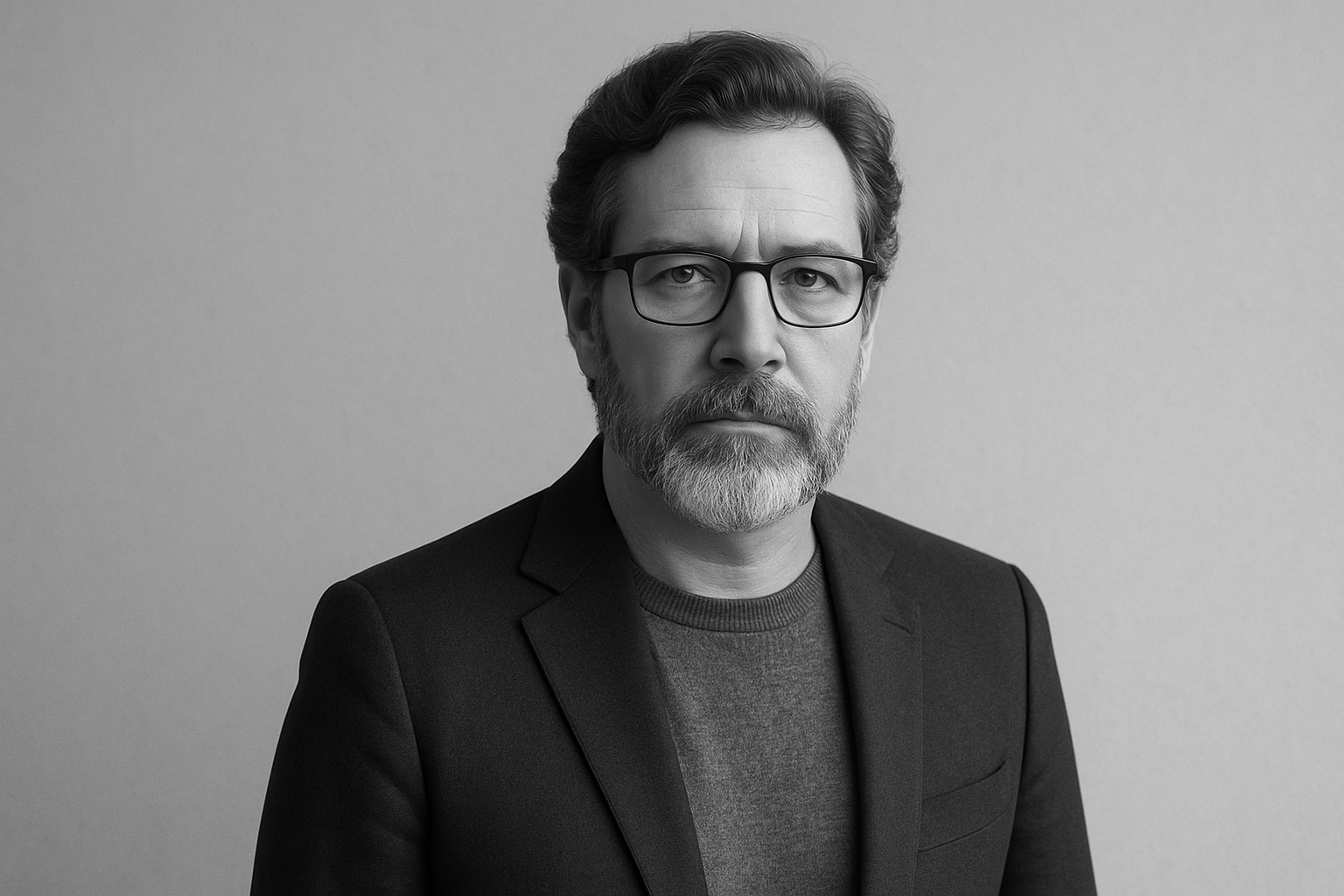
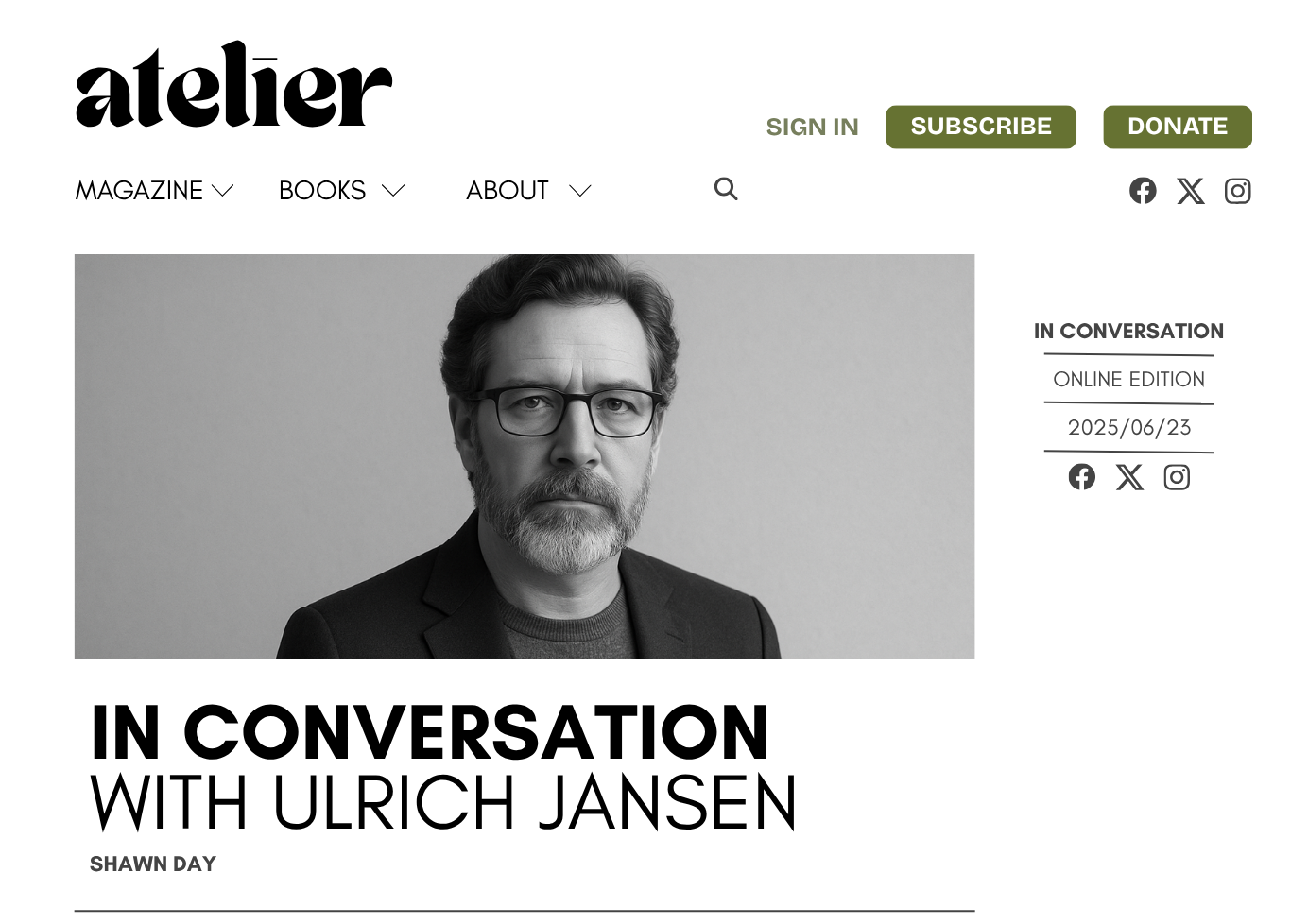
*AI Generated Image below
Supplies
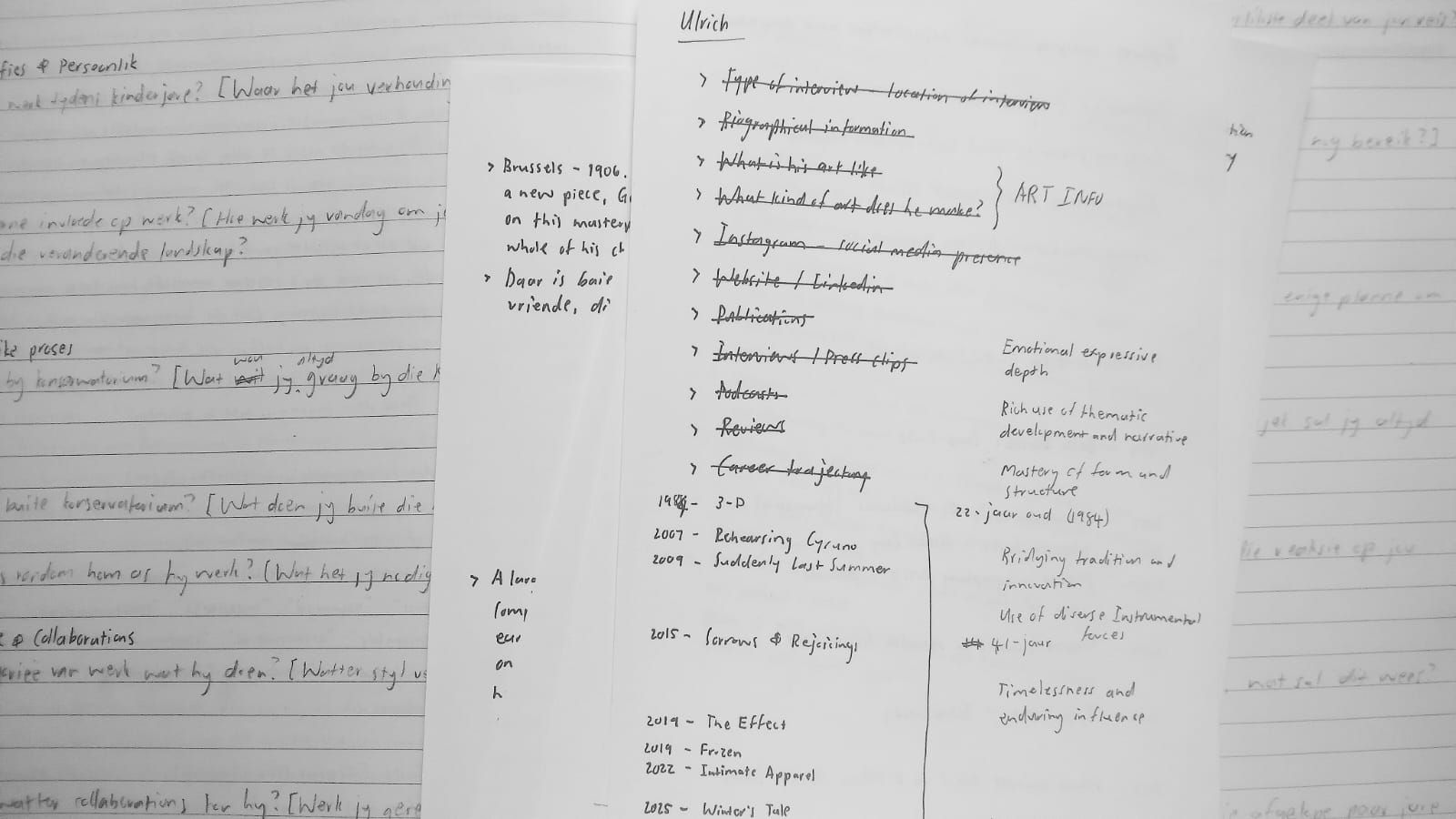
I opted to do physical notes for this, and then transcribed it to an MS Word Document
Introduction
Hi there. My name is Shawn Day. I am a South African storyteller, and I enjoy writing in various media. I believe that it is important to find the right container – as Ursula K. Le Guin says “carrier bag” – for a story. And I find it important to understand various forms of storytelling to find the right container in which to fit my story. That’s why it’s important for me to explore different worlds in fiction and to never get comfortable in a specific form; to always get out of my comfort zone when I am taking on a new writing project.
Storytelling holds a special place in my life as I grew up with bedtime stories by my grandfather. They brought endless joy and laughter, and they were a great way to bring us all together. It’s the image of a group of people gathered by a campfire listening to someone telling a story of their adventures that day. Stories allow us to bring people together and to help us better understand the world in which we live – to make sense out of it and to help us survive.
It also serves as a great way to explore different worlds and people. I am an extremely curious person (sometimes to my own detriment), and reading stories and telling stories allows me to go on different adventures to other periods in history and to meet people with lifestyles and histories so different to my own. And through them, I can explore my own life and understand my own worldview. It’s really a medium that allows us to time travel and travel to different places in a matter of pages.
I recently read an article by Rosey Lee, author of the Gardins of Edin series. This was my first time being acquainted with this author, but she wrote a moving account of the history of health-related problems in her family, and how she takes a lot of inspiration from this to work into her writing. She does this to bring awareness about access to healthcare. And I find this really inspiring, especially in the way that personal relations can strengthen ideas and themes you want to explore in your own writing.

Research & Prep
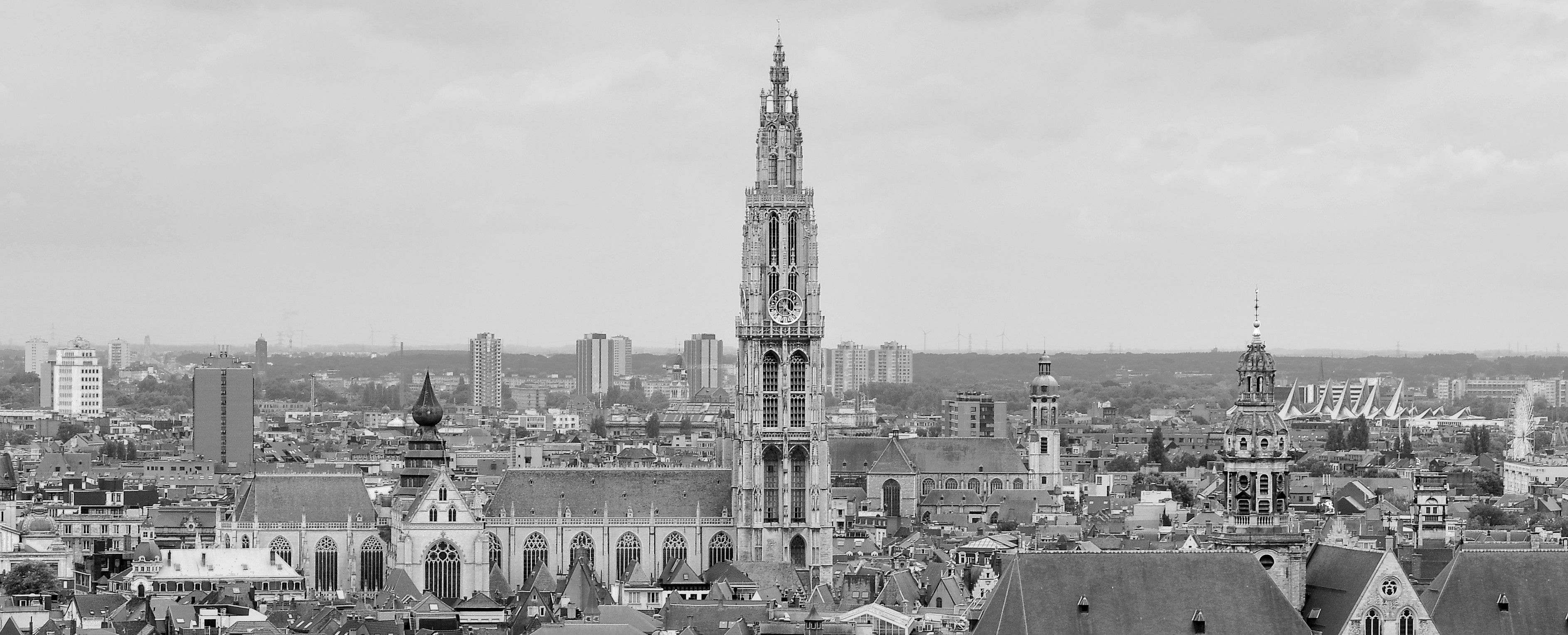
My subject grew up in a small historical city that is famous for historic tourism, and went to study music in a vibrant and lively city. They first returned to their hometown, and then settled at a conservatorium in Antwerp, an energetic and ambitious city that inspires a sense of possibility and forward-thinking. The city’s night life, culture, culinary experiences, and fashion inspired my subject to work with innovation in their music, but still being tied to Romantic traditions of the historic city they grew up in.
There is a Gothic/Baroque style present in both places they grew up in, and reflects the inspiration of Romantic music in their work. Both cities are rich in culture, but they exchanged history and tradition for diversity and innovation, something also very evident in their work. In contrast to the city that they grew up in, Antwerp is a bustling city, and the air often smells of gas and pollution. But you can almost be sure that this is why everyone is filled with so much energy and vibrancy.
Outline
Subject Matter: Writing about Ulrich’s retirement from Coster’s Muziekacademie in Antwerp, his plans for after his retirement, and what he would like to leave behind for future musicians from the conservatory. This profile presents a broad introduction to his journey with music, but mainly focuses on what he would like to give the students who study at the conservatory in the future.
Major Themes Discussed: The importance of curiosity, the legacy that he is leaving behind, his journey with innovation and tradition, and how he is working to adapt his work to a changing audience and a changing music scene in Antwerp.
General Article Outline: Ulrich was inspired by music from a very young age by “an aunt who used to play the piano very well”. He never received any formal lessons, but his family had a piano on which he taught himself how to play the piano. “I just tuned my own ear to the music and learned how to read it.”
His main goal at the conservatory was to inspire a younger generation of musicians to constantly be looking for innovation in a world so deeply rooted in tradition. He believes that deconstructing traditional music is a valuable tool in creating a new landscape for music. “The goal was to continue to preserve traditions in music, but to make sure that people find innovative ways to use that music.”
Outside of the conservatory, it is important that he spends time with his family.
He prefers the collaborative nature of working with other people on creating projects. He enjoys working by himself, but working with other people has always been more productive and innovative than standing in front of a creative project by yourself. “Overall, it's always nice to have someone else who can help you see the work with new eyes.”
Process/Goals: He sees his process as a constant learning endeavour. He never stops learning, and never stops growing in his creative journey. “There will always be something new to learn, and creating art is a continuous process of growth. Every new project brings something new, and you learn so much through it. And I have learned that from many of my students.”
It's important to him to always question the work that he is creating, and to never be completely satisfied with it, even after finalizing the project. “I struggle to ever be completely satisfied with my own work. I often think afterwards about what we could have done better, or what we could have done differently.”
The one thing that he would like upcoming musicians to take along on their journey is to always be curious about what they are doing, to always ask questions about the music they are making, and to always think about the long-lasting impact of the music they are making. “New musicians should never stop being curious, and they should always think about how they can approach and perform a composition differently. Always be curious, and never stop looking for other possibilities.”



0 comentarios
Entra o únete Gratis para comentar