- 5.0100% positive reviews(1)
- 444 students
- 66 lessons (9h 43m)
- 61 additional resources (32 files)
- Online and at your own pace
- Available on the app
- Audio: Spanish, Polish, German, Italian, French, Portuguese, Indonesian, Turkish, Romanian, English, Dutch
- Spanish · English · Portuguese · German · French · Italian · Polish · Dutch · Turkish · Romanian · Indonesian
Level:
Beginner- Unlimited access forever

Transform experiences into captivating narratives with techniques from autobiographical writing, fiction, and travel writing
Discover the exciting world of experiential writing with guidance from experts like César Tejeda, Aloma Rodríguez, Daniel Saldaña, Aniko Villalba, and María José Caro. Learn to transform your personal experiences into authentic and captivating narratives that capture the essence of everyday life. From autobiography to creative writing and nonfiction storytelling, you'll find tools to explore your memories and turn them into impactful literature. Each lesson will help you develop a unique voice and narrative style, enriching your ability to create stories that deeply resonate with readers.
This specialization offers an immersive experience in introspective writing, teaching you how to transform personal journals into structured narratives, document journeys with an emotional focus, and write short stories based on real-life experiences. Through practical exercises and final projects, you will develop a cohesive body of work that reflects your ability to transform human experience into art. Join this literary exploration and discover the power of your memories by turning them into universal stories that resonate with others.
What will you learn in this specialization?
 1
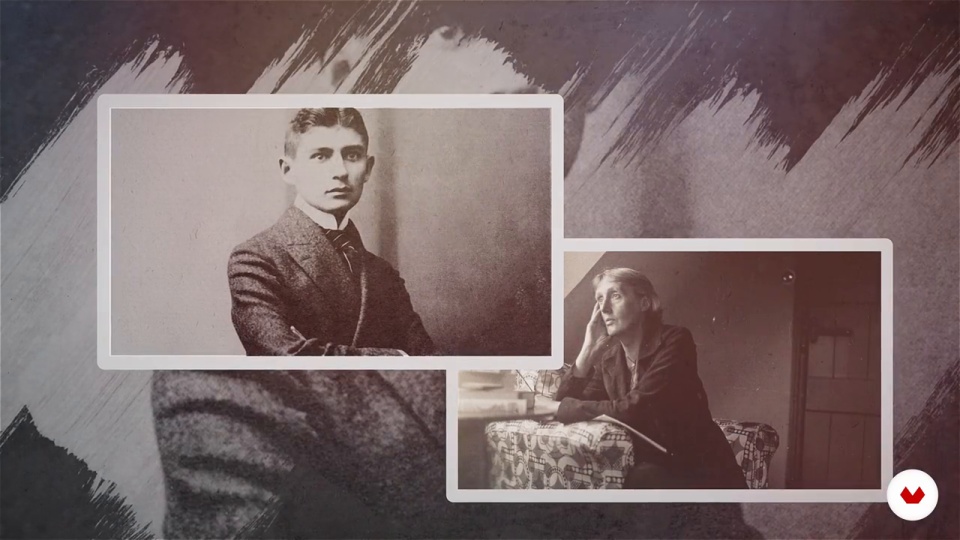
Introduction
Personal writing opens a path to memory and imagination, transforming everyday experiences into meaningful narrative material. Through historical and contemporary examples, you will discover how introspection can become art and a powerful tool for self-knowledge. Each blank page becomes an invitation to explore your own voice and your inner world.
1m
 2
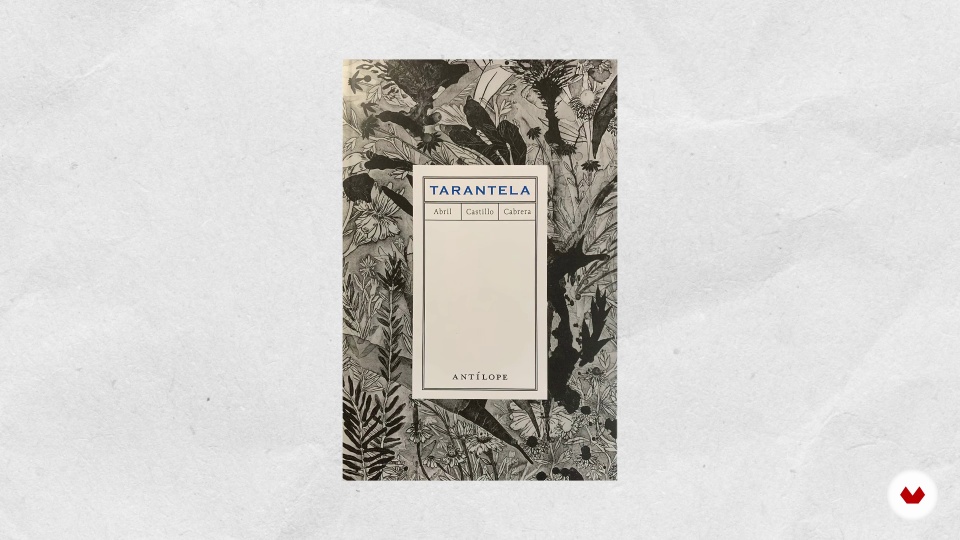
Influences | Cesar Tejeda
Now I want to share with you some of my teachers and teachers in the art of teaching writing.
7m
 3
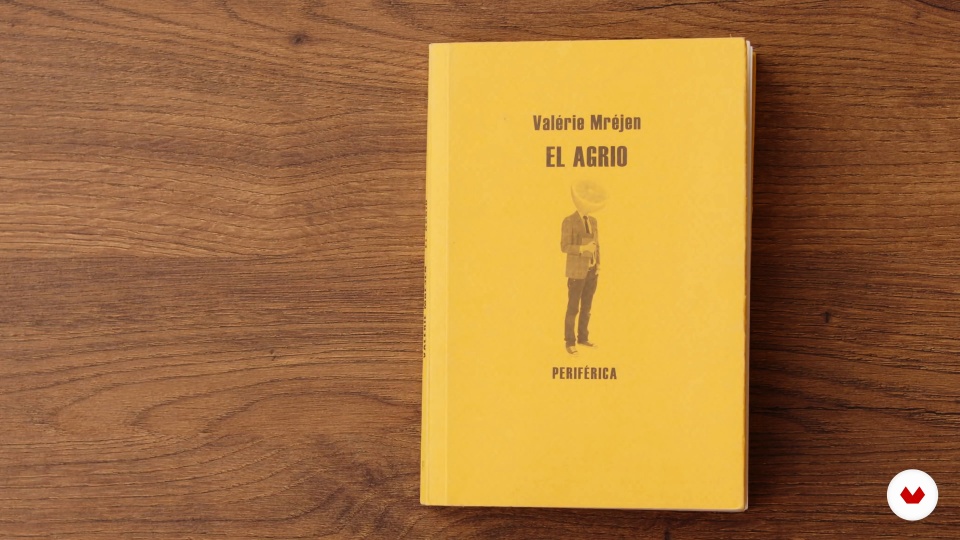
Influences | Aloma Rodriguez
From my point of view, literature, art in general, is a great conversation: writing is also putting our work in dialogue with that of those we admire. In this lesson I will tell you about my main influences.
11m
 4
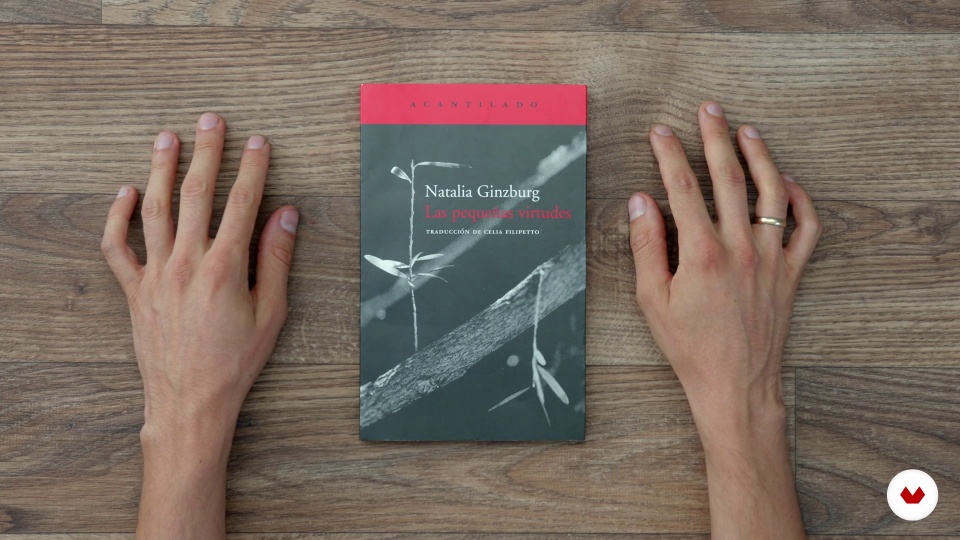
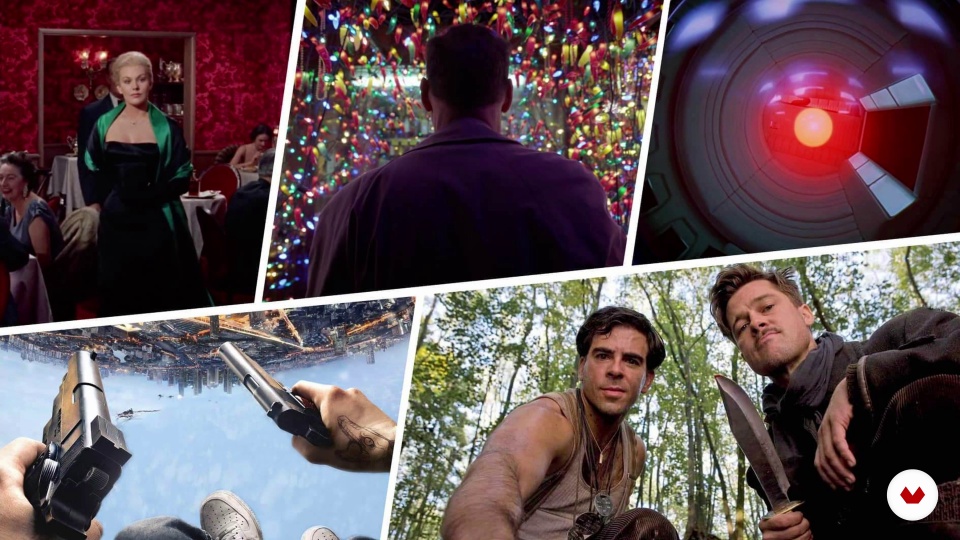
Influences | Daniel Saldaña
I will give you a brief tour of some of the books and films, related to this course, that have marked me the most.
8m
 5
Influences | Aniko Villalba
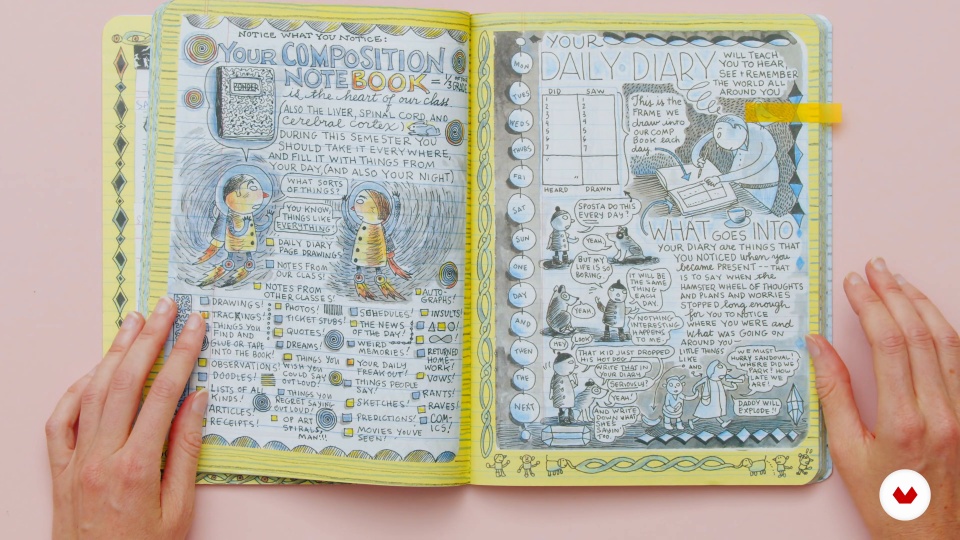
Our referents model our work and the way of approaching it. Now I am going to tell you which artists and authors inspire me and what I borrowed from each one for my travel notebooks.
7m
 6
Influences | Maria Jose Caro
Now I want to talk to you about the books and movies that influenced me to encourage me to write. Our references shape our style and our trajectory!
11m
 4
Discussions around autobiographical writing
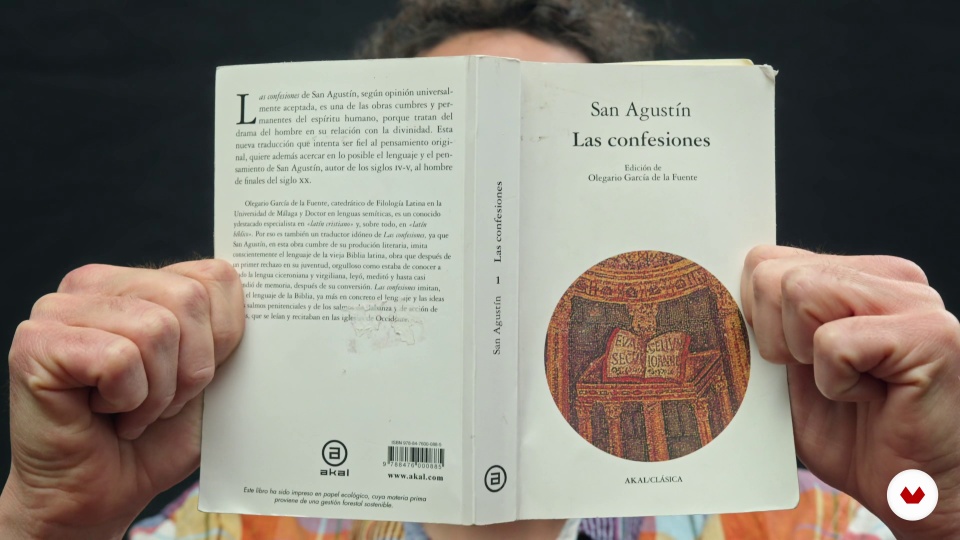
Although it seems strange, autobiographical writing provokes discussions among those of us who dedicate ourselves to the profession of writing. I'm going to tell you what they are so that you know their origins and take your own conclusions.
10m
 5
Center of gravity
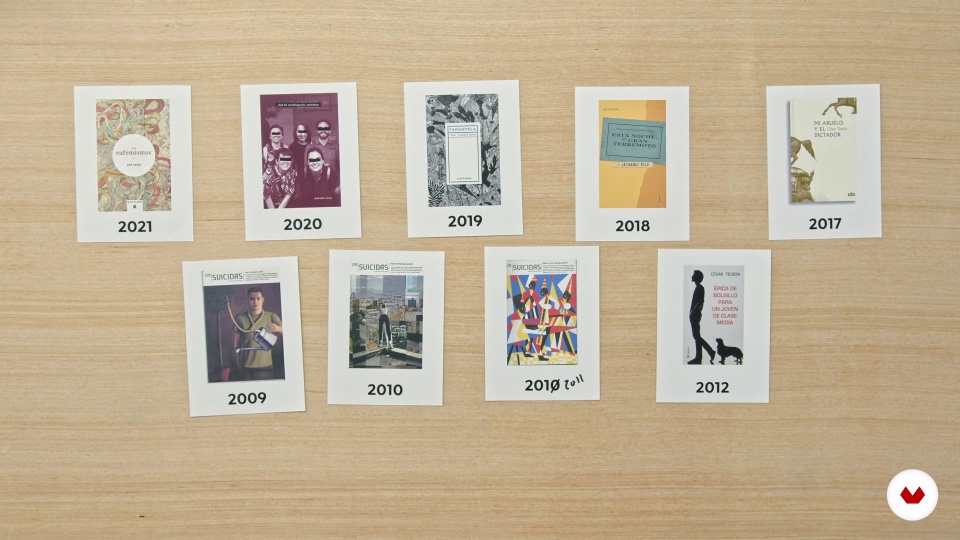
I start from a premise: if time is not the best element we have to organize our autobiographical stories, what can we use to channel them?
9m
 6
Autobiographical genres
Next, I am going to briefly expose a typology of autobiographical genres. This has no academic purpose, I did it with the simple objective of organizing the conversation, hoping that it will be useful to you in some way.
10m
 7
Narrative tools
This is a theoretical lesson where I will talk about the tools that serve to recreate the passage of time and keep the attention of our readers.
6m
 8
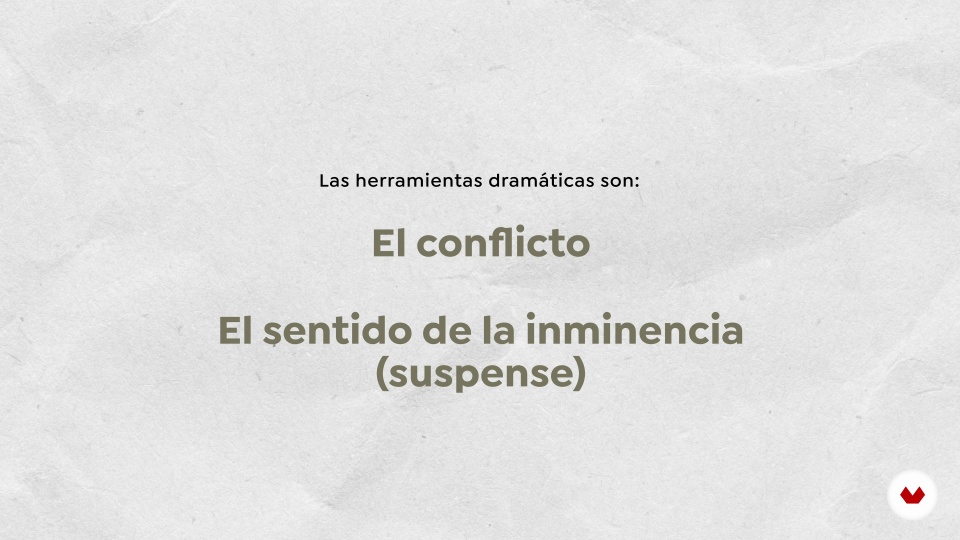
Dramatic tools
In my life as an editor, I have come across autobiographical projects a few times that do not use dramatic tools. These help us to create expectations and dramatic tension, two elements that are essential to capture the attention of viewers.
7m
 9
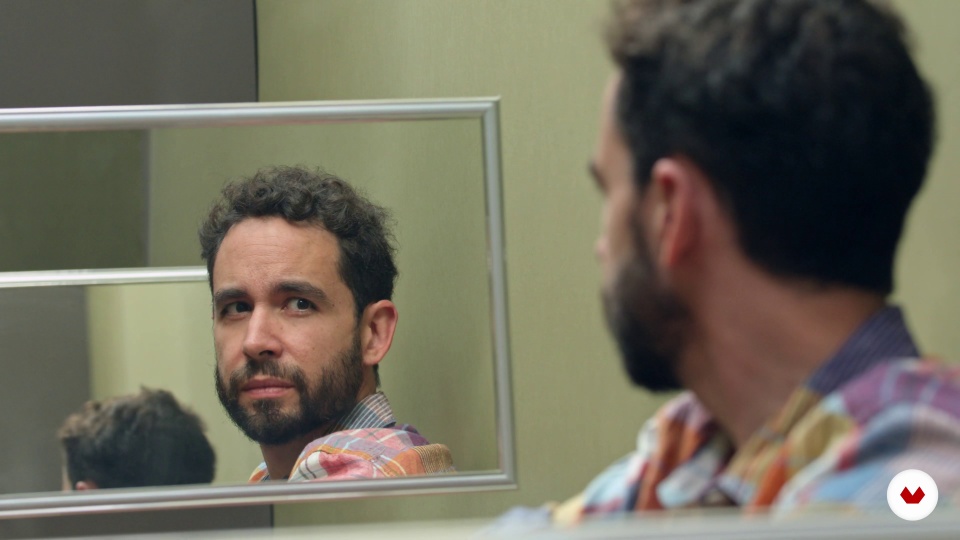
Betrayals of memory
Be aware that memory is a whimsical tool, but that its whims, far from hindering autobiographical writing, can serve and inspire.
8m
 10
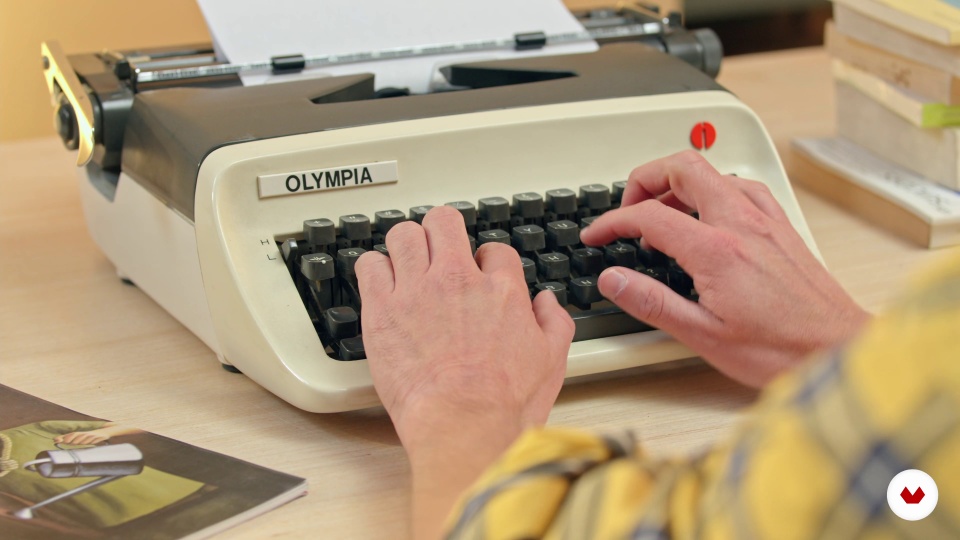
Documentary writings and intertextual writings
In this lesson you will learn how to use objects to document reality and you will also learn that your texts can coexist directly with others.
11m
 11
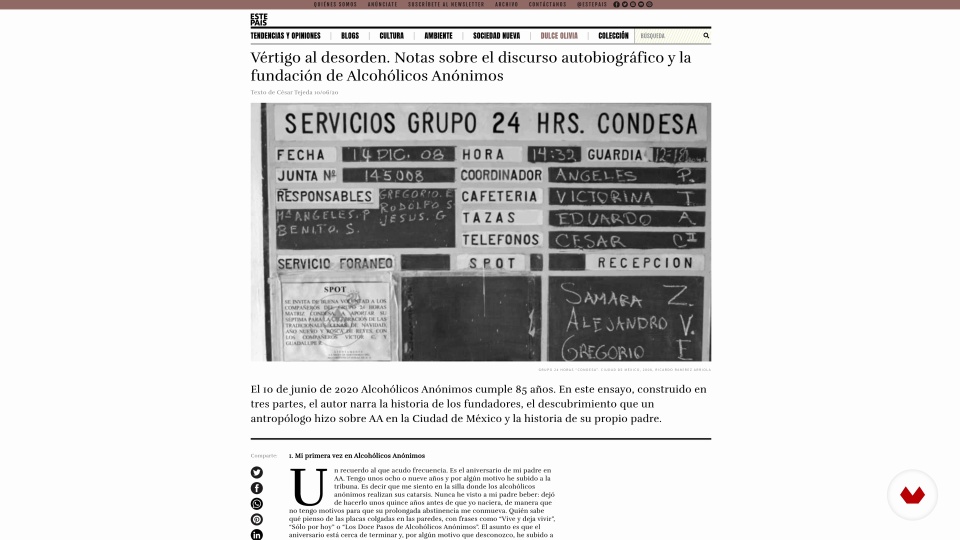
Open structures
Now I will show you how to plan open structures that allow you to improve your creative processes.
8m
 12
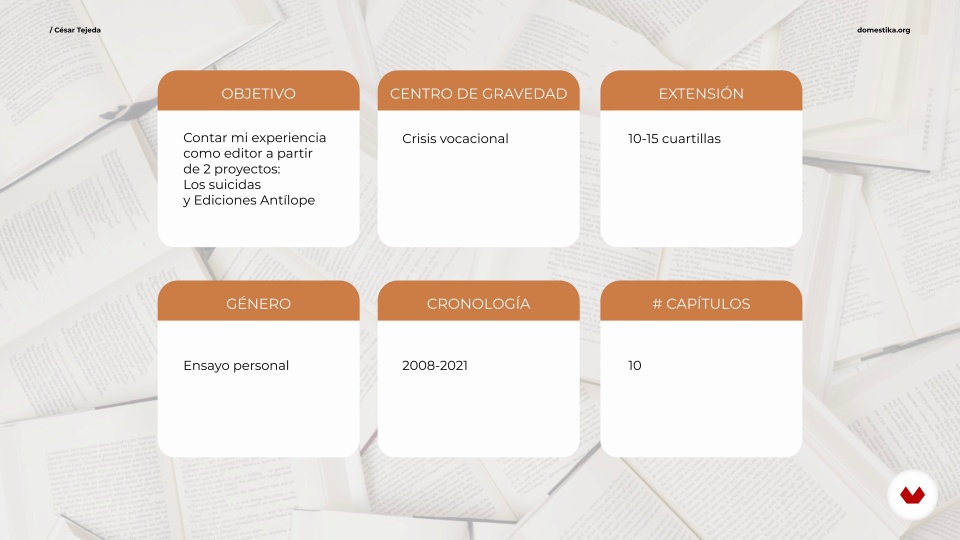
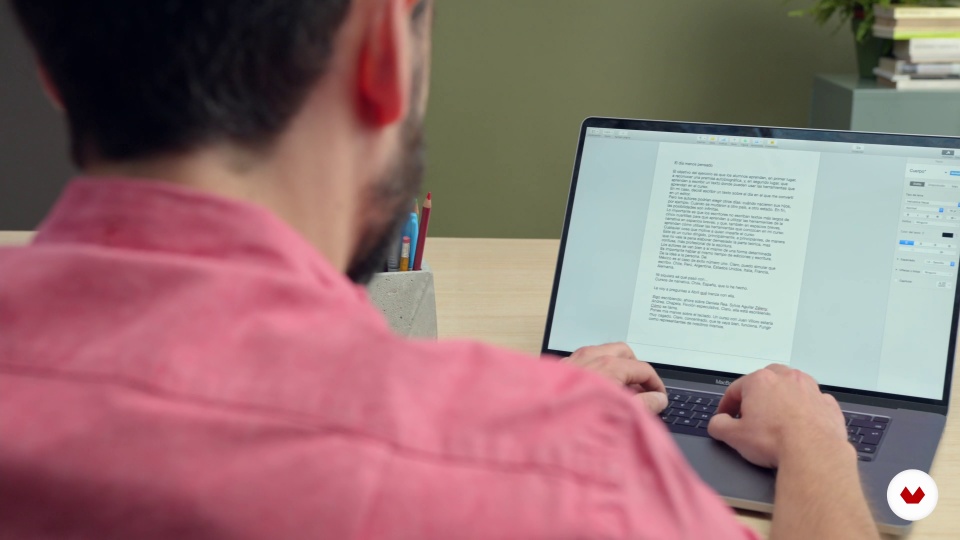
Tips for carrying out the writing
I will give you some examples of how I carry out my writing processes, with the intention that you incorporate them into your own processes and develop yours.
9m
 13
From the short story to the autobiographical novel
In this lesson I will talk about how the tools you have acquired in life, beyond writing, can serve you when you want to undertake bigger projects.
6m
 14
And after writing, what do I do with my work?
Once you've started writing fit, what are the next steps to pursue your career?
4m
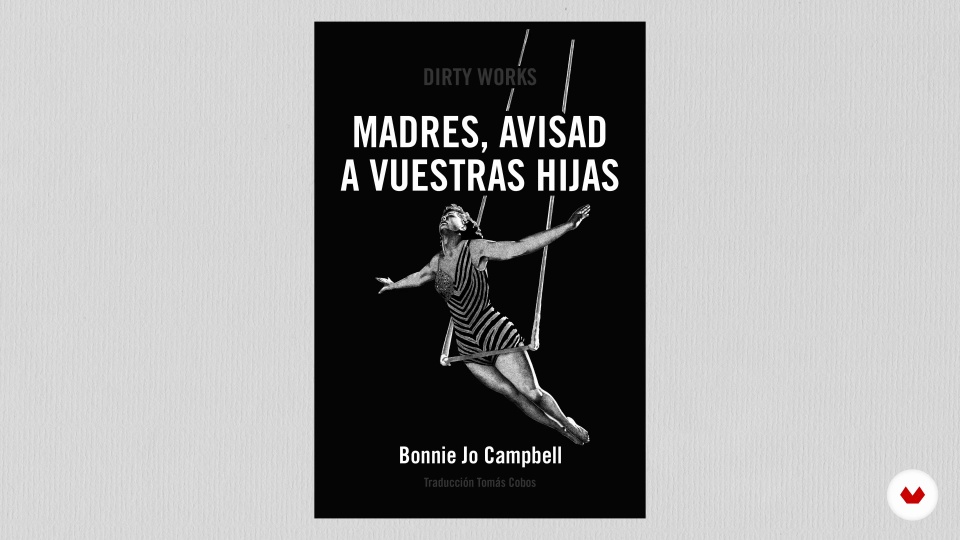 3
Introduction to Writing
To start, I will expose some basic notions about the story as a narrative genre and I will read some of my favorite stories to find inspiration or models.
11m
 4
Routine and Rituals
Writing is above all a physical activity. In this lesson we will explore the material and physical side of writing.
5m
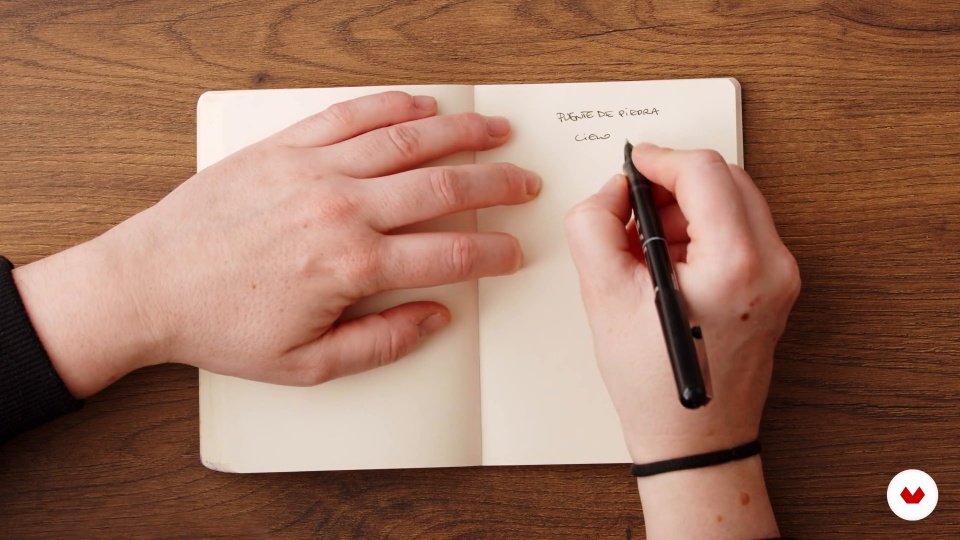 5
Writing Exercises
Before you start writing your story, I propose some exercises to wake you up and encourage you to write. We have a fundamental tool: observation, because writing is also a certain way of looking.
12m
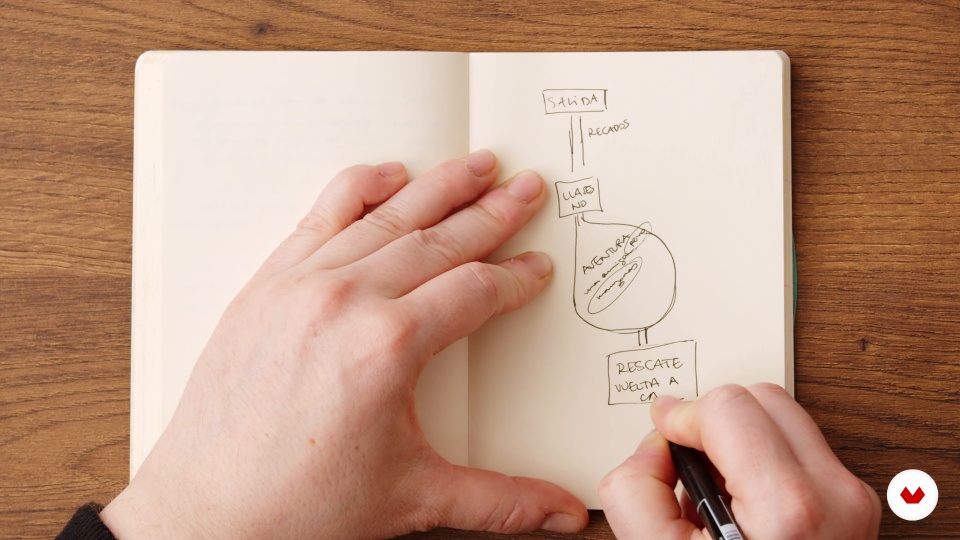 6
How to Define a Topic and Start a Draft
After warming up, we can start our project. In this lesson I will give you some tips to define the theme of your story and give it its first form.
4m
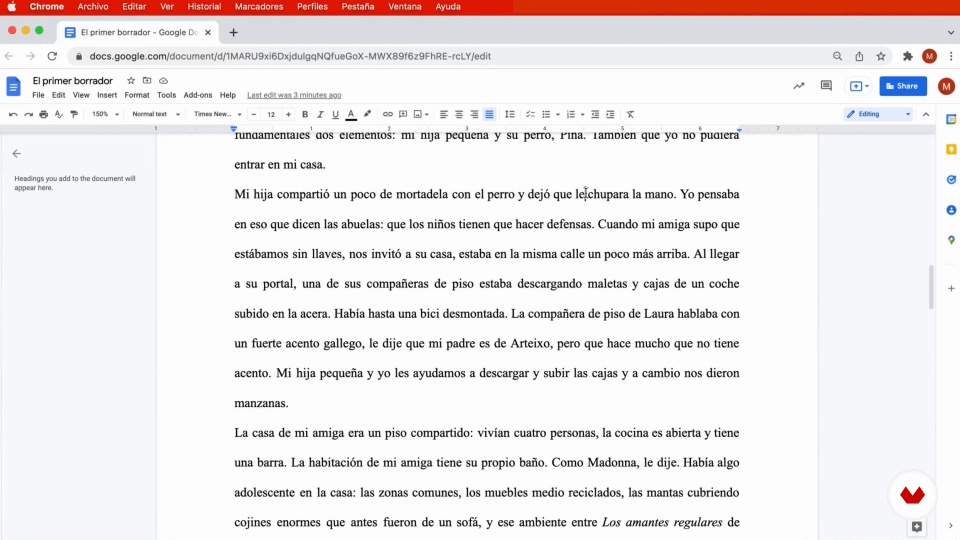
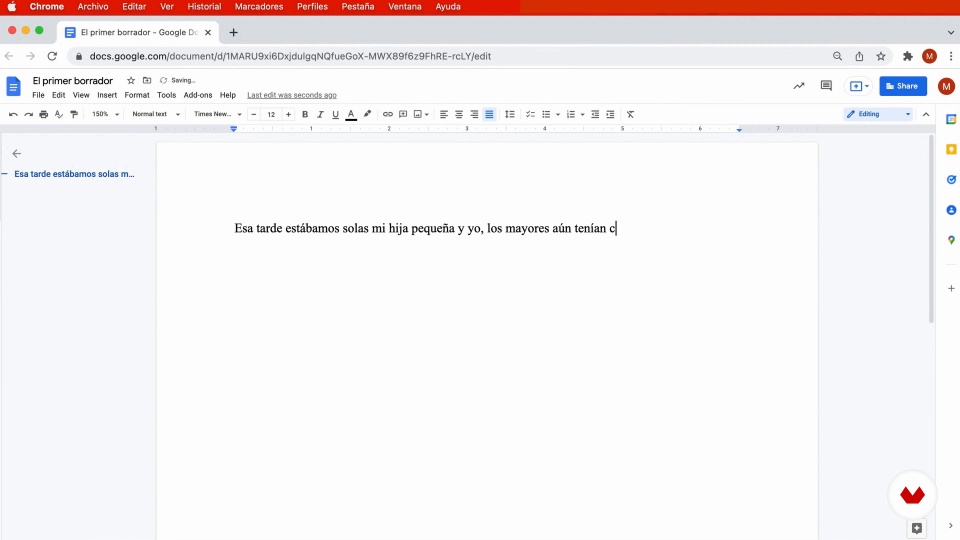 7
The First Draft
It's time to turn on the computer, open the notebook and start! In this lesson I will tell you the theme that I have chosen for my story and I will show you my notes, my mental structure that I will now transform into text.
12m
 8
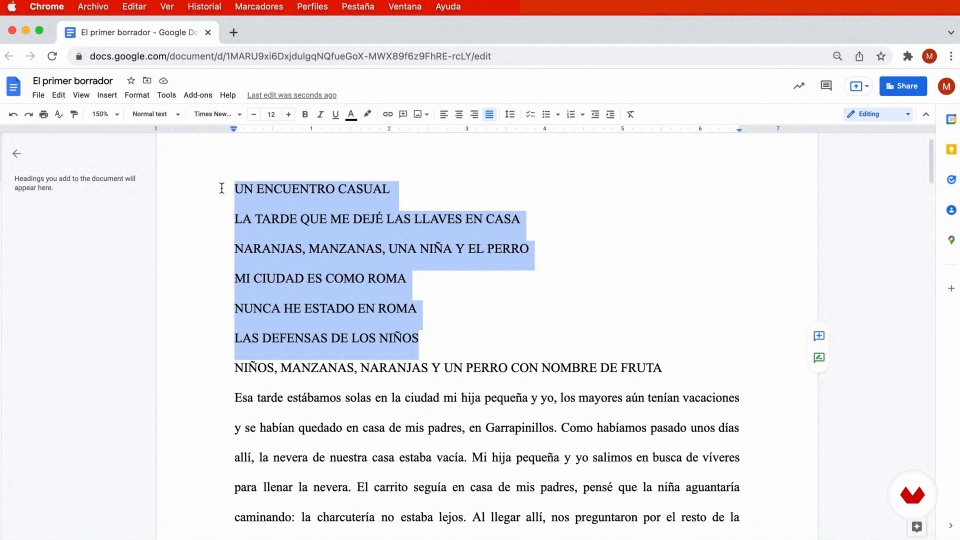
Editing and Reading Aloud
Writing is the grateful part of the work, the hard part comes now: the correction. To do this, we first let the text rest until we can read it as if it were not ours; we correct it and, before finishing it, we read it aloud.
17m
 9
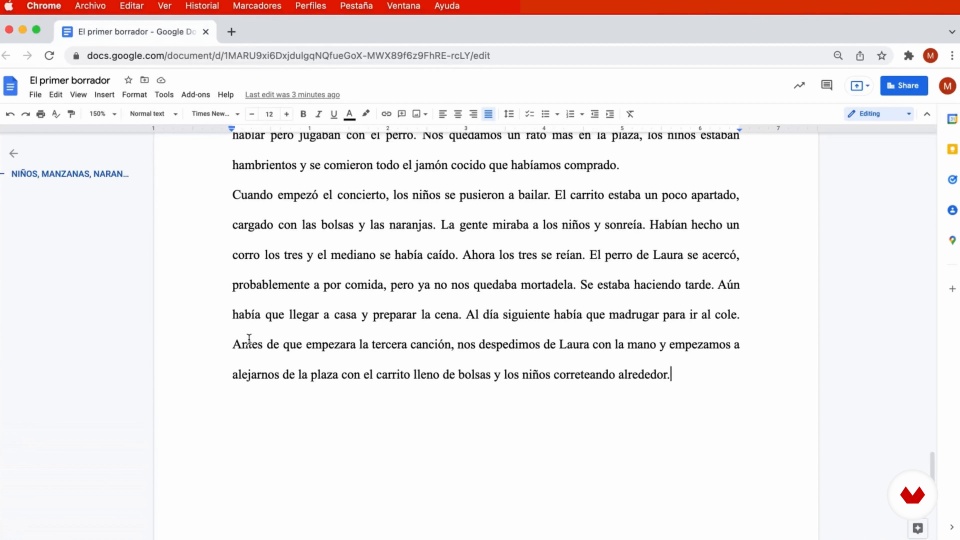
The Choice of Title
Things exist when they have a name, so now is the time to choose the title. Sometimes the title can be something that is said in the text, it can give an idea about what is going to be told or about the tone.
5m
 10
The End of the Story
The end is what marks the sensation that the story leaves in the reader. It is advisable to review the initial idea of the outcome and think about different options.
6m
 11
And Now What Do I Do With My Story?
Taking as an example the story that I have written in this course, I will show you the possibilities that a text has to transform and become a story or perhaps something bigger.
5m
 12
From Text to Book
A story can be a foundation stone, the beginning of a book, or at least a writing routine. In this lesson I will explain how to carry out that transformation.
12m
 13
Final Tips
Finally, I am going to give you some tips to find a publisher and publish your book. For this there are several options: magazines that publish stories, story contests or publishers looking for an author.
4m
 3
Diaries, Essays and Stories
In this lesson you will see a bit of what we talk about when we talk about literary genres, and I will share my ideas about the difference between a private writing and a writing to share.
8m
 4
Write Everyday Life
One of the most fascinating aspects of the personal journal has to do with the way you approach daily life. In this lesson I will talk about the importance of learning to write about everyday life and I will leave you an exercise about it.
5m
 5
Write the Exceptional
In contrast to the previous lesson, here I will share some thoughts on writing the extraordinary, which may also have a place in your text.
8m
 6
The Narrative Voice
One of the big decisions before writing a story is to know from what perspective to tell the story. In this lesson you will learn to recognize and use some of the main narrative personas.
9m
 7
Beginnings and Endings
I will give you a general introduction to the narrative structure and you will learn how to use visual schemes to shape your story.
13m
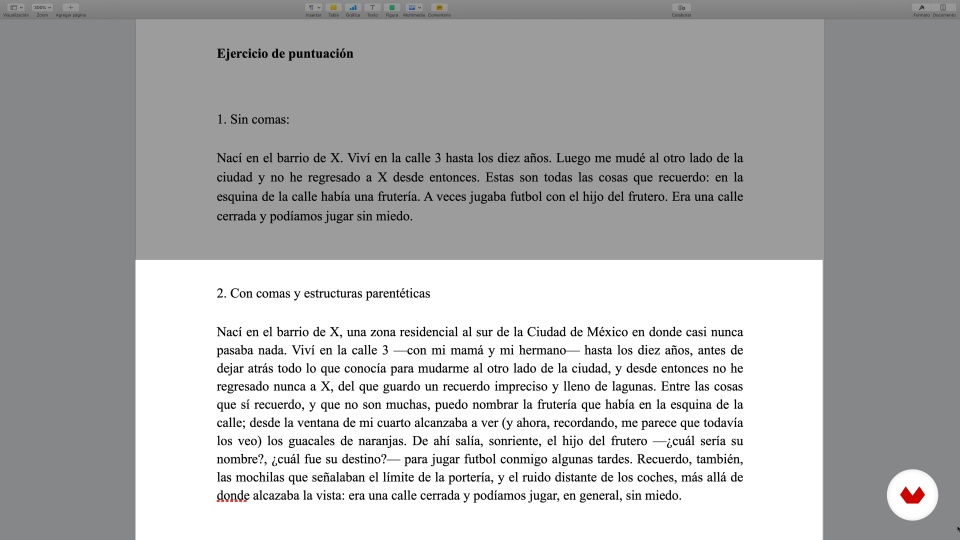 8
Play With the Score
In this lesson I will talk about the many possibilities of prose, so that you learn to find your own breath in what you write.
7m
 9
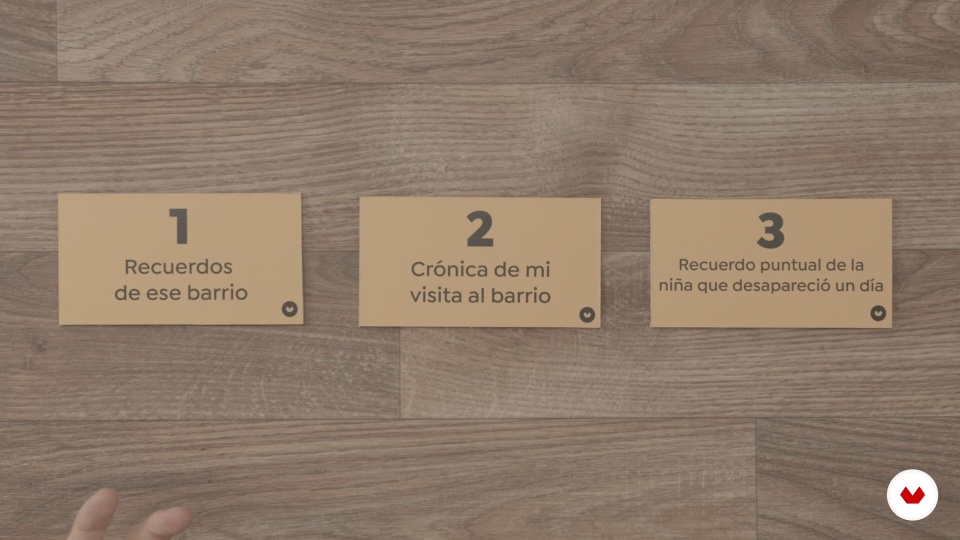
Work by Chunks
You will learn to structure a story in a fragmentary way, which will allow you greater freedom and will give you some ideas on how to get out of a creative block.
6m
 10
The Investigation
In this last lesson of the unit I will explain to you about the importance of research and archival work, and how they can help you rethink and enrich your final project.
9m
 11
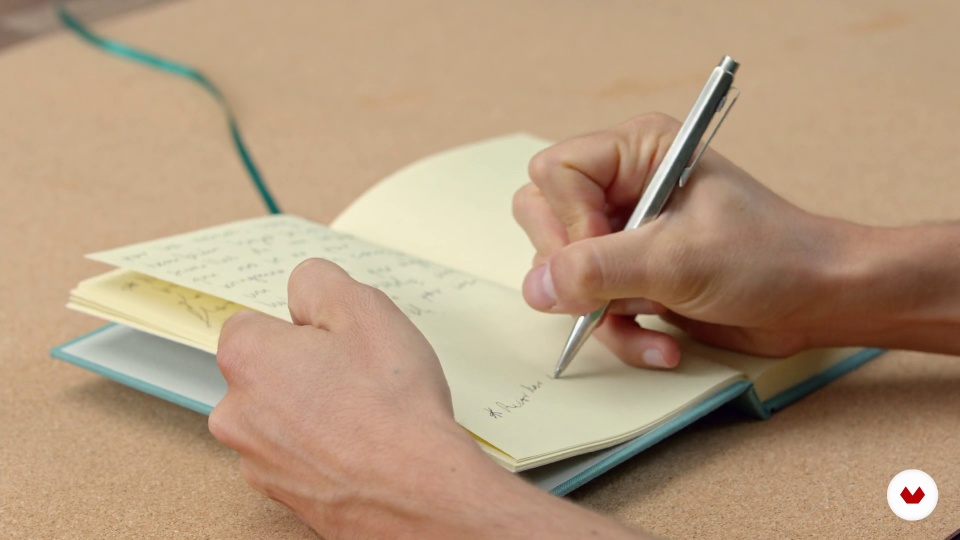
Writing Tips
We will return to the idea of the personal journal and the importance of taking notes, making lists and recording your entire creative process.
7m
 12
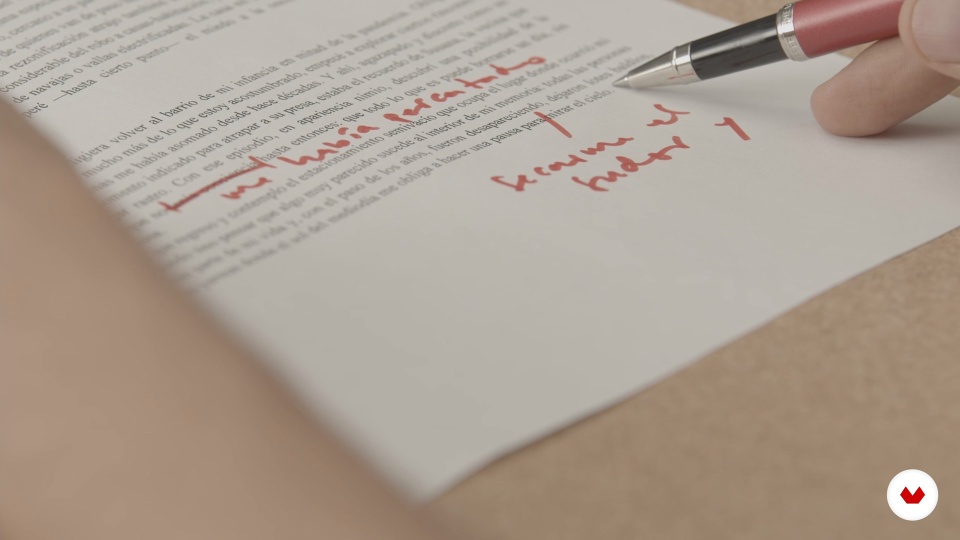
Edit Your Own Text
In this lesson I will explain how to work your own text to make it look its best before looking for publishing options.
7m
 13
Publishing Is Sharing
Finally, I will share with you a series of recommendations and things you can do if you are interested in finding a publication space for your personal stories and essays.
7m
 3
Let's define "travel"
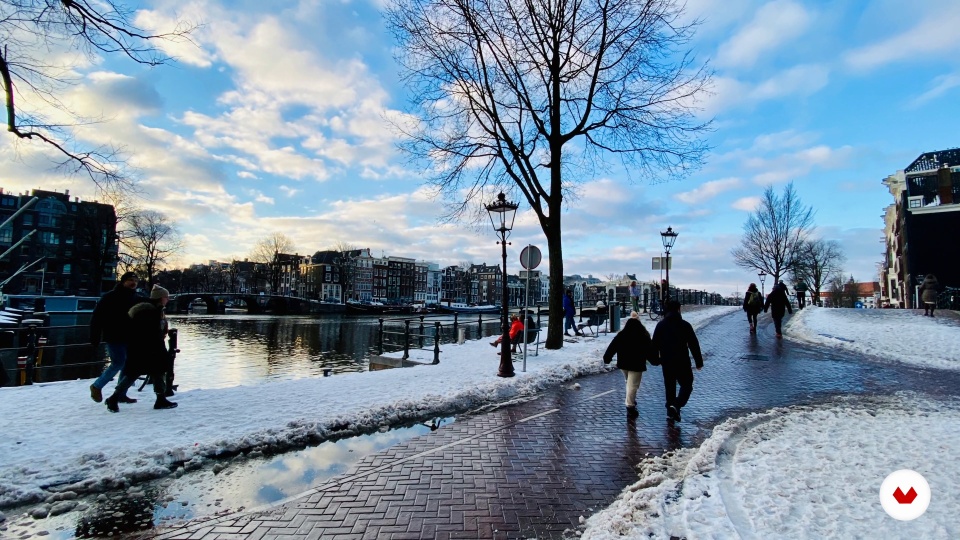
In this lesson we will give a broader meaning to the verb "travel" and we will see that it is not necessary to go to the other side of the world (or be an artist) to complete a travel notebook.
5m
 4
The magic of journaling: the notebook as a treasure chest
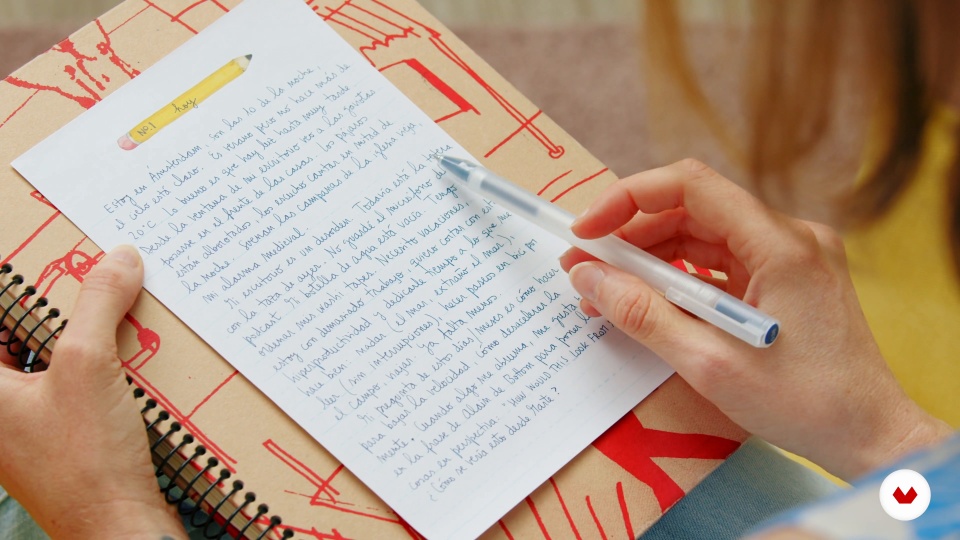
Now let's reflect. We will see why it is valuable that you take the time to document your trips and how the philosophy of slow travel can help you.
5m
 5
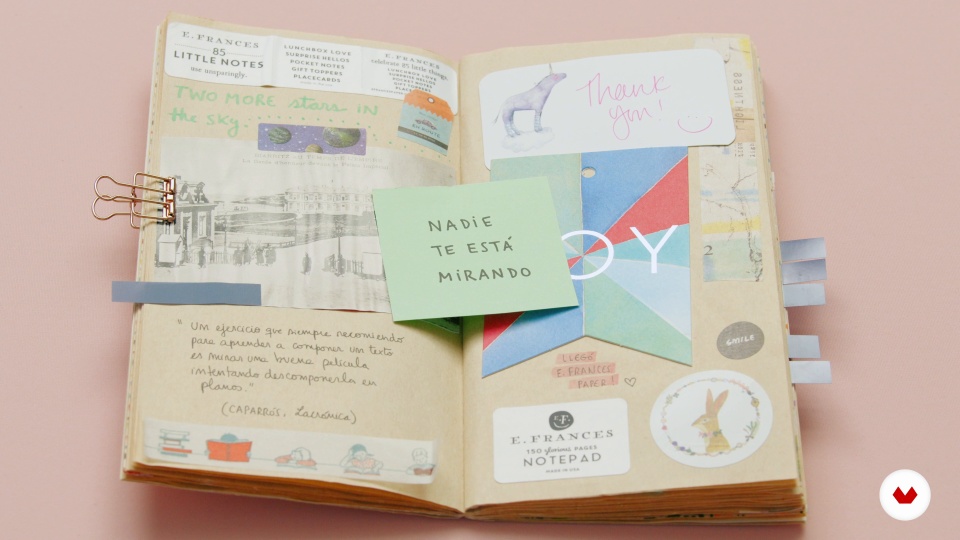
The materials
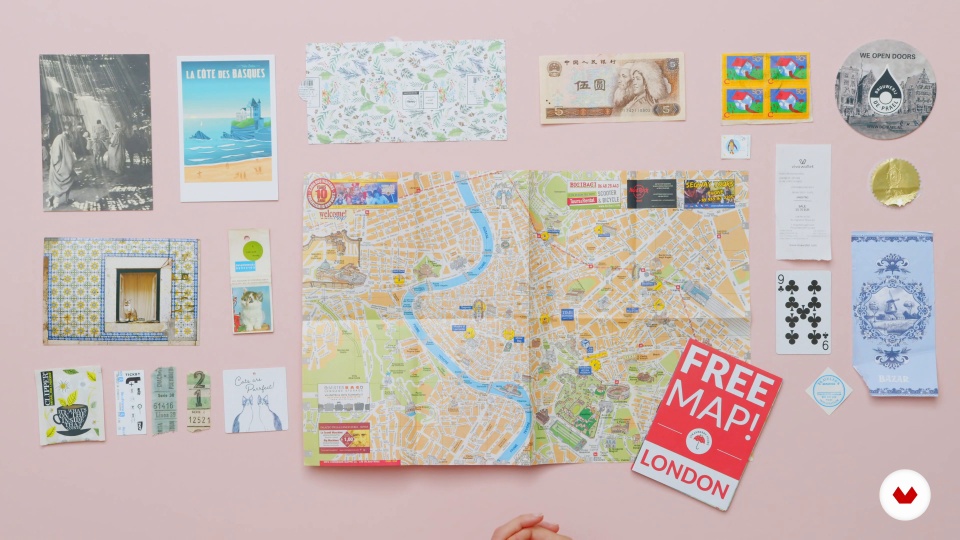
The notebook will be our most faithful companion on our trips. In this lesson I will explain how to choose a travel notebook adapted to your needs, what materials you can use to fill it out and where you can find them.
11m
 6
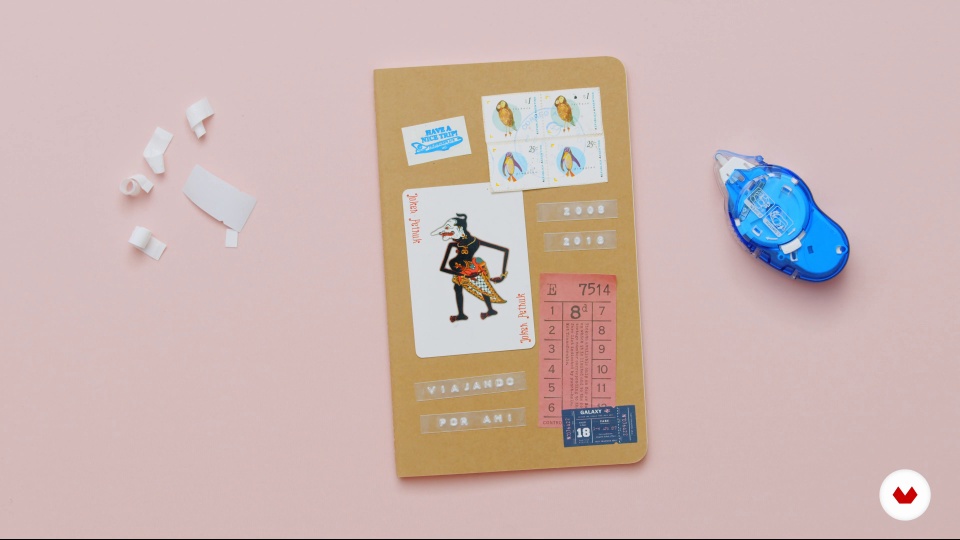
Tips for not abandoning your notebook
I know that staying consistent while traveling can be difficult. Therefore, in this lesson I will give you some recommendations so that you do not abandon your notebook in the middle of the trip.
5m
 7
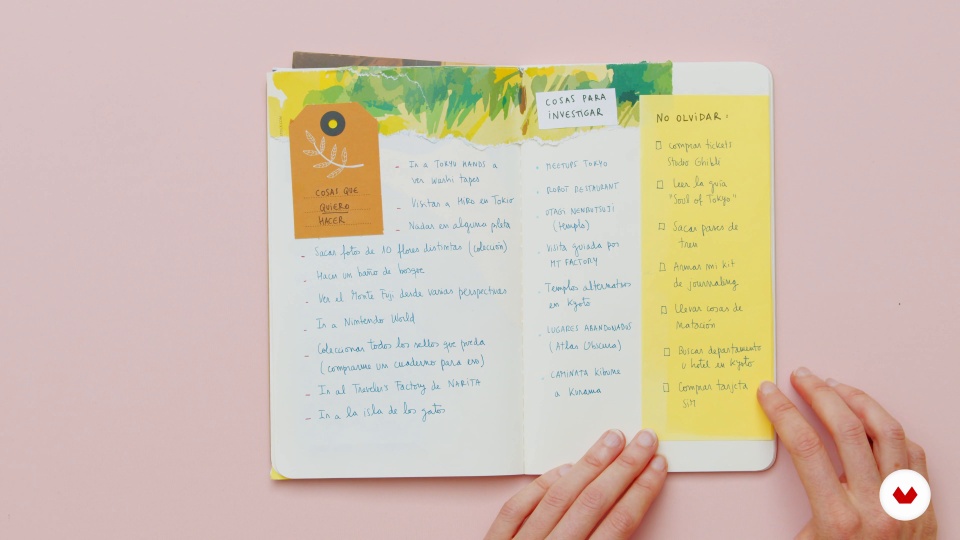
Previous exercises: ideas to fill your notebook before leaving home 1
In this lesson I will give you some ideas so that you can start filling your notebook before you even leave your house. Remember, each trip and each person are different; I will propose exercises, but fill your notebook with your own style.
17m
 8
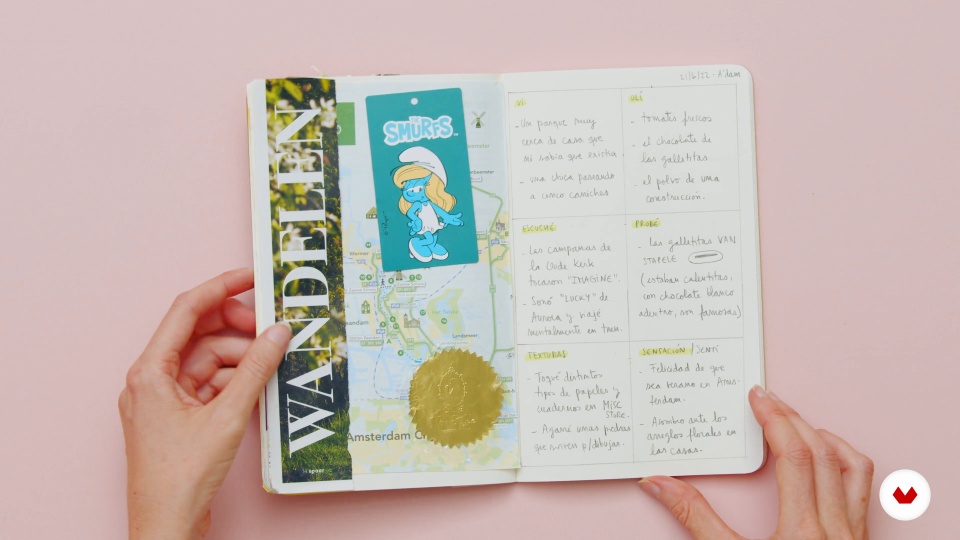
Previous exercises: ideas to fill your notebook before leaving home 2
We continue to see ideas to carry out before the trip. We start by creating lists of what we would like to do and see on the future trip.
17m
 9
In transit: ideas to record your days and your emotions 1
Now I will propose writing, observation, introspection and collecting exercises so that you fill your notebook while you travel.
15m
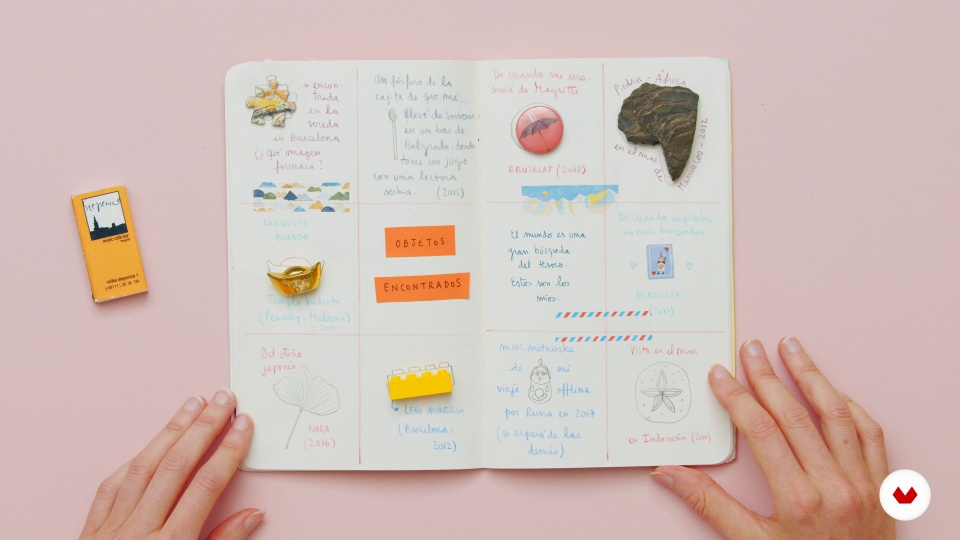 10
In transit: ideas to record your days and your emotions 2
We continue to see other exercises and formats to complete your notebook during the trip.
15m
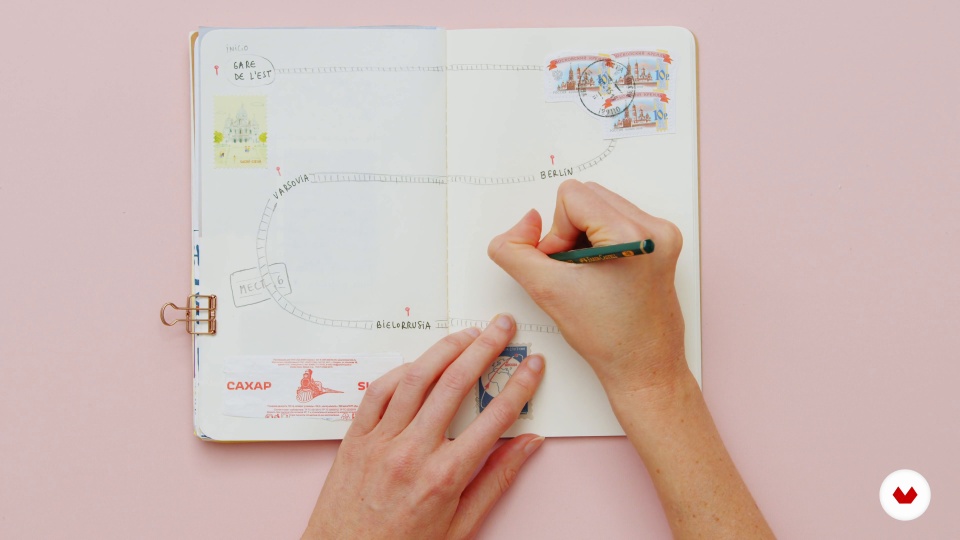 11
In transit: ideas for documenting movement, the here and now, and the unexpected 1
Continue our way. In this lesson I will continue to give you creative ideas and exercises to fill your notebook while traveling. It's amazing to see how our notebook is taking shape!
17m
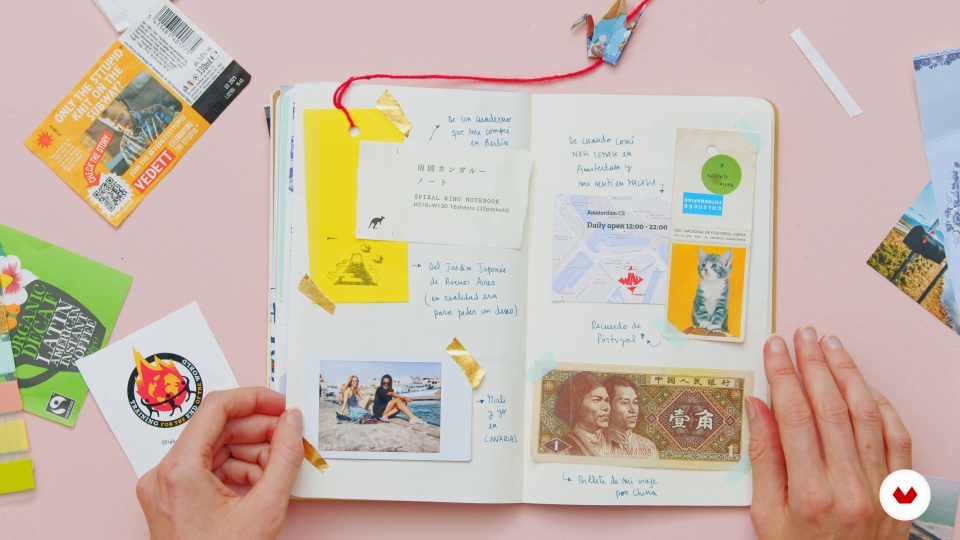 12
In transit: ideas for documenting movement, the here and now, and the unexpected 2
Finally, I am going to talk to you about some last exercises and formats that you can use in your notebook while you know amazing places.
15m
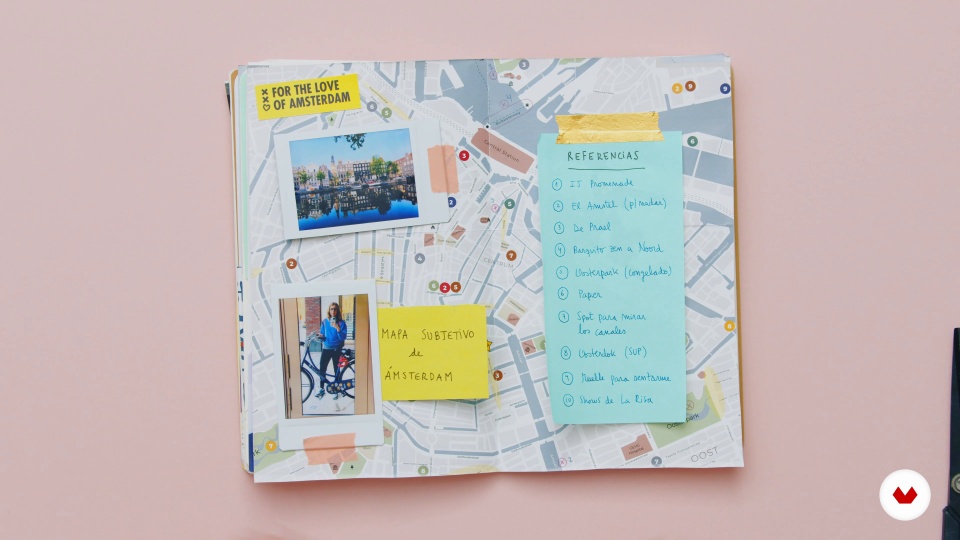 13
The return: ideas to finish your post-trip notebook 1
You've come home and you take the notebook out of the backpack... And now what? In this lesson I am going to give you ideas so that you can continue completing your notebook, even when you are back at home.
9m
 14
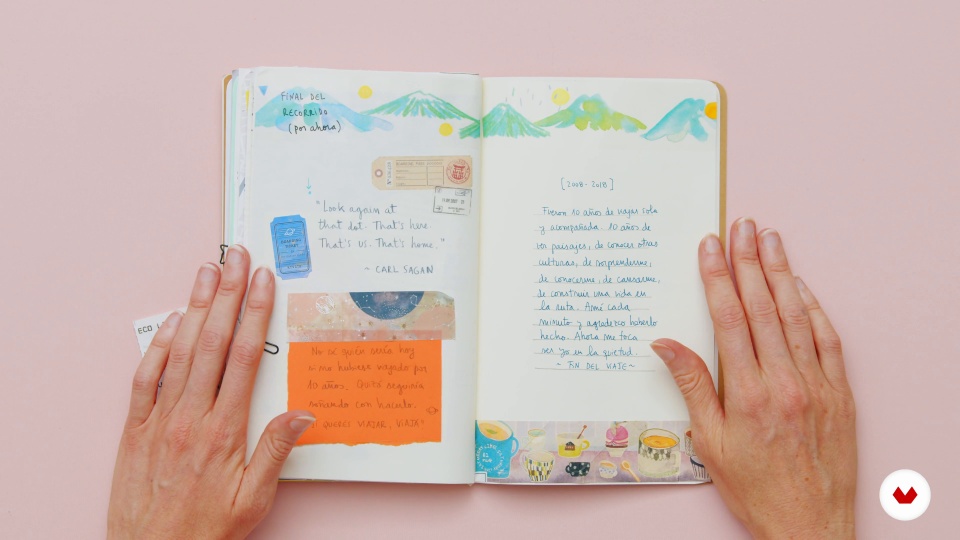
The return: ideas to finish your post-trip notebook 2
We continue to see some ideas to carry out in your notebook and that this becomes a souvenir of the trip from which you have just returned.
12m
 15
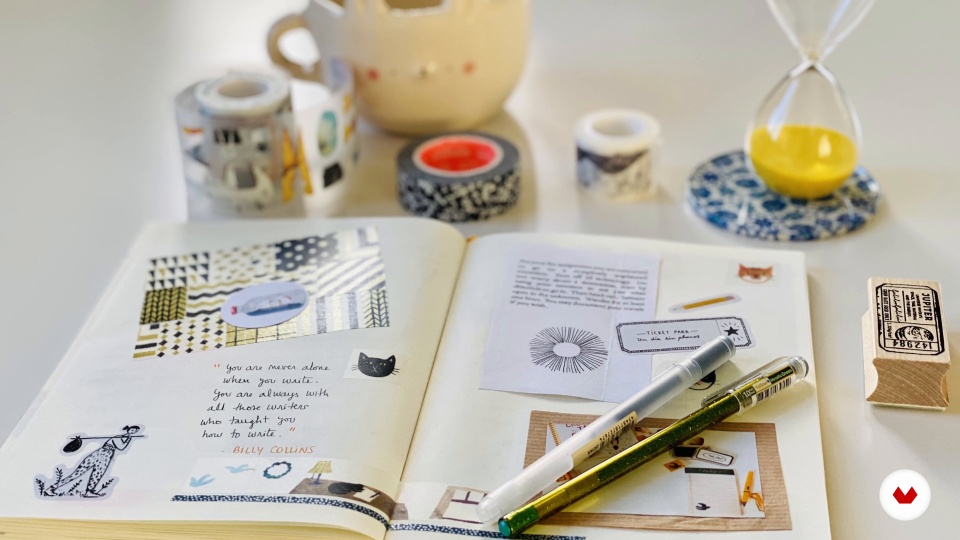
What to do with notebooks
Finally, we are going to see what you can do with your travel notebook once you have finished completing it. There are several options, I explain them to you in this lesson.
4m
 3
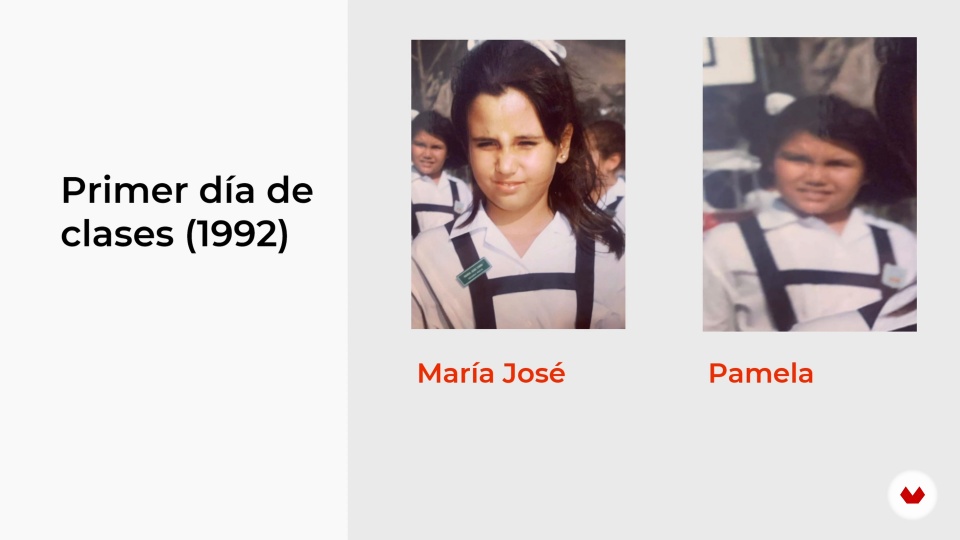
From the anecdote to the story
Any experience has the potential to become a story. In this lesson I will teach you to identify those stories that live in your memory and that have the greatest potential.
11m
 4
The childhood of a writer
Now I will introduce you to some authors who have made fiction from their own childhood. You will recognize aspects that can serve as an example in your own project.
9m
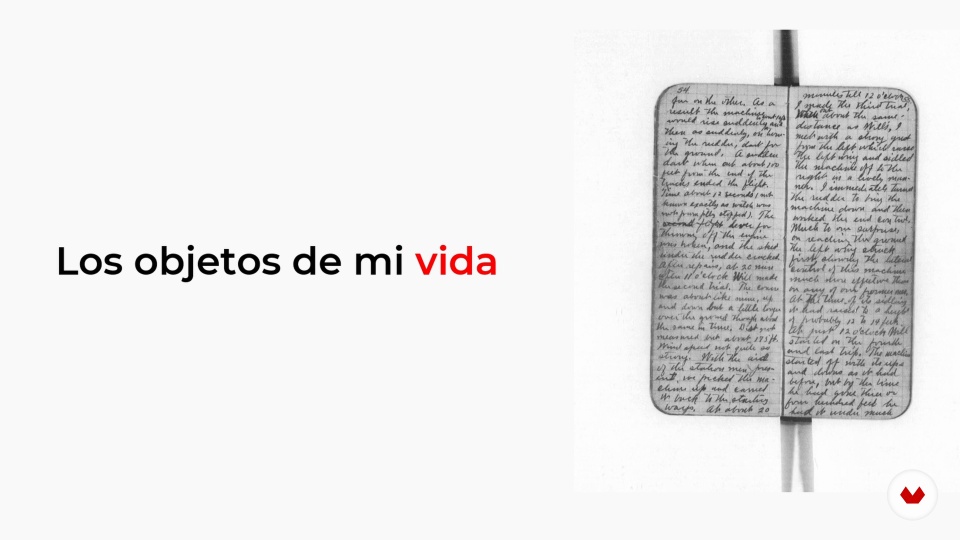 5
Look for the wound
Finally, I am going to give you strategies that allow you to reconnect with the past and put on your childhood glasses. Go back to relive, imagine and, finally, put that experience on paper.
10m
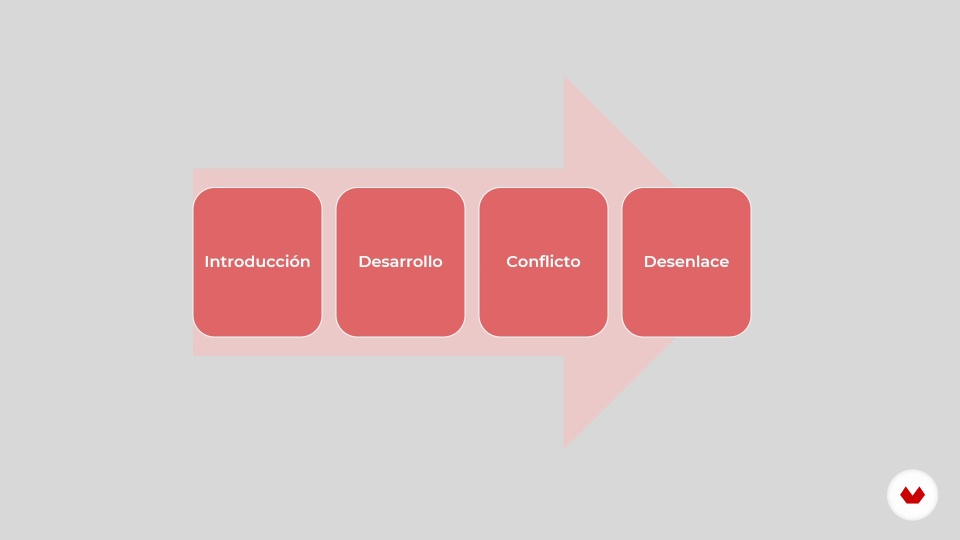 6
Structure and point of view
In this lesson we will delve into the types of storytellers that exist, the structure of the story and what is the most appropriate tone to tell your story according to what you want to convey.
10m
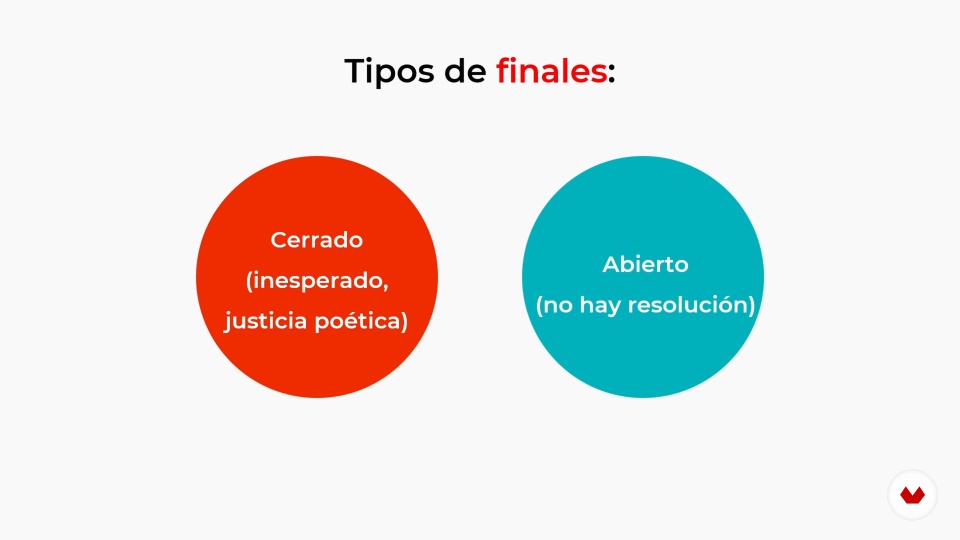 7
Start and end of the trip
We have to choose a beginning and an end for your story that catches the reader. They are very important, since they are the entry and exit point of your fictional universe.
4m
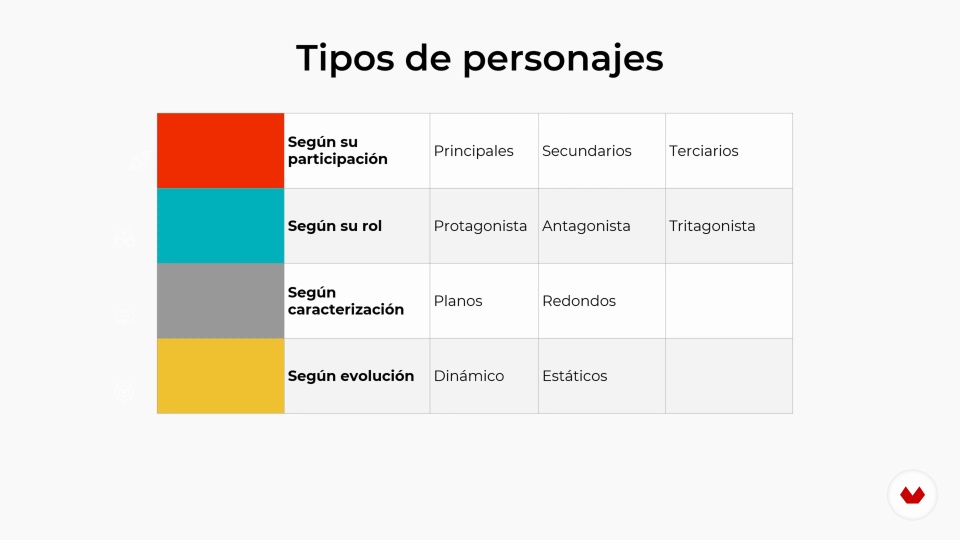 8
Flesh and blood characters
For a character to be perceived as real, it must be accompanied by a silent biography, just like flesh and blood people. In this lesson I will teach you how to design the main characters of your story.
8m
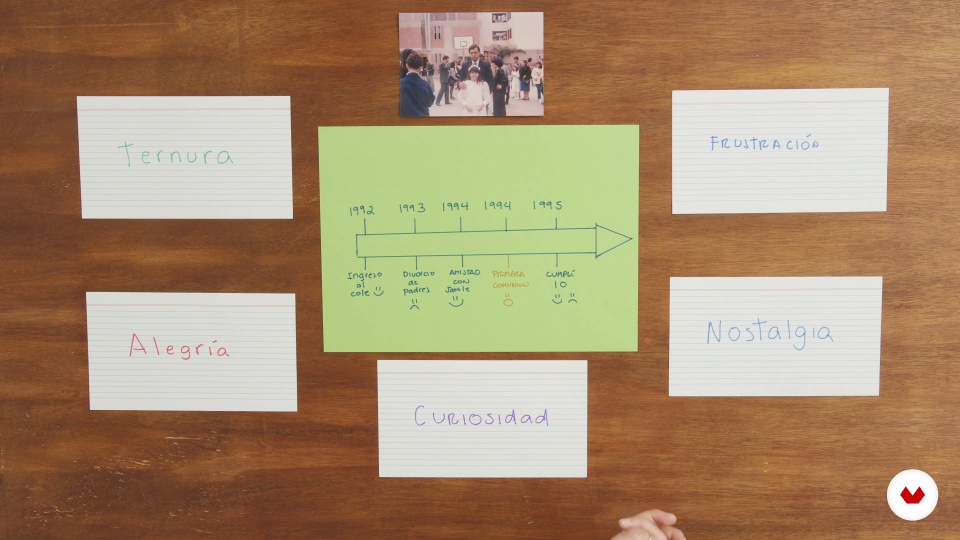 9
Revisit the memories
In this lesson we teach you to reconnect with the past through the selection of objects or a photo album in order to discover a story and turn it into a story.
7m
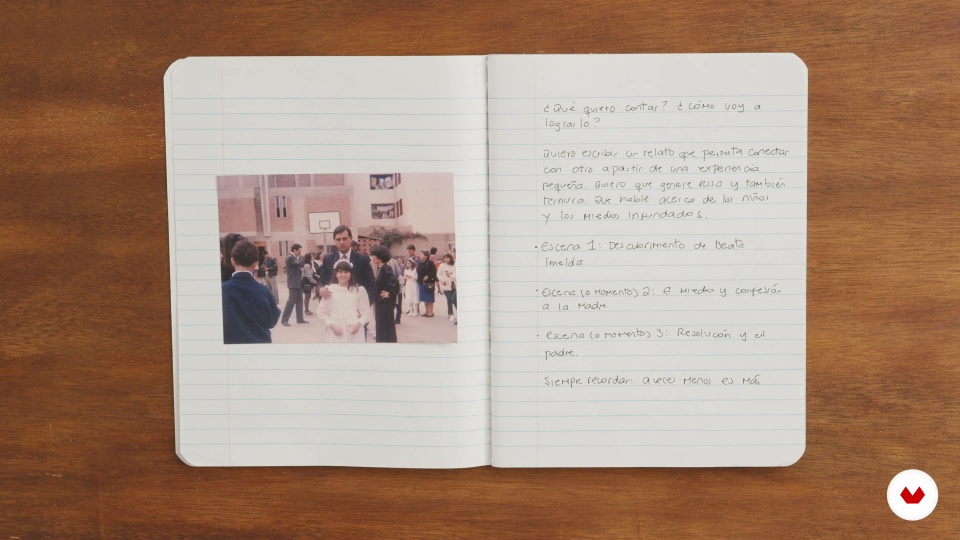 10
Selection of the narrator and the tone of the story
Now is the time to choose the narrator of the story and begin to shape the story that we are going to tell. I show you how.
4m
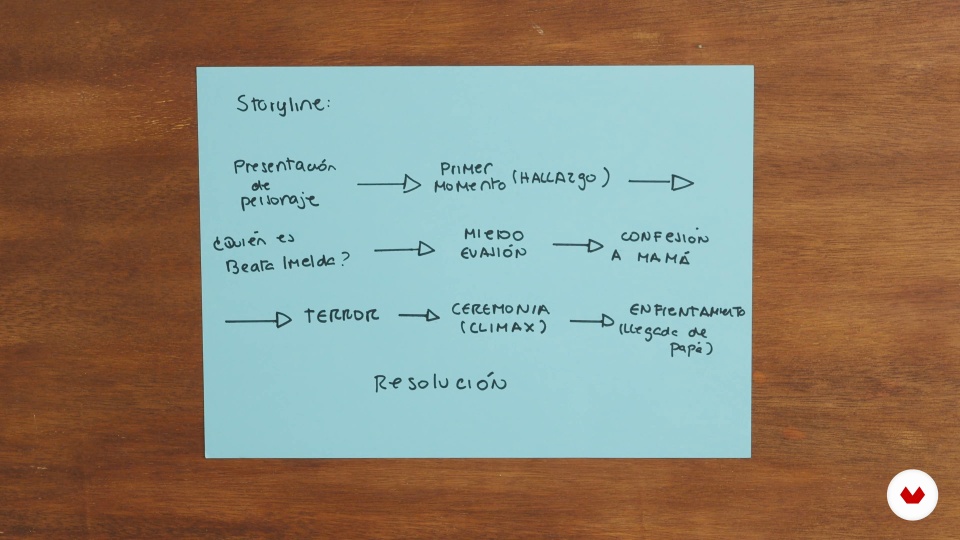 11
Outlining the characters and creating a storyline
Creating a biography serves to give the characters density, since what you see in the story is just the tip of the iceberg. A storyline works like a beacon on the journey of the story, join me in its creation process!
9m
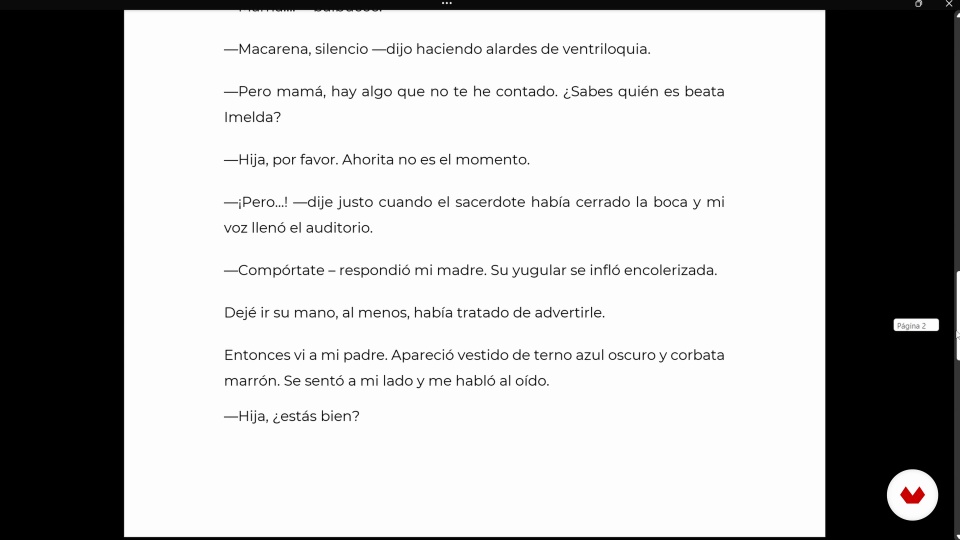 12
Write the text
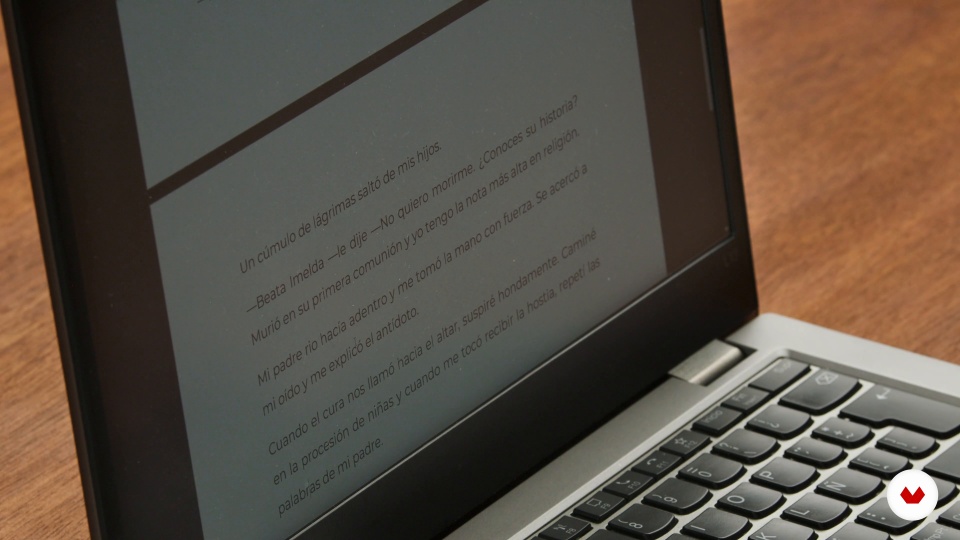
It is time to start writing accompanied by the inputs that we have been collecting and defining in the previous steps.
7m
 13
Selection of the title and rereading
We've already finished the primary text, so there's only one step left. Finally, I am going to put the title to my story and I will submit the text to the first rereading process.
9m
 14
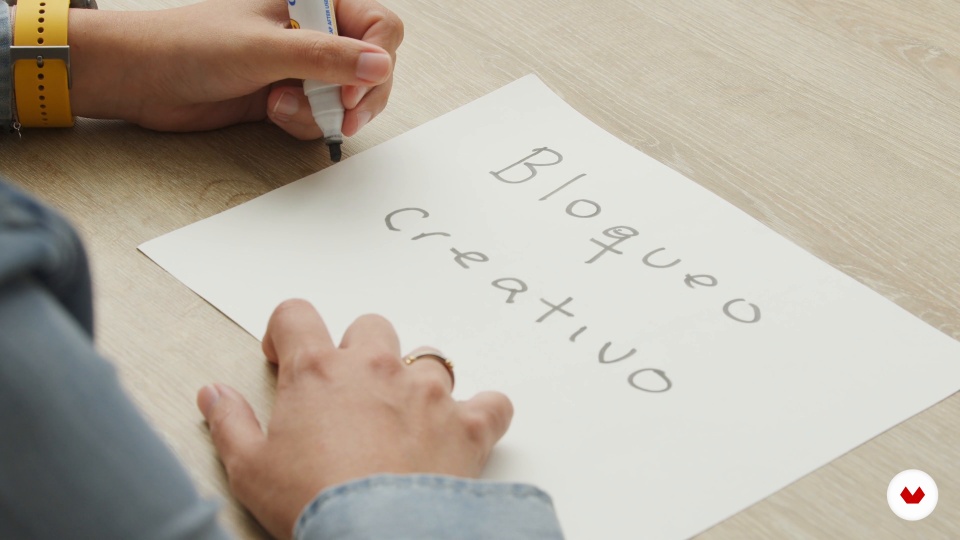
How to overcome a creative block
A difficult and natural part of the writing process is experiencing a creative block. It is important not to panic. Here are some exercises that can help you get out of it.
2m
 15
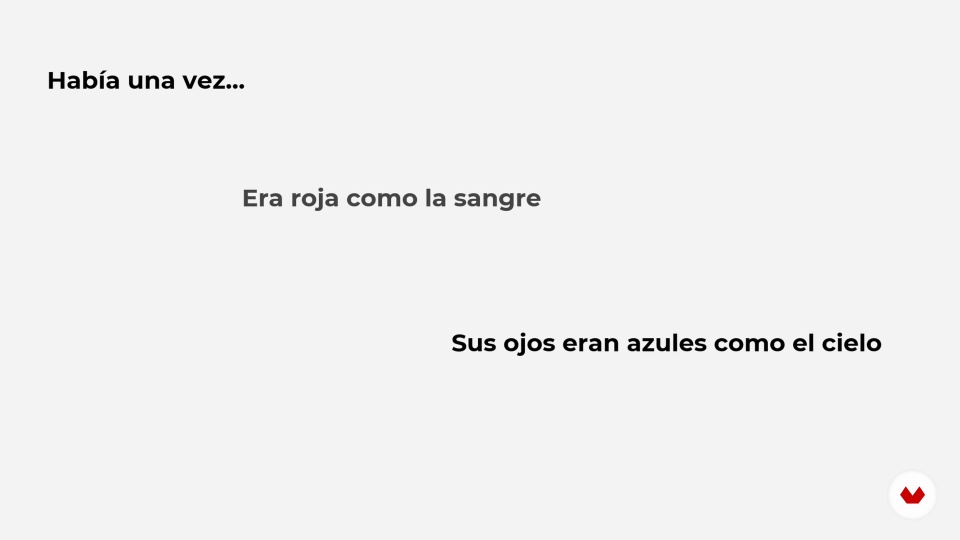
Avoid the common place
One of the most important things I learned when I attended a narrative workshop is that there are set phrases, sentences or twists that are repeated and that we tend to imitate without realizing it. It is important to try to look for novelty. Here I list some examples.
3m
 16
My text in front of the others
To end the lessons in this unit, I want to talk to you about the importance of an editor and a reading circle.
2m
What is this course's project?
You will develop a short autobiographical story that captures a significant moment in your life, applying professional narrative techniques to structure and enrich your story, transforming your personal memories into an engaging and evocative narrative for readers.
Who is this specialization for?
This course is designed for writers who want to transform their personal experiences into captivating stories. It's ideal for those seeking to develop their unique narrative voice and explore introspection, turning everyday experiences into memorable and authentic tales.
Requirements and materials
No extensive prior knowledge is required, only a willingness to explore your personal experiences. It is recommended to have a notebook or writing device, access to online resources, and a quiet space for creative introspection.
Reviews
- 9 months ago
Tem sido um curso excelente ! Vale muito cada centavo. Recomendo a todos.
Select to get to know your teachers in this specialization course


What to expect from this specialization course
Learn at your own pace
Enjoy learning from home without a set schedule and with an easy-to-follow method. You set your own pace.
Learn from the best professionals
Learn valuable methods and techniques explained by top experts in the creative sector.
Meet expert teachers
Each expert teaches what they do best, with clear guidelines, true passion, and professional insight in every lesson.
Certificates
PLUSIf you're a Plus member, get a custom certificate for every specialization course. Share it on your portfolio, social media, or wherever you like.
Get front-row seats
Videos of the highest quality, so you don't miss a single detail. With unlimited access, you can watch them as many times as you need to perfect your technique.
Share knowledge and ideas
Ask questions, request feedback, or offer solutions. Share your learning experience with other students in the community who are as passionate about creativity as you are.
Connect with a global creative community
The community is home to millions of people from around the world who are curious and passionate about exploring and expressing their creativity.
Watch professionally produced courses
Domestika curates its teacher roster and produces every course in-house to ensure a high-quality online learning experience.
FAQs
You’ll learn how to transform personal experiences into literary stories, distinguish between autobiographical genres, apply narrative techniques like ellipsis and summary, and organize personal texts with coherence and creativity.
Yes, the course is designed for those with intermediate knowledge but is also accessible to beginners eager to start autobiographical writing and deepen their understanding of narrative techniques and structures.
No formal writing experience is required, though having an interest in reading and writing personal or literary texts is helpful.
The course will teach you how to blend memory and imagination, select meaningful experiences, and use literary techniques to craft authentic and moving personal stories.
Autobiography recounts true events from the author’s life, while autofiction mixes personal experiences with fictional elements, exploring the boundaries between reality and fiction.
The course offers exercises like self-portraits, moral inventories, diary writing, scene analysis, and using personal objects to inspire literary content.
You’ll learn to use ellipsis, scenes, summaries, conflict building, time manipulation, and suspense techniques to enrich your autobiographical stories.