


Medieval art in animated films: how the aesthetics of the past inspire the worlds of animated cinema.

The Visual Legacy of the Middle Ages in Animated Cinema
.
Medieval art has left a deep imprint on animated cinema. From illuminated manuscripts to Gothic stained glass to narrative tapestries, this artistic period offers a visual universe full of color, symbolism and stylized forms. Many films - both classic and contemporary - use these aesthetics to build unique atmospheres, memorable characters and worlds with ancient magic.
In this article we explore how different animated works have integrated medieval elements into their visual storytelling and why this language remains so powerful in animation today.
What characterizes medieval art and why it works so well in animation.
Medieval art is distinguished by:
- Flat, saturated colors that reinforce emotion and clarity.
- Absence of classical perspective, generating symbolic compositions.
- Stylized and hierarchical figures where form communicates importance.
- Decorative and narrative approach with patterns, borders and sequential scenes.
In animation these resources work because they create coherent worlds, convey symbolic strength and provide a timeless aesthetic that blends history and fantasy.
Medieval art in the great classics of animation.
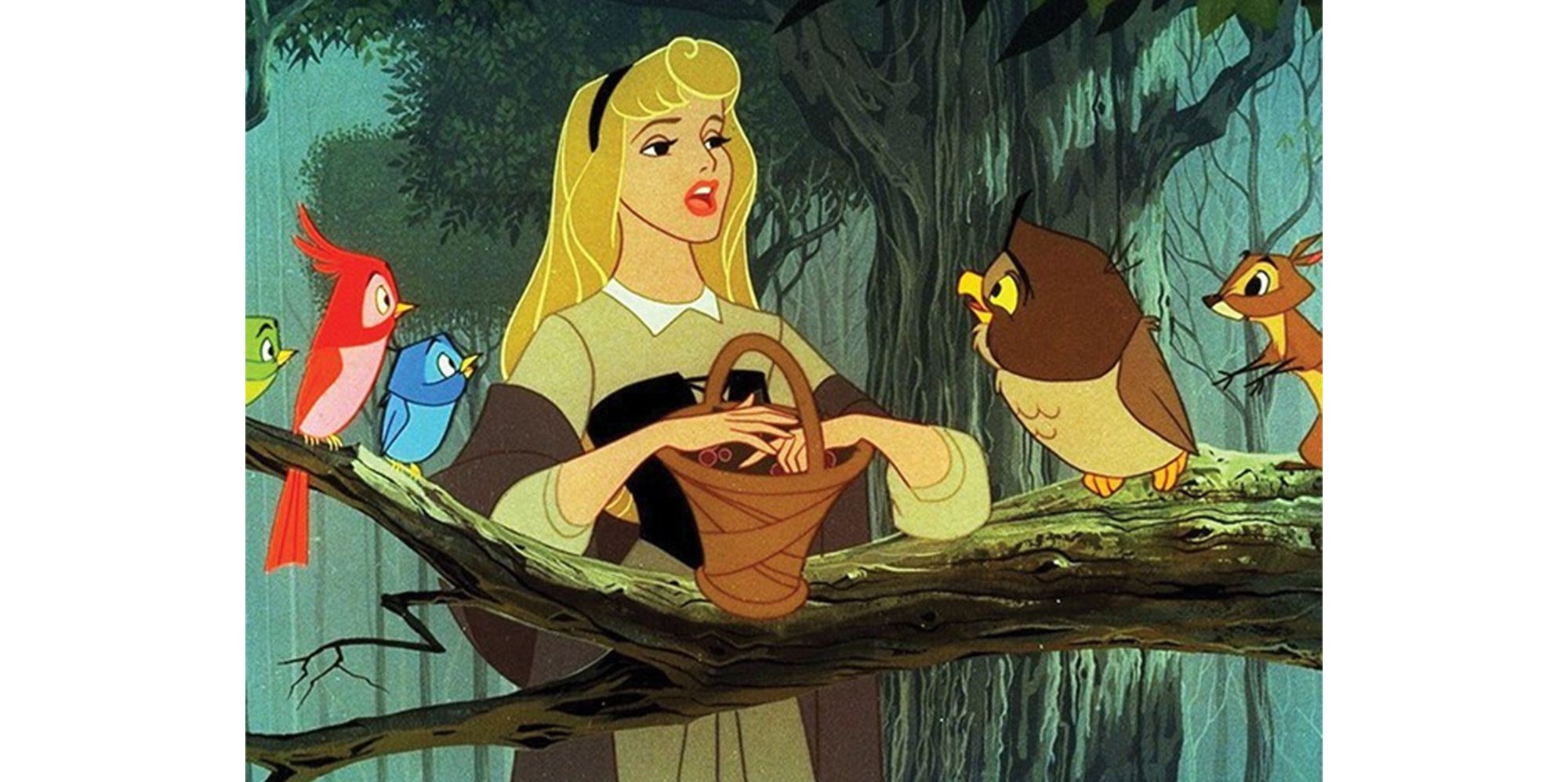
1. Sleeping Beauty (Disney, 1959) 2.
Eyvind Earle designed backgrounds inspired by illuminated manuscripts and gothic tapestries. Intense colors, geometric patterns and vertical compositions turn every shot into a medieval image.
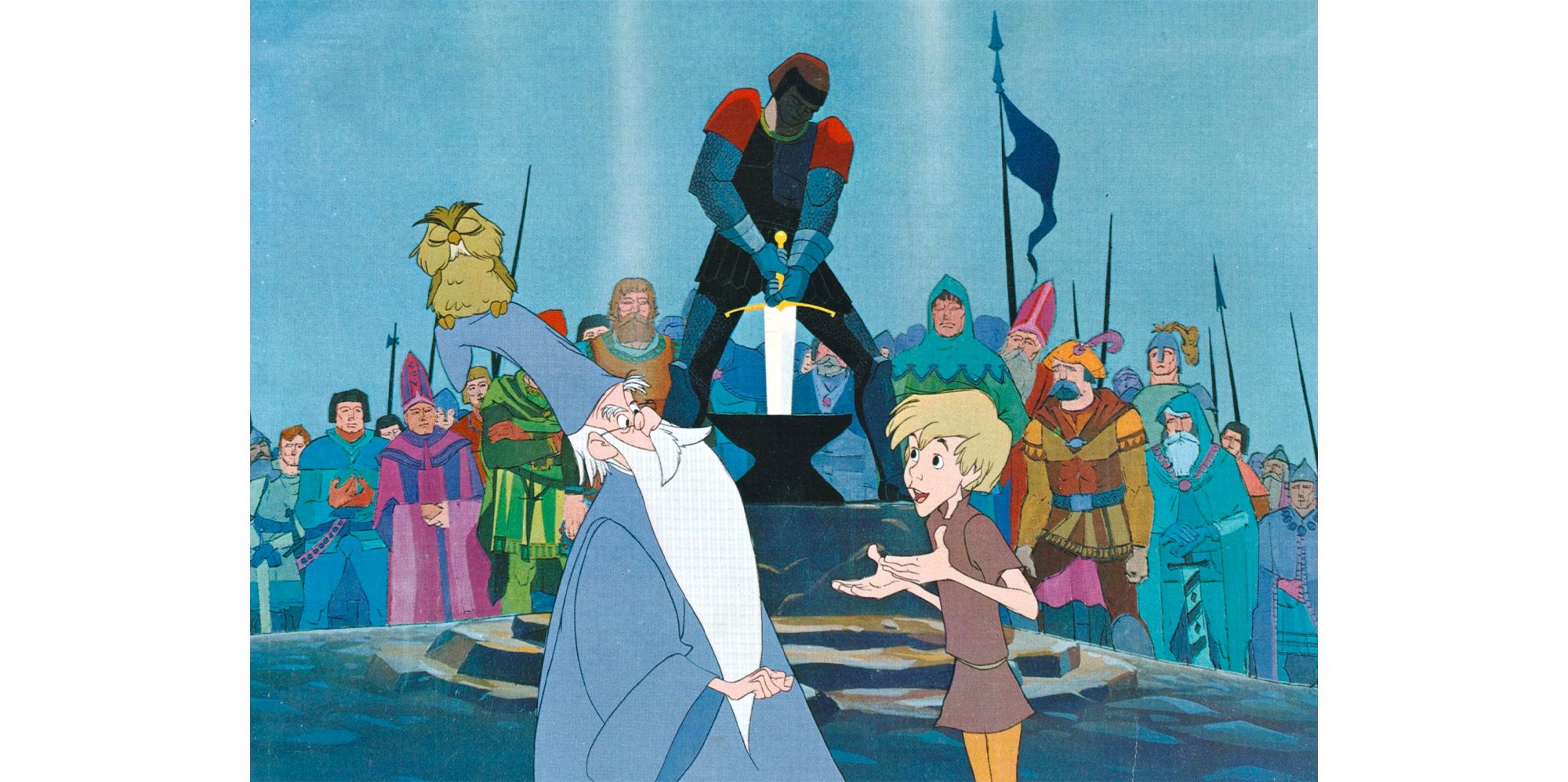
[The Sword in the Stone (Disney, 1963)[/b] 2.]
Inspired by the Arthurian imaginary: castles, armor, magic and bestiaries. Its loose line recalls illustrations on parchment and reinforces the legendary tone.
Medieval influence in contemporary animation.
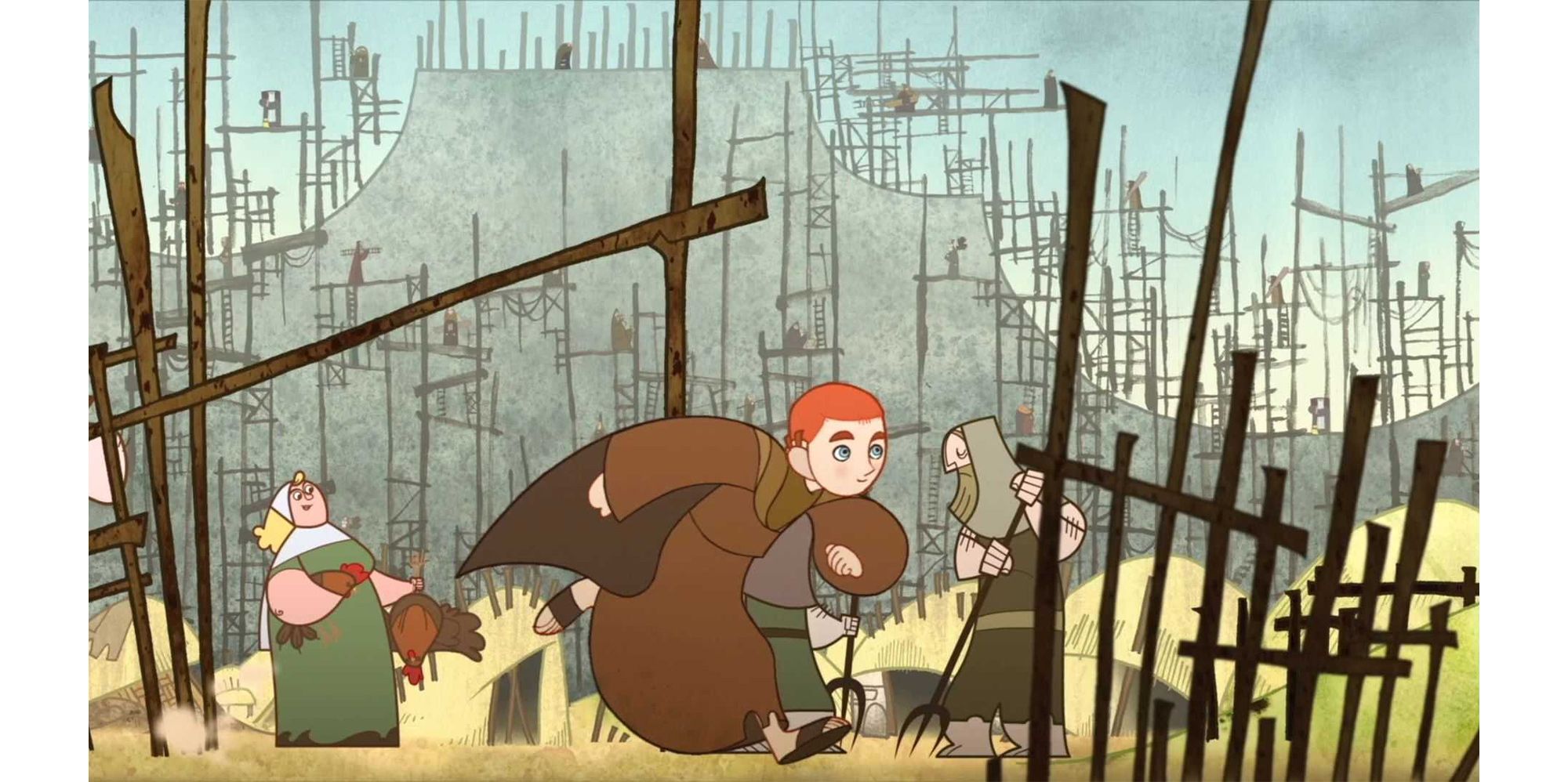
[The Secret of Kells (2009)[/b] 3.]
Inspired by the Book of Kells. The film reproduces its flat, ornamental and symbolic aesthetics, creating a universe that looks like a moving illuminated codex.
4. Wolfwalkers (2020).
Cartoon Saloon returns to medieval with:
- earthy palettes,
- sharp lines,
- flat compositions,
- bestiary creatures.
A world illustrated by hand, page by page.
5. The Dragon Prince or Castlevania.
Contemporary series that reinterpret medieval elements: gothic architecture, heraldry, archaic magic and epic landscapes inspired by tapestries. Proof that medieval aesthetics are still perfect for heroic or mystical worlds.
Medieval elements most used by animators.
- Medieval bestiaries: hybrid creatures, dragons, symbolic wolves.
- Gothic stained glass: light and color as mystical elements.
- Narrative tapestries: extended scenes in horizontal sequence.
- Heraldry: coats of arms, symbols and colors.
- Gothic architecture: pointed arches, rose windows, towers.
These elements add historical texture and an aura of legend.
How medieval art contributes to narrative.
- It reinforces mythical atmospheres.
- It connects past, legend and fantasy.
- It brings symbolism without the need for dialogue.
- Creates worlds where magic is part of the cultural fabric.
How to draw inspiration from medieval art for your own projects.
- Analyze manuscripts and tapestries.
- Use flat colors and sharp outlines.
- Work on compositions without perspective.
- Introduce symbolic iconography.
- Creates repetitive patterns as narrative support.
Medieval art does not seek realism: it seeks to convey meaning. Therein lies its creative power.
Medieval art remains an inexhaustible source of inspiration for animation. Its colors, symbols and structures connect the ancient with the imagined, the historical with the magical.
"The past is not only studied: it is also drawn. And in every medieval stroke, animation finds a door to the magical."[/b


0 comments