


Street Art: how urban art is influencing fashion and graphic design
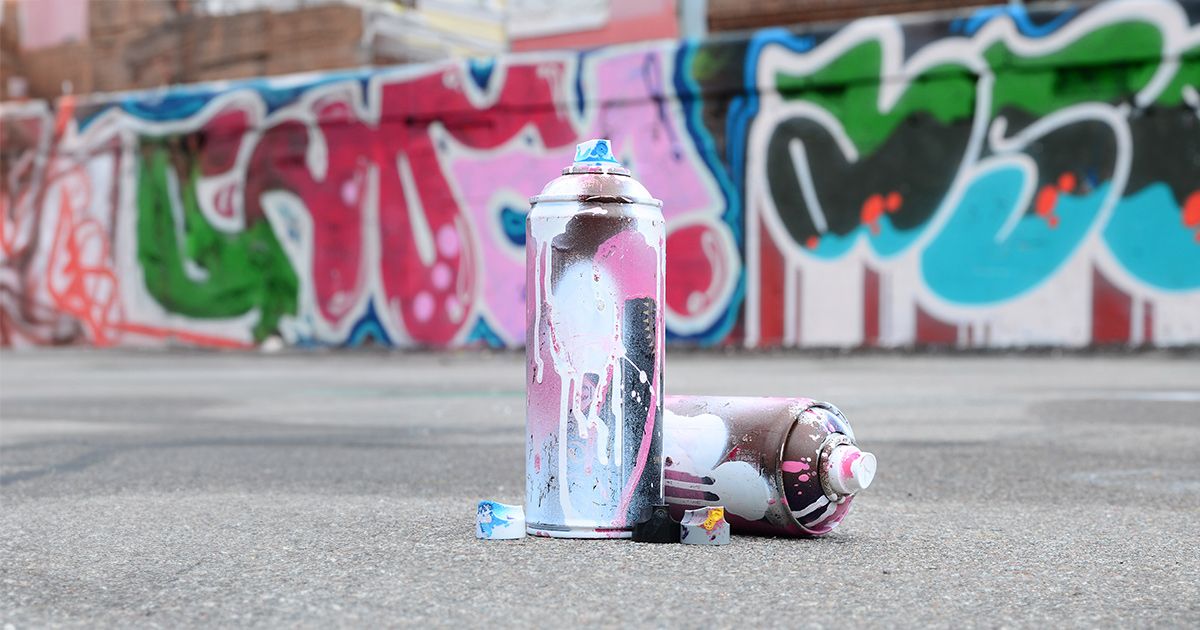
From Wall to Brand: How Urban Art Aesthetics Become a Defining Element of Contemporary Fashion and Graphic Design
.
Urban art was born in the streets, among anonymous walls, subway stations and street corners full of movement. What began as a spontaneous expression-sometimes marginal, sometimes rebellious-has transcended its origin to become one of the most influential forces in contemporary visual culture. Today, street art not only inhabits walls and trains: it is also present in galleries, advertising campaigns, fashion collections and graphic design projects.
Over time, artists, designers and brands have recognized that its raw, vibrant and honest aesthetic is an inexhaustible source of creativity. What was once an ephemeral intervention now inspires visual identities, luxury collaborations, and graphic pieces that celebrate diversity and urban energy.[/b
The purpose of this article is to analyze how graffiti aesthetics, murals and street expression are setting current trends in graphic design and fashion, becoming a bridge between popular culture, visual communication and contemporary creativity.
From wall to branding: the evolution of urban art.
To understand the influence of street art, it is necessary to look at its roots. Modern graffiti emerged in the 1970s in cities like New York and Philadelphia, where young artists began to sign walls and street cars as an act of identity. What began as a clandestine expression evolved into a cultural movement with its own codes.
Figures such as Jean-Michel Basquiat and Keith Haring took this aesthetic to museums and galleries without renouncing its street spirit. Later, names like Banksy, Shepard Fairey (OBEY) or KAWS expanded this language globally, mixing activism, irony, graphic design and social criticism.
This evolution consolidated street art as a direct, emotional and immediate visual language: three qualities highly valued by today's designers and brands.
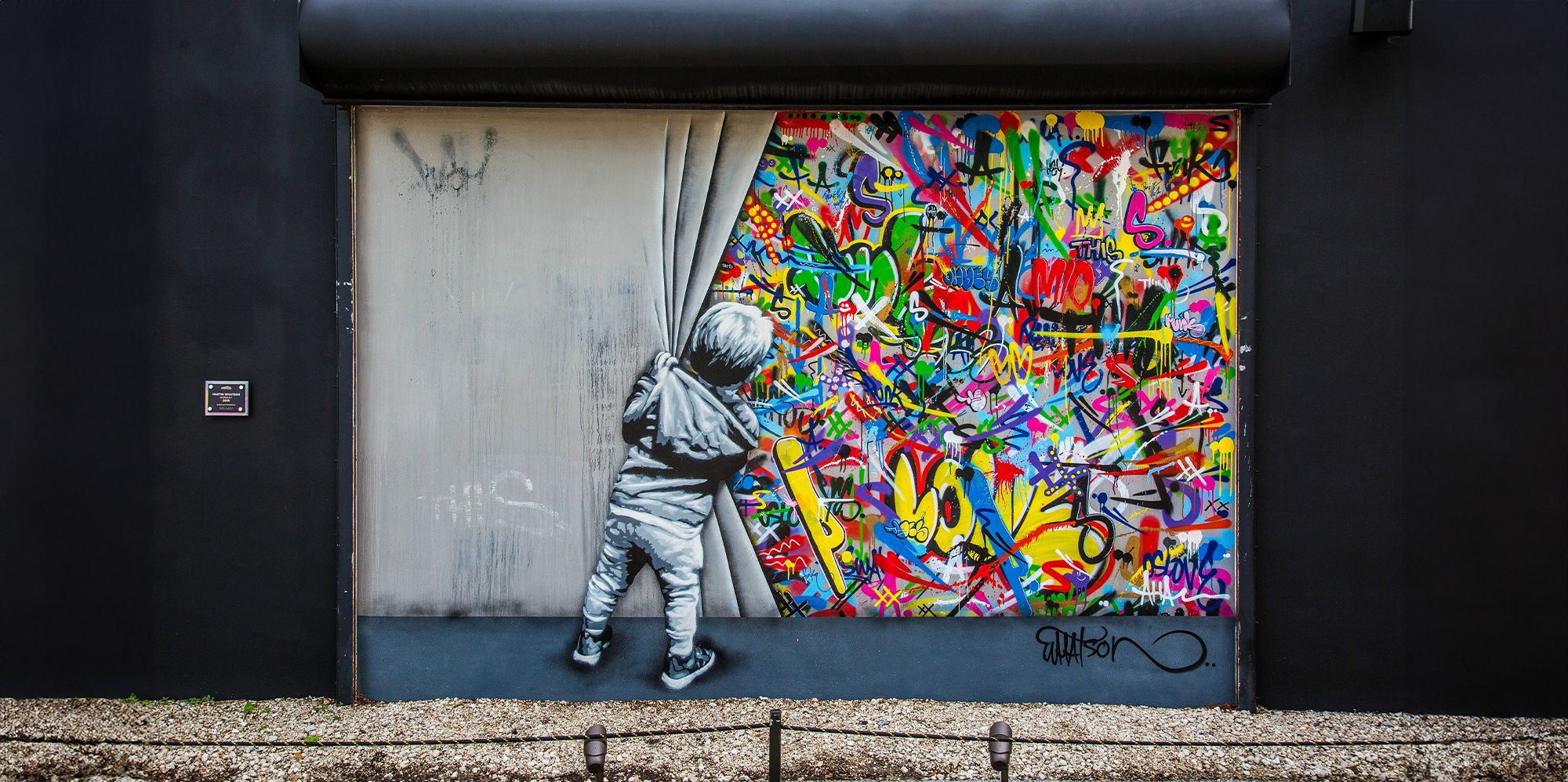
Street Art and graphic design: a fusion of languages.
Street art has profoundly transformed contemporary graphic design, especially in three areas:
Typography and lettering
The influence of graffiti is present in fluid strokes, textures, drips and gestural energy. Street-inspired lettering stands out in posters, digital campaigns and experimental branding.
Color and composition.
Urban aesthetics bet on strong contrasts, saturated palettes and free compositions that defy traditional rules.
Reinterpretation of urban language
Patterns, wall textures, stencils and graphics are integrated into logos, covers and digital content. This aesthetic conveys closeness, authenticity and dynamism.
Street art demonstrates that imperfection is also a valuable visual resource, especially in an era dominated by polished digital designs.
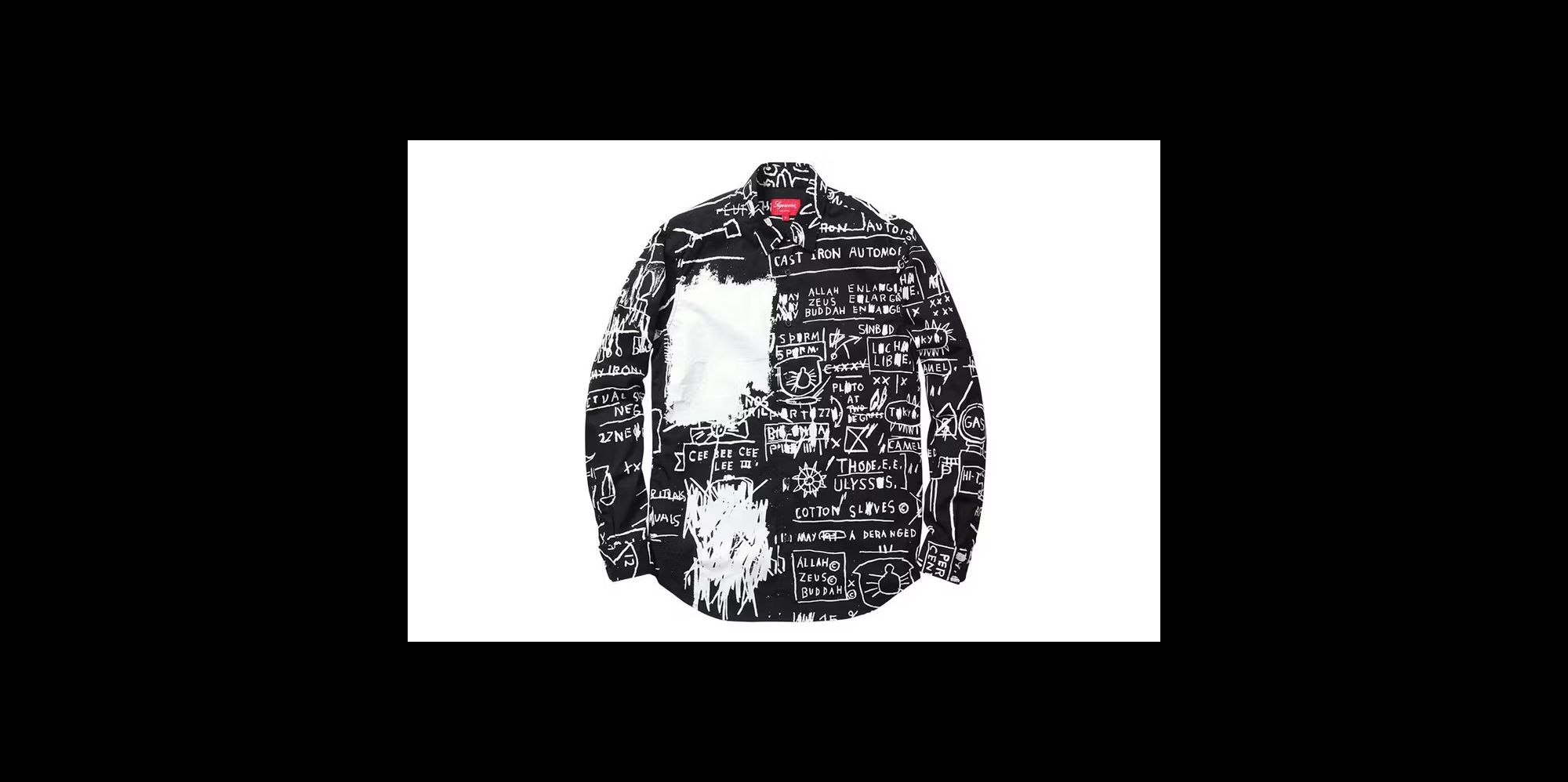
Urban art as an inspiration for fashion.
Fashion is one of the fields where street art has found greater expressive freedom. Some outstanding collaborations include:
- Supreme x Basquiat
- Louis Vuitton x Yayoi Kusama
- Nike x Futura 2000
- Adidas x Shepard Fairey
With the rise of streetwear, garments become canvases that express identity, social messages and urban aesthetics. The upcycling and customization movement allows designers and creatives to intervene garments as if they were walls, transforming them into unique pieces. Fashion, like the street, becomes a medium for self-expression.
The aesthetic influence: textures, color and message.
Street art brings three pillars to contemporary design:
- Vivid textures: worn walls, drips, layers of paint.
- Intense colors: energy, contrast and presence.
- Direct messages: identity, social criticism and cultural diversity.
In a visual world dominated by digital perfection, urban aesthetics reclaims the beauty of human gesture and authenticity.
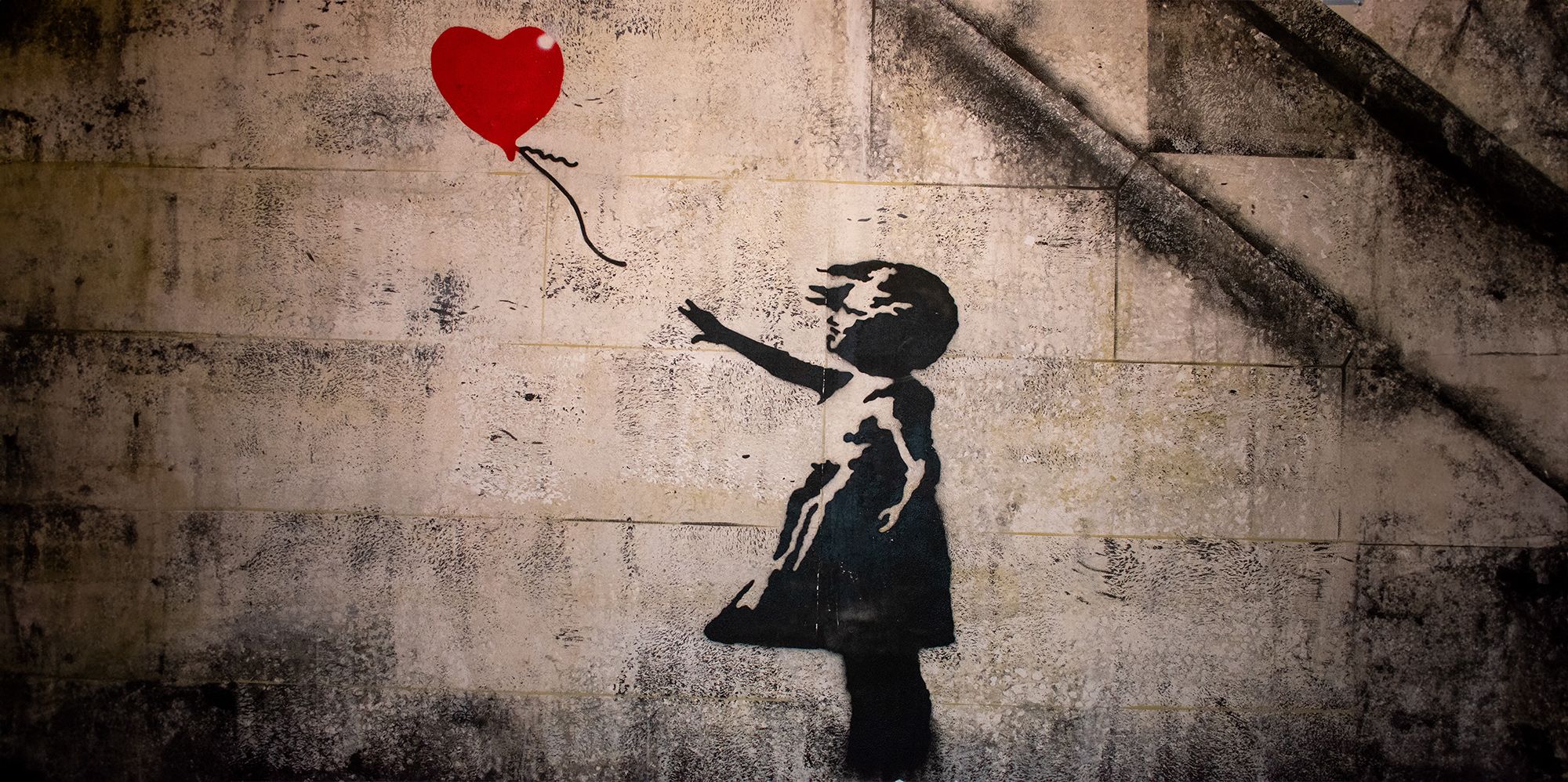
From the street to the screen: street art in the digital age.
Urban aesthetics has found new platforms, reinterpreting itself in:
- Digital art and NFTs
- Mapping and immersive experiences
- Motion design for networks
- Interactive campaigns
Social networks have amplified its impact: an ephemeral mural can go around the world in seconds. This transition demonstrates that street art is not just an aesthetic, but an adaptable and living language.
Street art has not only influenced graphic design and fashion: it has transformed the way we understand visual creativity. Its free strokes, vibrant colors and direct messages have become key references for designers, brands and artists seeking authenticity.
"Street art reminds us that the most powerful design is still born in the streets, where creativity expresses itself without permission."


0 comments